
A Sustainable Income for All
The New Post-Pandemic, Utopian Economic Model. This is an innovative idea that addresses the current global problem: The economy
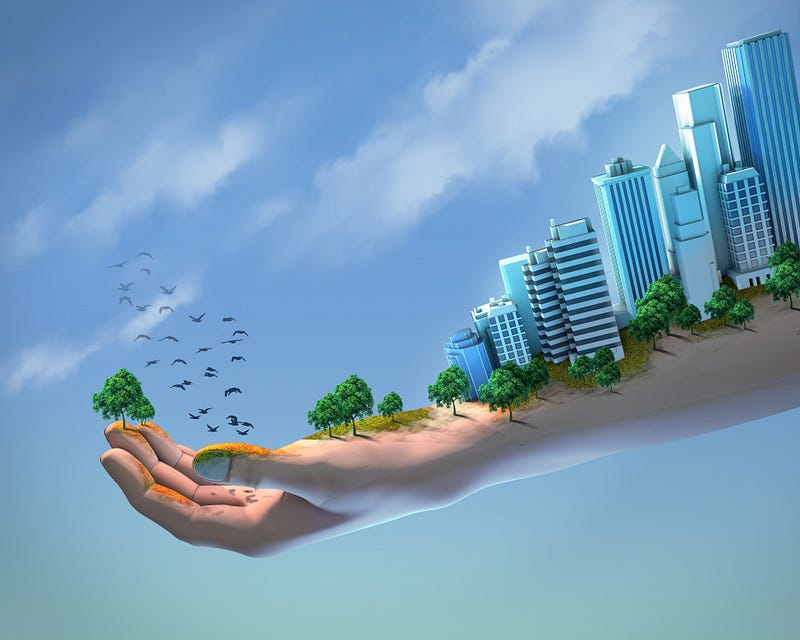
It’s 2025; the pandemic lasted longer than expected and close to one billion people died, worldwide. The coronavirus kept on mutating and the vaccine needed always a new clinical trial. After the pandemic, the capitalist economy crashed and over 70% of jobs got eliminated, globally.
Governments proposed the New Economy Model: The Sustainable Income for All. Currencies lost their value. The newly established international currency was named the GloboCoin (GC). Every adult in developed countries got eligible to get paid between 300–1000 GC for a month, which is equivalent to $300-$1000; not nearly enough to live on for a month.
The reason the payment is so low is that the Finnish government tested the Universal Income in 2016 and failed. Also, the citizens who received the payment stopped seeking a job. Many states didn’t want to support laziness or the lack of motivation to find a new job. Therefore, this new economic model guarantees the monthly income but each citizen needs to meet at least one of the two criteria.
First, if citizens reduced their monthly waste (minimum baseline of reducing waste is set by democratic votes) the monthly sustainable income is guaranteed. If you really reduce the waste beyond the baseline you get premium pay. Basically, the more citizens reduce their waste and recycle more, the more money they will receive.
The second alternative is to work. Either at home or as a service worker. Citizens who are the service workers get paid the most because they bring the highest value for humanity.
The payments for decreasing waste got introduced not solely to residents, but to governments, and corporations, too. After the post-pandemic, climate change was irreversible. It was the only way that citizens, companies, and countries would comply.
Citizens got motivated by decreasing waste and implementing permaculture in their homes, some built sustainable composting toilets and vertical gardens.
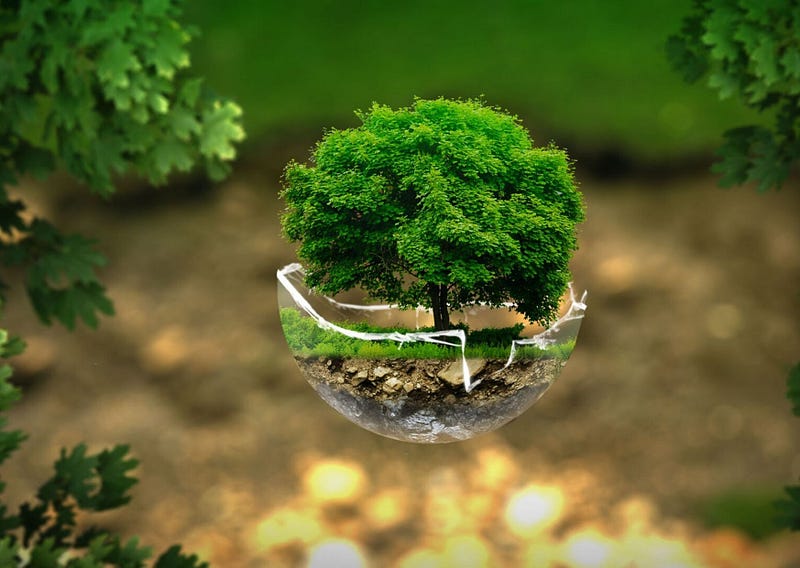
The governments transformed cities to be more sustainable. They strictly prohibited cars in the city. But residents can walk, bike, or take energy-efficient public transportation. At night the streets-light was replaced with glowing algae trees. New green buildings and trees replaced the roads and intersections that cars used. The countries which decreased waste got more paid and the same applied to companies.
For-profit companies disappeared, and new sustainable companies were born. Millionaires and Billionaires ceased to exist. If a company was profitable, the money got distributed back into the country. So, to accumulate more capital was now futile because the whole economic model changed. The new sustainable economic model represented a closed-loop, not like the capitalist model. That model was an open loop where only 1% owned most of the capital. That is why the inequality gap was draconian among the population.
This new closed-loop economic model guarantees the money is distributed back into society and the environment. Make no mistake, this isn’t some communist economical model. The market is still competitive, but the competition shifted towards sustainability under which everyone is rewarded. The sustainable methods to reduce waste, permaculture, clean air became the new capital. This new economic model pulled away from consumerism, waste production, and planned obsolescence.
Because of this new economic model, the health of citizens improved. Mental illness, addictions, stress decreased. Because of the decreased stress, many modern illnesses (diabetes, heart diseases) disappeared. The whole planet’s pollution decreased because humans lived sustainably.
This is a day 6 in 30 days to sustainability articles.