
30 Day to Sustainability-Day 3: Planned Obsolescence
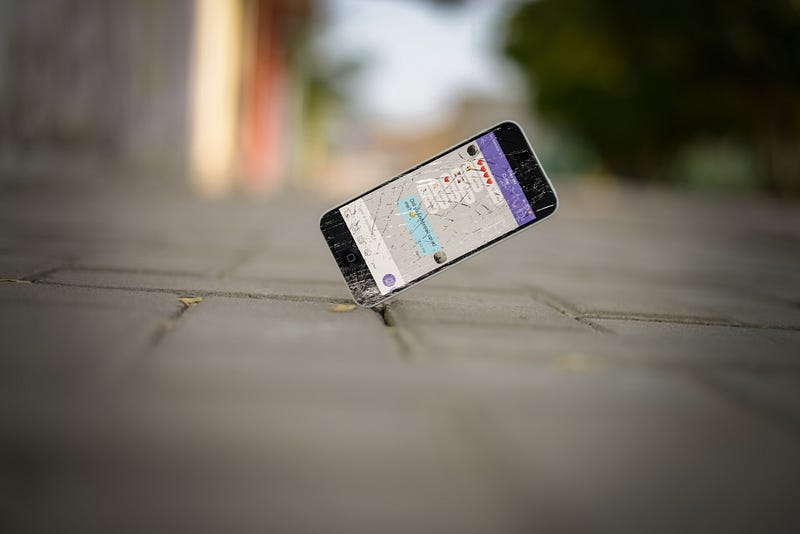
It was 2016 in the middle of the summer. After I returned from work, I told my daughter to get a swimsuit and let’s go and jump in our pool downstairs. After a few laps of swimming, we rested on the pool chairs. My daughter took my iPhone to do a search for something when I heard. BANG! The iPhone dropped on the concrete and the screen cracked. Oh my God! What will I do? First thought…let’s replace it! But after some time thinking about it, I thought. No, I will not give in to planned obsolescence.
Last night, I published a short article on how we can plan waste. Today I would like to bring your attention to Planned Obsolescence which sadly exists today.
What is Planned Obsolescence
If I can find another meaning for obsolescence, the word uselessness would fit, perfectly. Simply said, a Planned Uselessness. This means many of the products we buy today are built to fail. For example, the average life for a smartphone is one year. This digital product is built to break after a certain amount of time and it is not possible to fix it. You must upgrade your device, software, computer et cetera. The Planned Obsolescence model was created not only to continually make a profit for companies but because consumers demand it. In 2014 Google started a Project called ARA which was supposed to build a smartphone for 50$. Its product was a phone with easily replaceable modules so it would be possible to upgrade it without buying a new one. This innovation was intended to help with the E-waste problem. But in 2016 the Project ARA failed. Why?
Planned Obsolescence is an unsustainable economic model and it is both futile and wasteful not only for consumers but also for our planet.
How to stop Planned Obsolescence
1. Change the mindset before anything. We need to change our mindset about consuming and spending habits. If we, as consumers, stop buying new gadgets or upgraded devices, companies will stop with the planned obsolescence. One of the reasons why the Google Project ARA failed is because consumers weren’t ready. How do we change our mindset? We can start taking baby steps. Instead of upgrading our devices every year, we can upgrade them every three to five years. If companies will have not enough consumers each year, they will change their mindset too and build products to last.
2. Buy only ISSOP certified products with longer warranties. The warranty is given by the company for free. In European Countries particularly Spain FENISS certifies companies
3. Reduce E-waste by not buying new things and by supporting the companies who create brands that last.
Today is 2020, I still have my cracked iPhone. And I am proud of it. It still works, kind of.


