avatarLivia Dabs RN,MSc

Free AI web copilot to create summaries, insights and extended knowledge, download it at here

2468

Abstract

later they discovered if they kill more animals they can save them for later or eat another day. So, the Homo Sapiens started hoarding. It looks like it is in our DNA to be inclined to consume.</p><p id="18d7">In 1924 an American businessman and philanthropist, Edward Filene called the advertisement media“ <a href="https://www.academia.edu/2418812/Media_and_the_Birth_of_the_Post-communist_Consumer">A school of freedom and wrote</a>:</p><blockquote id="7d7c"><p><i>Modern workmen have learned their habits of consumption and their habits of spending (thrift) in the school of fatigue, in a time when high prices and relatively low wages have made it necessary to spend all the energies of the body and mind in providing food, clothing, and shelter. We have no right to be overly critical of the way they spend new freedom or new prosperity until they have had a long training in<a href="https://www.academia.edu/2418812/Media_and_the_Birth_of_the_Post-communist_Consumer"> the school of freedom.</a></i></p></blockquote><p id="781e">After the fall of the socialistic regime in my country, people felt insecure. Often, consumerism is fueled by insecurity. The communist regime, instilled in people insecurity which led to<b> low self-esteem. </b>How? By taking all the decisions for you. This is the biggest flaw of communism when it comes to personal freedom. And as I mentioned above, the advertising culture offered new freedom and that how the consumerism was born. The advertisement plays the biggest role in consumerism because it is a <a href="https://www.academia.edu/2418812/Media_and_the_Birth_of_the_Post-communist_Consumer"><i>belief system where culture promotes consuming as the best path to self and social improvement and Consumerism couldn’t exist without the media advertisement.</i></a></p><p id="86e8"><b><i>The same as American workers got manipulated by media, the post-communist women and men became students of the media advertisement.</i></b></p><figure id="a0dc"><img src="https://cdn-images-1.readmedium.com/v2/resize:fit:800/1*v-p1zLaqSVibP7h2ORa5iA.jpeg"><figcaption>Photo by <a href="https://unsplash.com/@jmkong?utm_source=unsplash&amp;utm_medium=referral&amp;utm_content=creditCopyText">Aaron Sebastian</a> on <a href="https://unsplash.com/s/photos/advertisement?utm_source=unsplash&amp;utm_medium=referral&amp;utm_content=creditCopyText">Unsplash</a></figcaption></figure><p id="c755"><b><i>How we can change from consumerism to sus

Options

tainability</i></b></p><p id="0e19">1. <b>Stop watching or paying attention to advertisements</b> because we all know it is manipulative which leads us to buy things we don’t need.</p><p id="a523">2. <b>Shift our attention to creativity</b> or developing inexpensive hobbies. It is cheaper and more satisfying in the long run.</p><div id="050d" class="link-block"> <a href="https://readmedium.com/three-passions-i-discovered-leading-a-sustainable-life-7f012f6c99aa"> <div> <div> <h2>Three Passions I Discovered Leading a Sustainable Life</h2> <div><h3>Two years after emigrating from America to Spain, I started living a sustainable life and discovered passions with AHA…</h3></div> <div><p>medium.com</p></div> </div> <div> <div style="background-image: url(https://miro.readmedium.com/v2/resize:fit:320/1*vsqG9V4rfkr5fyXCdHMGvg.jpeg)"></div> </div> </div> </a> </div><p id="b16f">3. <b>Shift our mindset from futile consumerism to deeper meaning of life</b> such as spending time with family, socializing, reading, gardening, creating, or anything we get the feeling being in that gives you the feeling of being “ inflow.” The moment when we do not have the desire to shop just for the sake of shopping. As <a href="undefined">Desiree Driesenaar</a> describes in her recent article about the regenerative economy (self-sufficient economy):</p><p id="c0e9" type="7">Stop buying to impress. Egotripping is so 2019! Stop buying useless stuff just because it makes you feel better. A long walk in nature helps more.</p><div id="c11a" class="link-block"> <a href="https://readmedium.com/okay-so-we-need-a-new-economy-is-europe-doing-it-better-237b54dd7edd"> <div> <div> <h2>Okay, So We Need a New Economy. Is Europe Doing It Better?</h2> <div><h3>Some ramblings on economies, continents, and transition inspired by umair haque</h3></div> <div><p>medium.com</p></div> </div> <div> <div style="background-image: url(https://miro.readmedium.com/v2/resize:fit:320/1*DgDArDOhmHbsTnNVxuDWgQ.jpeg)"></div> </div> </div> </a> </div><p id="4e9d"><i>This is a day 8 in 30 Day Challenge to Sustainability Articles</i></p></article></body>

How Consumerism Was Born
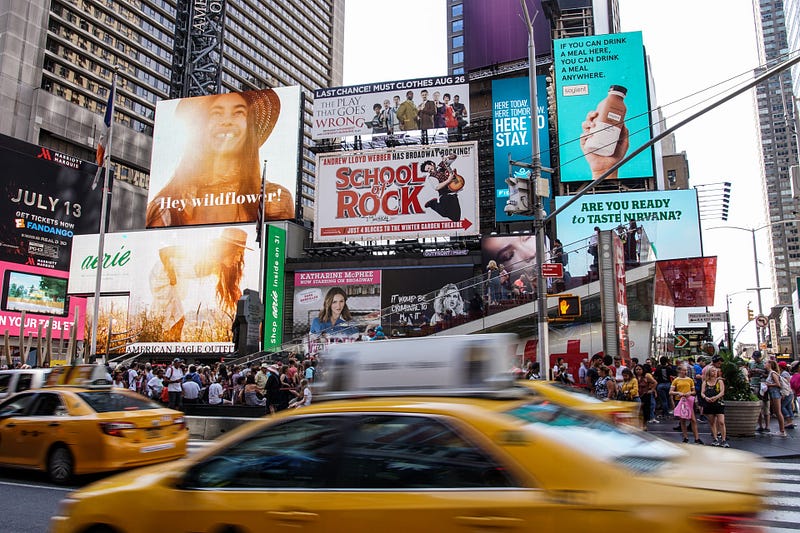
Photo by Dennis Maliepaard on Unsplash

I grew up in Czechoslovakia, behind the Soviet Union’s iron curtain, in a pre-consumerist society, before democracy and capitalism kicked in.

I remember during those times, people barely went to stores. Well, we only had a handful of shops to go to.

The apartment we lived in, was given to my parents for a very small fee by the government, the food we ate was mostly from my grandparents’ garden, and my mom designed and sewed our clothes for us.

The libraries were free, the toys were made by ourselves. The shops were unnecessary. Actually, if I remember very well the word consumerism did not exist in our vocabulary and neither did private property. Everything belonged to everyone. We all lived this way, not only my family, but aunts, uncles, cousins, and neighbors. The only shortages we experienced as they said were BMWs and bananas.

The ontology of the socialistic way of life was that human happiness can be found in creation, and construction, and not consumption.

Bankov

Then after the fall of the iron curtain, the western culture arrived. Many shops opened. Uber-supermarkets and malls were built “overnight.” The billboards and advertisements popped up everywhere. I went with my parents to a restaurant for the first time when I was 12 years old. I had pizza and Coca-Cola for the first time. Suddenly, I saw a shift within my family and the community. A shift from sustainability to consumerism. Everyone desired stuff and the culture of shopping was born. Overnight almost everyone began consuming.

What changed? How could the population go from extreme sustainability to consumerism? How come humans are attracted to consumerism?

How Consumerism Started

During the Stone Age, humans were hunting for animals. Initially, they killed only what they consumed but later they discovered if they kill more animals they can save them for later or eat another day. So, the Homo Sapiens started hoarding. It looks like it is in our DNA to be inclined to consume.

In 1924 an American businessman and philanthropist, Edward Filene called the advertisement media“ A school of freedom and wrote:

Modern workmen have learned their habits of consumption and their habits of spending (thrift) in the school of fatigue, in a time when high prices and relatively low wages have made it necessary to spend all the energies of the body and mind in providing food, clothing, and shelter. We have no right to be overly critical of the way they spend new freedom or new prosperity until they have had a long training in the school of freedom.

After the fall of the socialistic regime in my country, people felt insecure. Often, consumerism is fueled by insecurity. The communist regime, instilled in people insecurity which led to low self-esteem. How? By taking all the decisions for you. This is the biggest flaw of communism when it comes to personal freedom. And as I mentioned above, the advertising culture offered new freedom and that how the consumerism was born. The advertisement plays the biggest role in consumerism because it is a belief system where culture promotes consuming as the best path to self and social improvement and Consumerism couldn’t exist without the media advertisement.

The same as American workers got manipulated by media, the post-communist women and men became students of the media advertisement.
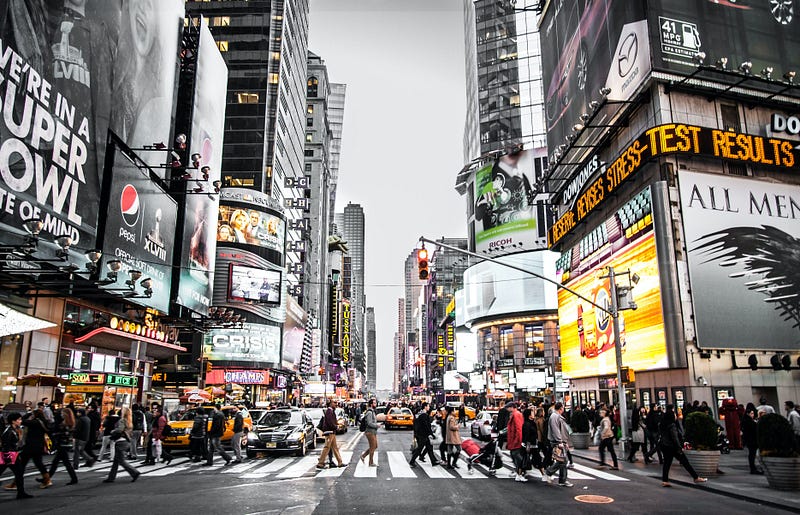
Photo by Aaron Sebastian on Unsplash

How we can change from consumerism to sustainability

1. Stop watching or paying attention to advertisements because we all know it is manipulative which leads us to buy things we don’t need.

2. Shift our attention to creativity or developing inexpensive hobbies. It is cheaper and more satisfying in the long run.

3. Shift our mindset from futile consumerism to deeper meaning of life such as spending time with family, socializing, reading, gardening, creating, or anything we get the feeling being in that gives you the feeling of being “ inflow.” The moment when we do not have the desire to shop just for the sake of shopping. As Desiree Driesenaar describes in her recent article about the regenerative economy (self-sufficient economy):

Stop buying to impress. Egotripping is so 2019! Stop buying useless stuff just because it makes you feel better. A long walk in nature helps more.

This is a day 8 in 30 Day Challenge to Sustainability Articles

Sustainability
Personal Growth
Life Lessons
Consumerism
Advertising
Recommended from ReadMedium