
3 Ways To Identify Jealousy in Relationships
Pay attention to those red flags.

When it comes to couples, sussing out the emotions of others isn’t easy. I’m an aspiring therapist, and I have some years of working and volunteer experience working closely with people across the lifespan, including adults and couples. For now, though, I’ve been spending more and more time working with couples, and can’t help but think about relationships a lot in general.
Jealousy Has Some Benefit
Jealousy is an emotion that many people experience. Sometimes, people can’t help it. They want something and they can’t have that something. When they see others have the very thing that they want, they might feel insecure.
Strangely enough, jealousy does have one benefit: it can make you really aware of what you want, which can drive you to be more goal-oriented. Instead of slacking off on your goals, you end up doing well because of that competitive mindset.
However, harbouring jealousy all the time is not good. It’s not healthy to always compare ourselves to others. Sometimes, we just need to go with the flow and do things our own specific way. I mean, we all have different learning styles and needs.

Jealousy Is Unmasked Fear
While some jealousy is normal, having too much of it is clearly bad. It’s one thing to be thinking something in your head, and another thing entirely if you act upon it and do some silly things.
Jealousy could be argued to be the byproduct of fear. Maybe we fear that we are not good enough, or that we could lose something important to us. When we have these feelings, we want to run away from them.
In a relationship, jealousy can psychologically trick us into thinking that we are some kind of danger when there isn’t any. We veer from harbouring some suspicion to a lot of suspicions. Too many suspicions can rock or disrupt a relationship.
Unhealthy jealousy can be seen in many ways. Here are three of those signs:
1. Your Partner Doesn’t Want You Anywhere Else Ever
If your partner is continuously insisting that you only spend time with them, that could be interpreted as jealousy. I mean, some of us go to work, attend university, have extended family, and so much more. We can’t always spend 24 hours with just one person.
If your partner is always getting angry when you smile at someone, like your friend or something, then that could be a red flag as well. However, that’s up to you on what you want to do about it.
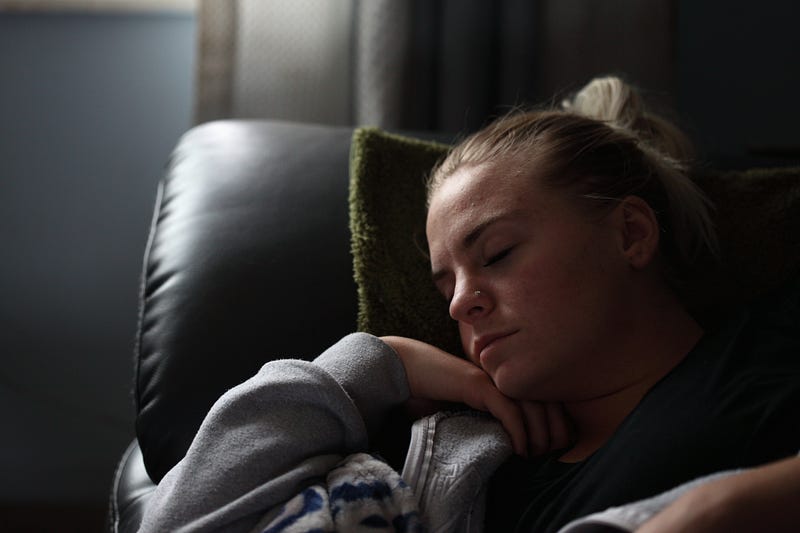
If someone respects you, then they will respect your boundaries. In return, you will also respect them in the same way. Maybe you needed a one-hour break from something stressful and needed a nap — a good partner knows that we all have our limits.
2. Your Partner Requires Detailed Check-Ins
If your partner is constantly monitoring where you are, then that’s kind of unusual. I mean, most partners do not set aside a detailed journal log where you have to sign in, annotate dates, list who you were with, what you did, and so much more.
Many couples might know where their partner is at in general. If one person says they’re going to the grocery store, then that’s a given, especially if they come home with some groceries.
If your partner says they’re leaving work, and they’re “accidentally” 5 minutes late because of the traffic, then most partners aren’t going to ask that person why they are “late”. It’s a given that traffic jams can and will happen. Plus, we sometimes need to refuel the car.
In a relationship, some trust is required. It’s certainly not easy, but you’re both trying to operate on the same wave-length here.
3. Your Partner Is Unusually Suspicious All the Time
It’s only okay to be suspicious of random people once in a while, especially if your gut instinct is telling you that something is wrong. However, it’s not okay to always be suspicious of your partner all the time.
If someone, like a coworker, took a simple glance at your face and your partner gets angry, as if you had done something wrong, then perhaps you need to re-evaluate this relationship.
Now, it’s okay to be in relationships, especially when you’re with someone you love, but if that relationship is affecting your physical and mental health, then you need to make sure you are safe. I mean, it’s your life we are talking about here.

Final Thoughts
Most healthy relationships don’t have such a huge level of suspicion. Suspicion generally only arises if the trust between you and the partner was somehow broken in the past. However, if nothing bad like that has happened between you or the partner, then this general suspicion doesn’t make as much sense — but can still be managed and reduced.
Either way, if you want to reduce jealousy in general, consider:
- Establishing clear boundaries
- Talking to your partner clearly about the situation
- Letting them know you feel
- Writing everything down, for personal documentation purposes
- Getting secondary opinions from friends and family
- Consulting with a professional
As Paulo Coelho once said,
Never hate jealous people. They are jealous because they think you are better than them.
For similar content from the author, please visit: