
3 Tips for Surviving This Fall and Winter
Ever since the world changed this year, there have been constant worries that the increasingly cooler weather could make both our health and social care worse. For example, winter and fall are usually allergy and flu seasons, which adds further complications and fears towards the upcoming months.
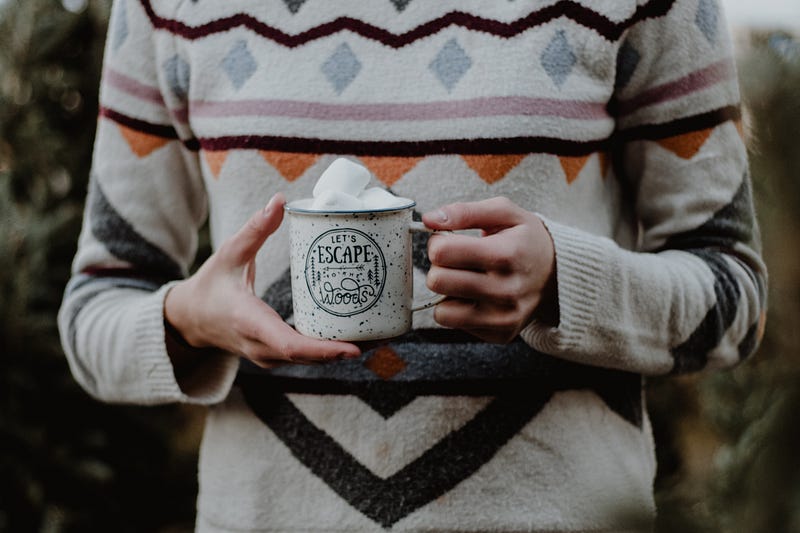
It’s a fairly bleak outlook, especially as we have increasingly less time to go outside and have to ready our wardrobes with stuffy sweaters, hot drinks, and thick blankets.
By the time snow approaches, the land will cascade into darkness earlier and earlier, and you’re going to the miss the warm embraces of summer. Alongside this darkness, is an increased risk for seasonal depression, more appropriately known as seasonal affective disorder.
If you’re feeling the creeping dread associated with the cold harsh nights of fall and winter, consider the following:
- Make a list of all the things that you want to embark on during these upcoming several months. Consider items that take up a lot of your time and can temporarily distract you from the harsh realities of the world.
- Create a self-care health kit, filled with the various items that one can use in the event of a medical and/or mental health emergency. For example, you can include items like band-aids, hygienic items, and stress balls into your kit.
- Explore potential side income opportunities, especially if money is tight and your resources are scarce. It might also be a good idea to save extra money in case something randomly breaks down, like a heater or a stove.

While you’re at it, consider these other items as well:
- Replenish your reserves of allergy medications, cough medicine, vitamin pills, birth control, cooking oils, spices, herbs, etc.
- Clean up your home space to reduce the severity and intensity of dust-based allergies or sneezes, while also fostering heightened productivity.
- Find a good therapist, online mental hub, and/or a support group, especially if you have a history of being seasonally depressed.
- Craft a revised work-out regimen and skin-care routine.
- Brainstorm a list of new hobbies to avoid monotony and despair.
- Find the right kind of face mask that is comfortable, practical, weather-appropriate, and is easy to sterilize and wash.
While most people are not looking forward to the tantalizing reaches of fall and winter, it’s best to be mentally and physically prepared. Regardless of what you end up ultimately doing, perhaps some of the strategies here resonated with you.


