
LIFE LESSONS | LIFE PURPOSE
3 Things to Know About Generational Patterns and Cycles
You get to decide if they continue or end
1. They Aren't Always the Worst Things
There are so many names for it — generational patterns, generational cycles, generational legacies, generational curses if you’re been extreme, but they all mean the same thing.
A generational pattern is a belief, perspective, behavior, lifestyle, action, or attitude that is passed down from generation to generation.
It’s the things an ancestor believed, practiced, or did that still have an effect on the younger generation. They are patterns from a family history that are passed down from person to person through learned behavior.
Here’s an example from my own life:
My mother is an Aquarius, which means she doesn’t fear spending time alone. She’s a loner. Growing up, I didn’t see her associate herself with many friends. She is the type of woman who isn’t afraid to tell it like it is and has no problem calling people out for the dumb things they do, so friends didn’t stick around and she didn’t go after them. She loved being in her own space with her husband and kids in it. She said it was peaceful that way. No drama and no annoyances from other people.
It didn’t seem bad.
I grew up feeling and acting the same way. I didn’t really care for friends. I didn’t fit in so I kept to myself. Honestly, as a young adult, I found friends intrusive and annoying. I enjoyed being by myself and doing my own thing when I wanted to. I was a loner. Just like my mother.
I wasn’t the only one who picked up this pattern. My brothers and sisters did too, all keeping a few friends around. My mother raised us as if we were all we had, so we grew up becoming really good friends, always enjoying each other’s company. We had all we needed with each other. But we grew up and I left home. That’s when I started feeling very lonely and wanted a few friends to spend time with every now and then. I realized the pattern, started looking at it closely, and made the necessary changes so I could live a more fulfilling life.
But mother didn’t just pass down the loner spirit.
My mother is the best cook! She cooked for my father and us every single night. Although I had to help her cook every single day, I hated it. It was way too much cooking! But I had to help every day, so I learned. I learned everything about cooking from my mother. She taught me how to cook and I’m grateful she passed that on to me and I get to pass it on to my daughter.
And again, I wasn’t the only one who learned how to cook. My sisters are both awesome cooks and even my brothers are surprisingly great cooks. You see, my mother didn’t just pass on a tendency to be loners, she passed on to us the ability to cook delicious meals.
Generational patterns are patterns from a family history that are passed down from person to person through learned behavior.
2. They Can Be the Worst Things
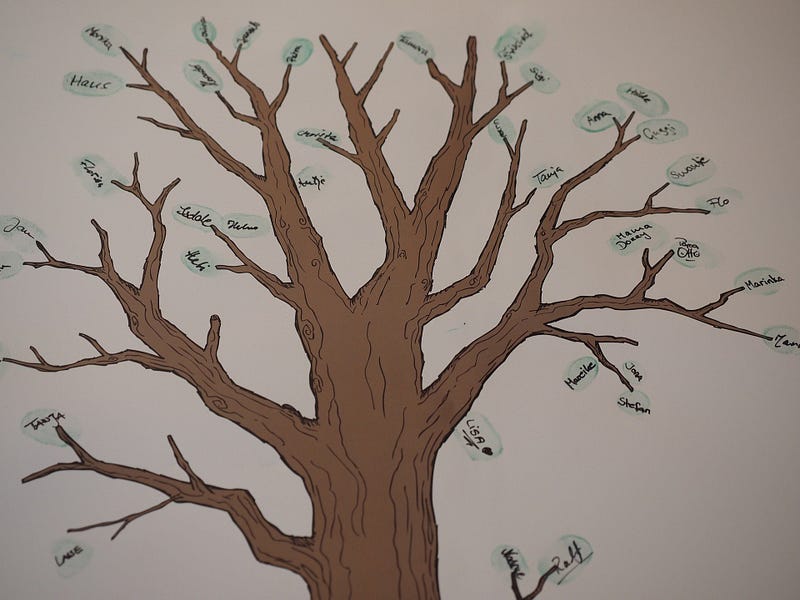
When we look at things passed down through our family tree, we may think of big beautiful brown eyes, a big head with a big brain, a natural talent for the arts, or an ability to make delicious meals. Unfortunately, it’s not only positive things that are handed down. Sometimes parents pass on the worst things to their children without even being aware of what they’ve done.
We are given the chance to reincarnate on earth to resolve spiritual problems and obstacles we had in a previous lifetime. We come to learn life lessons so we can fulfill our life’s purpose. When we fail to learn our lessons and we pass the problem on to our children, they continue the same obstacles we were supposed to come and resolve. We hand our issues over to our children to live with.
Then we failed our life mission.
It was William Shakespeare who said in The Merchant of Venice that the sins of the father are laid upon the children. Sometimes children have to pay for the things their parents did or didn’t do. Sometimes we suffer because of how an ancestor lived or what they did. The cycles that are passed on are sometimes consequences of an action and even sins. Things that keep happening in a family without reason as to why they keep on repeating themselves. It keeps repeating because no one has learned the lesson yet and until somebody does, the entire family line suffers. That’s when it becomes a generational curse. Examples are a family line of alcoholism, indolence, poverty, single parenthood, divorce, violence, murder, incarcerations, untimely deaths, stealing, rape, violence, incest, or abortions. The thing with generational curses is that the moment someone becomes aware of it and learns the needed the curse is broken. It no longer has power.
If nobody in the family catches it, the younger generation keeps on picking up the habits and eventually brings about the same bad habits continuing the cycle. The children continue the same things parents came here to change, and it becomes one vicious cycle.
Here are some examples of the not so good generational patterns:
Carlos’s dad wouldn’t quit yelling and being angry all the time. Everybody keeps telling him he needs to work on his temper. It’s something he knows he must work on but he doesn’t take it seriously. He yells at everybody and young Carlos all the time. It didn’t matter what he does, his father would yell. The poor boy thinks yelling is normal. He grows up and has kids of his own and can’t help but yell at them all the time, just as his parents did to him. He’s become his father carrying the same anger and yelling issues. He continues the cycle and unknowingly passes it on to his own kids, who may pass it on to their own children unless somebody learns and breaks the cycle.
When you break the cycle, you not only break it for yourself, you break it for your children and your grandchildren.
Here’s another example from the hit TV show This Is Us which portrays generational patterns and cycles in families.
In one episode, Tess Pearson, Beth and Randall Pearson’s daughter suffer an anxiety attack in school and her teacher calls her dad. Randall also frequently suffers intense anxiety attacks, so he tries to comfort Tess but Tess gets angry and storms off saying she wants to be nothing like her dad. Beth, unhappy with everything, remembers a conversation she had some time ago with William, Randall’s father (Tess’s grandfather) who revealed to Beth that he suffered anxiety attacks as a kid. The anxiety was a genetic issue passed down from William to Randall, who passed it down to Tess.
In the same show, Jack Pearson is an alcoholic man who struggles to quit the habit. His brother, Nicky Pearson, also struggles with alcohol. Their dad was an alcoholic who passed on the habit to his sons. Jack grows up to have a family of his own and he passes on this trait to his own son Kevin Pearson, who is also an alcoholic and struggles to quit the habit. Alcoholism was passed down from Jack’s father to Jack, who passed it on to his son.
We are not tethered to generational patterns and cycles. And curses? Ever heard of free will? We can’t be bound by anything we choose not to accept.
3. You Aren’t Tethered to Generational Patterns
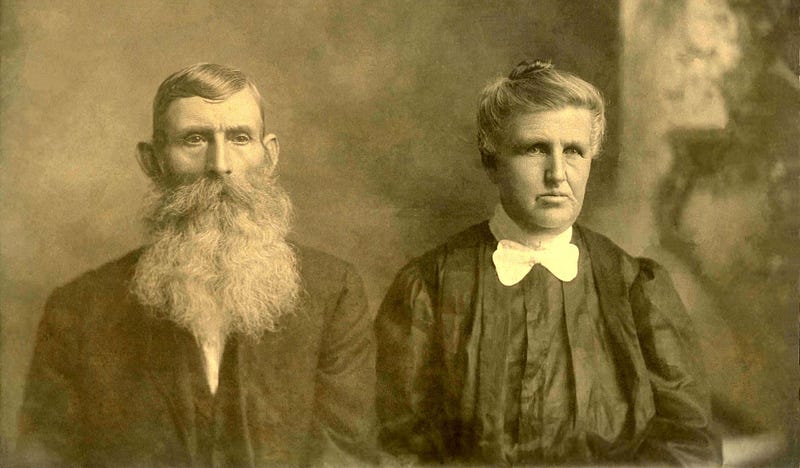
Most people aren’t aware they are navigating life in the shadows of their ancestors. We realize what we didn’t like about our parents and we often find that we are navigating the world in the same way, but are completely blind to it.
And it’s tempting to get angry at our parents and grandparents after realizing the things that have been passed on to us but we can’t get mad at them because it could have been a pattern that was passed on to them and they may not be aware.
If you’re aware of a pattern in the family, it’s your life lesson to break it. You came here to do just that. You came to save your descendants.
You don’t have to be a victim of things that don’t belong to you. We aren’t our mothers. We aren’t our fathers and forefathers. You had no control over how they lived their lives, but you have the power over whether you repeat their patterns or end them for good.
You get to decide if those cycles continue.
You have the choice to continue in the footsteps of your ancestors and pass on negative patterns to your children or break the cycle. You have the power to choose and create what you desire to pass down to your children.
Your ancestor's sins and dysfunctions don’t have to become your sins and dysfunctions. Your past and generational patterns do not define who you are, and they shouldn’t define who your children are. Even if you’ve learned destructive habits or patterns, you don’t have to continue the cycle of passing them on to your children.
You can end the cycle and save your entire family line.
When you learn about the pattern and break the cycle, you not only break it for yourself, you break it for your children, your grandchildren, and your great-grandchildren.
When you heal, you heal your children and your children’s children. You save your descendants from a life of chaos, destruction, and misery.
To become aware and break the pattern, you must go back and see. Investigate some of your own patterns and figure out where it comes from. Talk to your parents and your grandparents about what you think the problem is. Take a hard look at your family and determine what has been passed on and make a plan to break or end them.
Forgiveness is an important part of breaking the cycle.
You must forgive your parents and your ancestors for the things they did not know. These patterns may have affected you up until now, but once you shine a light on it, it loses all power. There’s freedom and liberation in breaking a cycle and creating a healthier pattern for you and the future generation.


