
3 Steps to Accept Your Bipolar Diagnosis
The framework for coming to terms with mental illness.

Did you accept your bipolar diagnosis right away? How did you feel when you heard those words?
The diagnosis terrified me. I only knew of a couple of people with the condition, and they weren’t examples that inspired me with much hope. I felt like my life was over.
Those of us with bipolar like to take things to extremes. Many things in life become either all or nothing. Either we will always feel wonderful forever, or we will never feel good again. Either every day will be sunshine and rainbows or cold, dark rain. There’s no middle ground.
Except that there is.
The key is taking the steps to accept and thrive with your bipolar diagnosis. Here’s three steps that helped me move forward.

1. Understand
The first step in what to do when you’re diagnosed with bipolar disorder is to understand the condition. Take some time to learn what bipolar really is and what it isn’t.
TV and movies like to highlight the worst episodes of bipolar. It makes for exciting television viewing, but it’s not accurate. Put those worst images out of your mind.
There are several common signs of bipolar. Understanding those symptoms and how they manifest helps take away some of the anxiety caused by the diagnosis. Education is your friend, and the better you understand bipolar, the easier your life will be.
The next step is to accept your bipolar diagnosis.
2. Accept
Accepting your bipolar diagnosis is a process and won’t happen overnight. It’s okay to mourn the life you thought you were going to have. If you need to, take a couple of days to have a pity party. Feel sorry for yourself and cry as much as you need to. I even give you permission to eat a bunch of ice cream. Just don’t make yourself sick.
In some ways, your life will be different, but in the most meaningful ways, you are still you. And you always will be.

After a couple of days, the grieving has to end. You can’t live the rest of your life in a pity party. And your life is far from over.
Now that you know a little about bipolar disorder, take the time to analyze your life and moods based on what you know. How do the symptoms appear in your life? Which things are your triggers? What helps you to cope?
Many people with bipolar spend years doubting their diagnosis is correct. Honestly, there are still times now, after nearly three decades, where I doubt if they diagnosed me correctly. Then my credit card bill comes and I see how I spent way too much on fidget spinners one night when I couldn’t sleep, or a friend points out how fast I’m talking. I may even realize it’s been days since I last slept. Then, there’s no denying I have bipolar.
Give yourself permission to be bipolar. I’m going to say that again, because it’s important.
Give yourself permission to be bipolar.
It’s not a failing, and it’s not a weakness. Bipolar is just a part of what makes you a unique individual. It’s a part you must accept to continue to thrive.

3. Thrive
A bipolar disorder diagnosis is not the end of the road. Once you accept your bipolar diagnosis, you can be productive, helpful, and have great relationships.
There may be times you have to decline social engagements or take time off work, but mostly your life can be whatever you want it to be. Don’t limit your potential.
For example, I work full time, care for my aging parents, write for online websites, and maintain the Speaking Bipolar blog. I also volunteer in my community and have many wonderful friends.
Your life can be as full as you choose to make it.
Explore the Gifts
Bipolar disorder also brings some “gifts” with it. An overactive brain is creative and full of ideas. When you learn to control the speed of those ideas, you see things from different perspectives. It can make you an excellent problem solver.
Bipolar also makes you more aware of other people’s feelings. Maybe not a full empath, but you’ll pick up on things faster than those without bipolar.
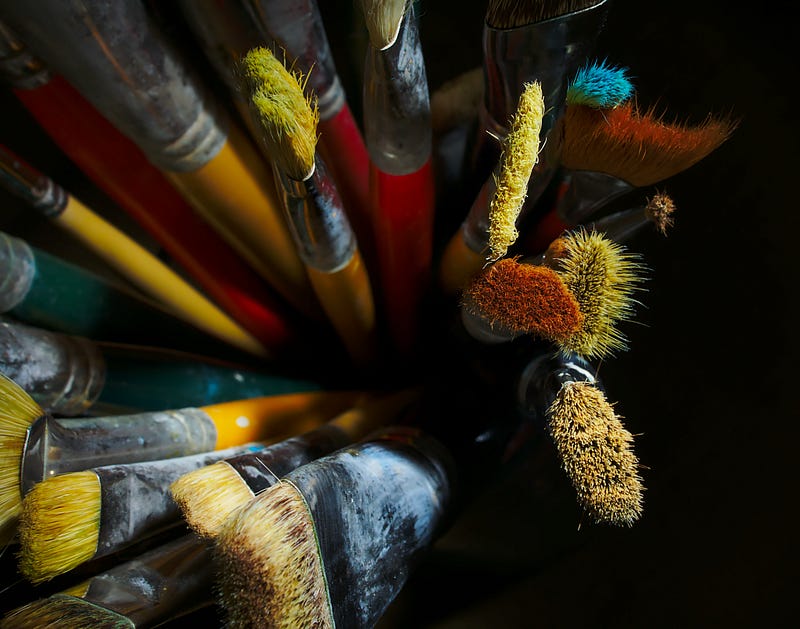
These things can make you a better friend and partner. The creativity can inspire you to write poetry, music, or create beautiful pieces of art.
Living with bipolar disorder is tough some days, but you can learn to live successfully. It doesn’t have to control your life. Taking the time to understand your illness, to accept that it’s true for you, and to look for ways to thrive will give you the peace you need to succeed in your battle.
Until next time, keep fighting.
Sign up for my FREE Sunday All Things Bipolar Newsletter (off-site link) and I’ll send you a few downloadable gifts to improve your life.
Originally published at https://speakingbipolar.com on July 26, 2021.