

25. Slowdown landscapes: Building blocks for care and repair of the city
Retrofit and repair, in a Slowdown neighbourhood; a colourful patchwork city of loosely-joined building blocks; collaboratives, participatives, cooperatives, and plain old social housing
The second set of Slowdown Papers looked at some of the aspects of architecture and planning at the scale of the building, the block. They concerned themselves with the environmental aspects of buildings, their design and politics, as well as their shared services and spaces.
Yet the dynamics of the Slowdown alters more than simply the distribution of buildings. It also opens up different ideas about time spent, value created, and engagement with buildings, particularly housing. At some fundamental level, Slowdown dynamics like decelerating population growth undercuts the idea of property as speculative asset, and of working away from home, or the neighbourhood for the bulk of the week. This means that there is greater impetus for exploring different models for building, owning, occupying, and maintaining and caring for buildings and their surrounds. In fact, an engaged dynamic between people and their housing which requires maintenance and care may no longer be something to avoid, but to create.
In this model, blocks can positively require care, time, participation, involvement, and they produce care in return. Those elements—time, participation, slower rates of return, careful design stage that engages the actual users etc.—are generally seen as problems to avoid in housing, by the traditional housing market at least. It’s as if they are variations on the tragedy of the commons, yet not to do with issues of exploitation and extraction, but due to a tragedy of not being bothered. (In the business, you’ll hear “No-one has the time for community projects, for ongoing participation, for maintenance”, “We have to enable a short-term return on this block in order to encourage development”, “Or ‘Involving the community in the design stage slows everything down.”)
I’ve frequently discussed how these assumptions can be largely false; participation not only produces higher quality design, but can also produce it more rapidly, as the approvals are built into the design process up-front. Or these assumptions are simply unhelpful, as such corner-cutting approaches simply produce generic designs that do not match actual people or place. Yet with Slowdown dynamics in mind, the situation is even clearer. These so-called issues could be reversed to become advantages. Time becomes a resource we have, rather than a scarce resource. Time is on our side.
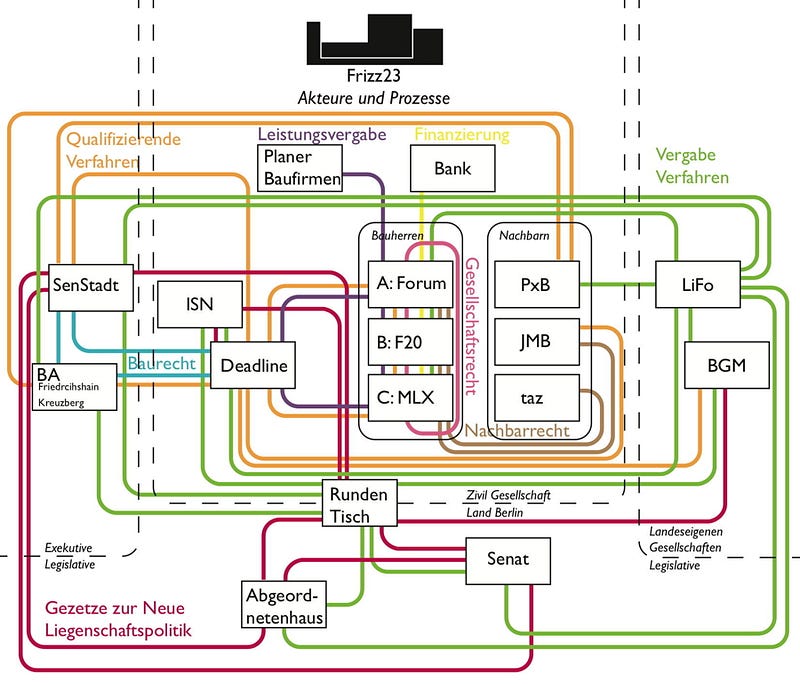
Get this right, and we enable the block to work as a way of repairing urban fabric, suturing over fractures in the city caused by previous forms of development. Contemporary mixed-use blocks in cooperative housing mode offer a particular possibility. Increasingly well-known examples of these block models include La Borda in Barcelona, Yokohama Apartment, Spreefeld in Berlin, Star Housing in Los Angeles, Sargfabrik Vienna, Wohnprojekt Vienna, Mer als Wohnen in Zürich, Vrijburcht in Amsterdam, Urbana Villor in Malmö, Frizz23 in Berlin, and so on. But there are hundreds, if not thousands of other examples, particularly from mainland and northern Europe, but also East Asia. (Equally, of course, there are hundreds of shining examples from the first half of the 20th century in particular, often led by municipal architects and building functions.)
Where they are usually absent—though not always—is in Anglo-American contexts, where a background radiation of individualism negates the whole idea of the shared block, more or less. Due to individualism defining much of the last half-century more broadly, these Anglo-American housing models exert a hegemonic pull on housing design in other cultures, despite the clearly lower quality. (You can see this clearly in Sweden, not simply in the neoliberal drift which turns People’s House model into corporate conference centres, if ever you needed a complex idea rendered in one image, but also in the collapse of housing build and quality, after the early 1990s.)
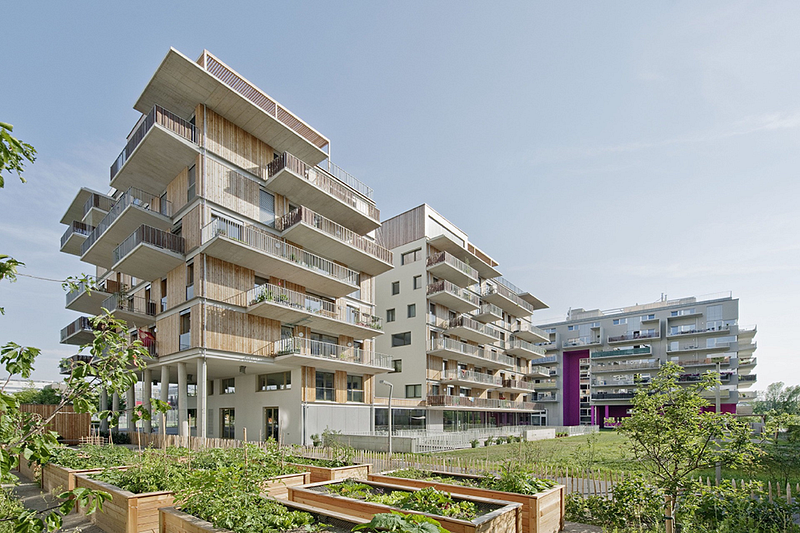
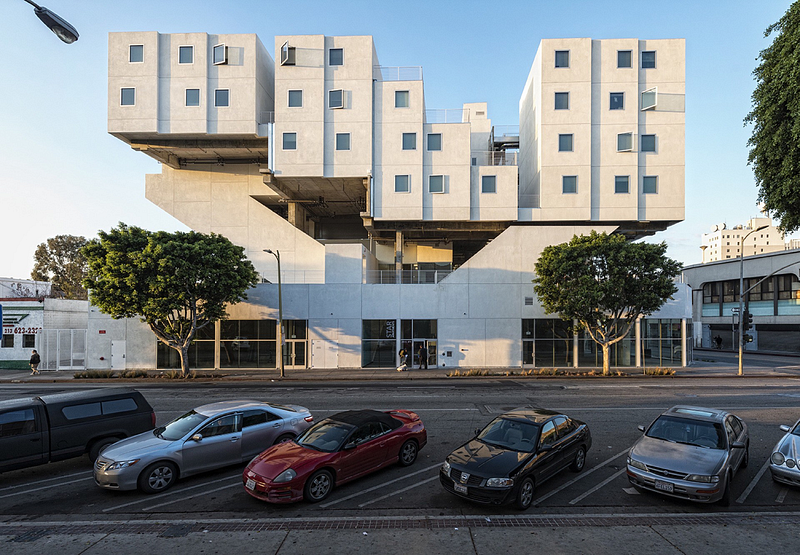
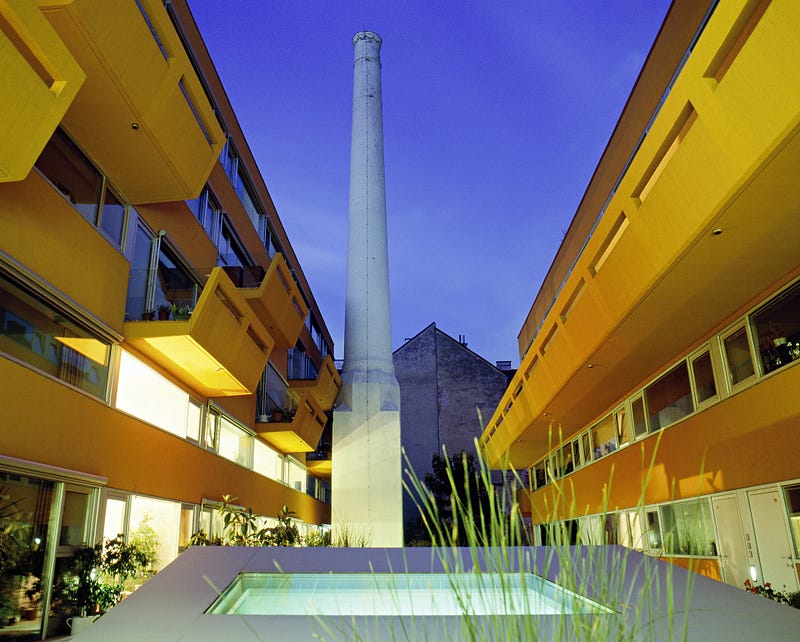
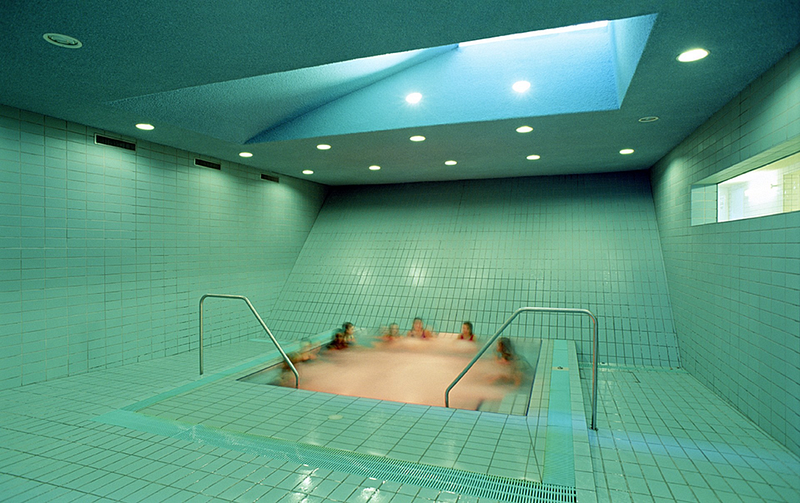
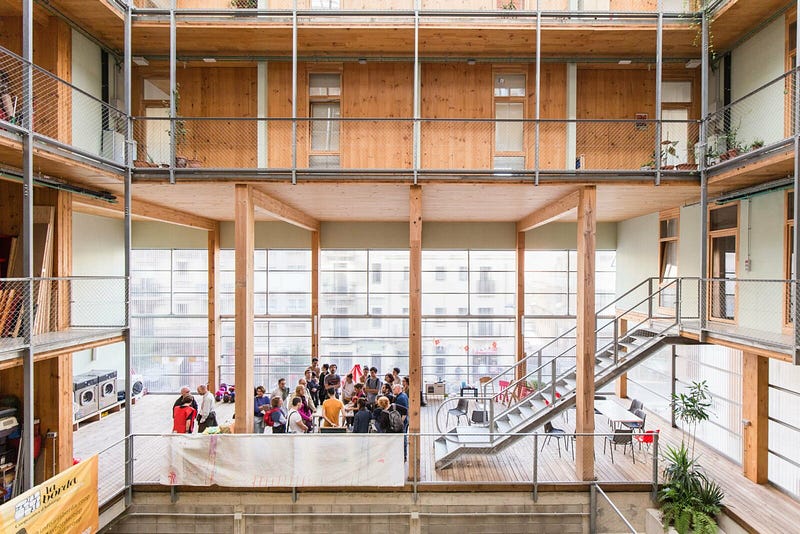
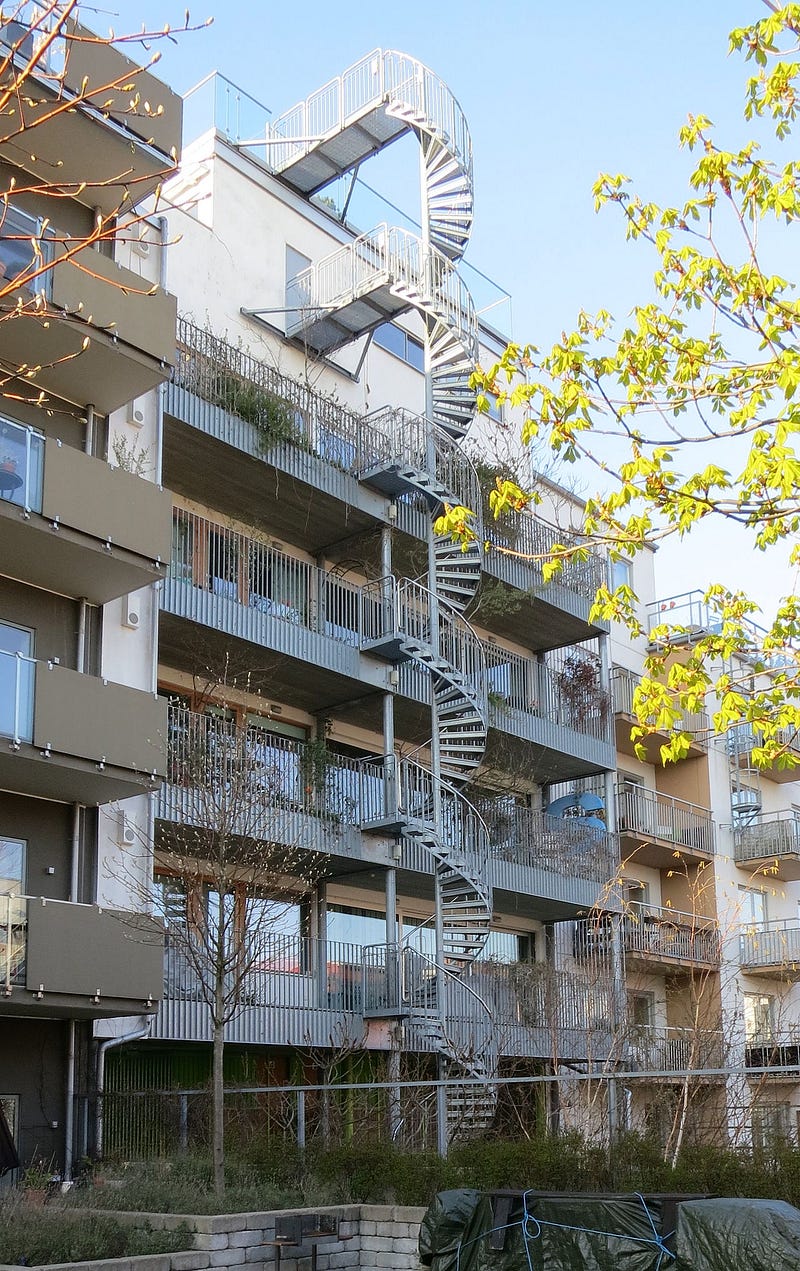
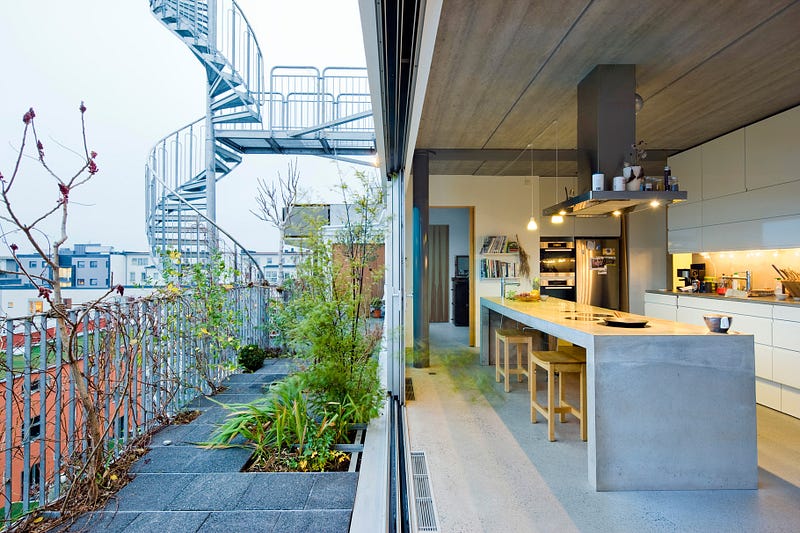
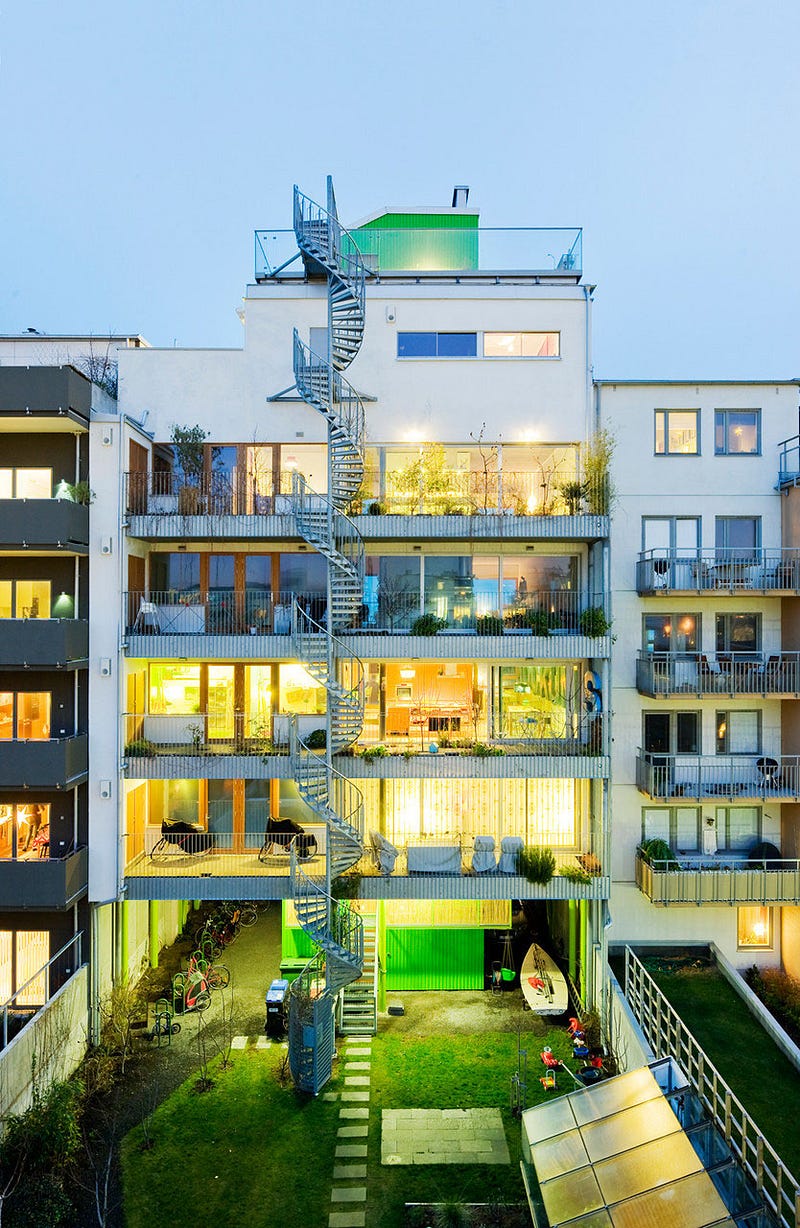
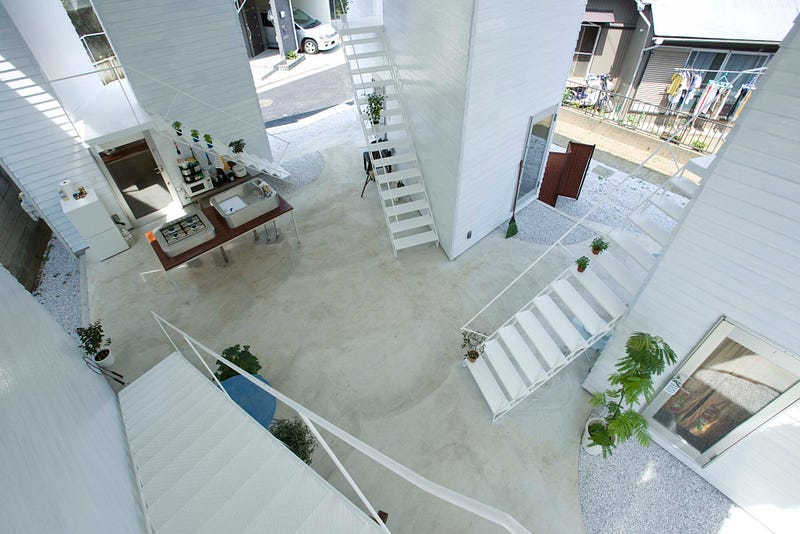
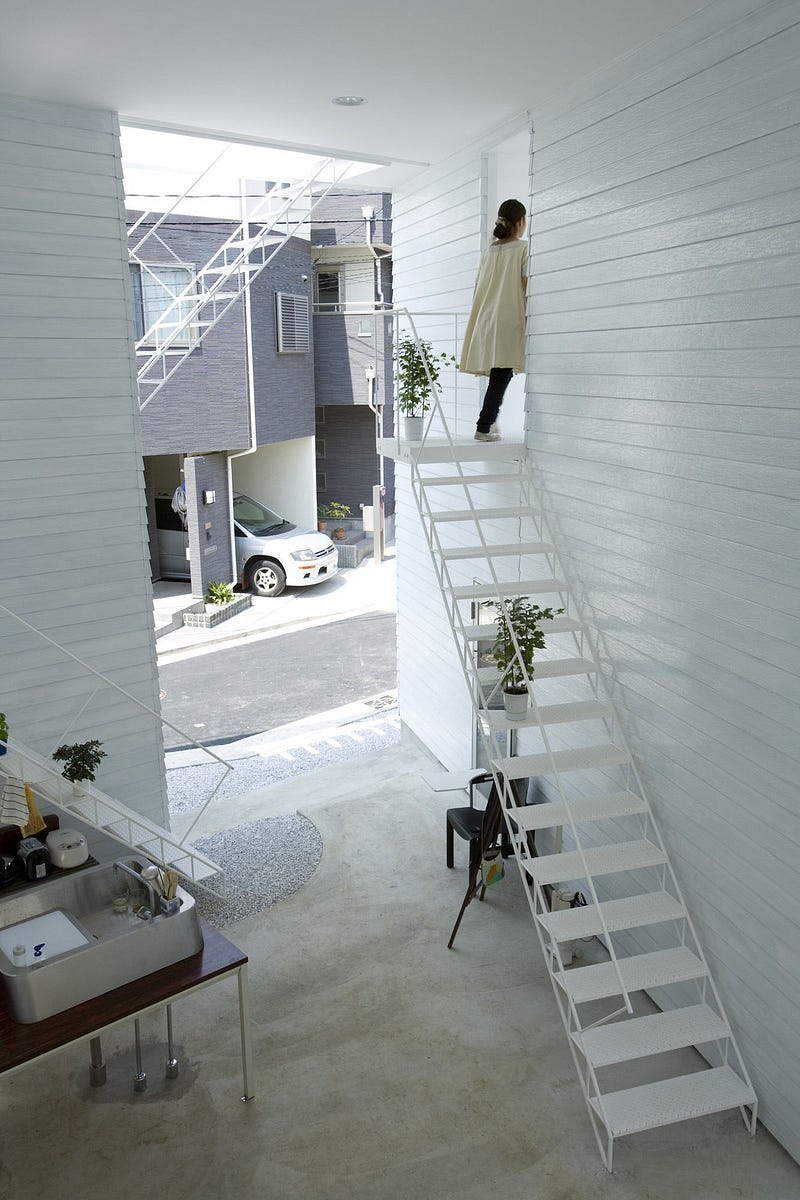
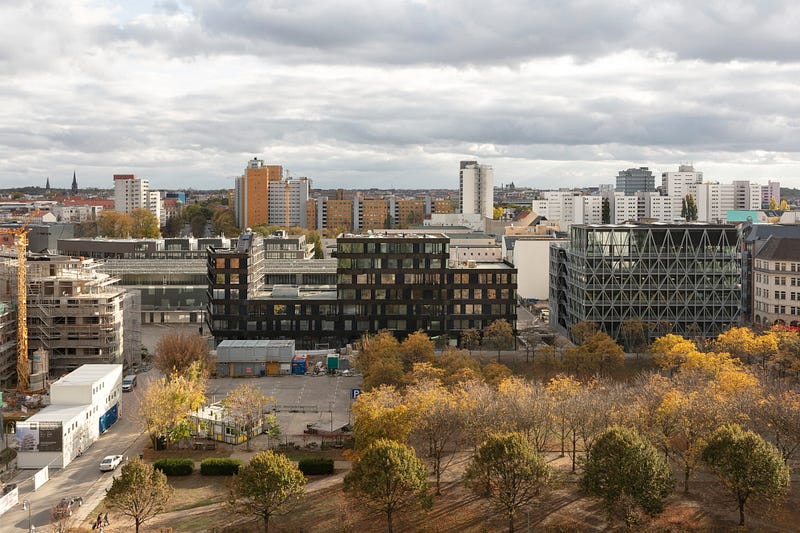
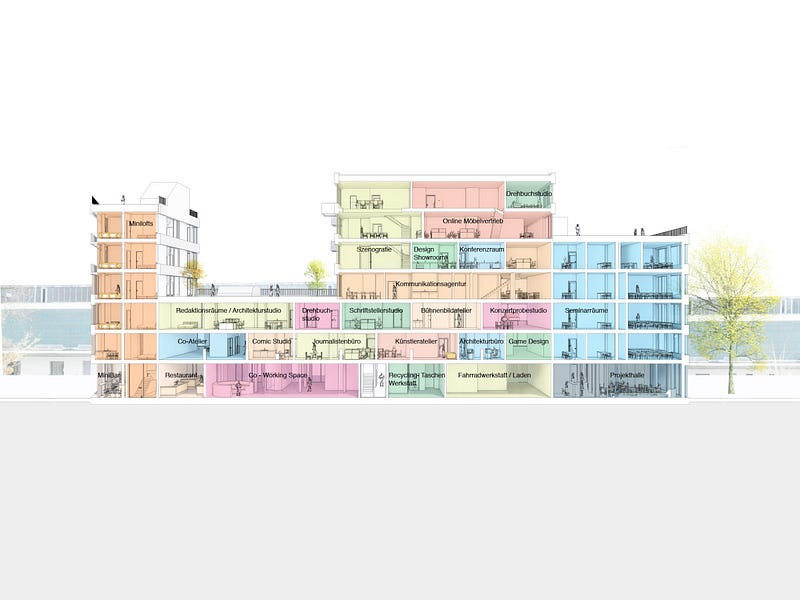
But just as Vienna ‘owns’ equitable social housing at scale, over the last few decades, Zürich has particularly demonstrated how cooperative blocks (like Baugemeinschaft/baugruppen in other German-speaking cities) can work to diversify the living environments of a city, providing a brake against unaffordable housing dynamics.
That these progressive projects happen here is interesting not least because Zürich and Vienna are relatively risk-averse cities. Zürich is not exactly a city of hippies, despite the occasional radical tinge here and there. Nor is Vienna. Despite being dubbed Red Vienna between 1918 and 1934, the period in which the Social Democrats started their housing programme, anyone who thinks the city is populated by communists has clearly never been there. Yet Vienna finds a way to sustainably spend more on housing than all of Germany put together. This is partly achieved by simply reframing what other cities see as cost into investment—a simple flick of the wrist in Excel, from one column to another. In terms of character, Zürich and Vienna would generally be described as being amongst the most fiscally-conservative in Europe. If it can happen here, it can happen elsewhere.
Andreas Hofer’s history of the Zürich movement notes the importance of Ursula Koch’s administration of the building department from the mid-1980s, and her infamous statement that “Zurich has been built”, indicating an early understanding of this shift towards retrofit and repair.
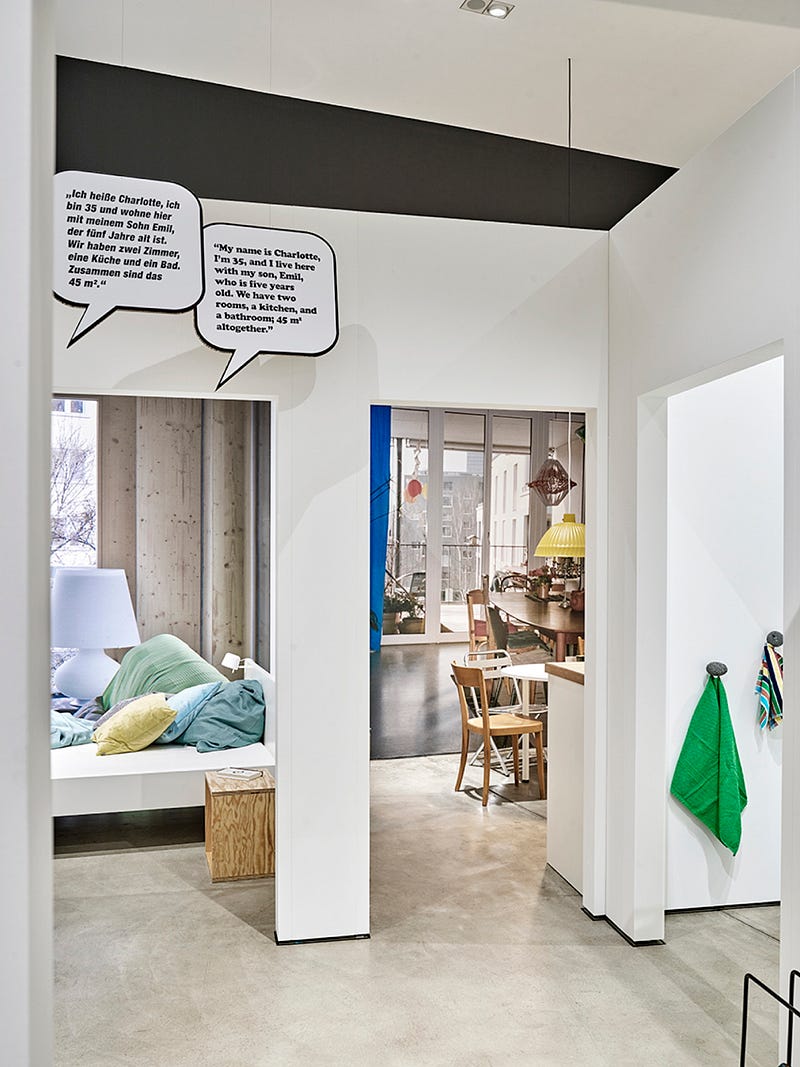
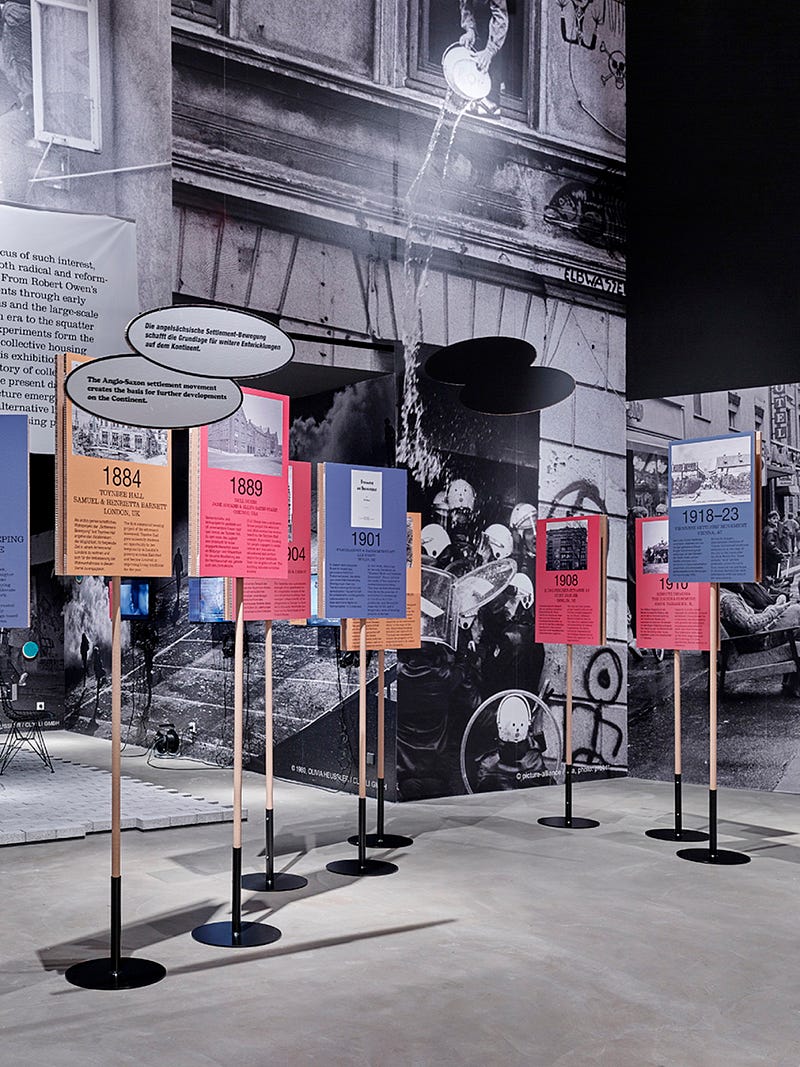
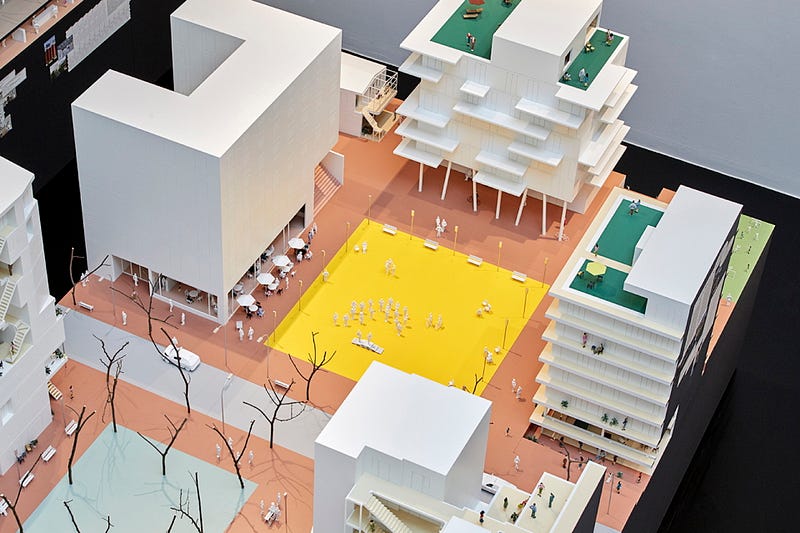
Hofer further describes the importance of participation, exemplifying the genuine ownership and responsibility that cooperatives imply. This is not simply participation as “the unweighted sum of individual interests” as he puts it, but as a more complex process, “removed from particularist interests”. (Interestingly, this sensibility has echoes Pankaj Mishra’s understanding of East Asian and German social states: “They share the assumption that genuine public interest is different from the mere aggregation of private interests.”)
For Hofer, these processes mean talking collectively of the city, recognising that shared elements of the block are only “feasible if they were integrated intelligently into the broader context (of the district.)” Finally, he stresses the quite different growth dynamic that these buildings create, describing an “economy in the original sense of the word: housekeeping. This includes the circumspect, expedient use of material and immaterial resources, energy, and involvement.”
“Professionals are against participation because it destroys the arcane privileges of specialisation, unveils the professional secret, strips bare incompetence, multiplies responsibilities and converts them from the private into the social. Academic communities are against it because participation nullifies all the schemes on which teaching and research are based.”—Giancarlo De Carlo, ‘An Architecture of Participation’, Perspecta 17 (1980)
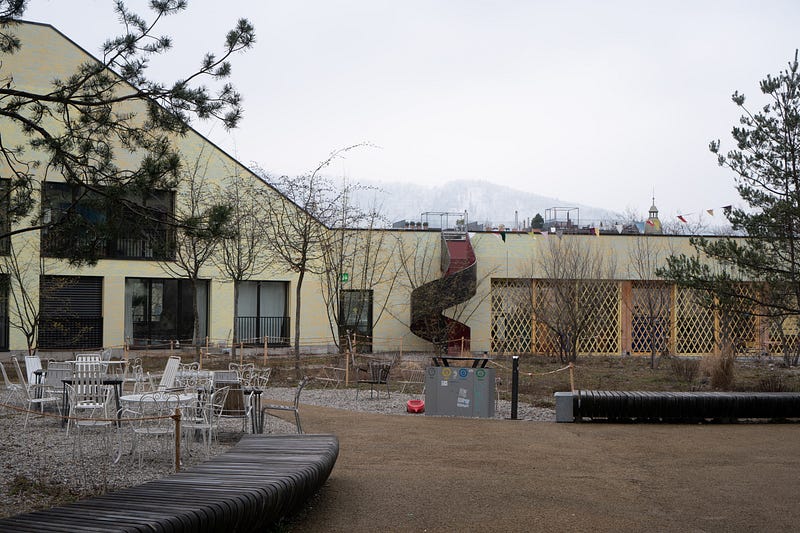
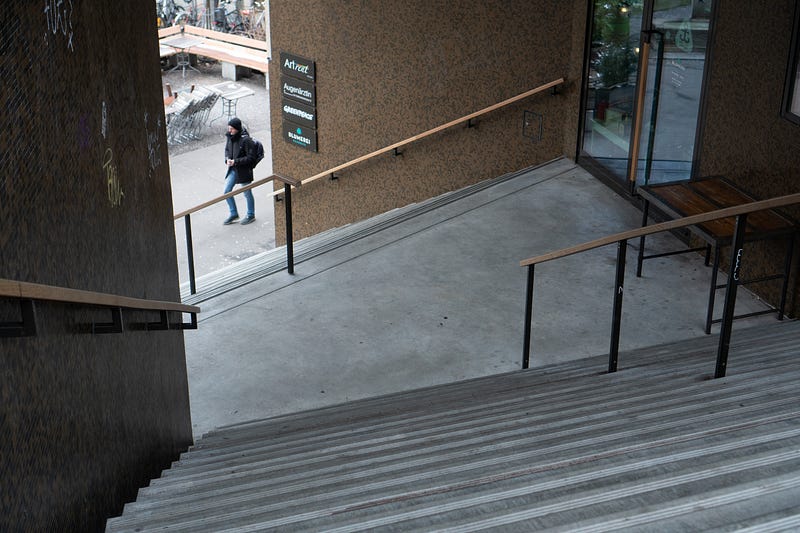
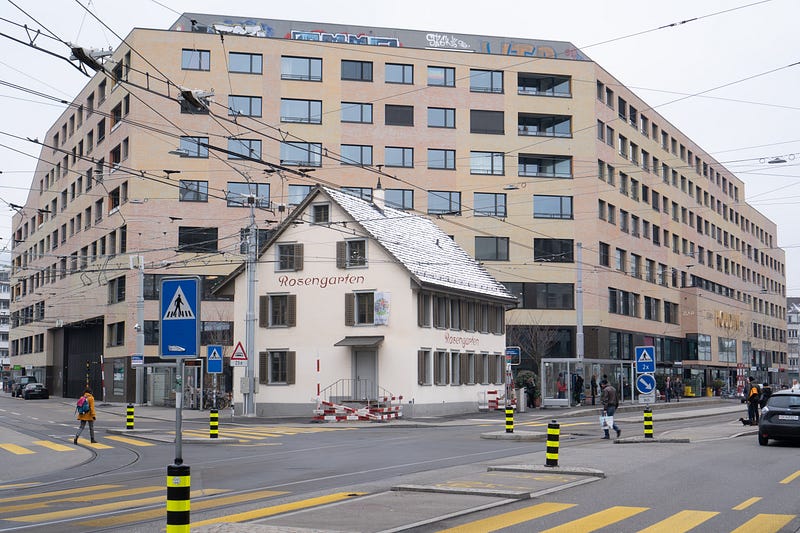
Such buildings can be of significant scale, such as Kalkbreite in Zürich, where that dynamic is effectively suturing a neighbourhood back together, over a messy junction otherwise dominated by a large tram garage. Given the mixed-use and open-access nature of the block, these are urban repair strategies, in multiple ways.
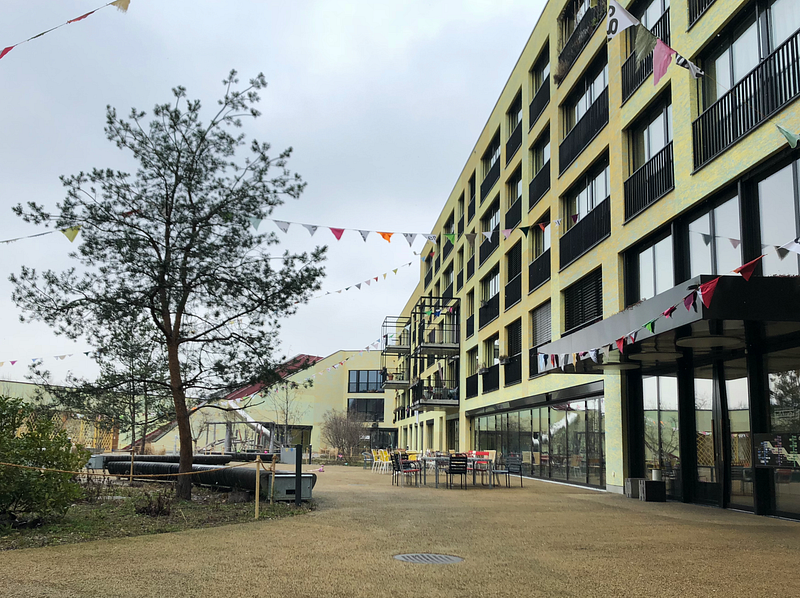
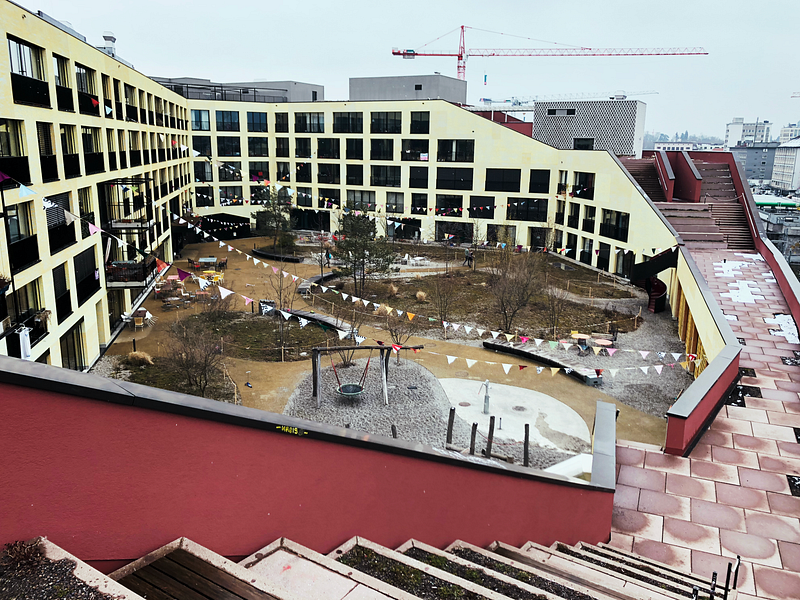
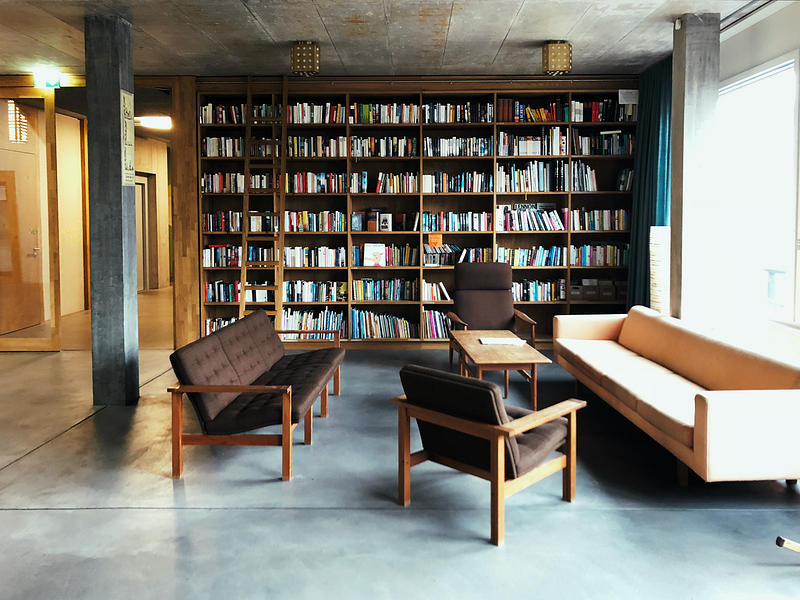
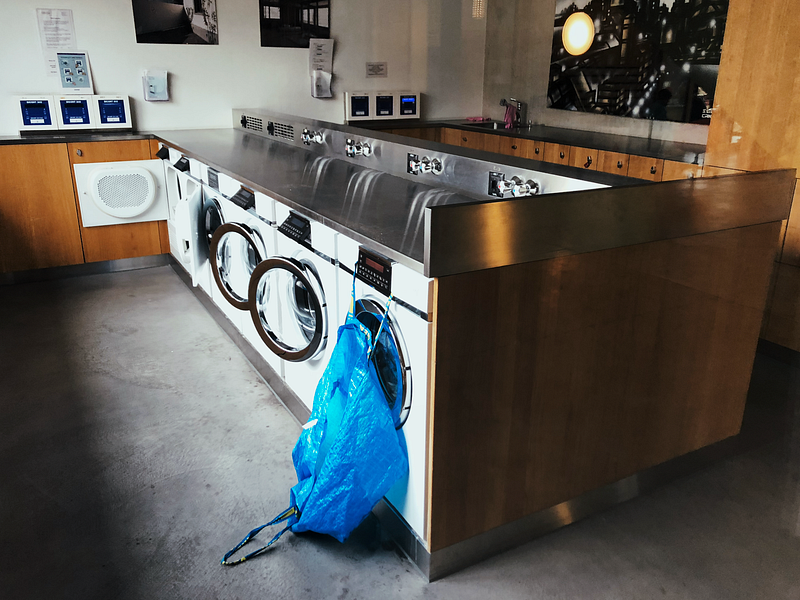
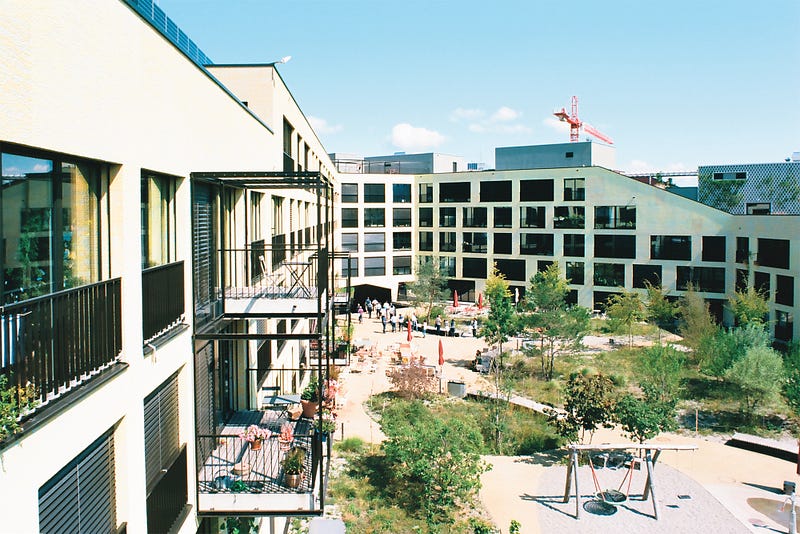
Mer als Wohnen/More than Housing demonstrates the development at even greater scale: 50 different cooperatives collaborating to produce 13 buildings with nearly 400 housing units, 35 retail units and large shared community spaces and everyday infrastructure (kindergarten, day care centres, shared mobility and energy etc.).
Alexis Kalagas has a particularly good overview in Assemble Papers, where he also notes the importance of the 2011 referendum in Zürich, where citizens voted in favour of one third of the city’s housing stock being in cooperative mode. Interestingly, in a national referendum on 9 February 2020, before the teeth of the virus really dug deep, Swiss voters rejected a people’s initiative for more affordable housing. The votes were approximately 43% for, 57% against the proposal; though in cities like Geneva and Basel, where housing had begun to be unaffordable, the proposal was very popular.)
Ed. I’ve written much about the value of this model before, particularly in Battle for the Infrastructure for Everyday Life and The social and the democratic, in the social democratic European city.“Baugruppen unlocks a diversity in design by — get this — building with citizens, and moreover with citizens whose level of engagement and motivation is without parallel, via their direct vested interest. It’s also much cheaper, but just as importantly, it enables an increasingly fluid, practical and sensitive use of space in housing, by starting design with the specific needs and desires of particular people — in fact, perhaps more so than any other form of human-centred design. These are persons not personas. As a result, these structures are not simply hoisted up on blunt binary oppositions of private and public, or buy or rent, or single or family, or one- or three-bedroom apartment. Instead, they encompass almost limitless possibility, articulated through a use of space that shapes and defines through supporting and prompting particular living conditions, that balances suitable complexity with intrinsic accessibility, whilst also affording adaptability over time.”—The social and the democratic, in the social democratic European city, May 2016
Slow and scale
A typical critique is that all this engagement—you can almost hear the derisory sneer from property developers and politicians of a certain hue—makes them slow to develop. That underhand diminishing of engagement was always a fatuous critique—who are houses built for, after all? Now, that slowness may come into its own. In an age of Slowdown we can make the case for genuinely valuing care, multiple forms of output, and forms of organic growth that produce richer results over the longer term—as opposed to ‘get rich quick, and chuck the externalities elsewhere’.
“In reality, architecture has become too important to be left to architects. A real metamorphosis is necessary to develop new characteristics in the practice of architecture and new behavious patterns in its authors: therefore all barriers between builders and users must be abolished, so that building and using become two different parts of the same planning process.” —Giancarlo De Carlo, ‘Architecture’s Public’, in Architecture and Participation, ed. by Peter Blundell Jones, Doina Petrescu and Jeremy Till (2007)
As well as speed, another typical critique is whether these models can scale. There are of course many ways of thinking about scaling
This seems a little odd, given the vast numbers of cooperative-or-equivalent buildings, from Vienna’s limited profit housing association (LHPA) through to community land trusts through to German Baugruppen, Genossenschaften, or GbR variants—and a longer history of housing proving that the much greater capabilities of public sector building programmes has always out-produced private sector (whether early 20th century Vienna, 1960s London, mid-1970s Sweden, or contemporary Singapore.)
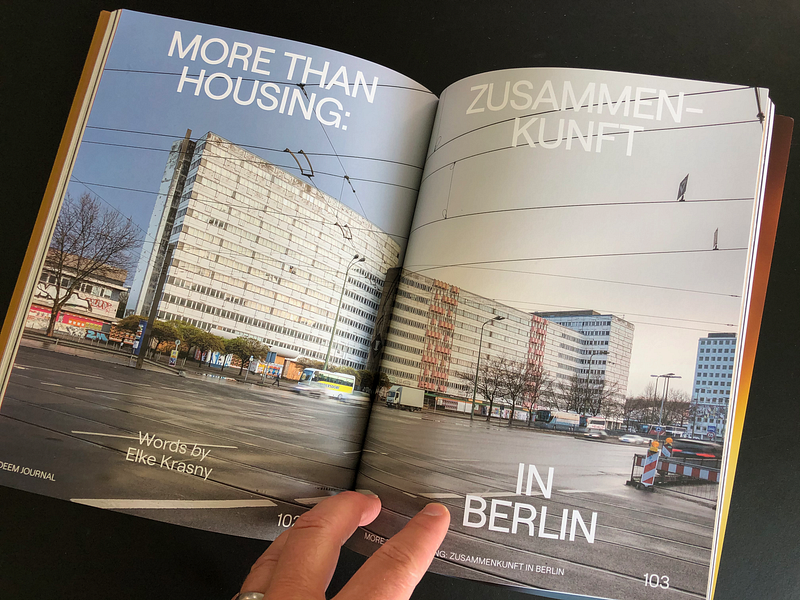
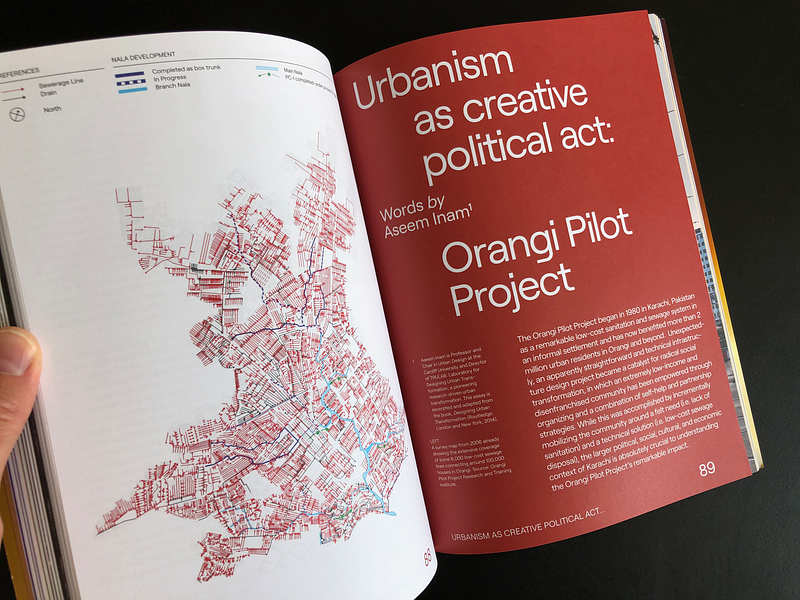
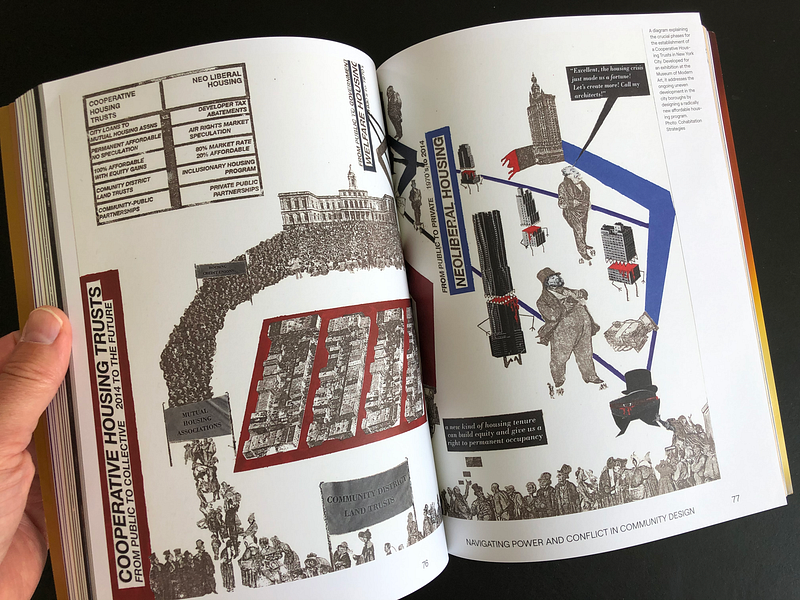
Samuel Holleran writes an excellent overview of housing in Berlin and Vienna Deem journal, yet concludes “Cooperative housing models can certainly be tweaked and reproduced outside of the European context, but it’s not entirely clear that they can scale.” So the real question is how to shift Anglo-American cultures, in UK, USA, Ireland, Australia etc, where home-ownership models defined housing in the last kick of the Acceleration-era. In that latter mode, scale and speed were relevant dynamics, even at the cost of inducing vast private debt and inequity, in recent decades. This need not be the case in the Slowdown-era, as population growth slows and existing housing markets can be reallocated towards retrofits, merely by a shift in mental models.
Such a shift does not seem simple at all at this point, particularly given the path dependencies of recent decades acting as blinkers on our short memories, but it may seem increasingly obvious to do so. Donella Meadows suggests the form of struggle involved:
“All it takes is a click in the mind, a falling of scales from eyes, a new way of seeing. Whole societies are another matter — they resist challenges to their paradigm harder than they resist anything else. So how do you change paradigms? Thomas Kuhn, who wrote the seminal book about the great paradigm shifts of science, has a lot to say about that. In a nutshell, you keep pointing at the anomalies and failures in the old paradigm, you keep speaking louder and with assurance from the new one, you insert people with the new paradigm in places of public visibility and power. You don’t waste time with reactionaries; rather you work with active change agents and with the vast middle ground of people who are open-minded.”—Donella Meadows, Leverage Points
Not all ‘old paradigms’ host reactionaries, however. Reading Holleran’s article about one such ‘old paradigm’, one is still struck by the ambition of the Viennese approach. The municipality’s “housing machine” even owned its own brickworks at one point. It has evolved to become the largest municipal property management service in Europe.
There’s a further excellent overview at Municipal Dreams, which quotes housing spokesperson Christiane Daxböck: “Vienna has always said that it doesn’t want ghettos. Today, there is not one area where you wouldn’t dare to go. There’s a social balance throughout the districts, and a high quality of life, peace and security. The reason for that is mostly found in social housing.” (emphasis added)
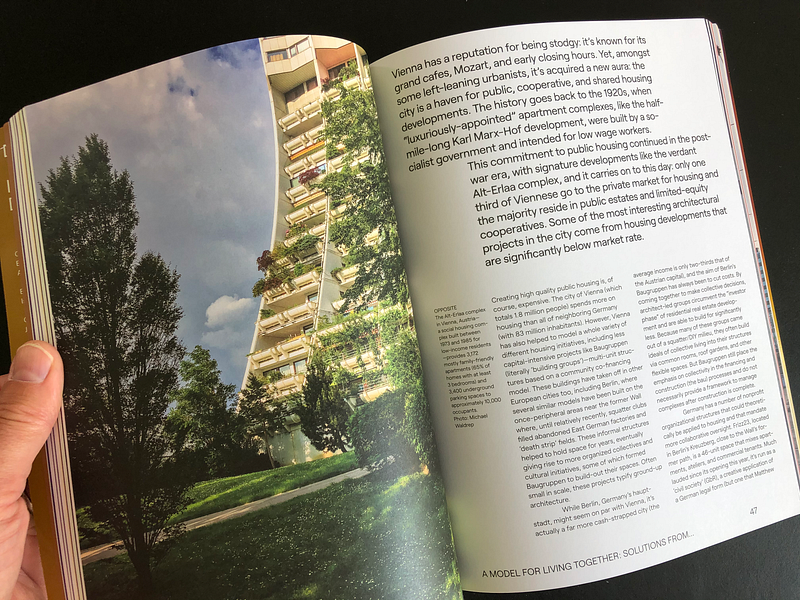
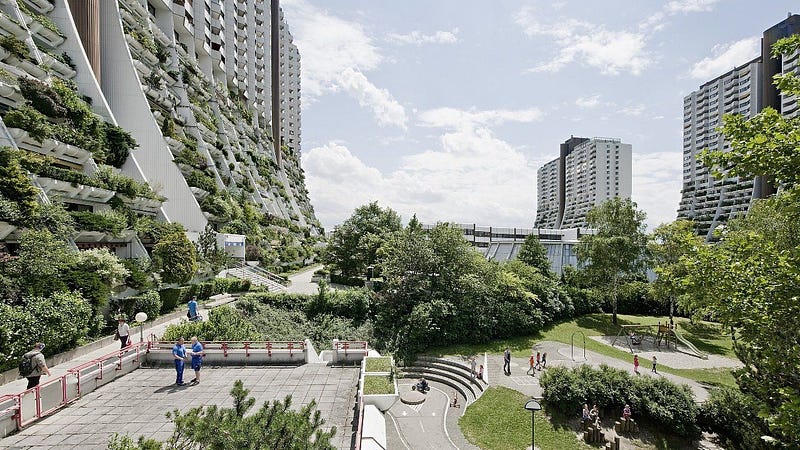
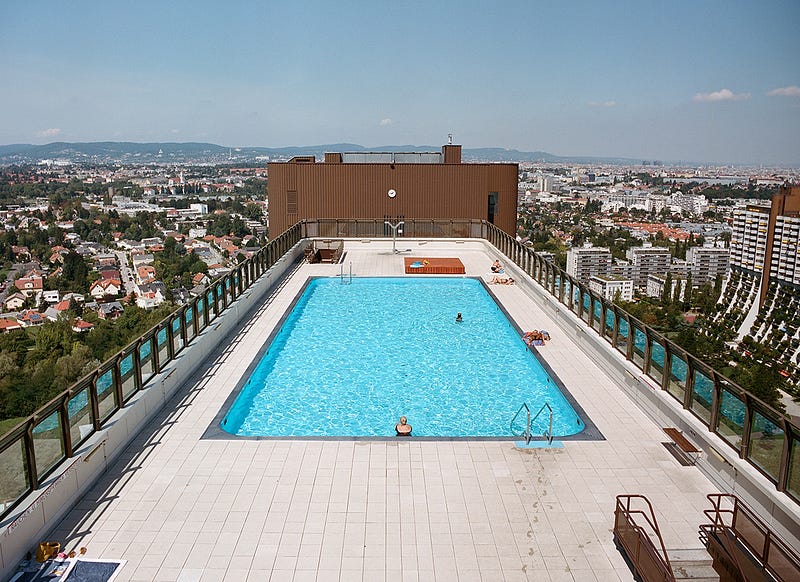
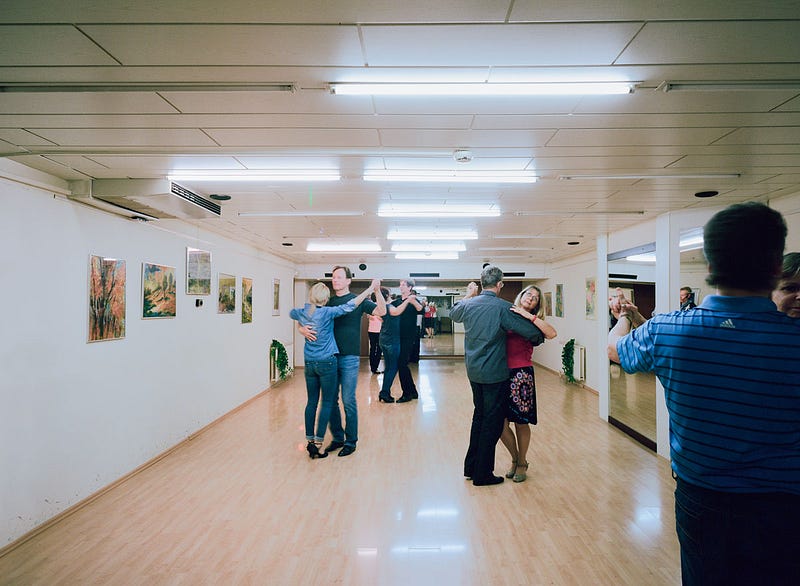
In other countries, the absence of the qualities Daxböck describes would be blamed on social housing, indicating how such perspectives are simply ways of seeing rather than natural laws, as Meadows suggests. Alt-Erlaa (below) is incredibly successful housing, by almost any measure—and it is social housing. Its balance of complex mixed-use social and cultural amenities, vibrant biodiversity, committed maintenance, and diverse ownership are perhaps key elements for care-ful blocks. Yet it is precisely these features that are ‘value engineered’ out of housing projects in other contexts, including elsewhere in Europe, where they are seen as costs that cannot be recouped, rather than investments in ongoing value creation.
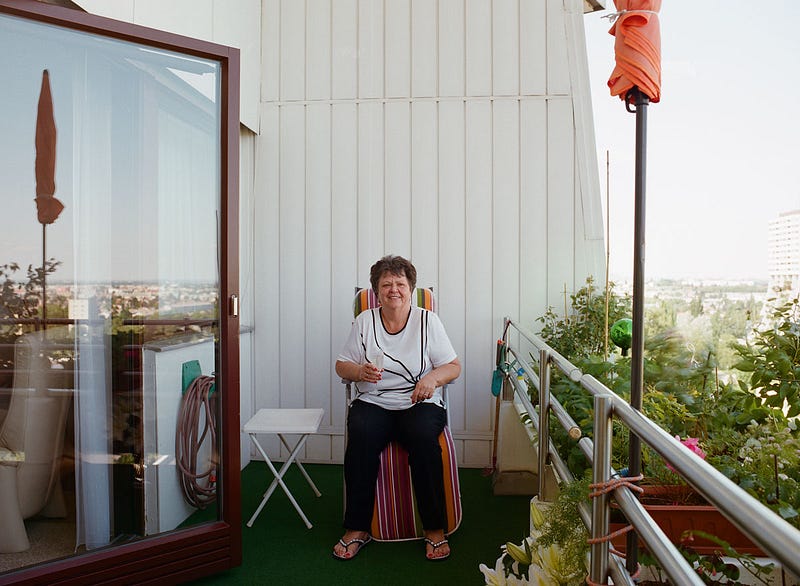
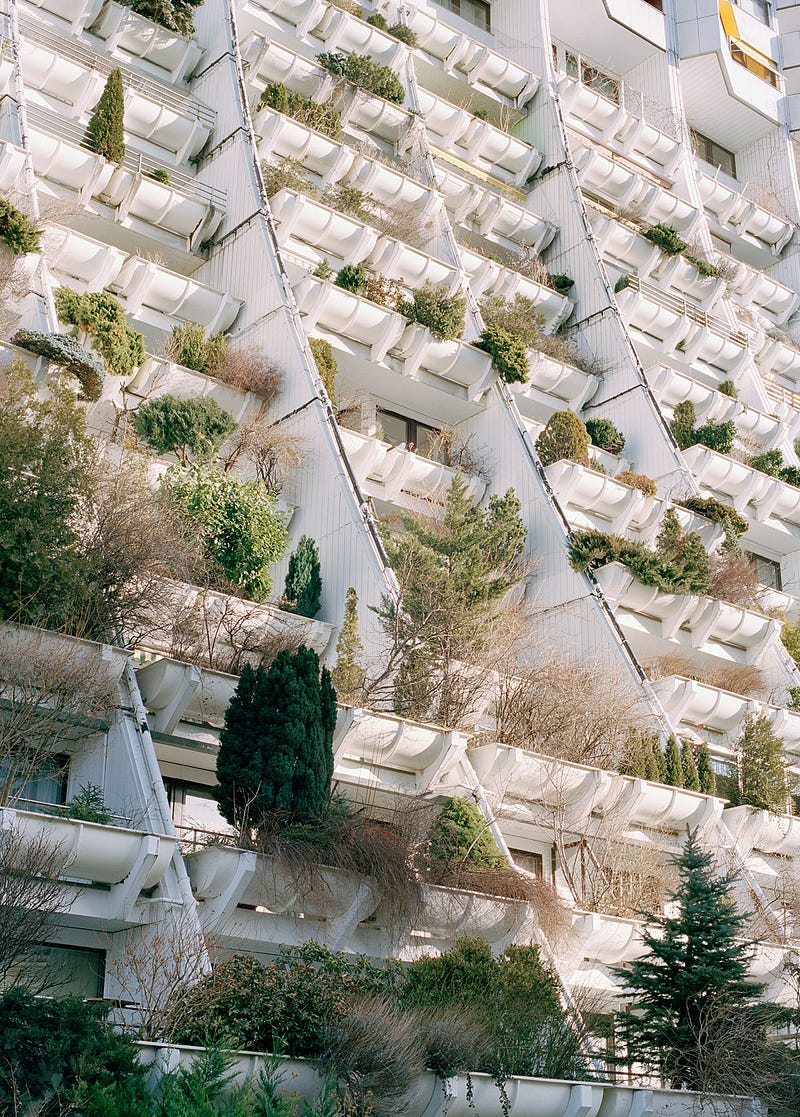
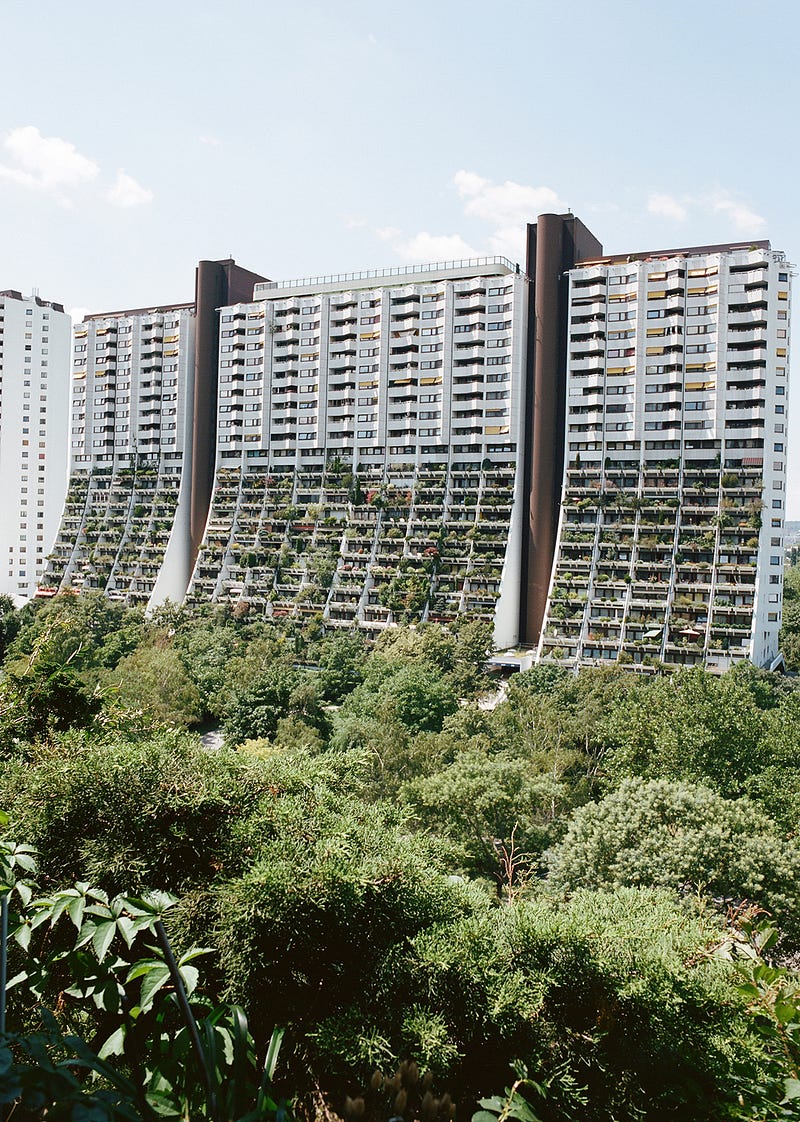
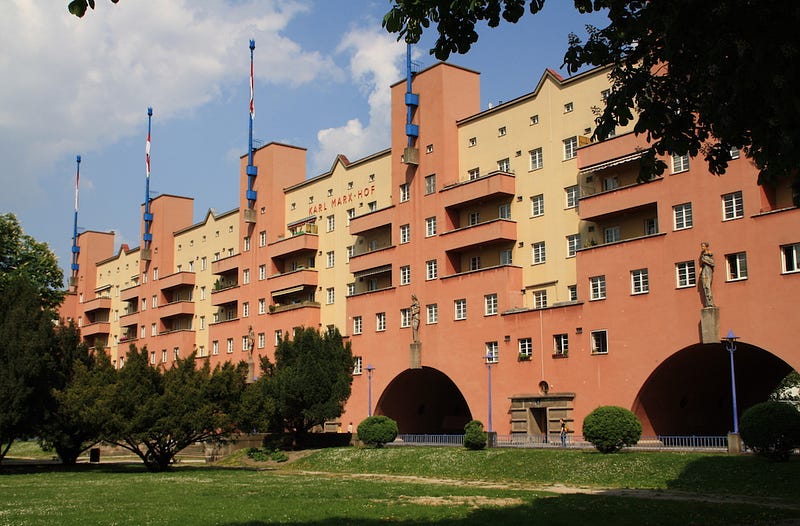
Learning from Vienna’s early 20th century, when the foundations were laid and built for their housing, Holleran points out the perhaps ‘inconvenient truth’ “that many are uncomfortable with: providing high quality and stable housing for all involves more than new financing techniques: it likely requires a decommodification of the housing market, large-scale building, and the appropriation of wealth from what we now call the ‘One Percent’.”
Yet it strikes me that “many” are increasingly comfortable with shifting wealth from the latter, given half the chance; that large-scale retrofits and adaptation can be the focus over large-scale building; and that the Slowdown’s destabilisation of property-as-investment could precipitate precisely the decommodification Holleran describes. The pandemic has shifted mental models here. Not fully, of course; events do not change things so straightforwardly, tending to move with lumpy, messy history. Yet, at the time of writing, were different models clearly articulated now, there may be many more takers than was previously assumed.
For the alternative is the fix that the UK has got itself into. Once capable of building housing of high quality, at scale, it is now producing housing of consistently low quality, at scale. UCL’s Bartlett School of Planning recently conducted an audit of over 140 housing developments built across England since 2007, and found them to be “overwhelmingly mediocre or poor”.
“Less affluent communities are ten times more likely to get worse design, even though better design is affordable; Low-scoring housing developments scored especially badly in terms of character and sense of place, with architecture that does not respond to the context in which it is located; The worst reported aspects of design include developments dominated by access roads and the poor integration of storage, bins and car parking, leading to unattractive and unfriendly environments with likely negative health and social implications”—’New housing design in England overwhelmingly ‘mediocre’ or ‘poor’’, UCL News, 21 January 2020
It’s not easy to read that, following the images of Vienna’s Alt-Erlaa, above. (For the Department of Dreams event in June 2020, Alastair Parvin wrote a wonderful essay on the centuries-old politics of land value underpinning the sorry story of British housing policy and practice.)
But here comes the Black Swan-ish variable of the virus once again, and the many crises it has precipitated, not least in the over-capitalised real estate sector, and within the fever dreams of city treasurers, suddenly desperate for alternative models. Kalagas interviewed Hofer about the Zürich co-op culture in 2018, who ends by noting, perhaps with some prescience, or just experience of previous crises, that the opportunity for cooperative and public housing rises under certain conditions:
“The housing market is inherently conservative and influenced by strong political lobbies. So a financial crisis, a social crisis — these can trigger a crucial moment of reflection. It is possible to change the system through reason, but humans often need a deep crisis to get reasonable.”—Andreas Hofer, interviewed by Alexis Kalagas for ‘Co-op City: Zürich’s experiment with non-profit housing’, Assemble Papers, 2018
Well, here we are. Perhaps.
Elsewhere in Deem, Hilary Malson describes the inspirational gentrification-blocking moves of Cooperation Jackson, who use the community land trust model “aiming to preemptively protect poor Black residents from removal and charter a democratic path to development without displacement by taking land off the speculative market and holding it in trust.” Jackson is one of the poorest metropolitan cities in the United States, in the poorest state, and yet as Malson points out, the city is beginning to see gentrification patterns in certain areas, leading to a displacement of poor people of colour, in a state with little legal protection for tenants. In the context of the Deep South, rather than those rather more amenable Mitteleuropean cities, Cooperation Jackson is particularly impressive work.
The cooperative model, and its many positive mutations, rebalances housing and living environments away the otherwise extractive modes typical of urban regeneration-led property development models, producing instead a diverse array of housing, infrastructure, amenity, environment. By virtue of designing with real people and their desires, they tend to be set within appropriately complex semi-public environments, emphasising sustainable biodiverse settings. By shifting the mental model of financing, of the purpose of housing—something that the public sector can also do, of course, noting Vienna above—cooperatives unlock urban spaces that were not previously accessible. By building with people, it can perform an alchemy of making the undesirable space desirable—and in the face of gentrification, they can make desirable space equitable.
There are huge questions to resolve within this, but interestingly they are rarely technical—in the traditional understanding—but instead concern our models, our approaches, our sensibilities, our values.
These issues can sometimes be more obviously visible in shared infrastructures. In that same 2018 issue of Assemble Papers, I was also interviewed, by then-editor Jana Perkovic, who closed with the (big) question, ‘What is the next challenge in urbanism?’. My somewhat off-the-cuff answer (though drawing on ‘Networked Urbanism’ and Grid/Non-Grid) was apparently this:
“The balancing act between the 20th-century systems and the 21st-century systems. Shared mobility. Microgrids and nanogrids, super-local renewables, storing and sharing energy locally. Baugruppen and co-housing. All these, I’d argue, are networked urbanism, organised on different principles to the 20th-century model, which also has virtues when done well, because it can handle the baseload of a four-million-person city like Melbourne. You will probably need a city-wide grid, but with microgrids in between, just like we need professional buildings, and then Segal Method or Wikihouse at the smaller scale. How do we design, own and govern that? New models enable a potent question of co-ownership of infrastructure, housing and energy. You could have development without property developers, energy without energy oligopolies, with energy co-ops instead. Does that create a sense of civics? It might not. It might create a sense of withdrawing into my own energy co-op bubble. How do we not withdraw into these individualised systems that network structures can enable? The balancing act is the biggest question we have.”—‘Dan Hill: Tactile Cities’, Assemble Papers, 2018
In that, I’m trying to foreground the less obvious political questions to resolve. How do cooperatives not become gated communities? How do they retain diversity? How do we balance between the individual, social, and institutional? These issues do not concern technologies as such, although the possibilities are changed by technology. But they concern how we build shared civic sensibilities and shared systems for the infrastructures of everyday life, and see the possibility of cooperatives, ‘participatives’, ‘collaboratives’.
Assemble Papers is based in Melbourne (and is produced by a developer with its own forward-thinking housing model), and the city has a very well-known and very successful recent example of new housing models. Nightingale is not formally a cooperative model, but has many of the trappings of slowdown dynamics: super-local resilient and sustainable infrastructure, rich biodiversity threaded through the building, highly engaged communities working in care-ful mode, and the buildings themselves artfully and sympathetically fusing across the gaps in existing neighbourhoods.
“The communal spaces encourage you to interact with your neighbours. We garden together, we make building improvements together, we go out together, we make dinner for one another … I have lived in multi-residential buildings before and not known a soul … but here we have created genuine friendships”.—Nightingale resident
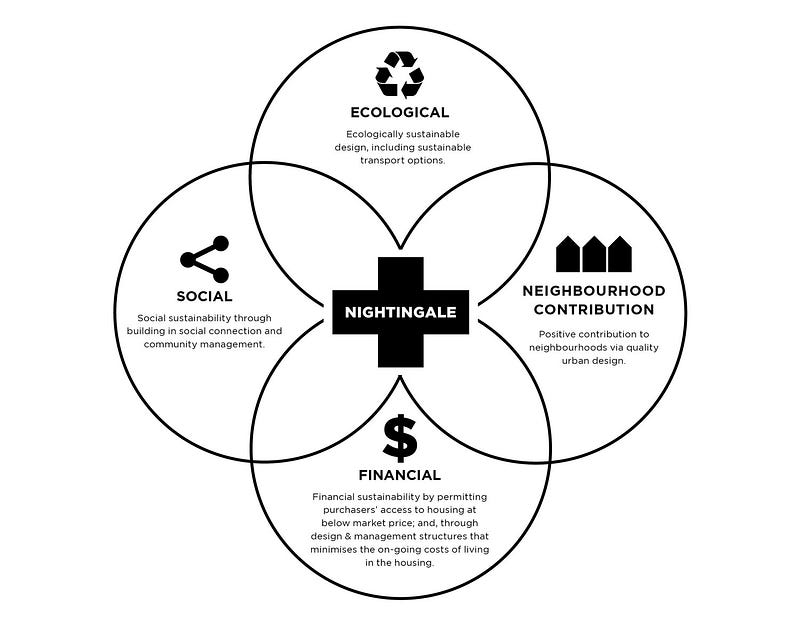
In rejecting the ‘property as investment’ dynamics of the Acceleration, it epitomises housing as a place to live instead. This is hardly a radical idea, but one barely incentivised at all in that previous age. (Watch Nightingale co-founder Jeremy McLeod of Breathe Architecture’s lecture at the SLQ on all this, from a few years ago.)
So these places require work. They are not the easy way out. The way they are constructed, organisationally as well as physically, necessitates care and repair, adaptation and participation. This may be hugely rewarding, across multiple forms of value, but it requires time, as well as effort and intellect. This may only be broadly possible in a surrounding economic context that affords that time to us, primed by a different dynamic to that of the last few decades. In Deem, Holleran writes of the Zürich and Berlin coops, that they are “the result of intense movements built on collectivity and consensus-building and, as a result, they require a high degree of trust and social cohesion, two qualities that are in short supply in countries experiencing increasing political polarization.”
Yet what we if we took the technical ability to build such projects as a way of building trust and social cohesion? Rather than seeing them as necessary pre-cooked ingredients, and therefore blockers, we may need to create opportunities which necessarily require these qualities to be grown and nurtured. In the Slowdown, with a different engine under a different economy—and thus a different focus for time and energy, foregrounding social progress over narrow economic progress—can we use buildings to build trust, rather than requiring trust to make buildings?
Richard Sennett suggests that it is directly our approach to building (amongst other things of course) that is negating our capability for a different form of growth:
“(It is) today’s ways of building cities — segregating functions, homogenising population, pre-empting through zoning and regulation of the meaning of place — (that) fail to provide communities the time and space needed for growth.”—Richard Sennett, The Open City (2006)
The way we build cities currently prevents the growth of communities over economies, partly through denying the necessary time and space to do so. Reading Dorling, it seems possible that the Slowdown could at least offer precisely this form of time, just as the Lockdown has raised the profile of different economic models that seemed entirely radical previously. These include shortening the working week, job guarantees, some form of universal basic income (or better, universal basic infrastructures), and so on. In the early stages of the virus, even the Financial Times editorial board grudgingly noted that “policies until recently considered eccentric, such as basic income and wealth taxes, will have to be in the mix.”
Although the opportunity has to be grasped, enacting such policies could generate the different sense of time, as well as rewarding the commitment, required to make existing buildings and neighbourhoods work.
After all, “Zürich has been built.” This does not mean that Zürich is done, however. It means a switch of focus from the traditional understanding of economic drive, with its numerous and various forms of debt required to build all those blocks and roads, heavy infrastructures and buildings, and instead a move towards the social progress, justice, cohesion and resilience required of our lives now, in this next mode.
Nor does that statement imply that other places simply have to ‘catch up’ with Zürich, recalling Fukuyama’s distracting ‘Getting to Denmark’ line, an ultimately facile goal. Denmark is a good goal for Denmark (and even that is contingent on which of the many versions of Denmark one has in mind.)
Nor should the Zürich statement fail to recognise that there are places that do need to build core infrastructures and buildings, the heavier slower layers that can support, nurture, and contextualise their faster moving layers of culture and politics. In particular, if you don’t have the urban ‘table stakes’ of networks of everyday hard infrastructures like subway systems and other public transport, shared utilities and energy systems, coherent broadband, alongside social infrastructure like schools, libraries, museums, playgrounds, pools, and so on, those things still have to be built. And those table stakes also include soft infrastructures of education, super-local healthcare, social services and community support, and so on. You can further set the bar at those high-functioning cases like Vienna, where the “skilful state intervention (that) can contribute to a better functioning of the overall market, (via) a long-term perspective and a political commitment to housing policy as a means to promote social policy goals rather than to correct temporary market imbalances.” (Susanne Marquardt and Daniel Glaser, 2020)
Yet these projects, and their new dynamics, are also the opportunity to build these everyday infrastructures in a more lightweight, distributed, tuned, shared, politically-committed, and adaptive way. This is what I would call a small pieces, loosely joined approach, as we’ll see. Their absence is not a barrier to entry, stymieing many cities at square one, but a new starting point. As Meadows said, all it takes is “a click in the mind”—or rather, a click on the Close Window button of generic_city_budget.xls—and then some hard work.
A strong dose of humility, learning and engagement is also required, as opposed to trying to airdrop fire-and-forget copy-paste models and processes from elsewhere. The production of code, in the sense of dark matter as a design material as per the co-ops above, enables a form of scaling and communicating nonetheless, inwards and outwards. Yet it also fundamentally draws from the way that code can be locally interpreted, adapted, and recombined and rewritten, rather than simply ‘observed’ and submitted to.
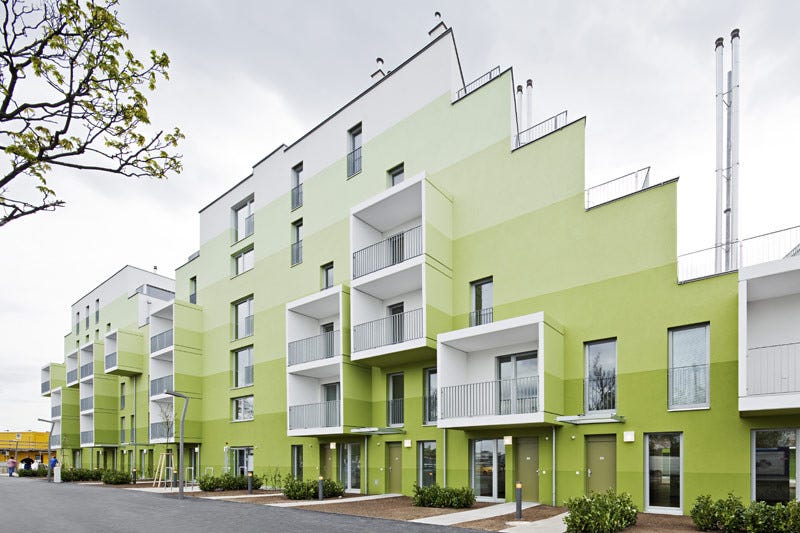
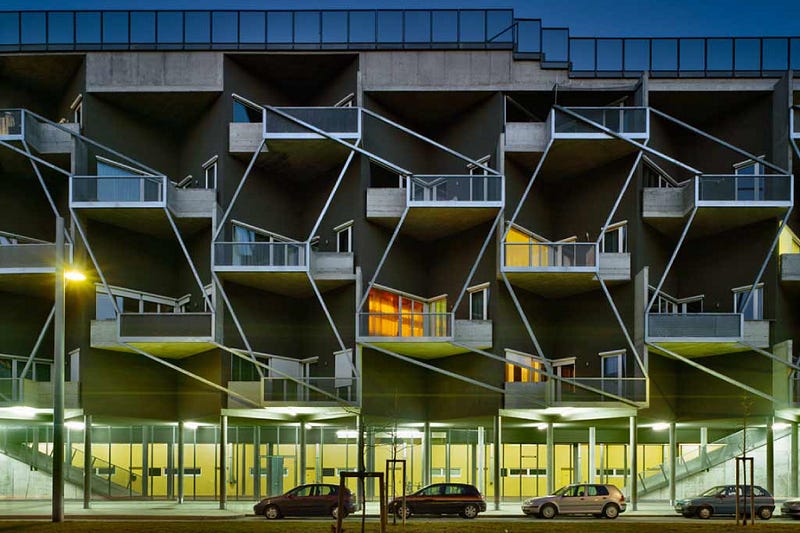
We must see that many places also have an opportunity to sidestep the obvious cul-de-sacs that Western cities have often ended up in. Learning from elsewhere, sure, but building in a sense of local adaptation, such that the curves beyond the curve are recognised directly. Deliberately constructing with a need for adaptation—as opposed to the usual dynamic of projects, which look to reduce maintenance and ongoing collaboration—requires a constant engagement from people with place. This can only be reasonably done by locals themselves, albeit primed with insight, ideas, and facilitation from outside. In this way, we can adapt early, adapt often, adapt forever.
In his book This Life, the philosopher Martin Hägglund writes of being able to pursue meaning through our activities, having the wherewithal and agency, but also literally the time and space to do so. Yet he suggests that this is rarely the case:
“Instead of being free to engage the question of what makes our life worth living — the question of what we ought to do with our time — our lives are mortgaged to a form of labor that is required for our survival.”—Martin Hägglund, This Life (2019)
It is perhaps ironic that he uses the verb ‘mortgaged’ as an analogy. Models like cooperative housing can transform these fundamental relationships, including the essence of what a mortgage means in reality. In doing so, they integrate activities that make “life worth living”, whether the intense collective participation during the design phase, or the ongoing tending to the building’s adaptation, as if a garden, or actively engaging in the ongoing evolution of its community. As a result, they describe a different form of resilience, a different approach to building value, through embedding care into the design process, and the object of design — whether the community, the environment, or the building.
IKEA’s research and design lab SPACE10 recently explicitly addressed this concept of care in design, on the back of their own contribution to the cooperative-style block development, the Urban Village. (IKEA’s own internal ‘Future Living’ lab function has other concepts in development, working with Danish architects Cobe, which flips the company’s traditional interior focus inside-out, based on research indicating that their customers increasingly perceive the concept of home at the scale of block or neighbourhood, rather than simply house.)
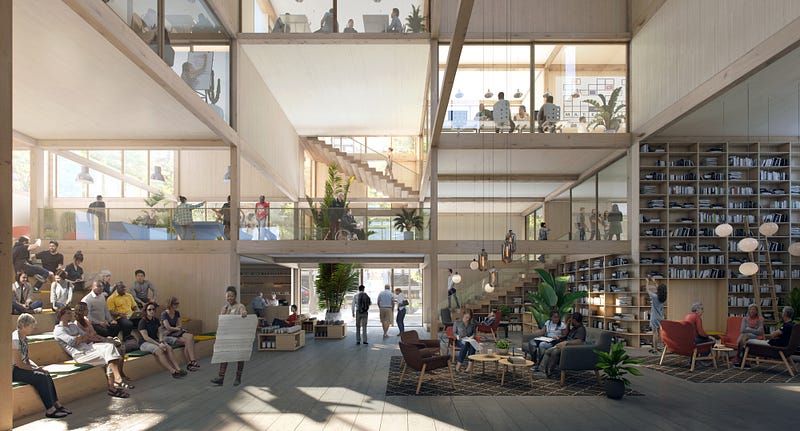
One can imagine elements of those projects, or the Zürich co-ops described above, merged with the likes of Studio Gang’s Polis concept or the Go Green campus in Englewood, both in Chicago, or examples from Buiksloterham, Cobe’s or Tezuka’s kindergartens (or indeed the numerous variations on these super-mixed-use blocks my Arup Digital Studio team produced for various projects in Amsterdam, Melbourne, Sheffield and others.) Gehl Architects’ David Sim’s book Soft City is full of excellent examples of types, forms, elements and conditions.
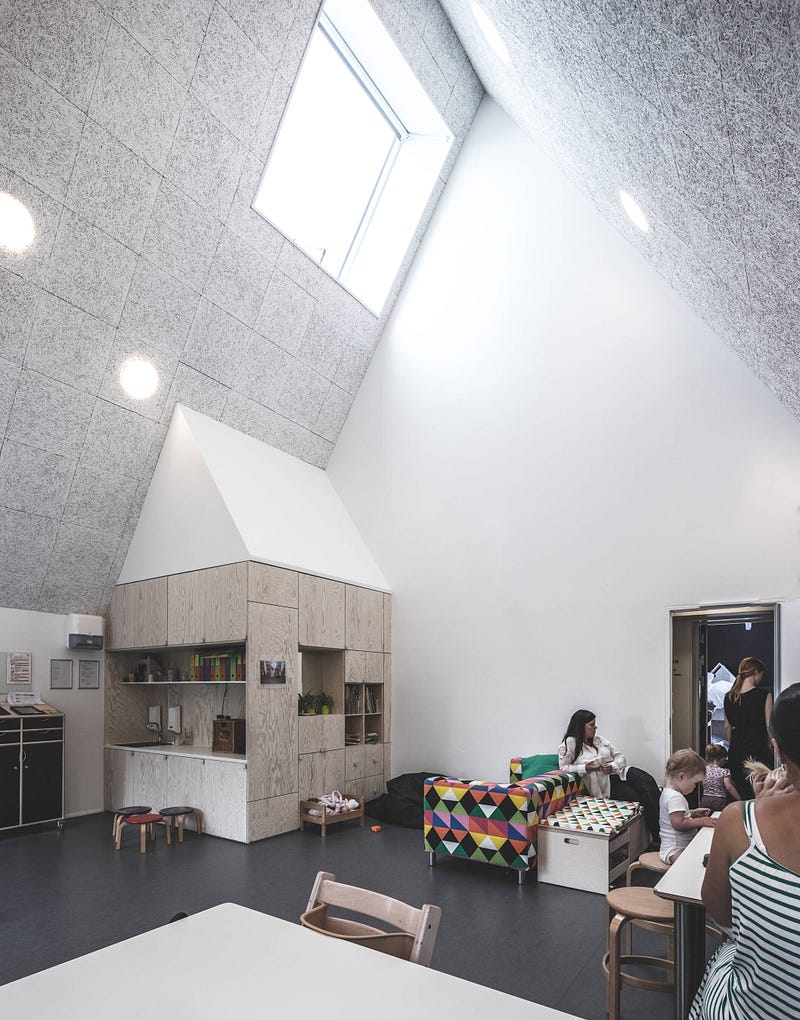
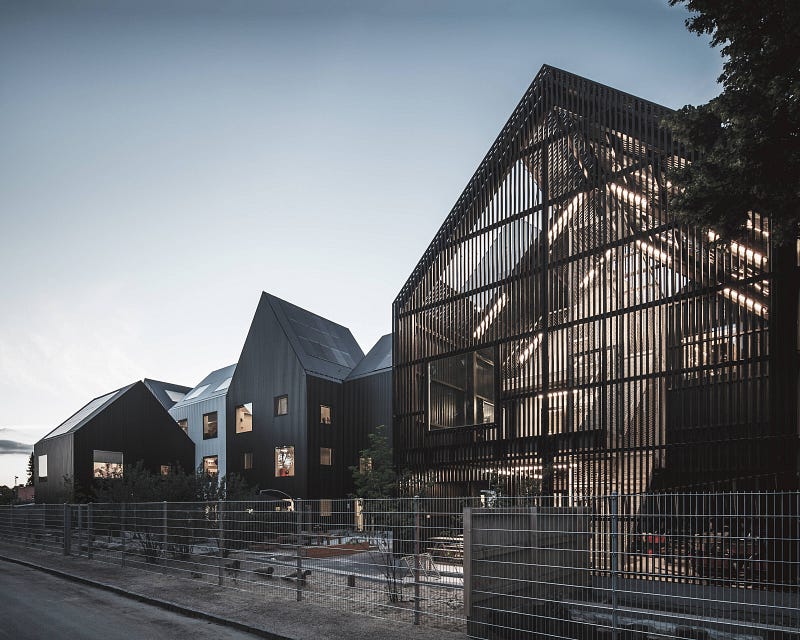
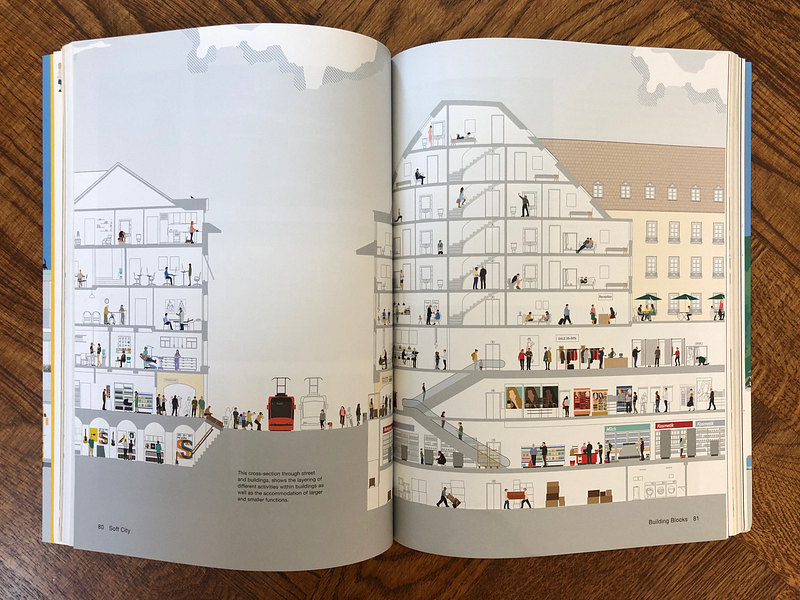
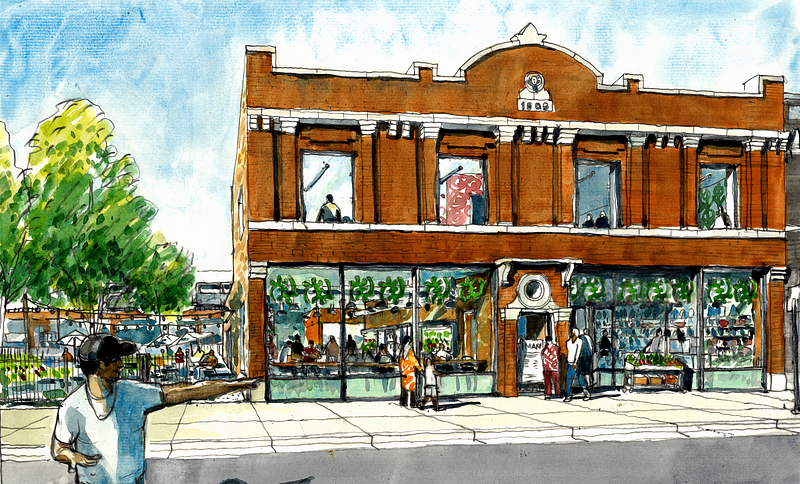
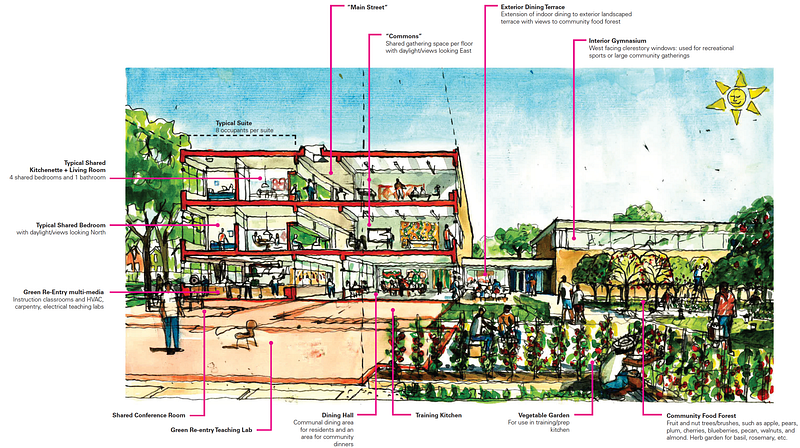
Singapore’s HDB blocks mandate for racial diversity, to an extent that no ‘Western’ planning system would dare. Older examples suggest further ingredients. CityLab published an excellent little series of urban floor plans during the pandemic, including the Athens polikatoiki apartment blocks demonstrating stepped terraces for hot climates, or Amsterdam canal houses as potential exemplars of the contemporary needs for mixed-use workspace/domestic space/storage space (“Up to 50 percent of canal house space was used for storage, with households buying up less perishable food at times when it was cheapest and storing it or re-selling it throughout the year.”)
PAKT in Antwerp indicates how to incorporate greenery, including 1800 m2 of urban agriculture on the warehouse rooftops, into the retrofited block model.
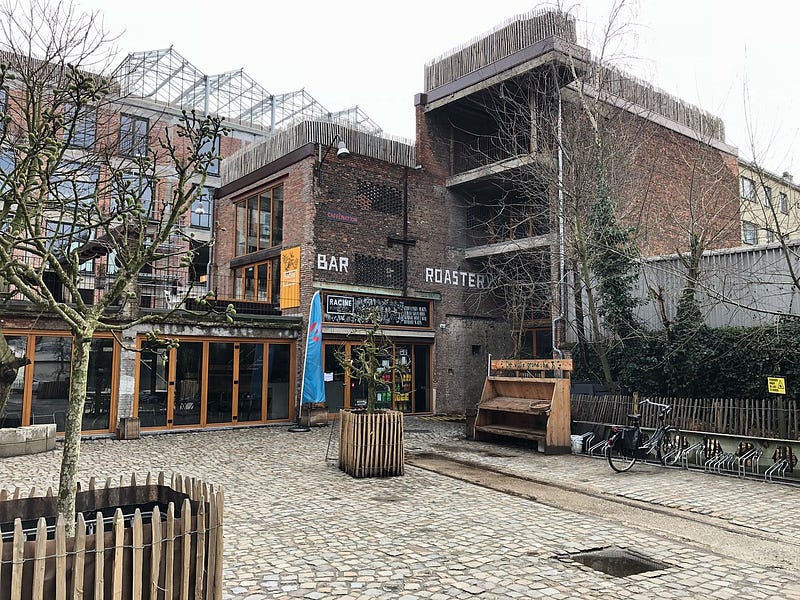
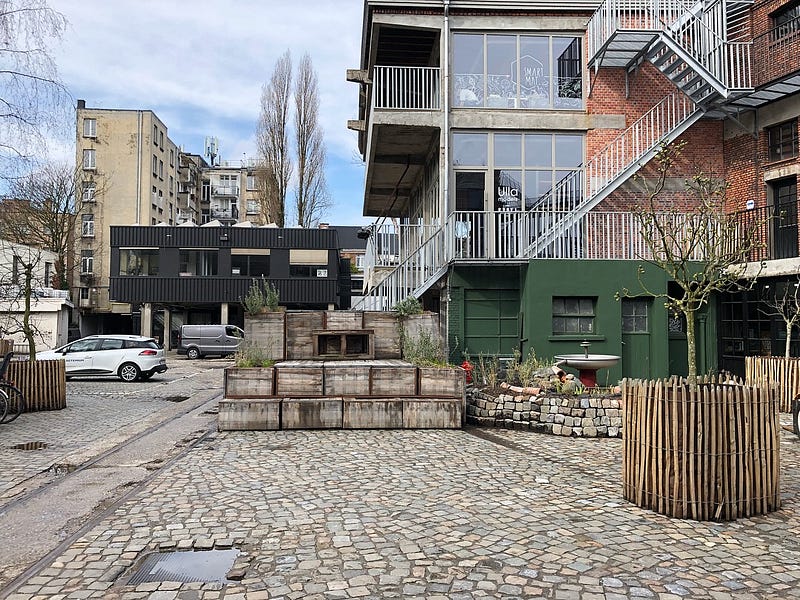
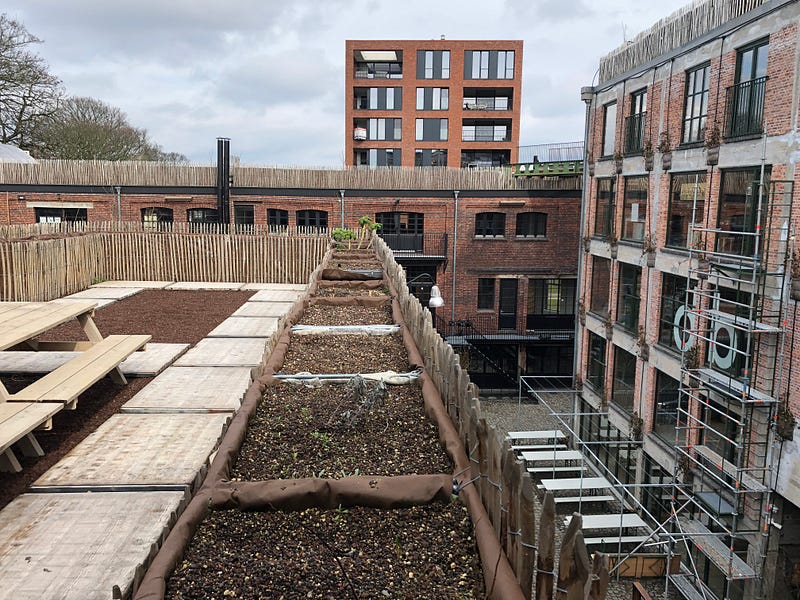
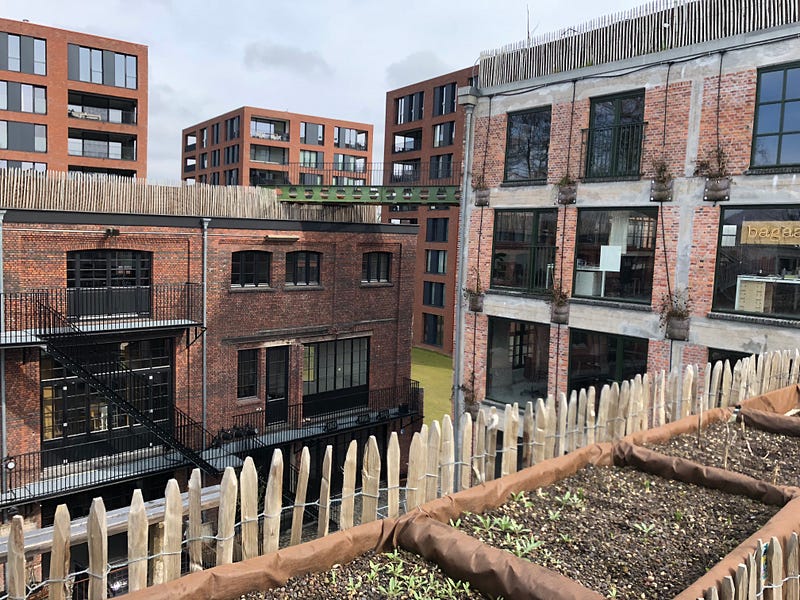
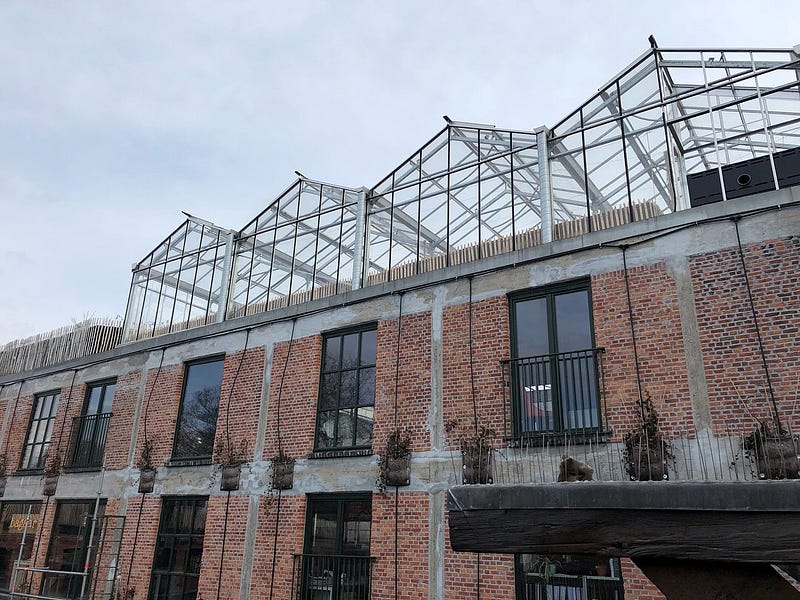
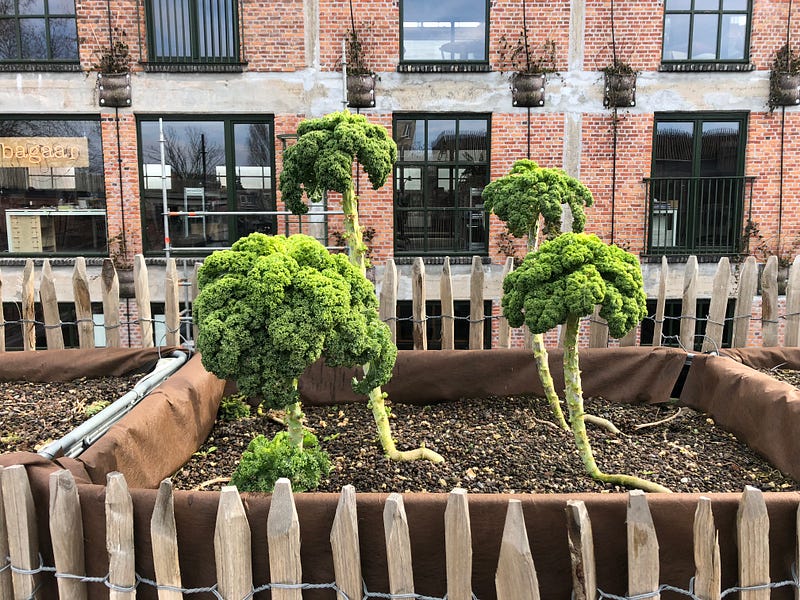
Many of these retrofit projects sustainably use what is already there, which is often a far more interesting model than ‘new build’; which is handy, as the coronavirus has slowed construction to a halt (no bad thing, given construction’s awful contribution to carbon emissions.) Joost’s Greenhouse projects in Australia, from a decade ago, provide a form of ‘pop-up’ training wheels for these kind of spaces.
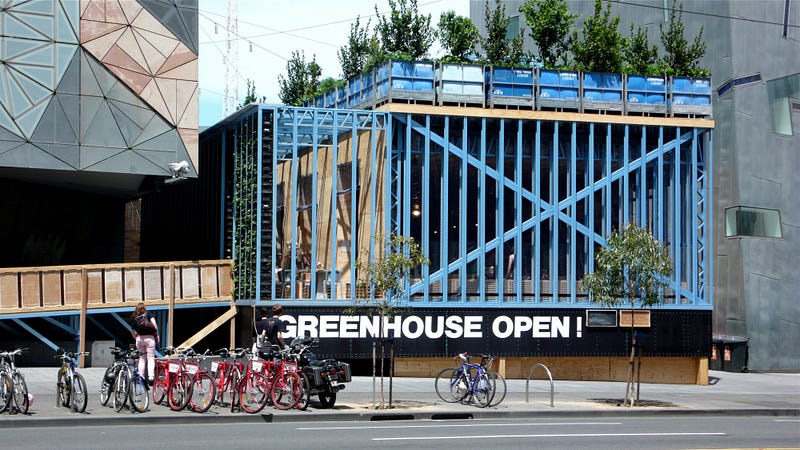
Each of these models variably foregrounds small-scale, distributed and shared spaces and infrastructures, whether food production or mobility. Each can be extended, too, with a richer understanding of contemporary technologies and everyday infrastructures, as per my earlier thoughts on ‘non-grid’, a notion we dropped into many projects at Arup, and enriched by teaching exercises like Incomplete City in London and Michigan:
“Decision-making protocols are designed for decisions at district scale. Scale is limited, but strong diversity and density can be achieved. New post-grid infrastructure, based around on-site generation and battery storage, is installed in response to demand. It connects to a grid only if necessary or useful. Mobility is delivered via on-demand services, requiring minimal infrastructure. Local manufacturing reduces reliance on external logistics networks. Crucially, these infrastructures of energy, mobility, housing and making could be owned and run at the local scale.” (Grid, Non-Grid, 2016)
That last sentence indicates a necessary move beyond technical questions of infrastructure. For example, we can look at SPACE10’s Urban Village block above through the traditional lenses of materiality, technology, and spatial intelligence—the play of masses brought together in light—yet perhaps the most interesting aspects concern its social infrastructures, and what they imply about the forms of communities inherent within their vision. Using these block concepts as a MacGuffin to open up the wider debates it embodies, SPACE10 hosted a roundtable discussion between contributors from Deem Journal and MOLD Magazine around what they called “emergent strategies for designing futures where life is precious and creativity is a political act.”
In the debate, MOLD’s LinYee Yuan described not simply design for care, but a different kind of care itself, moving the concept away from the reactive care taken when an incident occurs — whether fixing a punctured bicycle tyre, using an inhaler due to asthma, or attending to a Covid-19 victim — towards creating an environment that takes care implicitly, that prevents problems before they occur. (I’ll dig into this ‘upstream’ thinking later.)
This could be ensuring that a street is swept clean of broken glass and that it naturally soaks up stormwater or creates shade via pervasive greenery, which also produces fresh fruit and vegetables, which in turn requires collective care, whilst also cleaning the air and water around us and slowing down the traffic to walking and cycling pace. Or that yards, alleys, stoops, and gardens are designed such that you are incredibly likely to know your neighbour well, and take care together, whilst also allowing for privacy and individual identity. Or that the block’s shared calendar system is well-tuned to the particularly dynamics of the place, or that the well-maintained school or library or public pool on the corner welcomes and nurtures all. Or that the various jobs involved in making the place tick are not precarious or unhealthy. Or that mobility options are at-hand, active, accessible and affordable but scaled appropriately and non-destructive. Or that the solid wooden stepped platform in the middle of the street has active cultural programming and makes space for open and inclusive political discussion and decision-making. Or that such steps are designed for a fuller understanding of accessibility, or that the young and old alike can encounter each other playfully and constructively. Or that the neighbourhood has a sense of incompleteness, which warrants constant re-making. Or that the neighbourhood provides meaningful pursuits, conflicts, and attractions that keep a place stimulating, adapting, evolving…
Clichés, obviously, but these are all elements that the Acceleration-era urban development market would tend to portray as almost extreme, and certainly an unnecessary ‘over-capitalisation’, or that they might awkwardly generate extra maintenance costs, or simply waste space that could be sold, or just make everything complex.
Yet could we embrace Slowdown dynamics to create time for these activities and experiences, to understand and unlock their value, allowing their inherent complexity to breathe and evolve? A kind of true resilience can be perceived emerging in blocks such as those described earlier, which creatively invest in risk mitigation via a rich palette of sustainable strategies that concern cultural and social life as much as environmental sustainability and engineering. There is a genuine complexity at work in these places, yet they are also entirely everyday, directly approachable, financially sustainable and generally desirable.
Another way of putting this would be to borrow Rebeccca Solnit’s description of ‘mutual aid’, a form of care and repair, and ask what kind of built and living environment supports these people, enhances these activities?
“An artist hunched over her sewing machine, a young person delivering groceries on his bicycle, a nurse suiting up for the ICU, a doctor heading to the Navajo nation, a graduate student hip-deep in Pyramid Lake catching trout for elders, a programmer setting up a website to organise a community …” — ‘The way we get through this is together’: the rise of mutual aid under coronavirus’, Rebecca Solnit, The Guardian, 14 May 2020
The ‘quality of life’ implied under these conditions is not that of the narrow-minded Mercer or Economist city rankings, but perhaps best captured in Richard Sennett’s understanding of the phrase:
“My own view can be stated simply: the quality of life in a city is good when its inhabitants are capable of dealing with complexity. Conversely, the quality of life in cities is bad when its inhabitants are capable only of dealing with people like themselves. Put another way, a healthy city can embrace and make productive use of the differences of class, ethnicity, and lifestyles it contains, while a sick city cannot; the sick city isolates and segregates difference, drawing no collective strength from its mixture of different people.”—Richard Sennett, ‘Why Complexity Improves the Quality of City Life’ (2011)
In 2020, we could now quickly move the conversation beyond the surface questions of the materials chosen for apartment blocks—not that these are irrelevant—and push design into deeper waters, into these questions of how blocks generate, nurture and sustain such complexity, and how doing so might enable us to move our work upstream, to create living environments that directly address social and environmental justice.
“What is the world when police don’t exist? What does that look like? What is a world without prisons? So many people can’t even imagine what that world is. And the reality is that that is the world we, at least I, am fighting for. How do we leverage the creativity of the community to be able to imagine this place — and really, then, give it shape?”—LinYee Yuan
Next: 26. Defunding downstream, moving upstream, taking care, making repair
Previous: 24. Slowdown landscapes: The care and repair of our suburbs
Intro to third batch: 19. The waters draw back, only to return
Intro to Slowdown Papers: 1. Writing the coronavirus to memory
Index: All Slowdown Papers are here


