
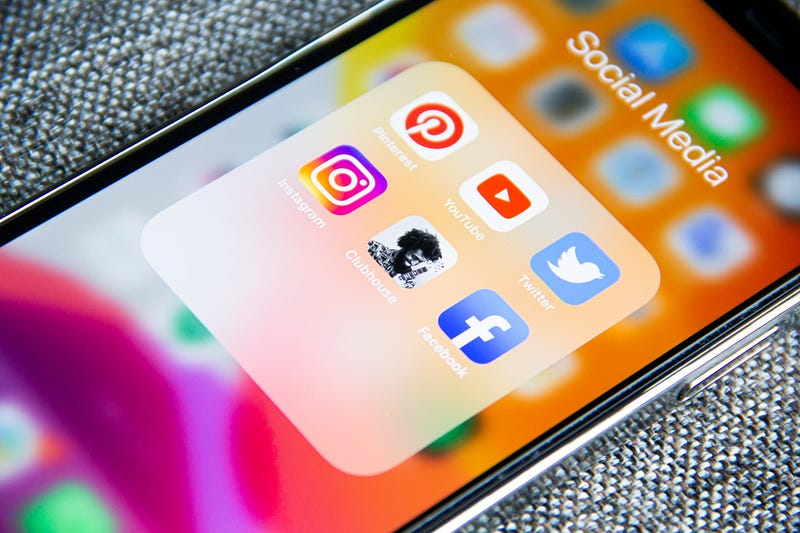
Rethinking And Overcoming Technology Addiction
Self-help has been encroached with technology for a while, and it’s created problems that we’re not individually responsible for.
I’m calling them crunch moments. First thing in the morning I want to get up, go through my usual waking-up routine, sit down in my chair, and begin working. With some lo-fi music playing, the purpose is for me to get into a state of deep focus. A state of mind where I’m not so easily distracted or utterly drained after an hour or two of work.
I still want to get up and move around, but I find myself in recent years getting into this cycle that I’ve been in. A state of mind where I work for a little bit and then feel like I can’t do any more.
The reason I got into this state of mind is simple: part of my morning routine involved checking my social media accounts, emails, and the occasional making of a social media post. I still did a bit of that this morning before getting to work on this article, but I’m working to change my routine. I want to ensure that even my brief encounters on social media happen later rather than first thing in the morning.
After all, between all of that checking, it eventually results in me going to Youtube and spending hours there without getting any work done.
But Eric, there are plenty of apps and platforms that you can use to just block those pesky sites. You won’t get distracted, and you’ll get right into your work. It’s a win-win.
Oh, for sure. I totally hear you, straw man I just created.
I know of sites like Cold Turkey, Freedom, and many others where, with just a press of a few buttons, I can block access to certain websites for lengths of time and my worries will go away. But that’s missing a bit of the point here. The point being...
Technology.
I’m starting this strategy because in the past few days I barely did any work. Looking over my habits, the obvious sign is that I spent hours of my days watching Youtube videos or checking social media rather than working or exercising. What’s happened is that I’ve grown addicted to clicking from one thing to another.
Even if it leads me to learn something or be entertained, it still doesn’t take away from the fact that I’ve become a click addict. In fact, we’ve all developed that.
But what’s so interesting is that this addiction isn’t so obvious.
When I look at my behaviour, it’s my addiction to Youtube videos that’s the problem. It’s my addiction to playing video games. Those specific desires and addictions are so engrained that when we think of productivity hacks or strategies, we end up feeling guilty about them when we fail to implement them or they don’t block those addictions at all—or at least until the most crucial moment.
It’s interesting because consumer technology is designed this way. We know social media and other tech companies have manipulative designs for their platforms. I know that video games have compelling stories or elements that allow us to sink hours into them.
So why do we feel personally responsible for this? Why do we feel guilty about this particular issue not getting resolved? Why do we come up with these “productivity hacks” or other self-help tactics to try and reduce our time online?
The overarching aspect of technology today is that this version of it is neither new nor innovative. It has followed a tried and true method that we’ve seen time and time again in multiple industries like sugar, tobacco, and gambling.
It Starts With Personal Responsibility
We know that sugar, tobacco, and gambling can cause serious harm to people in multiple ways. That much is clear from the fact that we have laws and regulations in place for those things. But obviously, those weren’t always there, and these industries prioritized profits over people.
But when they got caught, something interesting happened.
For the sugar industry, they began blaming fat as the problem for all these diabetes cases. The tobacco industry, and by extension the vape industry, got into astroturfing, greenwashing, and lobbying.
But they ultimately raised the idea of personal responsibility.
You hear in gambling ads to “gamble responsibly” or “play responsibly,” and in our minds, it makes sense. We’re using a company’s products, and therefore it’s our responsibility to not go overboard.
This was the exact same case when a group of teenagers sued McDonald’s when they became obese and developed diabetes after visiting McDonald's regularly. McDonald’s won by saying it never forced the teenagers to eat there.
They just advertised aggressively, were in a very convenient location, and provided what they would insist were good burgers.
And besides, they should’ve started to get to the gym when they noticed they were gaining weight, right?
Not only did they win, but they also lobbied for laws known as “cheeseburger laws," officially termed Commonsense Consumption Acts. The idea here is that this would foster a culture of consumer personal responsibility and that this would promote a healthy society.
Companies could keep business as usual, and if people died, developed health problems, or had other problems, then that was that person’s fault. Even if, as a company, they fuelled that addiction directly or indirectly.
The reality is that those laws created something more sinister.
It allowed those exact same companies to begin advertising new products that would get very little pushback despite being objectively worse. Soda companies made “diet” versions of their drinks even though the sugar content was much higher than their original brew.
After studies linking smoking to lung cancer began to emerge in the 1950s, tobacco companies developed filtered cigarettes. And now they have branched out into quit-smoking products and vapes.
And when people realized McDonald’s offers little nutritional value, they started to sell salads.
The tech industry is no different, as we’re already seeing similar iterations of this strategy. The first that comes to mind is in video games with lootboxes.
Even in the case of “free to play” games, these mechanics are aggressive and push micro-transactions in order to give you an edge. It’s not so different from getting extra items to progress through a level of Candy Crush.
But if your addiction to spending that money on that game financially cripples you, then the company isn’t responsible for that. After all, they’re not forcing you to spend money. They just created an avenue that makes it addictive for you to spend money in their game.
The same element is true with screen time. Every week, I get a notification from Apple about how much time I spent in front of my computer and phone. Social media apps are now coming out with features that prompt you to “take a break.” Then you have those site blocking platforms or the ability to set your phone to “do not disturb” or “focus time.”
Those feel like sensible solutions, but they’re not so different from the healthy menu options or the filtered cigarettes or vape pen products. They’re not designed to solve your problems.
You can easily dismiss those notifications and keep going. In some cases, you might even get frustrated with them if they’re overly obnoxious. I know some video games raise those “take a break” prompts almost every half hour or so of gameplay.
But worst of all, those addictive designs haven’t changed in any way.
Instagram will still send a bunch of notifications to you and offer infinite scrolling. Facebook is no different. “Free to play” games will still provide very compelling products to make you spend money on their game. A card game I play offers both cosmetics and a bunch of extra card packs, along with some premium cards when they develop a new set.
The problem with these digital well-being tools is that they’re not so different from the faux self-care products that are shoved in our faces. They are presented as sensible options and relief from our problems, but they do little to help us and keep the blame ball on ourselves and not the companies or individuals selling them.
How Can We Stop Feeling Guilty And Truly Improve?
Awareness of the cycle and of how we work in this situation is a good first step. The second step is finding something that truly works for us. This is easier said than done because the deck is stacked against us and everyone knows this.
The smoking industry has known for decades the dangers of nicotine. Fox News continued to peddle election lies because it was making them money despite becoming a propaganda machine for right-wing talking points. McDonald’s knows their burgers are not that nutritious.
And the tech industry definitely knows just how toxic and manipulative they are.
Boycotting these platforms comes to mind, but it’s not always the best. Even though I’m not a Musk fan, I still have Twitter and check it once in a while. The reason being that I get content ideas from there, I chat with a few people, and my feed is generally healthy. To delete it would mean cutting access to those things and relying on Mastodon, which I feel is still small. Looking up #selfimprovement yields three or so unique accounts posting, with myself being one of them.
It's not exactly a great place for me to think of writing prompts for articles just yet.
You could also look into lawyers and regulations as well; after all, that’s how we got into this mess. But that clearly doesn’t change the underlying problems. Platforms are still addictive by design, so even if we get to a point where we can sue Facebook, Google, and other tech companies for getting us addicted and keeping us in an echo chamber of our own thoughts, little will change.
What will change is if more alternatives are offered that provide more compelling options. I’m slightly more active on Mastodon, and aside from those few gripes, I like the platform a lot more. The only issue is Mastodon could get squashed or bought out by Facebook, Twitter, or some other tech bro that could drive it into the ground.
Breaking up big tech is an action we could take to offer those different options.
But in addition to that dramatic shift, we also should be looking at our tech usage. We should recognize that some old and traditional methods are still effective, like with finding a suitable partner. Not only should I encourage myself to have these “crunch sessions,” where I write article after article, but I should also get out more, speak with more people, and jot down more thoughts and ideas that way instead of relying on Twitter, Quora, or Google for ideas.
Saying and doing are obviously two very different things, but these kinds of acts give us more power to turn away from these products. After all, the big currency that these kinds of tech self-care products cost us is our time.
Enjoyed the article? Please consider offering your support!
👉 Subscribe to my email list here and receive emails whenever I publish on Medium!


