avatarAnthony Li

Free AI web copilot to create summaries, insights and extended knowledge, download it at here

865

Abstract

And they do:</p><figure id="f90e"><img src="https://cdn-images-1.readmedium.com/v2/resize:fit:800/0*lrxi7lTtDi8M4Tnk.jpg"><figcaption>Image from <a href="https://www.brush-stock.com/word/greeting/vewogr000072">this link</a>.</figcaption></figure><p id="be13">The phrase is originally いらっしゃいませ (irasshaimase), a Japanese phrase to welcome customers in a restaurant.</p><p id="fe34">As a Hongkonger, I don’t feel the energy the staff have when I enter these restaurants. Only once did I hear a real “irasshaimase” in a Japanese restaurant in the city that was full of energy. I was so surprised at that moment and was wondering if that person who shouted from the kitchen was a real Japanese.</p><p id="2fd9">Anyway, this unenergetic welcome pretty much shows that Hongkongers are often overworked. They don’t even have the energy to warmly welcome the guests.</p><p i

Options

d="1f7a">Well, as the situation in Hong Kong escalates and the police are out of control. If any troops came to the city, I think I would just shout “21314” as loud as possible to welcome them (when I’m allowed).</p><div id="cf5a" class="link-block"> <a href="https://readmedium.com/hong-kong-english-cantonese-collection-f41ce1e0565"> <div> <div> <h2>Hong Kong English/Cantonese: Collection</h2> <div><h3>This is a contents page for all my articles regarding Cantonese slangs, which were written in English.</h3></div> <div><p>medium.com</p></div> </div> <div> <div style="background-image: url(https://miro.readmedium.com/v2/resize:fit:320/)"></div> </div> </div> </a> </div></article></body>

Hong Kong English/Cantonese (XIV)

It’s Japanese?

We just hear a slur

When you go to a Japanese restaurant in Hong Kong, you may hear the staff shouting a string of unintelligible utterance when you enter. Some clever Hongkongers tried their very best to transcribe that string of words into Cantonese, and they made it a string of Cantonese number:

21314 (Jyutping: ji6 jat1 saam1 jat1 sei3)

But what is it? We can think about it.

This phrase is widely spoken in Japanese restaurants in Hong Kong, and it is only spoken when you enter the premise. Logically, it should be a kind of welcome.

So it is a phrase to welcome the guests to enter.

We need Japanese experts to interpret this sentence. And they do:
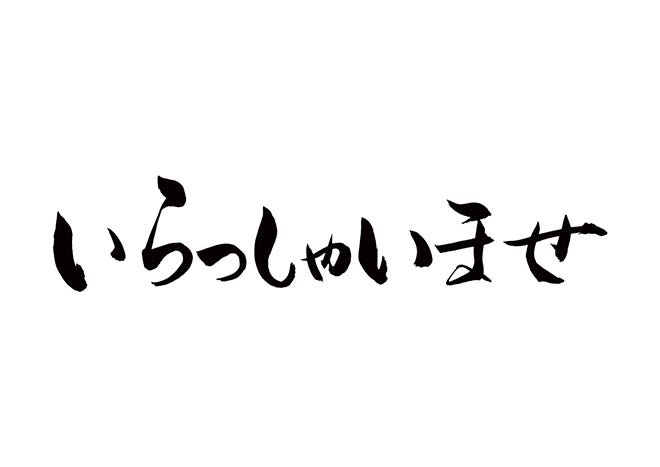
Image from this link.

The phrase is originally いらっしゃいませ (irasshaimase), a Japanese phrase to welcome customers in a restaurant.

As a Hongkonger, I don’t feel the energy the staff have when I enter these restaurants. Only once did I hear a real “irasshaimase” in a Japanese restaurant in the city that was full of energy. I was so surprised at that moment and was wondering if that person who shouted from the kitchen was a real Japanese.

Anyway, this unenergetic welcome pretty much shows that Hongkongers are often overworked. They don’t even have the energy to warmly welcome the guests.

Well, as the situation in Hong Kong escalates and the police are out of control. If any troops came to the city, I think I would just shout “21314” as loud as possible to welcome them (when I’m allowed).

Hong Kong
Hong Kong Cantonese
Recommended from ReadMedium