
Writer’s Resource
21 Writing Markets for Speculative Fiction Writers — 2020 Edition
A List of Professional Paying Publications
Awhile ago I asked some friends on Facebook about the advantages of still writing for online magazines–specifically speculative fiction magazines. My question was less prompted by a search for bragging rights than searching for ways to find more eyeballs on my work. As you probably know, a writer’s plight will always include a cry for more readers.
My query resulted in two confirmations: 1) Some online magazines pay professional rates, and 2) Discoverability.
These magazines do get a lot of submissions, so just submitting a story is no guarantee they will accept it, but that is part of a writer’s life. We know that. You are writing short fiction, after all, and I don’t see the downside to submitting your stories to them. If they accept it, you get paid, and you still retain most of your copyright, if not all, depending on the rights agreement with that publication (usually First English Language serial rights).
You’re still free to continue on the indie route, but only now you can add your magazine published story to your bibliography, more people will have read your words, plus it is a feather in your cap. From my understanding — and this depends on the publication that bought your story — you are free to publish your sold story on your own after a certain period has lapsed.
Strange Horizons, for instance, buys world exclusive English-Language rights (including audio rights) for two months, after which you are free to publish the story on your own.
Now discoverability, to me, is gold. That is the first prize. If your story gets accepted, a lot of people will read it. If they like it, they will not only tell all their friends and family members, they will search for more of your work. And this is what we want. As writers, we don’t compete with each other — at least not in terms of story — but we are fighting for visibility. The generally accepted advice by established authors is to write, publish, and repeat, and eventually, readers will find you. I agree with that, but if you can somehow find a stepladder, just high enough for your outstretched hand to reach above the millions around you clamoring for attention, why not do that?
Author Usman T. Malik credited his appearance in The Year’s Best Fantasy Stories to his published story appearing online after first appearing in print form in the anthology “Qualia Nous.”
Malik confirmed to me that it fared well visibility-wise after, following Ken Liu’s suggestion, he placed it online without a paywall. Jonathan Strahan might have seen it anyway since he was told about it by a respected spec editor who read it in print, but Malik was sure being able to read it online (and with better visual aesthetic) didn’t hurt.
Ken Lui, the author of The Paper Menagerie and winner of the Hugo, Nebula, and WFA awards, is another prolific author whose stories frequently appear in magazines like Lightspeed and Analog. I remember how emotion flooded my senses after I had finished his story. I had not been prepared and the ending gut-punched me, and I shall forever be thankful for the experience.
I don’t have the resources to pay for marketing. What I can do is write. And if the best advice is to keep writing, then getting your work on Amazon and in other publications must be a practical strategy. You know you’re not guaranteed acceptance, but you’re writing, and no one can take your finished story from you. It’s yours, and you can publish it on Amazon and wherever else you want, and you can keep doing it for as long as you want because you love writing.
This is your passion. If you could afford it, you’d do it for free because having people react emotionally to words that came from your mind is spiritually rewarding. When I say spiritually rewarding, I mean it’s the equivalent of an emotional orgasm that lingers far longer than the physical.
I have compiled a list here, updated at the time of writing this article, of magazines that specialize in mostly genre fiction. I also found a few geared more towards mystery and thriller stories and one or two traditional ones that have been with us for a long time. As far as I know, these are the main ones or more popular ones out there. I’ve posted the links to each below as well as gave a short description of what you can expect submission wise. The links will take you to that specific magazine’s submission page.
Here they are in no particular order:
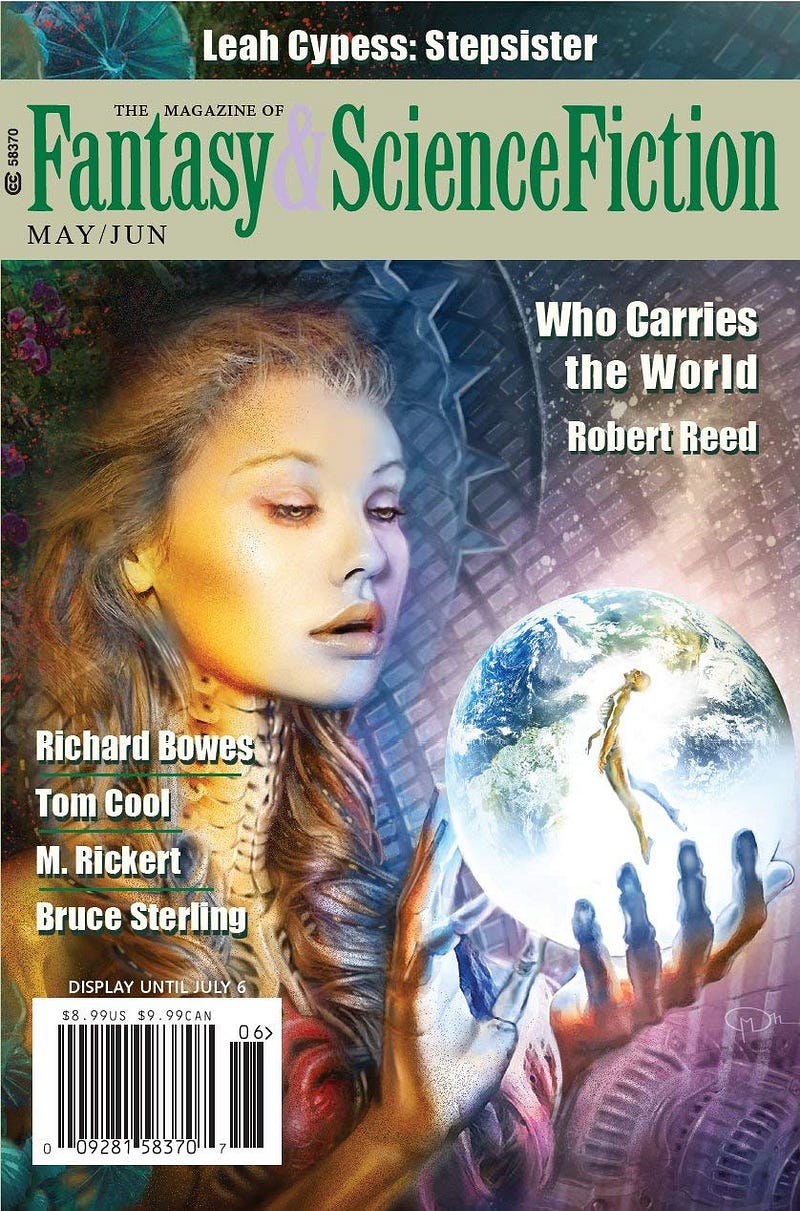
Fantasy and Science Fiction
The Magazine of Fantasy & Science Fiction (usually referred to as F&SF) is a fantasy and science fiction magazine first published in 1949 by Fantasy House, a subsidiary of Lawrence Spivak’s Mercury Press. It is one of the oldest magazines on this list together with Amazing Stories Mag.
Fantasy & Science Fiction has no formula for fiction, but they like to be surprised by stories, either by character insights, ideas, plots, or prose. The speculative element may be slight, but it should be present. They prefer character-oriented stories, whether it’s fantasy, science fiction, horror, humor, or another genre.
They encourage submissions from diverse voices and perspectives and has published writers from all over the world. They publish fiction up to 25,000 words in length.
Payment: F&SF pay 8–12 cents per word on acceptance and buy first North American and foreign serial rights and an option on anthology rights. The author retains all other rights.
Amazing Stories Magazine
Amazing Stories Magazine is one of my favorite magazines, but that is because I am biased. My novella, The Seals of Abgal received an immensely favorable review, which meant the world and the stars to me as a newbie writer at the time. Amazing Stories Magazine is one of the first science fiction magazines in the world and was started by Hugo Gernsback in 1926.
The magazine published many of the early greats like Jules Verne, H. G. Wells, E. E. “Doc” Smith, Ursula Le Guin, Isaac Asimov, John Campbell Jack Williamson, and Claire Winger Harris.
Amazing Stories is looking for short stories that are fresh and new. They say they want to be surprised and delighted. They want your stories to be amazing.
It’s not enough to be technically proficient and have a sort of, somewhat semi-original idea; we want to be dazzled by your original style and substance. Remember when science fiction was optimistic, when the future was something to be embraced as a bold adventure instead of a place of dystopias, seemingly endless wars and mutant monstrosities to be feared? Amazing Stories will not shy away from stories that explore the negative impacts of technologies on individuals and society, but we have a strong preference for stories that take a bright view of human ingenuity and the possible futures we can make with it. Have you ever read a short story or novel and thought to yourself, “I want to take part in making that future a reality?” That is what we would like to see.
Amazing Stories encourage visible minorities, QUILTBAG writers and members of other minority or marginalized groups to submit to the magazine. The future will be diverse and they would like to see that reflected in the stories they tell and the writers who tell them.
If you have a great sense of humor, show it in your stories. Amazing Stories say they “speak humor” at the magazine, and well written humorous stories are always welcome.
They are looking for stories 1,000 to 10,000 words.
Payment: Six cents per word. Payment is upon publication. Amazing Stories buys first world publication rights. In addition, they buy non-exclusive electronic archival rights, in perpetuity, and the right for non-exclusive publication in the quarterly issue (ebook and print on demand, as well as a print “collector’s edition”). They also ask for non-exclusive rights to republish the story in an anthology for a separate fee.
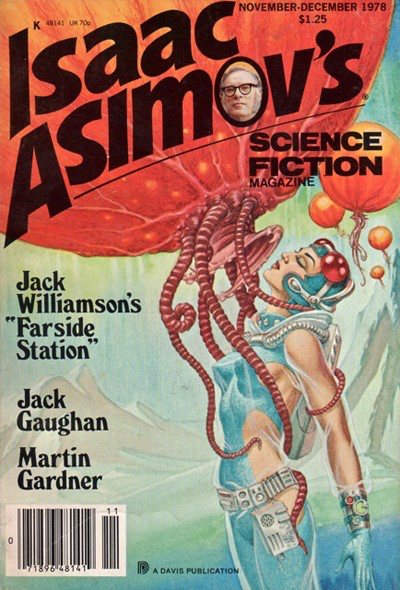
Asimov’s Science Fiction
Asimov’s Science Fiction magazine is an established market for science fiction stories. They don’t usually buy stories shorter than 1,000 words or longer than 20,000 words, and they don’t serialize novels.
They buy First English Language serial rights plus certain non-exclusive rights explained in their contract. They also do not publish reprints, and they do not accept “simultaneous submissions” (stories sent at the same time to a publication other than Asimov’s).
Asimov’s will consider material submitted by any writer, previously published or not. They have bought some of their best stories from people who have never sold a story before.
Payment: 8–10 cents per word for short stories up to 7,500 words, and 8 cents for each word over 7,500.
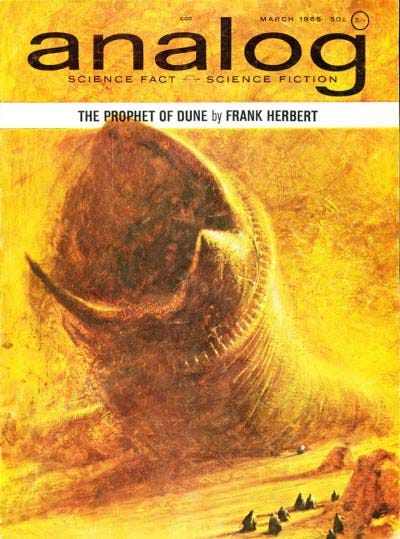
Analog Science Fiction and Fact
Analog’s Science Fiction and Fact magazine is another established market for science fiction stories. Analog Science Fiction and Fact Magazine continues to bring together celebrated authors, new talent, and award-winning stories, poems, and articles, as it has since its launch in 1930.
Originally published as Astounding Stories of Science Fiction, Analog remains the unparalleled literary magazine in the genre and rewards readers with realistic stories that reflect both the highest standards of scientific accuracy and the far reaches of the imagination, as well as lively articles about current research on the cutting edge of science.
Since Analog’s inception in 1930, it has won 54 Hugo Awards — 39 for stories, 7 for Best Editor, and 8 for Best Magazine — as well as 23 Nebula Awards. Additionally, Analog readers select the most popular works from each calendar year via its Analytical Laboratory poll.
Payment: They pay 8–10 cents per word for short fiction (up to approximately 20,000 words), 6 cents per word for serials (40,000–80,000 words), 9 cents per word for fact articles, and $1 per line for poetry. They buy First English Language serial rights plus certain non-exclusive rights explained in their contract.

Ellery Queen Mystery Magazine
Ellery Queen’s Mystery Magazine welcomes submissions from both new and established writers. They publish every kind of mystery short story: the psychological suspense tale, the deductive puzzle, the private eye case — the gamut of crime and detection from the realistic (including the policeman’s lot and stories of police procedure) to the more imaginative (including “locked rooms” and “impossible crimes”).
They need hard-boiled stories as well as “cozies,” but are not interested in explicit sex or violence. They don’t want true detective or crime stories.
They are looking for stories of almost every length, but 2,500–8,000 words is the preferred range. Occasionally they’ll use stories of up to 12,000 words and have known to feature one or two short novels (up to 20,000 words) each year, although these spaces are usually reserved for established writers.
Shorter stories are also considered, including minute mysteries of as little as 250 words.
Payment: Original stories are from 5 to 8¢ a word, sometimes higher for established authors. It is unnecessary to query EQMM as to subject matter or to ask permission to submit a story. EQMM does not accept stories previously published in the United States.

Alfred Hitchcock Mystery Magazine
The editor at Alfred Hitchcock Mystery Magazine loves discovering new wonderfully told stories by new authors and welcome submissions from them. Because they read all submissions, there is no need to query first. You can submit the whole story. You don’t need an agent.
Because this is a mystery magazine, the stories they buy must fall into that genre in some sense or another. They are interested in nearly every kind of mystery: stories of detection of the classic kind, police procedurals, private eye tales, suspense, courtroom dramas, stories of espionage, and so on. They ask only that the story be about a crime (or the threat or fear of one). They sometimes accept ghost stories or supernatural tales, but those also should involve a crime.
Payment: 5 to 8¢ a word for original stories, sometimes higher for established authors. AHMM does not accept stories previously published in the United States.
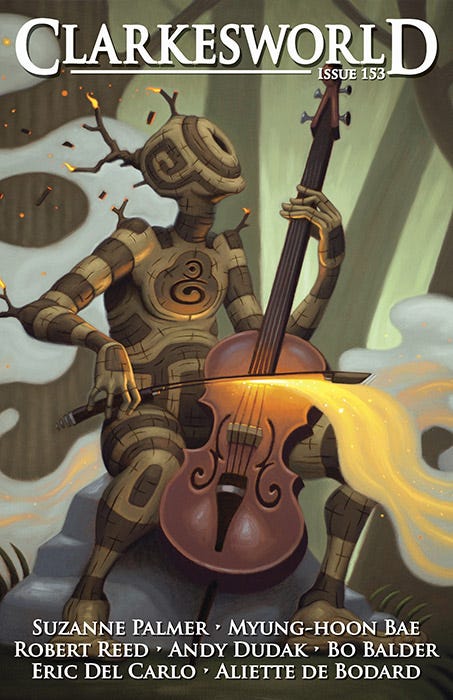
Clarkesworld Magazine — (Science Fiction and Fantasy)
Clarkesworld Magazine is a Hugo, World Fantasy, and British Fantasy Award-winning science fiction and fantasy magazine that publishes short stories, interviews, articles and audio fiction. Issues are published monthly and available on their website, for purchase in ebook format, and via electronic subscription. All original fiction is also published in their trade paperback series from Wyrm Publishing. They are also currently open for art, non-fiction and short story submissions.
They are strict with their word limits and stories must be 1000–22000 words, no exceptions. They look for science fiction and fantasy. No horror. Dark SF/F, however, is permitted. They accept stories from all over the world.
Payment: 10¢ per word. Payment via PayPal or check. (International authors may request wire transfers.)They buy first world electronic rights (text and audio), first print rights (author must be willing to sign copies), and non-exclusive anthology rights for their annual Clarkesworld anthology.
Strange Horizons
Strange Horizons is a weekly magazine of and about speculative fiction. They publish fiction, poetry, reviews, essays, interviews, roundtable discussions, and art.
They define speculative fiction to include science fiction, fantasy, horror, slipstream, and all other flavors of fantastika. Work published in Strange Horizons has been shortlisted for or won Hugo, Nebula, Rhysling, Theodore Sturgeon, James Tiptree Jr., and World Fantasy Awards.
When you arrive on their submissions page, you’ll find that there are six categories under which you can submit. Each has separate submission guidelines. For information about submitting work to a particular category, click on the appropriate link below:
- Art: how to submit art galleries and illustrations
- Fiction: how to submit prose short stories
- Non-Fiction: how to submit columns, essays, interviews, and round-tables
- Poetry: how to submit literary, SF/F, slipstream, and speculative verse
- Podcasts: how to audition as a podcast reader
- Reviews: how to submit or request reviews of works of speculative and SF/F art and entertainment — especially books, films, games, and other similar media
As for fiction, they look at speculative fiction, broadly defined, of up to 10,000 words (under 5000 preferred).
Payment: 10¢/word USD, within 60 days of contract.

Daily Science Fiction
Daily Science Fiction is an email and online magazine devoted to publishing science fiction stories. The magazine was founded in 2010 and is a daily publication, publishing each weekday. It’s considered a professional publication of science fiction, fantasy, slipstream, and more. They accept both original stories and artwork. Jonathan Laden and Michele Barasso edit the magazine.
Daily Science Fiction (DSF) want speculative fiction stories from 100 to 1,500 words in length. This includes science fiction, fantasy, slipstream, and so forth. They may consider flash series — three or more flash tales built around a common theme.
Payment: 8 cents per word for first worldwide rights and nonexclusive reprint rights. Additionally, They reserve the right to increase the payment for additional reprinting in themed Daily Science Fiction anthologies.
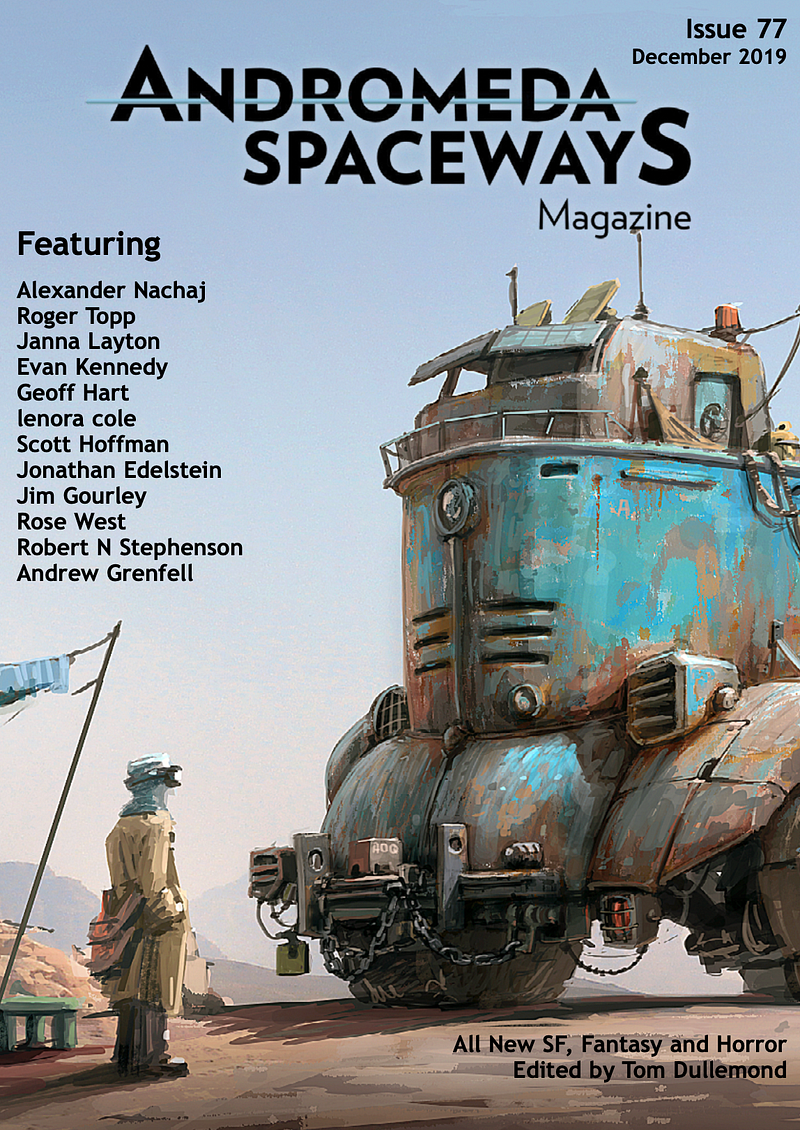
Andromeda Spaceways Inflight Magazine
Andromeda Spaceways Magazine (formerly Andromeda Spaceways Inflight Magazine) is a science fiction, fantasy, and horror magazine. They like to think of themselves as “Australia’s Pulpiest SF Magazine” and are proud to publish fiction, non-fiction, and artwork from around the world.
Andromeda Spaceways Publishing Incorporated edits the magazine, and you can buy copies and subscriptions of Andromeda Spaceways Magazine through their website.
Andromeda Spaceways buys First Australian Serial Rights and limited electronic rights for four months. Contracts ask for limited electronic rights, rights to re-publish works, and rights to include a work in an annual “Best of” anthology.
Payment:
Short Fiction: 1 cent/word (AUD) with an AUD$20 minimum and $100 maximum per piece.
Poetry, and Flash Fiction (under 1000 words): AUD$10 per piece.
Non-fiction: AUD$10 per article under 1000 words.
Artwork: AUD$100 per cover and AUD$20 per internal piece.
Every contributor also receives an electronic copy of the issue in which their item appears, whether it’s fiction, non-fiction, artwork or poetry.

GigaNotoSaurus
Giganotosaurus (the dinosaur) lived about ninety million years ago, and it was almost the largest carnivorous dinosaur. A little bigger than Tyrannosaurus, a little smaller than Spinosaurus.
GigaNotoSaurus (the webzine, edited by LaShawn Wanak) publishes one longish fantasy or science fiction story a month. Longish meaning longer than a short story and shorter than a novel. GigaNotoSaurus accepts Science Fiction or Fantasy (or any combination thereof) from 5,000 to 25,000. Send them a story you really believe in–even the one that you have nowhere else to send to because it’s so damn long, and you have already tried all the other places. Don’t query to gauge their interest in a particular subgenre. Just submit the story.
They actively seek to include stories told from and by a diverse range of cultural backgrounds, sexual orientations, and genders. They are particularly interested in #ownvoices stories.
Payment: $100 per story on acceptance. They buy first serial rights and non-exclusive, indefinite archival rights, though the author is welcome at any time to request a story be removed from the archive.
Black Warrior Review
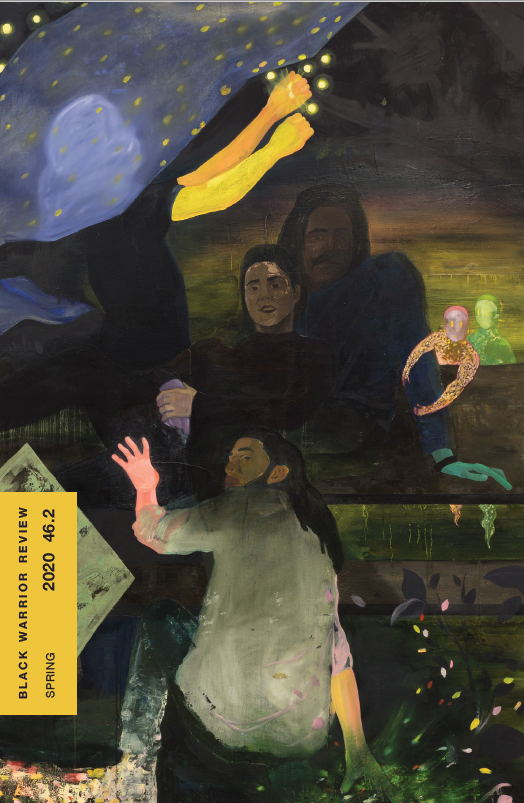
Black Warrior Review is the graduate English department publication of the University of Alabama and is produced twice a year. This literary magazine seeks to embrace diversity and risky fiction; it welcomes both authors and stories with diverse backgrounds, including LGBTQ, (dis)ability, and people of color. Although it prefers contemporary fiction to strict category genres, magical realism and futuristic stories are encouraged — anything that pushes boundaries and encourages deep thought is embraced.
Black Warrior Review reads general fiction, nonfiction, and poetry submissions from December 1 — March 1 and June 1 — September 1. Submissions are accepted through Submittable at bwr.submittable.com/submit. There is a $3 submission fee for general categories. They say they use these fees to pay contributors.
Black Warrior Review also accepts graphic novels and visual narratives.
Payment: They offer royalty payments to regular-submission print contributors between $100 and $220, depending on the length of pieces.
These numbers are subject to change per issue and differ for contributors to Boyfriend Village (their online edition) and for chapbook and featured-art contributors.
Ploughshare
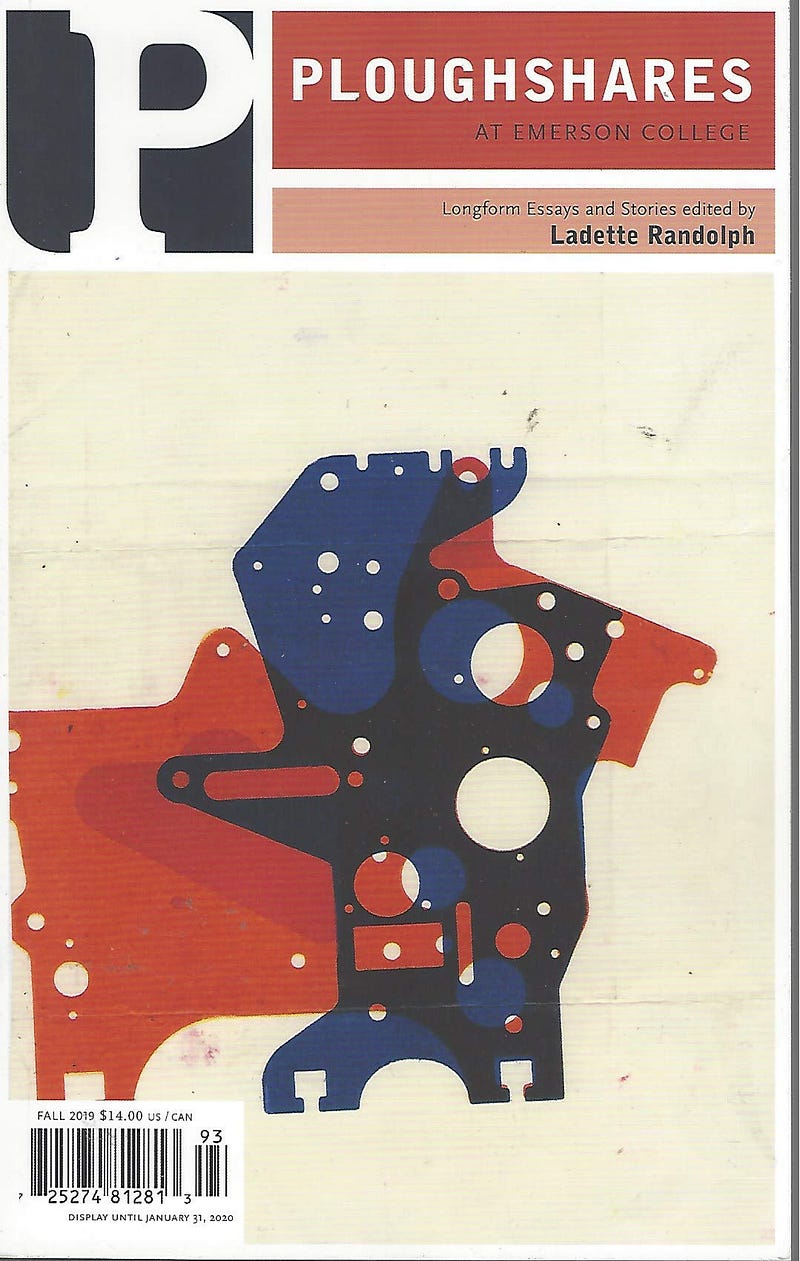
Ploughshares has published quality literature since 1971. Their award-winning literary journal is published four times a year while their literary blog publishes new writing daily. They have been based at Emerson College in downtown Boston since 1989.
They have four categories to choose from for submission. They are:
The Journal, please see the guidelines here.
The Ploughshares Solos series, featuring longer works of fiction and nonfiction, please see the guidelines here.
Look2 essay to the journal, please see the guidelines here.
Emerging Writer’s Contest — for writers who have never published or self-published a book, please see the guidelines here. The 2020 contest judges are Kirstin Valdez Quade (Fiction), Ilya Kaminsky (Poetry), and Esmé Weijun Wang (Nonfiction).
Payment is upon publication:
- $45/printed page, $90 minimum per title, $450 maximum per author.
- Two contributor copies of the issue.
- A one-year subscription.
Carve Magazine
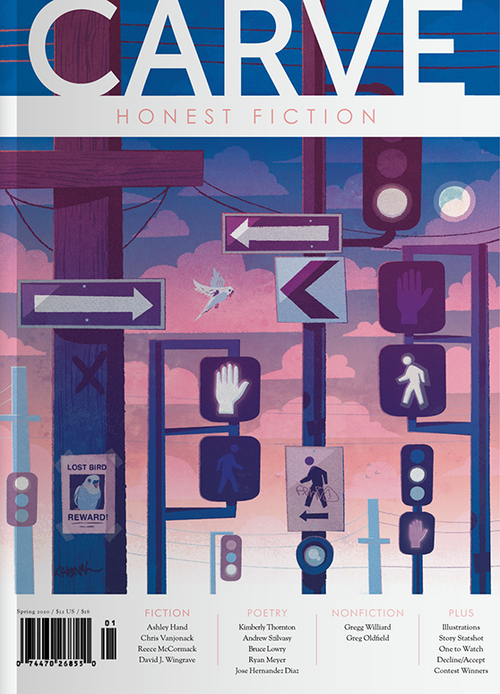
Carve Magazine was founded in 2000 for the explicit purpose of publishing short stories online. Since then, it has hosted the annual Raymond Carver Short Story Contest. Print and digital quarterly issues began in 2012 and featuring HONEST FICTION, poetry, nonfiction, interviews, illustrations, and more. The editors, staff, and volunteers who help the magazine thrive are based all over the world.
They accept short story, poetry, and nonfiction submissions year-round from anywhere in the world.
Carve is specifically looking for:
- Honest fiction in the form of short stories.
- Emotional jeopardy, soul, and honesty.
- Craft and control are tantamount to connection with the characters.
- They highly recommend you read recent stories to get an idea of what they’re looking for.
Payment: $100 per fiction story and offer feedback on 5–10% of declined submissions. They buy first-publication rights for online and print.
Harper’s Magazine
Harper’s Magazine is the oldest general-interest monthly in America and explores the issues that drive national conversation through long-form narrative journalism and essays. The magazine emphasizes beautiful writing and original thought to provide its readers with a unique perspective on politics, society, the environment, and culture.
The essays, fiction, and reporting in the magazine’s pages come from promising new voices, as well as some of the most distinguished names in American letters, including Annie Dillard, Barbara Ehrenreich, and Jonathan Franzen, Mary Gaitskill, David Foster Wallace, and Tom Wolfe.
Harper’s will consider unsolicited fiction. Unsolicited poetry will not be considered or returned.
Payment: Between 25 cents and a dollar a word according to this article.

The New Yorker
In 1925, Harold Ross established The New Yorker as a lighthearted, Manhattan-centric magazine — a “fifteen-cent comic paper,” he called it. Today The New Yorker is considered by many to be the most influential magazine in the world, renowned for its in-depth reporting, political and cultural commentary, fiction, poetry, and humor.
In addition to the weekly print magazine, it has become a daily digital destination for news and cultural coverage by staff writers and contributors. In print and online, The New Yorker stands apart for its commitment to truth and accuracy, for the quality of its prose, and for its insistence on exciting and moving every reader.
Send your story submissions (as PDF attachments) to [email protected], or by mail to Fiction Editor, The New Yorker, 1 World Trade Center, New York, NY 10007.
They also accept poetry submissions, humorous stories, and cartoons.
They read all submissions within ninety days, and will contact you if they are interested in publishing your story. Because of the high volume of submissions they receive, they will only contact you if your story is accepted.
Payment: According to Brian Henry at the Quick Brown Fox, they pay $7500 for a short story.
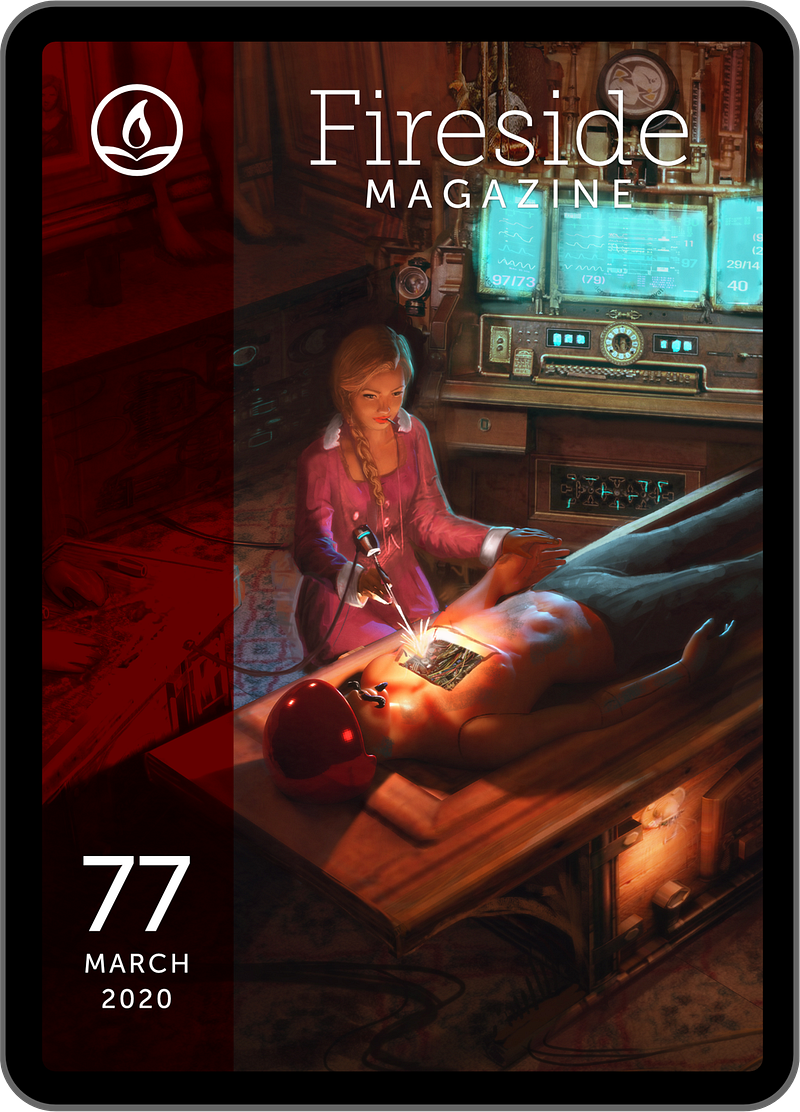
Fireside Magazine
Fireside welcomes previously unpublished work and considers ‘published’ to include work posted on Patreon or a blog. They accept submissions in English or Spanish from all writers. They are especially interested in seeing work from people of color, LGBTQIA people, disabled people, religious minorities, and people outside the United States. They strongly encourage submissions from people of those backgrounds, and all others whom traditional publishing has historically excluded.
Fireside holds a submissions period for each upcoming issue of Fireside Quarterly. This year, Fireside will be open to submissions for short stories during the following periods:
- June 15, 2020 to June 19, 2020
- Submissions period for the Spring 2021 Issue, edited by Ryan Boyd.
- August 24, 2020 to August 28, 2020
- Submissions period for the Summer 2021 Issue
- November 30, 2020 to December 4, 2020
- Submissions period for the Autumn 2021 Issue
They accept short stories up to 3,000 words.
Payment: Payment of 12.5 cents per word. Fireside acquires English language rights in print, digital, and audio formats.

One Story Inc.
One Story is an award-winning, 501(c)(3) not-for-profit literary publisher committed to supporting the art form of the short story and the authors who write them — through One Story, One Teen Story, education, community, and mentorship.
Since 2002, One Story has published over 200 writers, and is now one of the largest circulating literary magazines in the country, with over 15,000 readers. Over half the stories One Story published are listed among the top 100 in best-of anthologies like Pushcart, Best American, and the PEN/O. Henry.
One Story is devoted to the development and support of emerging writers. One Story has published over 250 authors in One Story and One Teen Story, many at the beginning of their careers. One Story mentors these writers, helping them navigate the publishing world, and promoting their books through email blasts, on our web site and social networks, in a quarterly printed insert in the magazine, and at their annual Literary Debutante Ball.
One Story is seeking literary fiction between 3,000 and 8,000 words. They can be any style and on any subject as long as they are good. They are looking for stories that leave readers feeling satisfied and are strong enough to stand alone.
Payment: $500 and 25 contributors copies for First Serial North American rights. All rights will revert to the author following publication.
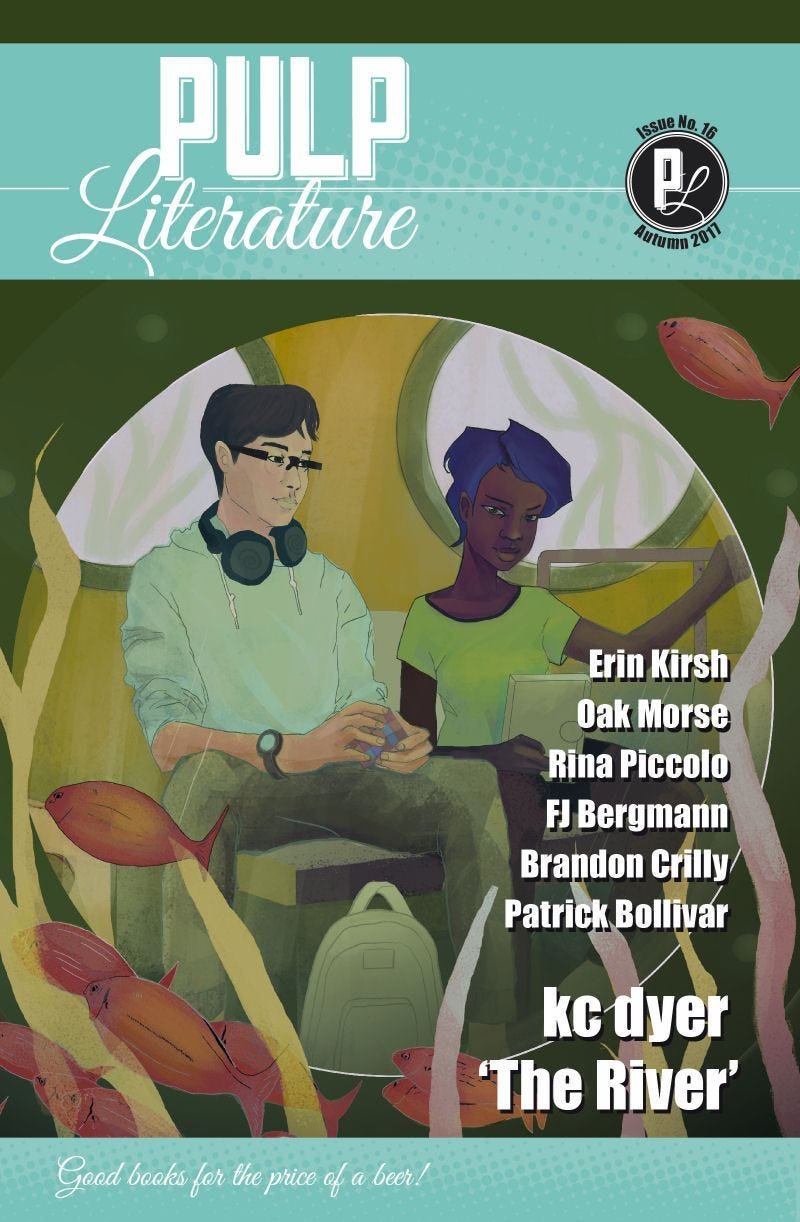
Pulp Literature Press
Pulp Literature Press was the brainchild of Jen, Mel, and Sue, a trio of writer-editors who took the advice “write what you want to read” one step further, to “publish what you want to read.”
They love genre stories and are devoted to science fiction, fantasy, mystery, history, thriller, or chiller — all of it as long as it’s well written. They also love literary fiction created with beautiful prose that utilizes soul-searching themes and powerful and complex character development.
They believe genre fiction IS literary and want to publish writing that breaks out of the bookshelf boundaries, defies genre, surprises, and delights.
There are two segments the magazine considers: exceptional emerging talent and established writers and artists who wish to break out of their genre confines.
Pulp Literature magazine contains short stories, novellas, novel, and graphic novel excerpts, illustrations and graphic shorts in any genre or between-genre work of literature, or visual art (black and white for interiors, color for covers) up to 50 pages in length.
Short stories, novellas, poetry, comics, illustrations — bring it on.
If you’re an established author, they want you to submit the pieces you’ve hidden under your bed, your midnight experiments that didn’t fit into your genre, and the little things that have no other home. Go wild!
If you’re a new writer, send in your most thrilling, funny, or heart-rending work in any genre.
They accept simultaneous submissions. Previously printed pieces may be considered.
Payment: $0.05 — $0.08 per word for short stories (to 7000 words), $0.03 — $0.06 per word between 7000 and 10000 words, and $0.02 — $0.04 per word for works over 10000 words.
For poetry and interior illustrations between $25 — $50.
Sequential art (graphic novels and cartoons) and illustrations are at a rate of $25 to $75 per page.
They purchase exclusive first world rights, print and digital, for 120 days from the publishing date, after which all rights revert to the author.
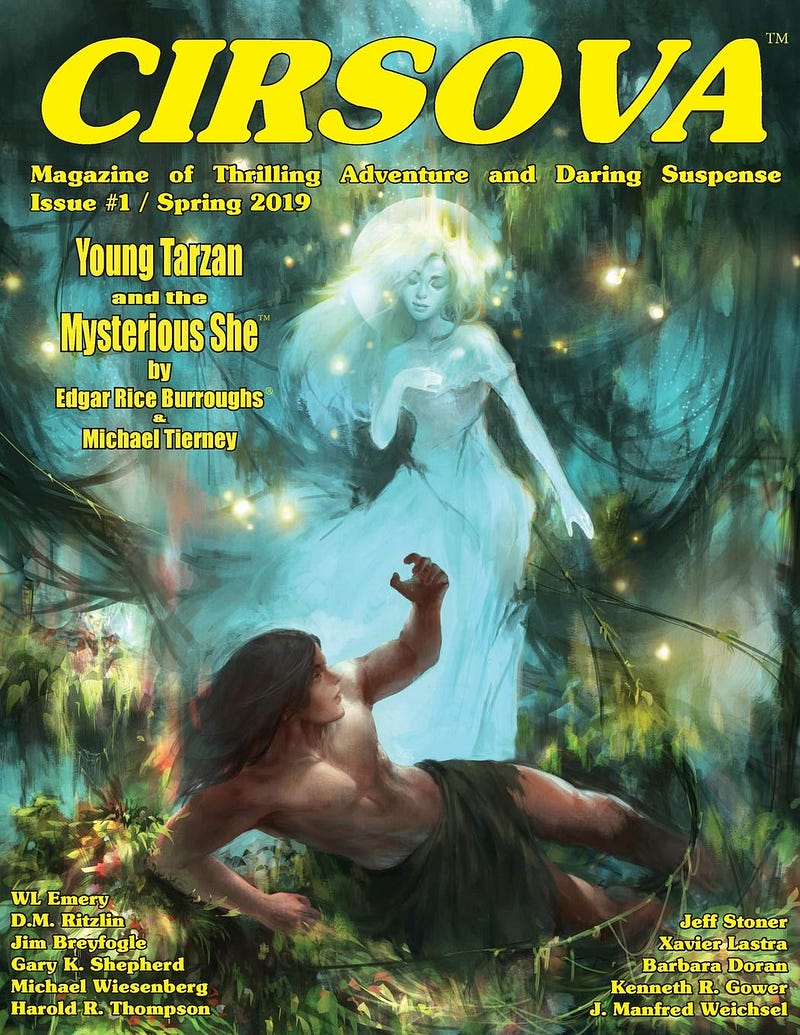
Cirsova
Cirsova is a publishing company for independent fantasy and science fiction. It is the “Magazine of Thrilling Adventure and Daring Suspense!” They have been operating since 2016 and have put out thirteen issues and a handful of side publications, namely Duel Visions, an anthology of weird and macabre fiction from Misha Burnett and Louise Sorensen, Michael Tierney’s Wild Stars space opera novels and comics and a fully illustrated 70th Anniversary Edition of Leigh Brackett’s Planet Stories-era Eric John Stark novellas.
In 2017, the magazine was a Hugo Award Finalist for Best Semi-Pro Zine. In the spring of 2019, they published Young Tarzan and the Mysterious Shea, a previously “lost” Tarzan story by Edgar Rice Burroughs, posthumously completed by Michael Tierney.
Submissions should be in finished, final draft form. Please do not send unedited works, excerpts, or pitches.
Submissions will open in Fall 2020.
Cirsova is looking for original short stories between 2000–7500 words in the following subgenres:
- Raygun Romance
- Radium Adventures
- Sword & Planet
- Space Cops
- Raymond Chandler But In Space
- SFF Heists
- Weird Fantasy, Science Fiction, and Horror
- Lost World
- South Seas Adventure
- Pre-Historic/Antiquity
- Occult Detective/Mystery
- Mad Science
- Monstergirls (but keep em classy!) and other dames
Payment: $0.0125 per word for first publication/serialization rights and 6 months of exclusivity following publication of the piece.
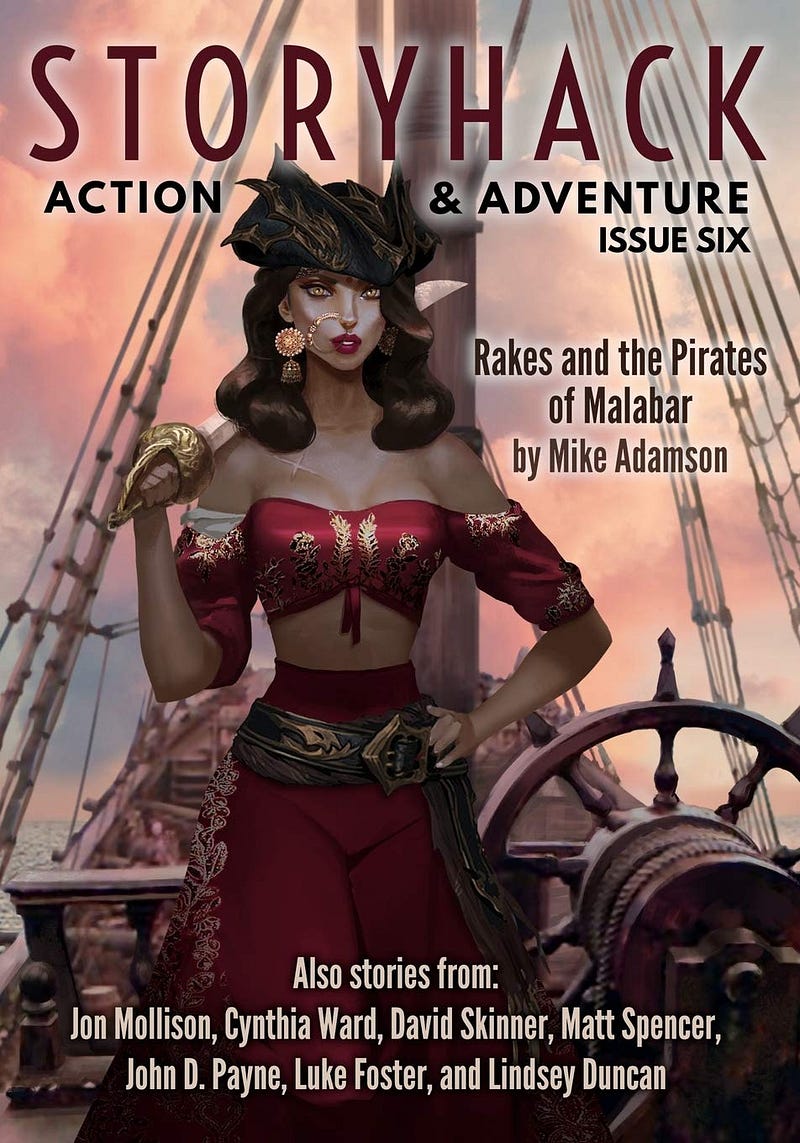
Storyhack Action &Adventure
StoryHack is a modern fiction magazine in the style of the classic pulps. It features action and adventure stories in a variety of genres.
By action, it means that there should be characters actively engaged with an antagonist who represents an imminent physical danger. It must include fistfights, car chases, vine-swinging (alligators or spikes below), jungle insects, all of that. The protagonist must have an active role in the plot, rather than just having stuff happen at him or her.
By adventure, it means the character must do remarkable things in an exotic locale or situation. There must be heroism. The protagonist can be in any time period, a fantasy world, or have a bizarre profession. Something about his or her situation should transport the reader out of the real world and allow them an escape.
Any genre will do:- Space opera, spy thriller, sword & sorcery, lost world, high-seas swashbuckling, occult detective, treasure hunt/explorer, western, technothriller, anything. As to style, think Robert E. Howard, Edgar Rice Burroughs, A. Merritt, Leigh Brackett, Doc E. E. Smith, Kenneth Robinson. Think fun and energetic.
The magazine is looking for short stories and novelettes 2,000–17,500 words. The sweet spot is probably 9–10k words.
Payment: $0.01 / word for worldwide 1st print and ebook rights with four months exclusivity. Payment via check or Paypal.
There are probably more magazines out there but for this list I featured established magazines and ones that are active now.
May you write swift and true and may your words resonate. Good luck!


