
20 lines. 20 lives. 20 good-byes.
The remembrance of COVID-19 deaths as a moment of self-reflection
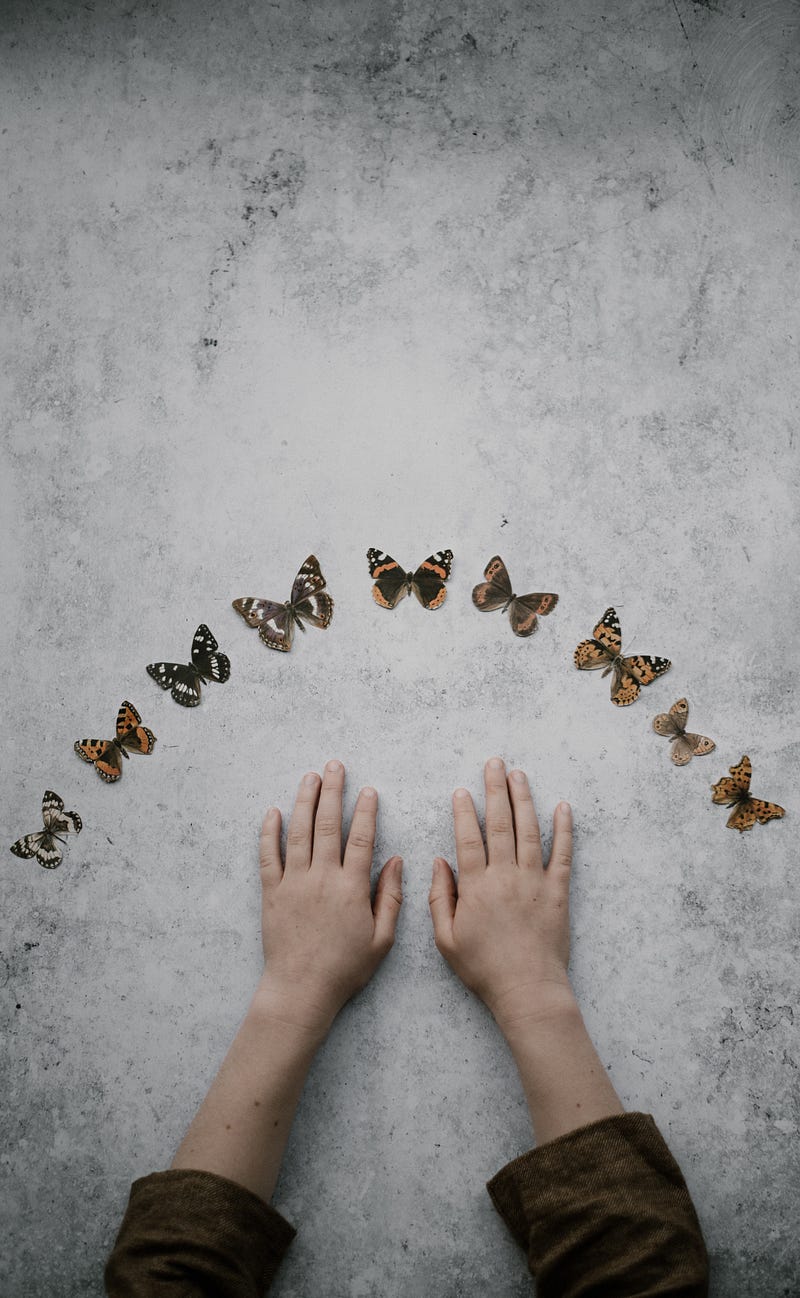
Great-grandmother with an easy laugh.
Put himself through college.
Played the saxophone at Denver jazz club for 40 years.
Early woman on Wall Street and a World Bank official.
Saved 56 Jewish families from the Gestapo.
Devoured art in every medium.
Champion of social justice through architecture.
Could make anything grow.
Created many wonderful memories for family.
Worked for the FBI during World War II.
Avid reader, an accomplished chess player and an exceptional marksman.
Admired for her fashion sense, especially her collection of hats.
Mother to a generation of AIDS patients.
Loved dogs, puzzles and books.
Pioneer in the field of autism research.
Loved to figure out how things worked.
Nurse with a zest for travel and knowledge.
Surgeon who separated conjoined twins.
Famous in his family circles for his birra beef stew.
Broadway costume dresser.
20 lines. 20 lives. 20 good-byes. 20 that I selected from the very many that are listed by this New York Times article.
People like you and me, who celebrated the 2020 New Year’s Eve, hoping for the best in the year to come. Just like we all did, as we poured some wine or champagne, hugging our dear ones, and enjoying the night.
I have taken the time to read through each and every remembrance of the COVID-19 victims; this was posted by the journalists, as the threshold of 100 thousand deaths has been surpassed in the U.S. these days. Initially, I was heartbroken, as the names and numbers passed in front of my eyes, as I scrolled down the page full of silhouettes. I felt the page was endless. I thought about how it would look like if they had a page for the entire world …
At some point, a feeling of calmness embraced me, as I could sense a form of art and beauty in each short row. It made me think of haikus. It made me think of books’ titles. Or maybe at notes on a postcard.
Traces
I wonder if those who are no more, would recognize themselves in those short descriptions, if they felt it summed up well enough the essence of their lives. For some, what remained in the memories of their descendants and friends were hobbies, for others their social role, and for some the little things that made them unique: how they cooked, how they smiled, how they embraced. There was no description like: he was rich, she had cellulite-free legs, he had the perfect 6-pack abs, she had innumerable papers published in journals … there was nothing like he made his boss happy, or she was perfect with reporting and meeting deadlines, nothing about likes, shares, and social media statistics…
How would a one-line memory about my life look like on that page? How it would be if I would write it? And what words would others choose to describe my existence, if it ended today? How would it look in your case?
I guess going through these questions can turn into an expected spiritual exercise, if taken with an open mind and if some time is allowed, to simply let the thoughts and emotions distill and guide us.
Between meaningless and meaningfulness
I am no scholar in the history of religions, nor in philosophy. I am also not a spiritual guide. In short, I do not consider myself qualified to provide any recipe on how to lead this self-inquiry process. But, as I went through my share of pains and tribulations, I have synthesized my own opinion. I have found that there are spiritual practices which take a more directive stand, explain the world in a certain manner and provide purpose to our living, through alignment with a dogma; I identify the main religions as being part of this pre-set, ready-made approach. At the other end of the spectrum, there are practices and philosophies that help us embrace our nothingness and accept that we do not matter in the big scheme of things. Stoicism and existentialism are included in this category.
There is also the perspective that proposes both aspects to be true: our lives are at the same time insignificant and meaningful. We are negligible in the big scheme of things, and not even a speck in the big Universe; regardless of us believing our conscience exists or not after death, we’re just a grain of sand. In spite of that, some of our actions, especially those driven by compassion, love, and care for those around us, either humans, animals, or birds, can make a difference, in the small time-space frame that we pass through.
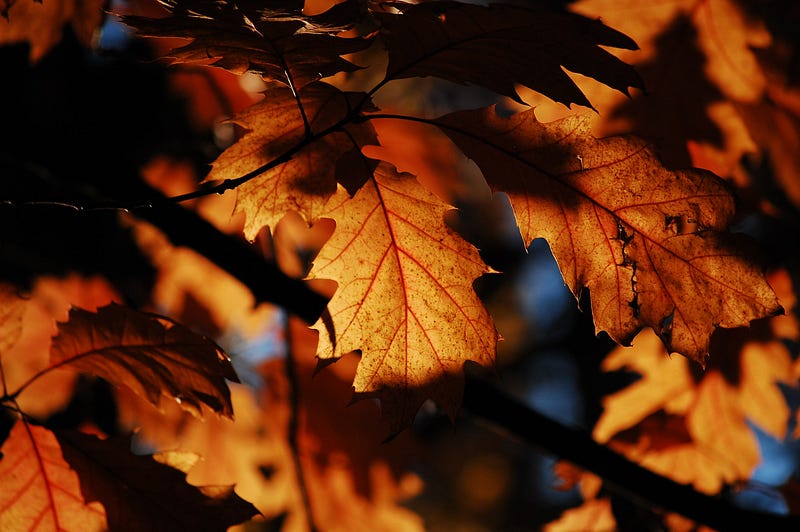
Even remembrance is made to pass; all the stories of the above people will fade away and at some point will be erased. As each and every one of us will be. As each flower will wither, as each perfect golden glow on a tree leaf will be engulfed by shadow, as each wave will break and disappear into the insides of the sea.
Can we accept that ephemerality and still write our own short memento in peace?
These are no answers, just questions.
Other articles:
© Ana-Maria Schweitzer 2020
I am a Romanian health psychologist, working in philanthropy and involved in developing prevention and care programs for people with chronic conditions. As a seeker of meaning, I use writing and playing with words, as ways of uncovering both the order and disorder that reign inside and outside our minds.