
20 Family Vacation Ideas for All Budgets
Think outside all-inclusive resorts
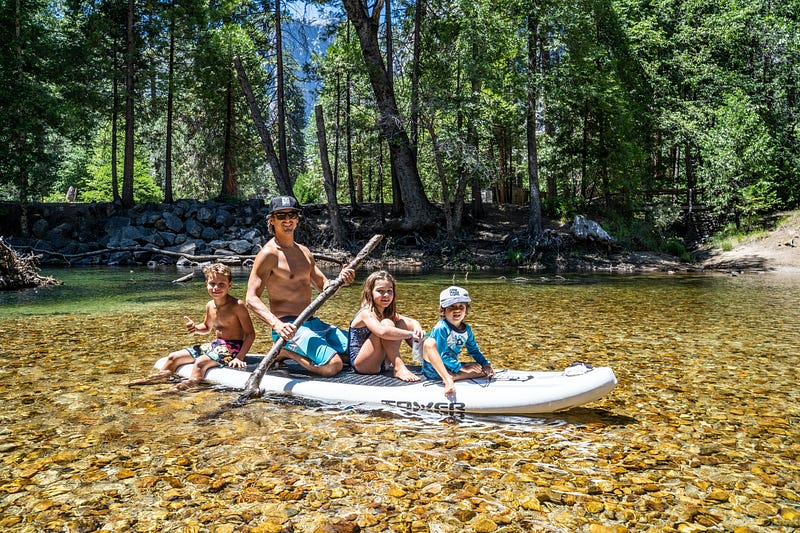
Family vacations can be a lot of work for parents. Small children, large families, kids with special needs, and different school and extracurricular schedules make planning and execution a challenge.
Some parents have resigned to all-inclusive resorts as their only option until kids grow up.
If you love what all-inclusive resorts have to offer, and the carefree style of a resort is exactly what you crave, no need to read further — you are all set.
If you want something more — or different, here are a few ideas.
Some might require more preparation, but they will be vacations in the real world, not behind the razor-wire compound walls.
1. Beach $$-$$$
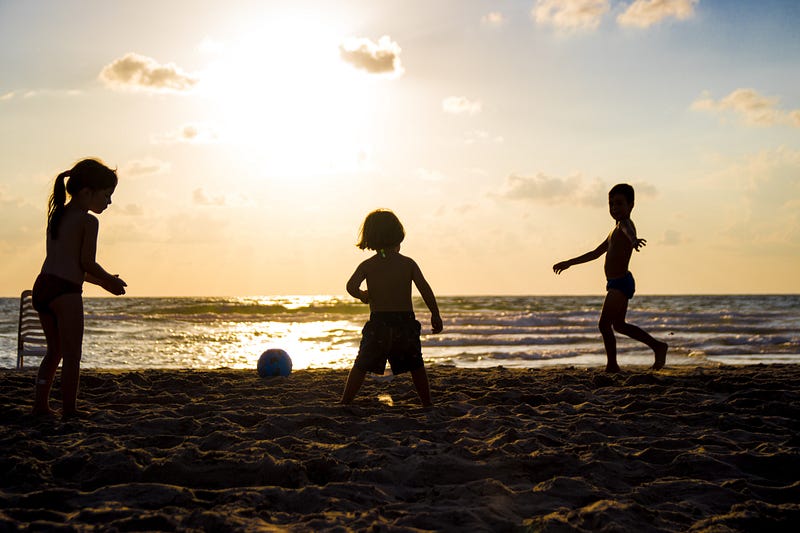
Rent a place near a beach, or explore different beaches at your destination. Bring picnics to the beach, come at dawn and at sunset, stroll along when it’s raining, or bring a chair and read to the sounds of the ocean.
In most places, you can buy cheap beach toys, shovels and buckets for kids to invent their own games.
When slow travelling in the Azores, we lived in several places and went to a dozen different beaches. It never got boring.
2. Camping $
Lovers of camping can spend a week or two living out of a tent or trailer in a beautiful campground area.
If your budget is tight, it can also make a difference between travel, while a bit hectic, or staying home.
Choose based on the activities you like — canoeing, hiking, swimming or rock climbing. You can travel from place to place while tenting on good nights and staying in a motel when it rains.
We travelled for two weeks around Atlantic Canada with three kids and a tent. The plan included seven nights of camping with a couple of nice hotels in between.
We had to cut down from seven to five nights due to weather, but even then we saved more than a thousand dollars on hotels and eating out, since we had a camping stove.
We also had some unique experiences, such as stargazing at the Kejimkujik National Park designated as a dark-sky preserve.

3. Road trip $-$$
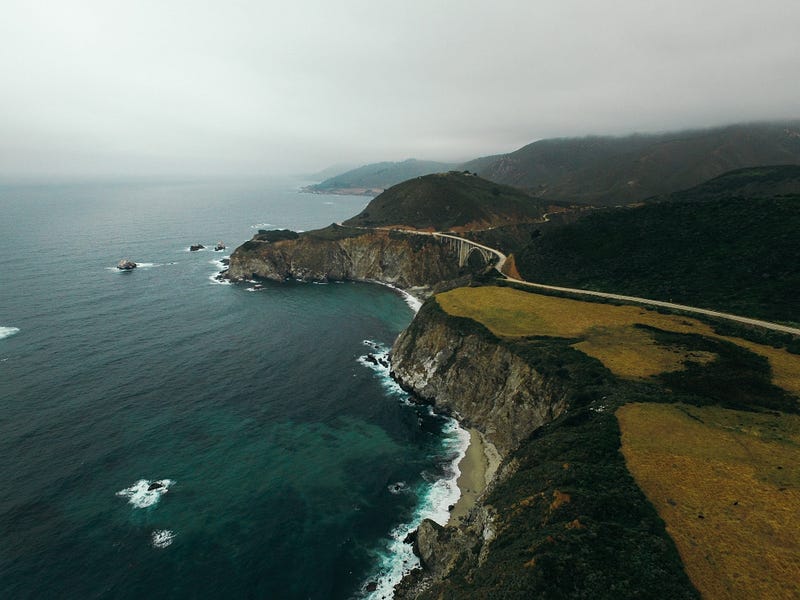
Choose one of the many amazing road trip routes in your country, take your car (or rent one) and go. You can stay in hotels and B&Bs on the way, or rent an RV.
In season, you might have to pre-book your accommodations and have a set itinerary. Sometimes, you can get away with deciding on the fly.
With a car, you are free to choose where and how to spend time. As a bonus, you will have space for extras such as sports, photo or cooking equipment.
4. Cycling trip $-$$
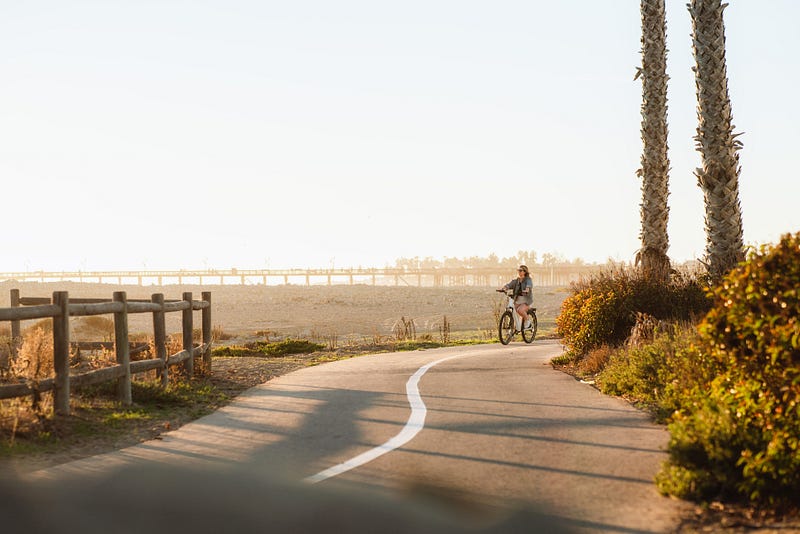
This is for cycling enthusiasts and older kids — serious preparation required. You can ride along picturesque roads instead of highways.
Make use of specialized cycling tour companies that will transport your luggage and provide back-up transportation.
As an option, one parent can ride with the kids while the partner drives the car and remains on standby in case anyone needs rescuing. Or, alternate cycling and driving.
5. Hiking trip $-$$
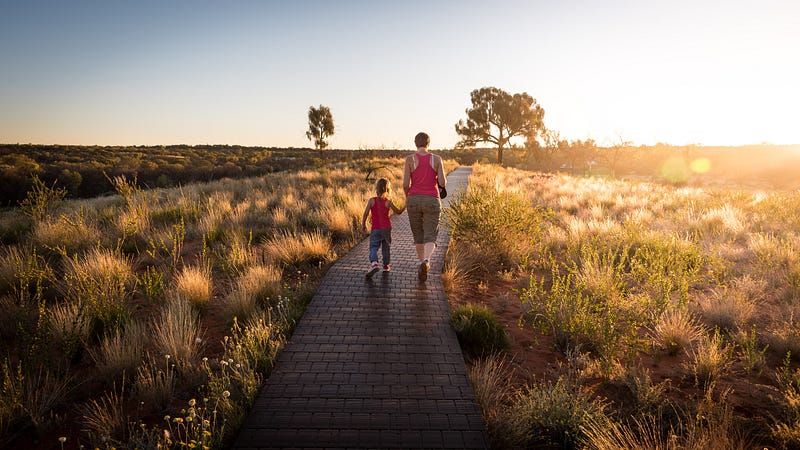
Stay in a place that offers a lot of hiking opportunities and go on different hikes from the base camp. Often such places also boast water attractions — lakes, streams and pools. Swim or hang out in the pool after a long hike, and lounge on a balcony after dinner.
We had a great time hiking in the Finger Lakes region in upstate New York.
6. Mountain trekking or easy climbing $$-$$$
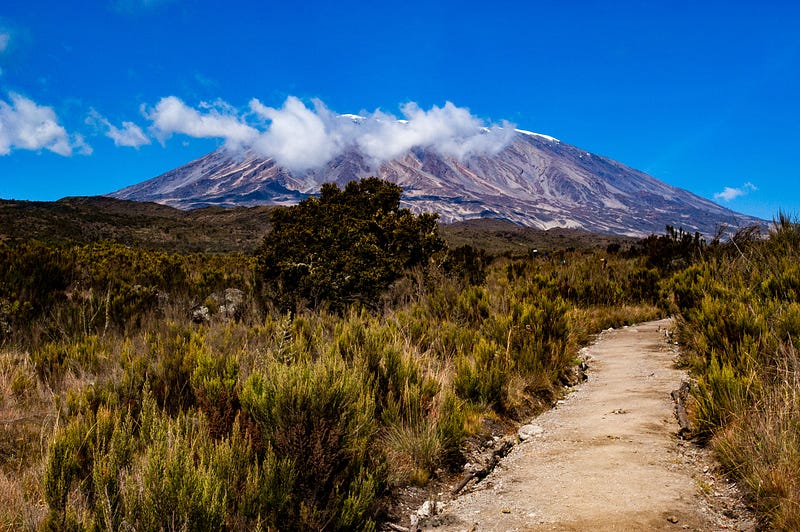
Some people do it with their pre-teens and teens — use the services of a reputable firm.
Our experience was a week-long mountain trip with a couple of one-hour easy climbs as practice runs, followed by a grand finale — a climb to an iconic 2K mountaintop.
7. Skiing vacation $$-$$$
Stay in a mountain village and … you know… ski all day until you are ready for your nightly bowl of soup, hot cocoa and an early bedtime.
Many ski resorts offer skating, snowshoeing and other winter activities. If you can stay for a week, take a one-day break in the middle and explore.
To save money, stay off a resort — rent a place nearby and drive to the mountain in the morning.

8. High-season sightseeing $$$
Visit a popular place during the high season, when all the sights and attractions are open.
It may be crowded and the lines long — but you may not have a choice if you can only travel when schools are out.
High season also means you can attend special events — festivals or sporting events. Go for it if this is your cup of tea and your family thrives on being right in the middle of the excitement.
9. Off-season sightseeing $-$$
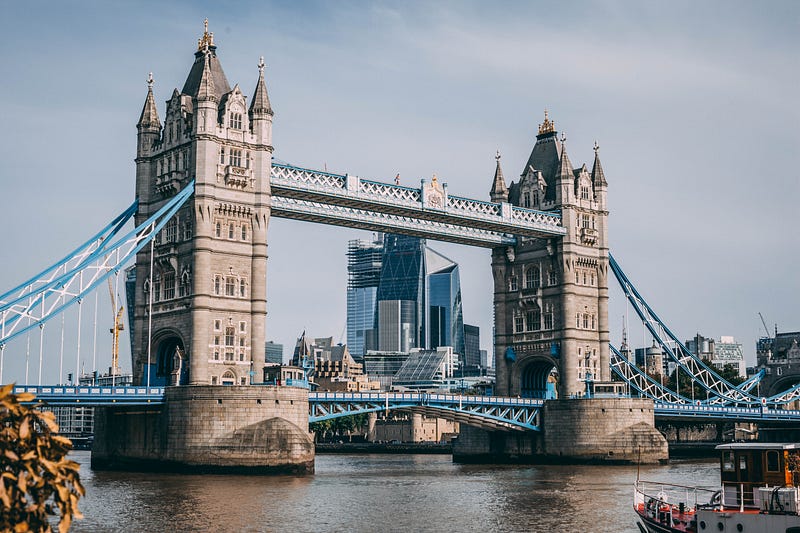
Enjoy a different atmosphere if you can travel off-season or in the shoulder season.
Some attractions may be closed. Some roads may only be accessible in specially equipped vehicles.
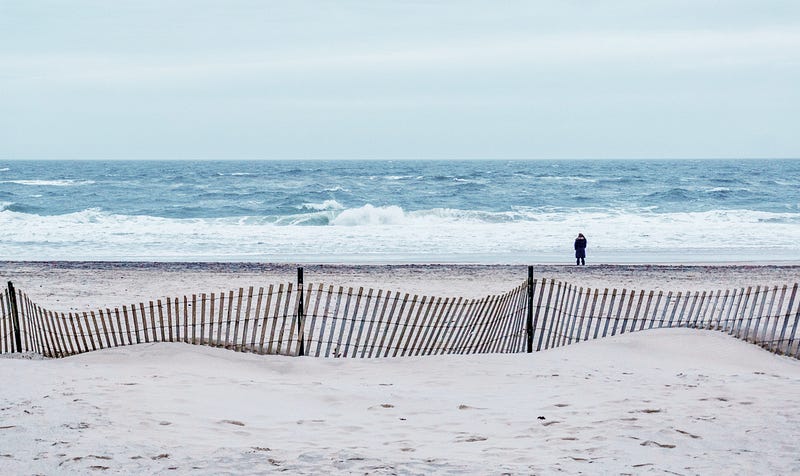
If you plan right, you will find things to do — museums, walking along empty windy beaches, or dining in a half-empty restaurant with a view of the mountains that would be impossible to book in high season.
We enjoyed places like libraries, local history museums, farmer’s markets, symphony concerts, art galleries and shops.
10. Educational $-$$
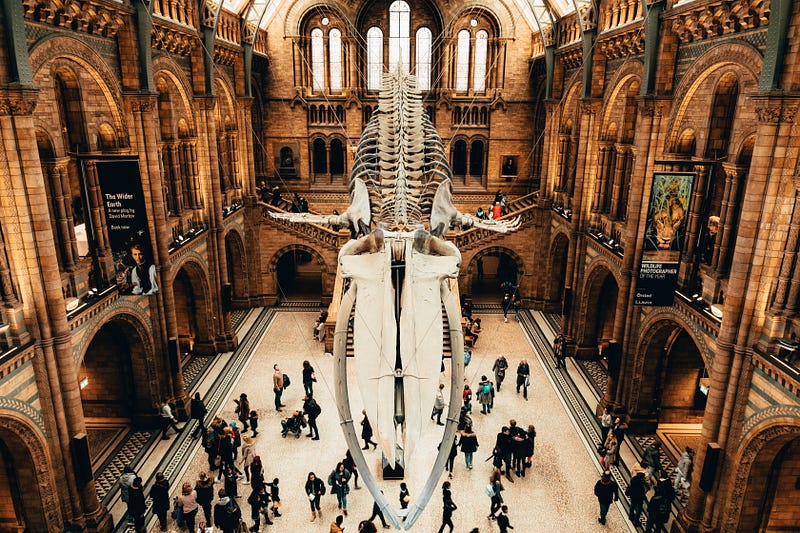
Choose a place that boasts lots of museums — science, technology, art, history, or whatever tickles your (or your kid’s) bones.
In the U.S., major cities like New York, Washington D.C. and Chicago are all great choices. The Smithsonian can keep kids occupied for a whole spring break. We have amazing memories from MoMath in N.Y.
During four days in Chicago, we visited a museum or two every day, and it wasn’t enough. On our last morning in the Chicago Museum of Science and Industry, kids started crying when it was time to go home.
11. Language immersion $-$$
Go to a country that speaks the language your family or kids are learning. Just live there, or place kids in an activity where they can practice the language, and then absorb it everywhere you go.

12. Short bursts of activity (2–4 days) $-$$
Sometimes, long weekends and holidays like Easter are your only opportunities to get away outside of big school breaks.
Take any ideas from this list and apply them to a place within easy reach.
13. Holiday-centered $-$$$
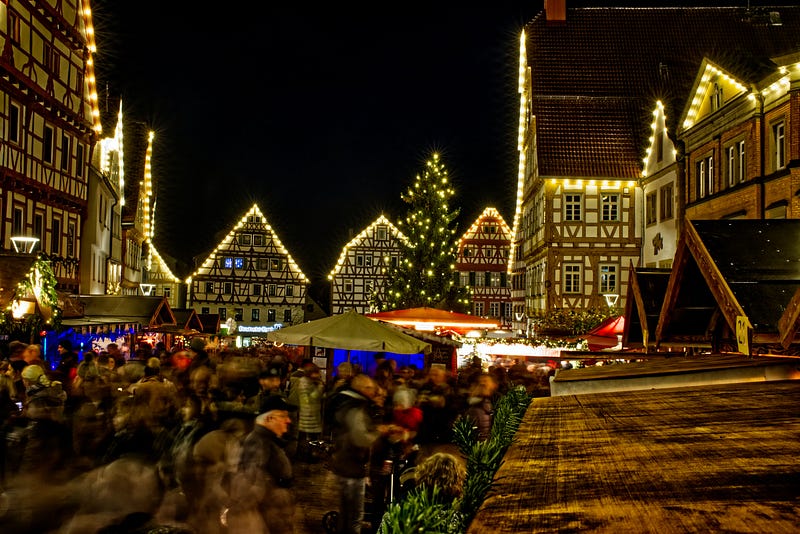
Rather than spending the Christmas week at home, go to a new place, and join in on holiday activities. Learn about other cultures and the meaning of holidays in other parts of the world.
14. Local roaming $
Also known as “staycation”, it is an inexpensive and easy way to structure a few free days. Live at home and take day trips, pretending you are a tourist.
Often we visit every cheesy attraction when travelling, and ignore amazing places close to home.
15. Water activities $-$$$
You don’t have to lie down on the beach. Take surfing or scuba lessons, paddleboard, rent a canoe or go snorkeling.
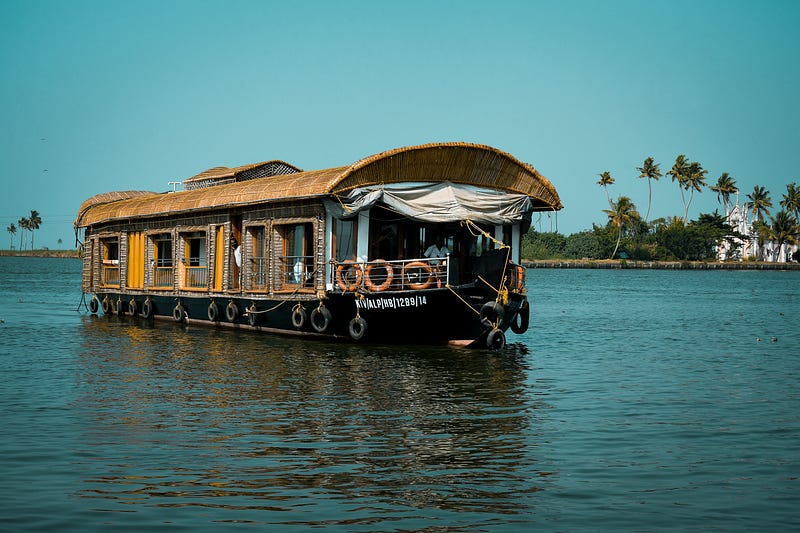
Another idea we still have to try is a houseboat. You can drop an anchor and swim off your front door, or travel along — just know where you can park your boat and access service facilities.
16. Animal-centered $-$$
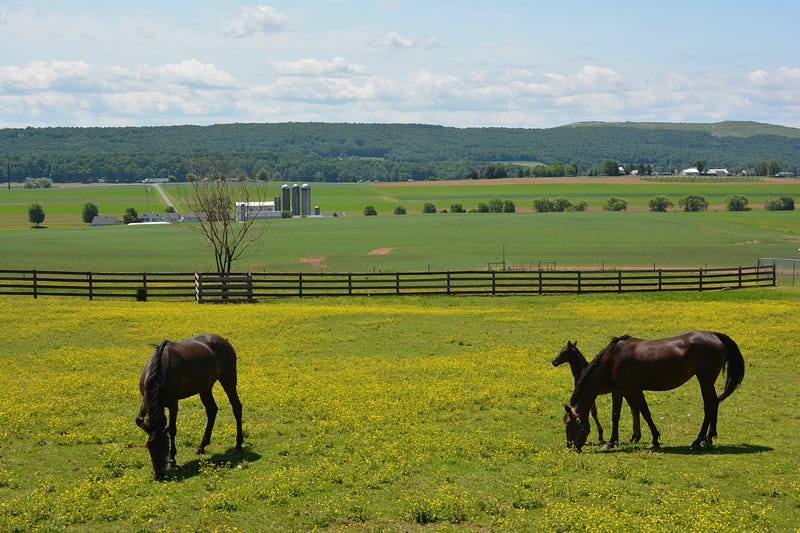
Animal lovers can look for opportunities to spend time with their favorite creatures — preferably in their natural habitat.
It can be an eco-park, a farm, a horse ranch, or volunteering for a conservation effort. This ties in with the broader theme of volunteering.
17. Volunteering $-$$
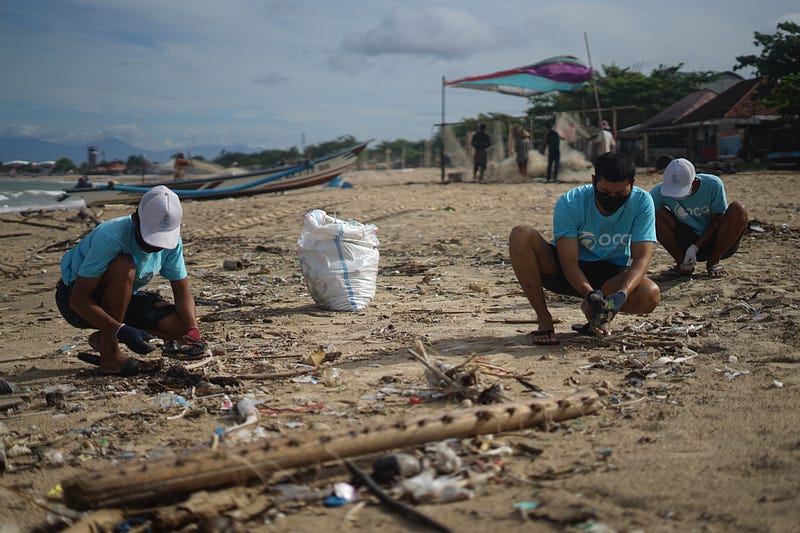
Many organizations offer opportunities to travel while volunteering. It could be helping with wildlife conservation or an animal sanctuary, agricultural work, food preparation, or children’s activities.
18. Visiting family $-$$
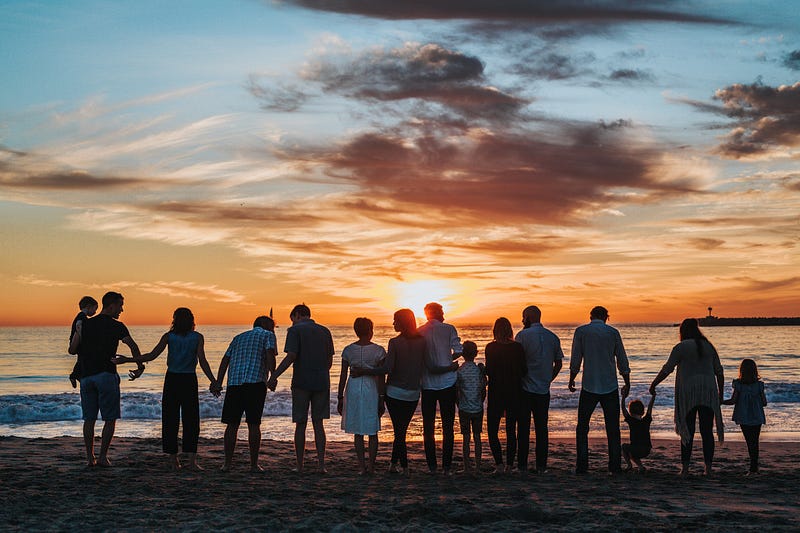
Visiting family members hits multiple targets. Family duty, letting the offspring learn about their extended family, plus saving money when staying with relatives.
It doesn’t have to be all or nothing — be a guest for a few days, then visit other places on your own.
19. College exploring $-$$
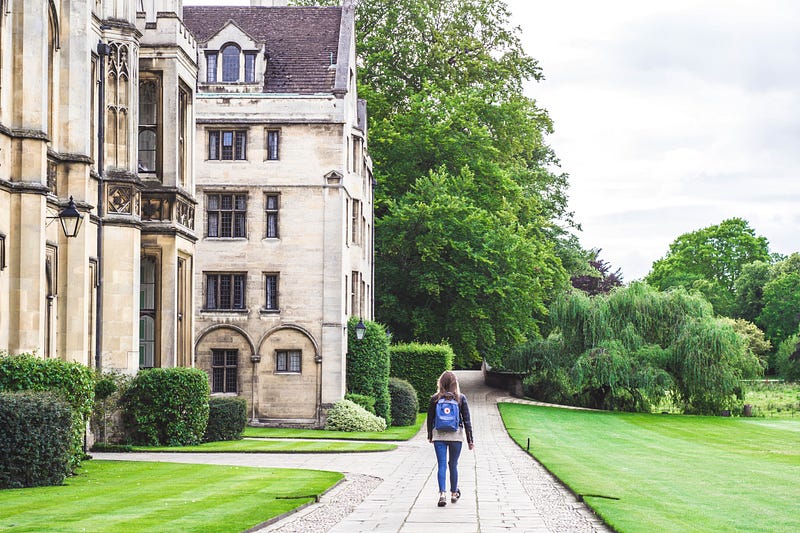
College towns are often the prettiest, greenest and most vibrant. There are always things to do, museums, exhibitions, and youth-oriented activities.
Explore less known but worthy education options, with extra sightseeing on the way. Sometimes, seeing a little-known place and falling in love with it can be a deal breaker.
20. Slow travel $-$$$
A trip centered around maximizing sightseeing can become hectic and tiring.
If you can afford more time, consider slow travel. Take more time off work and live in another country.
Enjoy the sights without racing to an ambitious finish. Explore the culture, live like locals, and just hang out. Engage in your hobbies, and even squeeze in a bit of remote work if this is what it takes to afford slow travel.
This more mindful way of exploring can teach your children many things they miss when being shepherded on and off a tour bus and told where to look.
When I started this article, I wasn’t sure how long the list will be. I stopped at twenty — it’s a good round number, and who keeps reading past twenty anyway?
While editing, I realized that I completely missed another popular family vacation style — going to a theme park like Disneyland (or a Disneyland cruise).
It must have been serendipity that I got to twenty ideas before even thinking about it.
We’ve never been to Disneyland, and both my husband and I have a theme park prejudice we can’t overcome, topped with a serious dislike of crowds, lines, and the supposed thrill of roller coasters that we don’t share.
We’ve taken our children on many outings with rides, but spending an entire vacation doing that was always, unanimously, off our list. While we were procrastinating with it, our kids became skeptical teens, and we are probably out of danger now.
There you have it. Don’t hate me for skipping Disneyland. Enjoy your family vacation, whatever tickles your fancy.
Let me know what else I missed. Always looking for more ideas — we can dream, right?


