avatarHamza Shafiq

Free AI web copilot to create summaries, insights and extended knowledge, download it at here

2518

Abstract

logical strides not only transformed economic structures but also laid the groundwork for the interconnected global world of the 20th century.</p><p id="a2f4">However the benefits of the Industrial Revolution were not uniformly distributed. Social and economic inequalities intensified sparking labor movements and calls for workers’ rights. Child labor dangerous working conditions and inadequate wages became focal points for reformers and activists. The environmental impact was also profound with rapid industrialization contributing to pollution and deforestation.</p><h1 id="4048">Imperialism That No One Talks About</h1><figure id="b130"><img src="https://cdn-images-1.readmedium.com/v2/resize:fit:800/0*RgWXlN3jY7JZ7J-p"><figcaption>Photo by <a href="https://unsplash.com/@imnotaleo?utm_source=medium&amp;utm_medium=referral">Markus Leo</a> on <a href="https://unsplash.com?utm_source=medium&amp;utm_medium=referral">Unsplash</a></figcaption></figure><p id="2443">Parallel to the Industrial Revolution the 19th century saw the height of Imperialism and Colonialism as European powers sought to expand their influence globally. Motivated by economic interests nationalism and cultural superiority European nations pursued territorial acquisition and resource exploitation. The Scramble for Africa and the carving up of Asia exemplified this imperialistic fervor.</p><p id="8fea">Colonial powers justified their conquests through the lens of the “White Man’s Burden” arguing that they had a moral duty to civilize the “lesser-developed” regions. This imperialistic expansion not only reshaped maps but also had profound cultural and societal impacts on colonized nations. Local traditions often clashed with European values leading to cultural syncretism and at times resistance.</p><p id="45f1">The economic dimensions of imperialism were evident in extracting valuable resources from colonies often to the detriment of local populations. The establishment of trade networks the exploitation of labor and the imposition of unequal treaties further solidified the imperial powers’ economic dominance.</p><p id="fdc4">The 19th-century imperialism also set the stage for geopolitical tensions among European powers culminating in the First World War. The competition for colonies militarization and entangling alliances created a volatile international environment that eventually erupted into a global conflict.</p><p id="05d9">The 19th century was a period of profound change marked by the Industrial Revolution

Options

and the expansion of imperialism and colonialism. These interconnected processes shaped the modern world laying the foundation for the complexities and challenges of the 20th century. The era’s technological innovations and economic transformations brought about unprecedented progress and raised pressing social political and environmental issues that continue to resonate today.</p><blockquote id="af69"><p><b><i>I am Hamza Shafiq. I write about facts, poems, history, and entertainment <a href="https://medium.com/@Prowriter123/subscribe">follow and subscribe so you can get the best experience of writing</a></i></b></p></blockquote><p id="7e33"><a href="https://medium.com/@Prowriter123">My mind — Medium</a></p><div id="68f2" class="link-block"> <a href="https://readmedium.com/people-are-dying-7c984707c22d"> <div> <div> <h2>People Are Dying</h2> <div><h3>A crime that is occurring in Palestine we should highlight</h3></div> <div><p>medium.com</p></div> </div> <div> <div style="background-image: url(https://miro.readmedium.com/v2/resize:fit:320/0*okSq1-pAtYE1iCwU)"></div> </div> </div> </a> </div><div id="2140" class="link-block"> <a href="https://readmedium.com/mediums-new-15-membership-cd7f1423b558"> <div> <div> <h2>Medium’s New 15$ Membership</h2> <div><h3>What’s the benefit we are expecting</h3></div> <div><p>medium.com</p></div> </div> <div> <div style="background-image: url(https://miro.readmedium.com/v2/resize:fit:320/0*FBEd5KJG0mHIshvL)"></div> </div> </div> </a> </div><div id="d972" class="link-block"> <a href="https://readmedium.com/why-young-leaders-are-our-choice-now-e39da1cb6c3a"> <div> <div> <h2>Why Young Leaders Are Our Choice Now</h2> <div><h3>Young leaders are increasingly becoming our choice for several important reasons. Firstly young leaders bring fresh…</h3></div> <div><p>medium.com</p></div> </div> <div> <div style="background-image: url(https://miro.readmedium.com/v2/resize:fit:320/0*B73FnXIHNsVgYV7a)"></div> </div> </div> </a> </div></article></body>

19th Century Back Story

How the industrial revolution and imperialism and colonialism changed the history
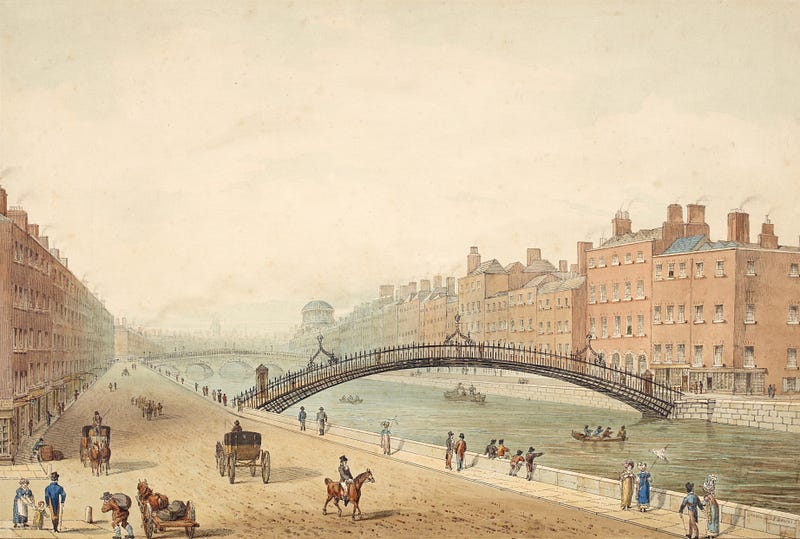
Photo by Europeana on Unsplash

In the 19th century I witnessed profound transformations that reshaped the global landscape with two key prominent phenomena: the Industrial Revolution and the age of Imperialism and Colonialism. These developments altered economic structures and had far-reaching social political and cultural implications.

The Industrial Revolution often considered the bedrock of modernity unfolded primarily in the late 18th and 19th centuries. The shift from rural and manual labor-based economies to industrial and machine-driven production marked a seismic change. It commenced in Britain and swiftly spread to Europe North America and beyond. Technological innovations such as the steam engine mechanized textile production and the development of iron and steel industries characterized the revolution.

This transformative phase had profound effects on society. Urbanization surged as people migrated from rural areas to burgeoning industrial centers in search of work. The factory system emerged bringing a new class structure: the industrial bourgeoisie and the urban proletariat. While the bourgeoisie amassed wealth through industrial ventures the working class faced challenging conditions including long working hours meager wages and inadequate living conditions.

The Industrial Revolution Of the 19th Century
Photo by Steven Van Elk on Unsplash

The Industrial Revolution also fueled scientific and technological advancements. Innovations in transportation like the steam locomotive and steamship revolutionized trade and communication. The telegraph a groundbreaking invention facilitated near-instantaneous long-distance communication. These technological strides not only transformed economic structures but also laid the groundwork for the interconnected global world of the 20th century.

However the benefits of the Industrial Revolution were not uniformly distributed. Social and economic inequalities intensified sparking labor movements and calls for workers’ rights. Child labor dangerous working conditions and inadequate wages became focal points for reformers and activists. The environmental impact was also profound with rapid industrialization contributing to pollution and deforestation.

Imperialism That No One Talks About
Photo by Markus Leo on Unsplash

Parallel to the Industrial Revolution the 19th century saw the height of Imperialism and Colonialism as European powers sought to expand their influence globally. Motivated by economic interests nationalism and cultural superiority European nations pursued territorial acquisition and resource exploitation. The Scramble for Africa and the carving up of Asia exemplified this imperialistic fervor.

Colonial powers justified their conquests through the lens of the “White Man’s Burden” arguing that they had a moral duty to civilize the “lesser-developed” regions. This imperialistic expansion not only reshaped maps but also had profound cultural and societal impacts on colonized nations. Local traditions often clashed with European values leading to cultural syncretism and at times resistance.

The economic dimensions of imperialism were evident in extracting valuable resources from colonies often to the detriment of local populations. The establishment of trade networks the exploitation of labor and the imposition of unequal treaties further solidified the imperial powers’ economic dominance.

The 19th-century imperialism also set the stage for geopolitical tensions among European powers culminating in the First World War. The competition for colonies militarization and entangling alliances created a volatile international environment that eventually erupted into a global conflict.

The 19th century was a period of profound change marked by the Industrial Revolution and the expansion of imperialism and colonialism. These interconnected processes shaped the modern world laying the foundation for the complexities and challenges of the 20th century. The era’s technological innovations and economic transformations brought about unprecedented progress and raised pressing social political and environmental issues that continue to resonate today.

I am Hamza Shafiq. I write about facts, poems, history, and entertainment follow and subscribe so you can get the best experience of writing

My mind — Medium

Life
Life Lessons
History
Lifestyle
Self-awareness
Recommended from ReadMedium