avatarDark Energy Articles

Free AI web copilot to create summaries, insights and extended knowledge, download it at here

2622

Abstract

ns were directly related to practical improvements in people’s quality of life. Many of them found applications in everyday life as hobbies. To this day, arts, including music and photography, are appreciated not only by connoisseurs. In many homes, you can find photographs on shelves and walls.</p><p id="cda5">The <b>piano </b>may not be a typical household piece of furniture, but it’s hard to imagine the development of culture without this instrument. The credit for its invention goes to Bartolomeo di Francesco Cristofori.</p><figure id="d705"><img src="https://cdn-images-1.readmedium.com/v2/resize:fit:800/1*8qtQNww1oO3oaxdOHdwU7g.jpeg"><figcaption>[Photo: © Copyright Steinway & Sons”, <a href="https://creativecommons.org/licenses/by-sa/3.0">CC BY-SA 3.0</a>, via <a href="https://commons.wikimedia.org/wiki/File:Steinway_%26_Sons_upright_piano,_model_K-52_(mahogany_finish),_manufactured_at_Steinway%27s_factory_in_New_York_City.jpg">Wikimedia Commons</a>]</figcaption></figure><p id="5e4e">An artist from Italy noticed that musicians had no control over the volume of the harpsichord. To change that, around 1700, he created a hammer mechanism. This is how the modern piano was born, or rather its first model. There were several of them. Cristofori’s instruments from the 1720s can still be admired in museums in New York, Rome, and Leipzig.</p><p id="5142">Some estimate that the 18th century also marked the beginning of <b>photography</b>. We’re talking about images that didn’t yet resemble today’s photographs. The true breakthrough would come in the following years, but already at the end of the 18th century, Thomas Wedgwood and Humphry Davy made prints of ferns and other objects. How? By placing them on white paper or white leather, and then treating them with silver nitrate. Finally, the works were exposed to direct sunlight.</p><figure id="2151"><img src="https://cdn-images-1.readmedium.com/v2/resize:fit:800/1*xC5UlLD-xkueY_a5UcGKgQ.jpeg"><figcaption>[Photo: Heinrich Zaunschirm, <a href="https://creativecommons.org/licenses/by/3.0">CC BY 3.0</a>, via <a href="https://commons.wikimedia.org/wiki/File:Old_Camera_(158926339).jpeg">Wikimedia Commons</a>]</figcaption></figure><p id="1155">The 18th century was also an important chapter in the history of realizing the dream of flying. In September 1783, the Montgolfier brothers, Joseph and Étienne, presented the first <b>hot air balloon</b> to the King of France. Interestingly, the first passengers were not humans, but animals. It wasn’t until two months later, in November 1783, that the Montgolfier balloon lifted two men into the

Options

air.</p><h1 id="e8e9">What were the inventions of the 18th century?</h1><p id="66ca">The 18th century brought many significant inventions. Some of the most important ones include:</p><ul><li>seed drill (1701; Jethro Tull),</li><li>tuning fork (1711; John Shore),</li><li>first mercury thermometer (1724; Gabriel Fahrenheit),</li><li>lightning rod (1752; Benjamin Franklin),</li><li>sextant (1757; John Campbell),</li><li>carbonated water (1767; Joseph Priestley),</li><li>patented electric telegraph (1774; Georges Louis Lesage),</li><li>submarine (1776; David Bushnell),</li><li>first parachute (1783; Louis Sebastien),</li><li>safety lock (1784; Joseph Bramah),</li><li>power loom (1785; Edmund Cartwright),</li><li>chemical bleaching (1785; Claude Bertholle),</li><li>gas turbine (1791; John Barber),</li><li>gas lighting (1792; William Murdoch),</li><li>food preservation jar (1795; Francois Appert),</li><li>smallpox vaccine (1796, Edward Jenner),</li><li>first metal lathe (1797; Henry Maudslay),</li><li>battery (1799; Alessandro Volta).</li></ul><div id="95e7" class="link-block"> <a href="https://readmedium.com/what-were-the-main-inventions-of-the-middle-ages-that-changed-the-world-28257802db3"> <div> <div> <h2>What were the main inventions of the Middle Ages that changed the world?</h2> <div><h3>The Middle Ages is often referred to as the “Dark Ages” or the “Age of Ignorance.” This unfair characterization was…</h3></div> <div><p>medium.com</p></div> </div> <div> <div style="background-image: url(https://miro.readmedium.com/v2/resize:fit:320/1*KoWBldaAa6BJbUvxbBXAng.jpeg)"></div> </div> </div> </a> </div><h2 id="f252">Attention all readers!</h2><p id="bf52"><b><i>As content creators on Medium.com, we face minimal compensation for our hard work. If you find value in my articles, please consider supporting me on my “<a href="https://www.buymeacoffee.com/oconnel">Buy Me a Coffee</a>” page. Your small contributions can make a big difference in fueling my passion for creating quality content. Thank you for your support!</i></b></p><figure id="e494"><img src="https://cdn-images-1.readmedium.com/v2/resize:fit:800/1*QCQqlZr6doDP-cszzpaSpw.png"><figcaption><a href="https://www.buymeacoffee.com/oconnel">https://www.buymeacoffee.com/oconnel</a></figcaption></figure><figure id="92a2"><img src="https://cdn-images-1.readmedium.com/v2/resize:fit:800/1*fxkd_sjXknSGRO4TY0S9Mg.png"><figcaption></figcaption></figure></article></body>

18th Century Innovations: Do You Know the Visionaries Behind the Revolution?

The inventions of the 18th century are known to us even today. Some in the same form, others in a modified one. What was invented over 300 years ago?
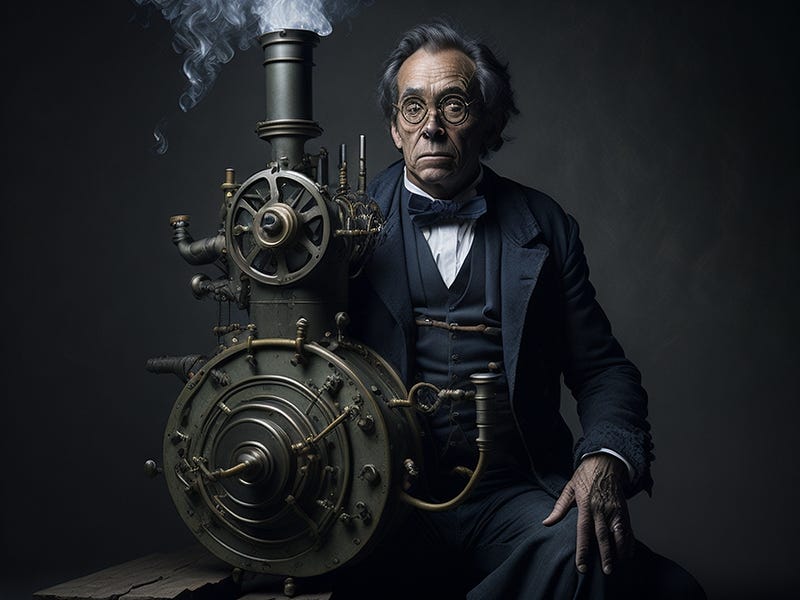
[Image generated by AI, Free to use]

The inventions of the 18th century were incredibly important for the development of technology. Historians agree that this century marked the beginning of the Industrial Revolution, based on inventions such as the steam engine. This discovery contributed to increased productivity not only from an economic perspective.

The 18th century also saw the beginnings of textile mechanization. Cotton fabrics were increasingly produced using chemicals like chlorine. The heavy industry was transformed through the use of coal. The first coke-fired iron furnace appeared in Britain as early as 1709. The development of mining was accompanied by the installation of fire engines to pump groundwater, with the steam engine being the most developed example.

But the 18th century wasn’t just about the “major” inventions that turned out to be crucial for the Industrial Revolution. Historians also point to numerous smaller discoveries. The culture of invention was facilitated, among other things, by population growth and market development.
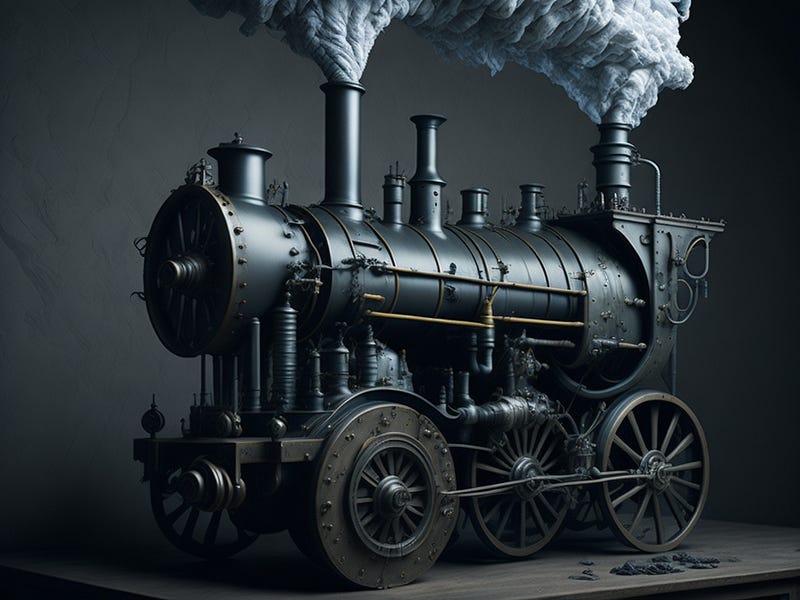
[Image generated by AI, Free to use]

Who invented the steam engine?

In 1698, Thomas Savery created a pump with manual valves for transferring water from mines by sucking the water vapor produced by condensing steam. His idea was further developed by Thomas Newcomen a few years later. In 1712, he developed a more efficient steam engine with a piston that separated the condensing steam from the water. He is considered the creator of the steam engine. He noted that earlier designs were too energy-consuming.

The invention almost immediately revolutionized human life. Steam engines improved production and sales without relying on a poor network of waterways.

Inventions of the 18th century include the piano and the first photographs.

Not all 18th-century inventions were directly related to practical improvements in people’s quality of life. Many of them found applications in everyday life as hobbies. To this day, arts, including music and photography, are appreciated not only by connoisseurs. In many homes, you can find photographs on shelves and walls.

The piano may not be a typical household piece of furniture, but it’s hard to imagine the development of culture without this instrument. The credit for its invention goes to Bartolomeo di Francesco Cristofori.
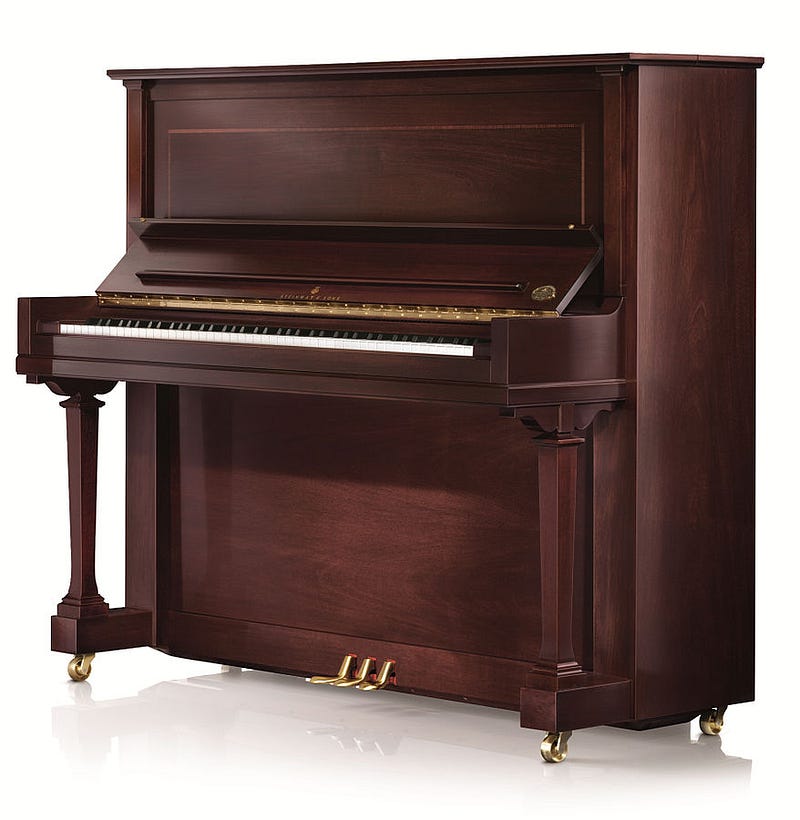
[Photo: © Copyright Steinway & Sons”, CC BY-SA 3.0, via Wikimedia Commons]

An artist from Italy noticed that musicians had no control over the volume of the harpsichord. To change that, around 1700, he created a hammer mechanism. This is how the modern piano was born, or rather its first model. There were several of them. Cristofori’s instruments from the 1720s can still be admired in museums in New York, Rome, and Leipzig.

Some estimate that the 18th century also marked the beginning of photography. We’re talking about images that didn’t yet resemble today’s photographs. The true breakthrough would come in the following years, but already at the end of the 18th century, Thomas Wedgwood and Humphry Davy made prints of ferns and other objects. How? By placing them on white paper or white leather, and then treating them with silver nitrate. Finally, the works were exposed to direct sunlight.
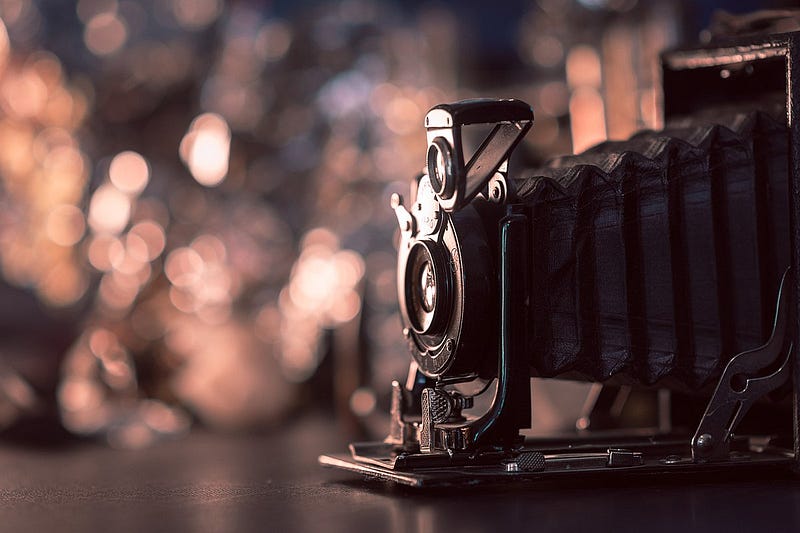
[Photo: Heinrich Zaunschirm, CC BY 3.0, via Wikimedia Commons]

The 18th century was also an important chapter in the history of realizing the dream of flying. In September 1783, the Montgolfier brothers, Joseph and Étienne, presented the first hot air balloon to the King of France. Interestingly, the first passengers were not humans, but animals. It wasn’t until two months later, in November 1783, that the Montgolfier balloon lifted two men into the air.

What were the inventions of the 18th century?

The 18th century brought many significant inventions. Some of the most important ones include:

  • seed drill (1701; Jethro Tull),
  • tuning fork (1711; John Shore),
  • first mercury thermometer (1724; Gabriel Fahrenheit),
  • lightning rod (1752; Benjamin Franklin),
  • sextant (1757; John Campbell),
  • carbonated water (1767; Joseph Priestley),
  • patented electric telegraph (1774; Georges Louis Lesage),
  • submarine (1776; David Bushnell),
  • first parachute (1783; Louis Sebastien),
  • safety lock (1784; Joseph Bramah),
  • power loom (1785; Edmund Cartwright),
  • chemical bleaching (1785; Claude Bertholle),
  • gas turbine (1791; John Barber),
  • gas lighting (1792; William Murdoch),
  • food preservation jar (1795; Francois Appert),
  • smallpox vaccine (1796, Edward Jenner),
  • first metal lathe (1797; Henry Maudslay),
  • battery (1799; Alessandro Volta).

Attention all readers!

As content creators on Medium.com, we face minimal compensation for our hard work. If you find value in my articles, please consider supporting me on my “Buy Me a Coffee” page. Your small contributions can make a big difference in fueling my passion for creating quality content. Thank you for your support!


https://www.buymeacoffee.com/oconnel
History
Technology
Life Lessons
Science
Inventions
Recommended from ReadMedium