
16 and Almost Homeless — What Foreclosure Was Like During Great Recession: Part 1
Sharing my personal experience of being on the lesser-discussed side of foreclosure: the family losing their home.
There’s a saying, “Seek home for rest, for home is best.” — Thomas Tusser
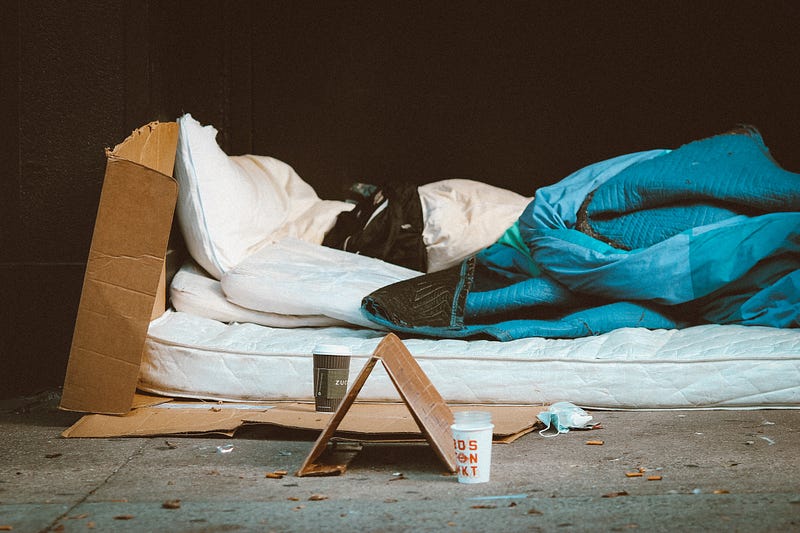
But where do you rest when you lose your home?

All the latest economic news these days forces me to reminisce about how my family’s life changed overnight — when my parents declared bankruptcy in 2007.
What it’s like to go through foreclosure
Teenagers have a strong desire for stability. Their inner world is often going through changes, and what can help make them feel safe is a steady environment.
Losing our home felt like having the rug yanked out from beneath us. It was a mix of unpleasant emotions.
It was devastating, embarrassing, scary, lonely, and depressing.
I couldn’t imagine how my parents felt since it was their home and financial record on the line. Few things in life indicate failure more starkly than foreclosure. They left Vietnam in search of a chance at the American Dream.
Instead, they got scammed out of their money through a real estate scheme and branded as American failures in their community.
In America, you can structure your bankruptcy and still keep your home. Our financial situation was so dire that keeping our home wasn’t an option.

We officially lost our home over a year later and essentially lived like squatters until we settled our debts with the bankruptcy court in 2010. Afterward, we moved to a tiny two-bedroom apartment in rural Virginia.
A squatter is a person who settles in or occupies a piece of property with no legal claim to the property.
Hardly anyone could relate to what we were going through, so we internalized the pain for a long time.
We learned to be fearful of opening up to others. An acquaintance once told my mom they didn’t want their son to date my sister because of the bad luck my family’s bankruptcy could impose upon their family.
Excuse me, what?
Over a decade later, I’m finally ready to talk about our loss and provide insight into this debilitating process. Even the acquaintance apologized for their unjust judgment against our family, eventually. Hopefully, anyone going through this, whether as a kid or an adult, can find comfort in knowing they’re not alone and that things will be okay.
This article is a firsthand account of what it was like to be one of the 3.1 million Americans who lost their homes to foreclosure in 2008.
I’ll break down the article into two pieces for easier reading. Part 2 will be posted this week and linked to this article.
Where the trouble started
I was a junior in high school when our fall from grace started.
A few years before 2008, my parents took a gamble on real estate and took out a few subprime mortgages on various properties, hoping to make a big profit.
These properties were highly overvalued.
Looking back at the risky move, they were asking for trouble.

Many of their friends claimed to have made money by buying property and flipping it less than a year later. They recommended a private real estate advisor who could help facilitate the transactions.
This should’ve been a red flag, but my parents trusted their friends.
My family went through difficulty during this period, but this account will be written from my perspective and thought process.
From sweatshop at six years old to sixteen and almost homeless
I was an already angsty teenager back then, and learning we were going to lose the roof over our heads triggered an even stronger teenage rebellion within me.
Even though the whims of a moody teen was the last thing my parents needed, I was fed up. I was fed up for many reasons.
- From the age of one to 13, our family moved seven times. The home we lost to foreclosure was the longest we had ever stayed in one place and the first home we ever owned.
- I spent over five years of my childhood working in a Los Angeles sweatshop, starting at six.
- Before I turned 12, I moved 3,000 miles away to the East Coast, and I needed help fitting in. My sister and I ended up getting bullied until high school.
- When I turned 14, I spent five years working at my parent’s nail salon, balancing school with work.
For anyone interested, I talk about my sweatshop experience in a previous story:
I didn’t have the emotional maturity to understand what I know now: we all needed to work together as a family to get through this.
But I was 16 years old, and by then, I already possessed over eight years of labor experience. I felt like an old, tired soul.
To be continued
In the next part, I’ll discuss the real estate scheme that got us into this mess. We lost our homes and our investments.
Hey everyone, thanks for reading. I’m a former corporate management consultant writing about work, culture, and personal finance. I’m not a financial advisor. I’m just an average person. I publish stories at least once a week.
This article is for informational purposes only and should not be considered Financial or Legal Advice. Consult a financial professional before making any significant financial decisions.


