avatarSingh Bhai

Free AI web copilot to create summaries, insights and extended knowledge, download it at here

8752

Abstract

into projects.</p><p id="dbfc">So while I don’t get sucked into non-urgent replies early on, a quick morning scan provides helpful context to plan my day accordingly. Try it yourself and see!</p><blockquote id="1abc"><p><b><i>The Takeaway:</i></b> Checking email first thing isn’t universally bad for everyone. See if a quick scan reduces inbox anxiety.</p></blockquote><h1 id="2ae3">5. “100% Declutter Your Space for Focus!”</h1><figure id="9a61"><img src="https://cdn-images-1.readmedium.com/v2/resize:fit:800/0*7reQH8R-QCiiZt8k"><figcaption>Photo by <a href="https://unsplash.com/@robertbye?utm_source=medium&amp;utm_medium=referral">Robert Bye</a> on <a href="https://unsplash.com?utm_source=medium&amp;utm_medium=referral">Unsplash</a></figcaption></figure><p id="e445">Minimalism works wonders for many people. How many of us have the discipline (or desire) to maintain a 100% pristine workspace at all times? Not me!</p><p id="0da4">When I’ve tried to fully minimalize my space, it only stays that way for like a day, two max. Then piles and clutter start creeping back in. No matter how often I purge and organize, it’s never long before stuff accumulates.</p><p id="9a50"><b>So instead of sporadic giant decluttering attempts, I found a better method that’s more maintainable:</b></p><p id="19e4">I tidy up as I go throughout the day. Put away some piles of paper before starting a new task. File things while waiting on a phone call. Stash excess stuff in drawers to handle later.</p><p id="c6c3">It’s not perfect minimalism, but consistent light tidying keeps the clutter chaos in check. Give it a try!</p><blockquote id="0261"><p><b><i>The Takeaway:</i> Forget massive decluttering. Do mini tidying sessions consistently instead.</b></p></blockquote><h1 id="98a8">6. “Take No Breaks for Maximum Focus!”</h1><figure id="c36a"><img src="https://cdn-images-1.readmedium.com/v2/resize:fit:800/0*25rQnMvYUFCogcvv"><figcaption>Photo by <a href="https://unsplash.com/@mindspacestudio?utm_source=medium&amp;utm_medium=referral">Mindspace Studio</a> on <a href="https://unsplash.com?utm_source=medium&amp;utm_medium=referral">Unsplash</a></figcaption></figure><p id="35b2">You’ve probably heard the common wisdom that taking real breaks ruins your productivity momentum. I used to think that too.</p><p id="f0a9">So I’d force myself to work for hours straight without stopping, thinking it was necessary to stay ultra-focused. But you know what happened instead? I burned out fast.</p><p id="a13f">Staring at my screen for over an hour straight killed my motivation, energy, and focus. All I could think about was taking a break!</p><p id="647a">Now, I set a timer for about 50 minutes, then take a true 5–10 minute break when it goes off.</p><p id="a4c1">Stepping away completely, even for a few minutes, does wonders. I’ll go for a short walk, grab some water, chat with someone — anything to give my brain a break.</p><p id="31c7">Then when I get back to work, I’m recharged and can actually concentrate much better. Those small breaks help me sustain focus over the long haul.</p><p id="f669" type="7">It’s all about balance. Taking NO breaks leads to burnout fast. But constant breaks make it hard to maintain continuity. Figure out your ideal work/break ratio.</p><blockquote id="dba6"><p><b><i>The Takeaway:</i> Brief mental breaks boost focus don’t diminish it. Experiment to find your ideal balance.</b></p></blockquote><h1 id="fcae">7. “Match Tasks to Your Energy Level”</h1><figure id="63bc"><img src="https://cdn-images-1.readmedium.com/v2/resize:fit:800/0*XKhlOlbP7LRAH8wg"><figcaption>Photo by <a href="https://unsplash.com/@thomasbormans?utm_source=medium&amp;utm_medium=referral">Thomas Bormans</a> on <a href="https://unsplash.com?utm_source=medium&amp;utm_medium=referral">Unsplash</a></figcaption></figure><p id="a432">This tip says to do intensive brain work requiring deep focus when you feel most alert and energetic. Save easier or repetitive tasks for when you’re drained later on.</p><p id="affe">Again, great in theory! But here was my experience:</p><p id="2a14">I’d start my day feeling pretty energized and ambitious, so I’d dive right into analyzing data, writing reports, and crunching numbers…all tasks requiring maximum mental effort.</p><p id="6c86">But I’d inevitably hit an energy slump after lunch where my brain felt fried. Yet I “saved” all the easy, mindless tasks for the afternoon when I was tired.</p><p id="d0c7">The problem? Those rote tasks I was supposed to coast through suddenly seemed daunting and tedious in my depleted state. I just wanted to go home!</p><p id="1fe7">Now instead of assuming my energy stays constant, I mix up tasks based on natural daily fluctuations:</p><ul><li>Morning: Analytical work requiring fresh focus</li><li>Afternoon: Return emails, organize files, batch tasks</li></ul><p id="1acb">Matching tasks to how my energy shifts throughout the day works much better. Give it a try!</p><blockquote id="69b6"><p><b><i>The Takeaway:</i></b> Energy levels change. Align harder tasks to when you’re most alert.</p></blockquote><h1 id="1b5a">8. “Always Work in Long Focused Blocks”</h1><figure id="9cd7"><img src="https://cdn-images-1.readmedium.com/v2/resize:fit:800/0*c1-PIB9qWmEhqfmm"><figcaption>Photo by <a href="https://unsplash.com/@patrick_schneider?utm_source=medium&amp;utm_medium=referral">Patrick Schneider</a> on <a href="https://unsplash.com?utm_source=medium&amp;utm_medium=referral">Unsplash</a></figcaption></figure><p id="c429">You’ve probably heard advice to work in long 90-minute “sprints” where you intensely focus on one activity before taking a break.</p><p id="24c3">Research does show that hyper-focused blocks benefit certain work. But friends, sometimes my brain just can’t handle 90 straight minutes!</p><p id="6567">I’ll start out all pumped up, flying through my project. But around the 45–60 minute mark, I inevitably start to lag. My mind wanders, my eyes glaze over at my screen. No amount of willpower brings me back.</p><p id="deae">For tasks requiring intense focus, figure out your own maximum capacity before fatigue sets in — it might be 20, 45, or 75 minutes.</p><p id="e1da">Set a timer and honor your natural attention span. Take a real break once your focus wanes to restart your mental engine.</p><blockquote id="e199"><p><b><i>The Takeaway:</i> </b>Find your own ideal focused sprint duration. Listen when your brain says it needs a break.</p></blockquote><h1 id="e201">9. “Always Pre-Plan Your Day in Detail”</h1><figure id="ca78"><img src="https://cdn-images-1.readmedium.com/v2/resize:fit:800/0*JANCz-a1TMDqMmHi"><figcaption>Photo by <a href="https://unsplash.com/@brett_jordan?utm_source=medium&amp;utm_medium=referral">Brett Jordan</a> on <a href="https://unsplash.com?utm_source=medium&amp;utm_medium=referral">Unsplash</a></figcaption></figure><p id="bc27">Productivity gurus emphasize detailed daily plans to optimize the use of time. But sometimes overplanning backfires!</p><p id="52f5">When I map out every task for the day down to the smallest detail, it feels restricting. The precise allocation of time for each activity can sap creativity.</p><p id="2cf1">Plus, we all know what happens to best-laid plans, right? Life often intervenes and schedules go out the window. Too much rigidity leaves little room to adapt.</p><p id="4211">Now, I create overall systems, goals, and project plans. But my daily routine is more flexible:</p><ul><li>Plan must-do priorities and meetings but leave gaps open</li><li>Group similar tasks to do together</li><li>Adjust on the fly based on time and energy</li></ul><p id="e8ea">A little structure combined with flexibility works best for me. See what balance feels right to you!</p><blockquote id="630d"><p><b><i>The Takeaway:</i></b> Outline critical projects but leave wiggle room to adapt your daily plan.</p></blockquote><h1 id="bcf8">10. “Never Ever Check Email After Hours!”</h1><figure id="1c85"><img src="https://cdn-images-1.readmedium.com/v2/resize:fit:800/0*siMd2FBFyxPgjG79"><figcaption>Photo by <a href="https://unsplash.com/@agk42?utm_source=medium&amp;utm_medium=referral">Alex Knight</a> on <a href="https://unsplash.com?utm_source=medium&amp;utm_medium=referral">Unsplash</a></figcaption></figure><p id="35f8">For work-life balance, productivity experts often advise setting super firm boundaries with email. Ignore it completely during evenings and weekends, they say.</p><p id="c4d3">But friends, let’s get real. For some of us, staying connected to work in non-traditional hours actually aligns with our lifestyle preferences and needs.</p><p id="3b3d">When I experimented with a strict off-hours email ban, it actually increased my anxiety. I worried about missing

Options

something urgent and feeling behind.</p><p id="a896">Checking email in the evening or even on weekends gives me peace of mind. But I have limits — I don’t respond or engage deeply. Just a quick scan for any fires to put out.</p><p id="8712">Decide what flexibility or availability suits YOUR needs outside working hours. There’s no one-size-fits-all answer here that’s right for everyone.</p><blockquote id="f349"><p><b><i>The Takeaway:</i></b> Find your own ideal email balance based on what lowers stress and fits your lifestyle.</p></blockquote><h1 id="67b3">11. “Always Tackle Biggest Task First No Matter What”</h1><figure id="e65d"><img src="https://cdn-images-1.readmedium.com/v2/resize:fit:800/0*Jv8p9t4qKUjOJcNm"><figcaption>Photo by <a href="https://unsplash.com/@danielleone?utm_source=medium&amp;utm_medium=referral">Daniel Leone</a> on <a href="https://unsplash.com?utm_source=medium&amp;utm_medium=referral">Unsplash</a></figcaption></figure><p id="4349">We’ve talked about “eating that frog” already. But as mentioned earlier, some days diving into the hardest task right away backfires.</p><p id="8627">When the frog seems extra daunting, guess what happens when I force myself to start there? I spin my wheels “planning” but don’t actually begin.</p><p id="ca51">Other times, warm-up tasks build my confidence to better handle that difficult frog later on. Get the blood flowing before taking the big leap.</p><p id="e537">Evaluate each situation to choose your opening task smartly:</p><ul><li>The big intimidating task? Do a quick win first to build momentum</li><li>Feeling ambitious? Hop right into that froggy challenge!</li></ul><blockquote id="1d45"><p><b><i>The Takeaway:</i> </b>Match your first task of the day to your mindset and the work itself.</p></blockquote><h1 id="fc7d">12. “Always Batch Similar Tasks”</h1><figure id="4fd9"><img src="https://cdn-images-1.readmedium.com/v2/resize:fit:800/0*A3RYLg6UsLGPlh-Y"><figcaption>Photo by <a href="https://unsplash.com/@kellysikkema?utm_source=medium&amp;utm_medium=referral">Kelly Sikkema</a> on <a href="https://unsplash.com?utm_source=medium&amp;utm_medium=referral">Unsplash</a></figcaption></figure><p id="e59a">Doing related tasks together in batches can definitely improve efficiency. You get into a groove on one type of work.</p><p id="2807">Hear me out — constant batching can also start to drag me down. Variety is the spice of life!</p><p id="d46f">If I’ve powered through a huge batch of phone calls, for instance, switching gears to write some emails feels refreshing. It activates different parts of my brain.</p><p id="7964">So now I alternate between batching similar tasks, and also mixing it up:</p><ul><li>Batch outreach calls/emails</li><li>Write new content</li><li>Return to calls</li><li>Analyze data</li></ul><p id="2ed4">The blend of routine and change keeps me engaged all day long.</p><blockquote id="8af8"><p><b><i>The Takeaway:</i></b> Blend batching with variety to stay motivated.</p></blockquote><h1 id="1dbb">13) “Set Time Limits for Each Task”</h1><figure id="d146"><img src="https://cdn-images-1.readmedium.com/v2/resize:fit:800/0*GpaKboSxd73T9h2I"><figcaption>Photo by <a href="https://unsplash.com/@art_maltsev?utm_source=medium&amp;utm_medium=referral">Artem Maltsev</a> on <a href="https://unsplash.com?utm_source=medium&amp;utm_medium=referral">Unsplash</a></figcaption></figure><p id="3d93">This works well for meetings and other scheduled events. But when I assign myself say 60 minutes for a creative project, here’s what happens:</p><p id="41d9">If I’m really feeling a concept and getting into flow, the timer suddenly going off disrupts my momentum and ideas. Total buzzkill.</p><p id="af4f">Or if I’m struggling, watching each minute count down makes me anxious and kills motivation. Not ideal either.</p><p id="9f22">For creative or analytical work, I prefer flexibility without the pressure of a ticking timer:</p><ul><li>Note suggested time frames as helpful guidance only</li><li>But allow tasks to expand or contract based on your engagement</li><li>Get absorbed without watching the clock</li></ul><blockquote id="e1cc"><p><b><i>The Takeaway:</i></b> Use suggested time blocks lightly. Avoid rigid timers if they’ll disrupt the flow.</p></blockquote><h1 id="1a0e">14) “Follow Strict Productivity Rituals Daily”</h1><figure id="f4c6"><img src="https://cdn-images-1.readmedium.com/v2/resize:fit:800/0*vyj4aK8GtPyqto1i"><figcaption>Photo by <a href="https://unsplash.com/@carlheyerdahl?utm_source=medium&amp;utm_medium=referral">Carl Heyerdahl</a> on <a href="https://unsplash.com?utm_source=medium&amp;utm_medium=referral">Unsplash</a></figcaption></figure><p id="a824">When every day looks the same, I start to feel bored, uninspired and restless. I crave variety and spontaneity!</p><p id="041d">My solution was creating 1–2 nonnegotiable keystone habits to maintain (like exercise), but leaving other parts semi-flexible.</p><p id="707f">Maybe you journal daily but switch up when. Or alternate between two-morning routines. Shake it up while still retaining core focus!</p><blockquote id="75d8"><p><b><i>The Takeaway:</i> </b>Allow some wiggle room within daily rituals and habits.</p></blockquote><h1 id="0a59">15) “Eliminate ALL Distraction for Deep Focus!”</h1><figure id="2398"><img src="https://cdn-images-1.readmedium.com/v2/resize:fit:800/0*y2EKGPpmqdl-u8AR"><figcaption>Photo by <a href="https://unsplash.com/@nublson?utm_source=medium&amp;utm_medium=referral">Nubelson Fernandes</a> on <a href="https://unsplash.com?utm_source=medium&amp;utm_medium=referral">Unsplash</a></figcaption></figure><p id="d958">We’ve heard it a million times — banish all distractions for ultimate productivity! Seems logical.</p><p id="6522">But let’s think it through: How sustainable is remaining in a sensory deprivation tank all day, every day? No music, no checking phone, no chit chat, no quick internet surfing?</p><p id="8661">Occasional minor distractions in moderation provide mental stimulation that enhances creativity. Stepping away from laser focus lets ideas incubate.</p><p id="298c">Now, I minimize distractions during heads-down work. But I also consciously allow certain small breaks in full concentration mode:</p><ul><li>Listen to music for 10 minutes</li><li>Chat with a coworker</li><li>Scroll social media briefly</li></ul><p id="99da">Then I redirect my attention back to the task at hand, and re-energized. Try it out!</p><blockquote id="daa8"><p><b><i>The Takeaway:</i></b> Allow some conscious distraction to spark creativity along with focus time.</p></blockquote><p id="fa83">Phew, we covered a lot here! The main takeaway is that generic productivity advice won’t work for everyone’s unique brain. Instead of following tips blindly, get really honest with yourself about YOUR work style and needs.</p><p id="6a03">What productivity methods work well for YOU, even if unconventional? Share your thoughts! Figuring this stuff out together makes</p><p id="edb0"><b>Scrolled this far? You deserve more!</b></p><div id="4bf1" class="link-block"> <a href="https://readmedium.com/why-self-discipline-is-so-difficult-f91d99b72241"> <div> <div> <h2>Why Self Discipline Is So Difficult</h2> <div><h3>Self-discipline. For some, that word probably makes them straighten their back and lift their chin, ready to take on…</h3></div> <div><p>medium.com</p></div> </div> <div> <div style="background-image: url(https://miro.readmedium.com/v2/resize:fit:320/0*7TyB9PhXkn7H2frO)"></div> </div> </div> </a> </div><div id="eaaf" class="link-block"> <a href="https://readmedium.com/7-controllable-things-for-a-huge-difference-in-your-life-c31fd91dc81e"> <div> <div> <h2>7 Controllable Things for A Huge Difference In Your Life</h2> <div><h3>Life can seem so out of control sometimes. Your weather app says it’ll be sunny, but nope, it’s raining cats and dogs…</h3></div> <div><p>medium.com</p></div> </div> <div> <div style="background-image: url(https://miro.readmedium.com/v2/resize:fit:320/1*QWFqtYBgJ9nU-aFbUzKDvw.png)"></div> </div> </div> </a> </div><p id="d3a8">Hit that <b>follow button</b> for juicy content like this delivered straight to your feed.</p><p id="a387">Plus, Grab my free <a href="https://theopenbook.substack.com/?r=2scb01&amp;utm_campaign=pub-share-checklist"><b>Substack newsletter</b></a> for bonus goodies. You won’t regret it! ✨</p></article></body>

15 Productivity Tips That Often Fail
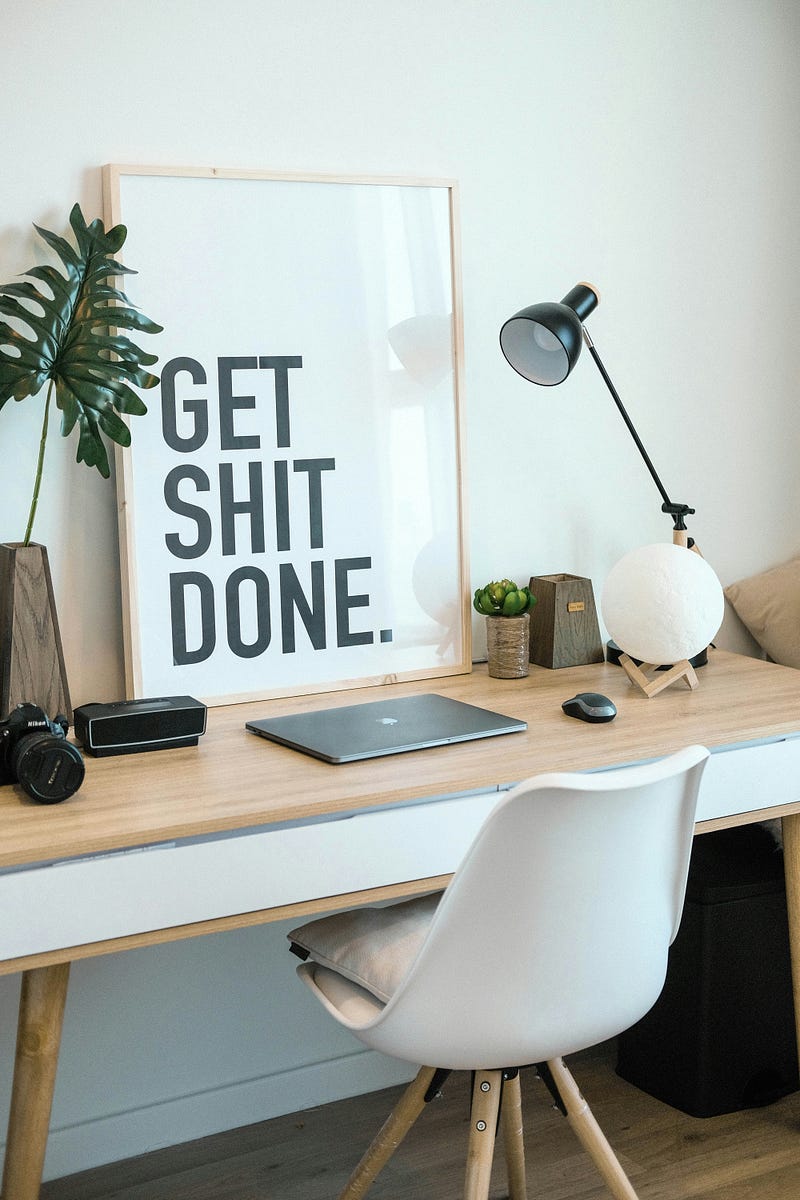
Photo by Minh Pham on Unsplash

Hey friend! It’s your pal Singh here.

Now, I don’t know about you, but I’m always trying to be more productive. I want to get more done each day, yet still have time left over to chill and do the things I love. Don’t we all want that perfect work-life balance?

But the problem is, a lot of those popular productivity hacks and tips we see everywhere…well, they don’t always work quite like the “experts” say they will.

And as an average dude just trying to make his way through the daily grind, I totally get it. We’ve all been there. You read some blog post about “waking up at 5 am to crush your goals,” so you set fifteen alarms to try it…yet still hit snooze for an hour. Or you attempt to “eat that frog” first thing and tackle your biggest task, but just stare and stare at the frog until you give up and get a coffee instead.

Not exactly as advertised, right? The struggle is real.

But hey, instead of just complaining about it, let’s take an honest look at why some of that productivity advice falls short. Because here’s the truth: Even really solid tips can backfire if you don’t understand the real psychology behind them.

Like, we all want the same result (to get more done in less time) but our brains are wired so differently. What works for one person may be totally useless for someone else.

1. “Wake Up Earlier to Get More Done”

Photo by Emma Simpson on Unsplash

This tip is everywhere, right? Supposedly waking up at 5 or 6am gives you a few magical “bonus” hours before the chaos of the day hits, so you can get work done in peace and quiet.

In theory this sounds great. More morning productivity hours? Sign me up!

Buuuut…have you ever actually tried to wake up that early consistently, day after day? For those blessed morning people out there, mad respect. But for many of us, it just doesn’t work.

See, I’m a total night owl. So when I’ve attempted this early wake up hack in the past, here’s what happens:

I’ll set like eight alarms, then keep hitting snooze every ten minutes for almost an hour straight. By the time I actually drag myself out of bed, I can barely keep my eyes open and just want to crawl right back in.

Then I’ll stumble through my morning routine in a total zombified haze. I’m not alert and motivated — I’m groggy and grumpy instead!

By the time my brain actually turns on, half the “productive” morning is gone anyway. Not exactly the magical early morning results I hoped for.

Over time, I realized the key thing for me was accepting that I’m just NOT a morning person, and probably never will be. And you know what? That’s totally okay.

Instead of forcing myself to wake up super early, I go to bed at a reasonable hour and focus my energy at night when I’m most alert.

Maybe for you, that ideal time is 9 pm. Or for night owls like me, even 10 or 11 pm can be your “productivity prime time.” Figure out when YOU feel most energized and plan accordingly.

The Takeaway: Waking at 5 am isn’t universally effective. Find your personal prime time instead of forcing an unnatural schedule.

2. “Eat That Frog First Thing!”

Photo by Austin Santaniello on Unsplash

This famous productivity tip from Brian Tracy means tackling your biggest, ugliest, most important task first thing in the morning. Supposedly knocking out that big frog right away provides a sense of relief and momentum to power through other tasks.

Okay, I can’t argue with the logic here — this tip seems solid in theory. But in practice? Some days, just looking at that giant frog tanks my motivation!

When I’ve tried to force myself to eat a massive frog first thing, here’s what happens:

I’ll sit down, ready to dive in. But as soon as I see the size and complexity of the task, I freeze up. The frog stares back at me, as I sip my coffee nervously.

Before I know it, 20 minutes have passed…and all I’ve done is organize my pens and clean my desk just to avoid the frog. Not quite the instant momentum I was hoping for!

Here’s the thing — some days, I just need to warm up with a couple of wins to build confidence. Answering some emails or tidying my workspace helps me ease in before I tackle bigger stuff.

So now, I permit myself to be flexible based on my mindset that day. Yes to eating frogs…just not every single day necessarily. Mix it up!

The Takeaway: Give yourself grace on days when the frog seems too ugly. Warm up with small wins first instead.

3. “You Must Mono-Task for Maximum Focus!”

Photo by No Revisions on Unsplash

Mono-tasking, aka single-tasking, means doing one activity at a time without any distractions or multitasking. Studies do suggest there are brain benefits to focused attention on one task.

But let’s be honest — how many of us can seriously mono-task all day? Our brains just aren’t wired like that.

For me, trying to mono-task 100% of my work day led to two issues:

First, I couldn’t even last an hour before my mind started wandering! I’d inevitably check my phone or refresh my email. Humans just aren’t great at long periods of unitary focus.

Second, eliminating all multitasking felt super restrictive. Occasional distractions provide mental breathers so I can return to focus.

So instead, I do aim to mono-task for say 20–30 minutes at a time on high-priority projects. But I also embrace a little multitasking here and there when it feels right.

Check email for 15 minutes, then get back to focused work. Or take a short walk to reboot my brain. It’s about balance.

The Takeaway: Strive for focused attention in short bursts, but permit some distraction and variety too.

4. “Don’t Check Email First Thing!”
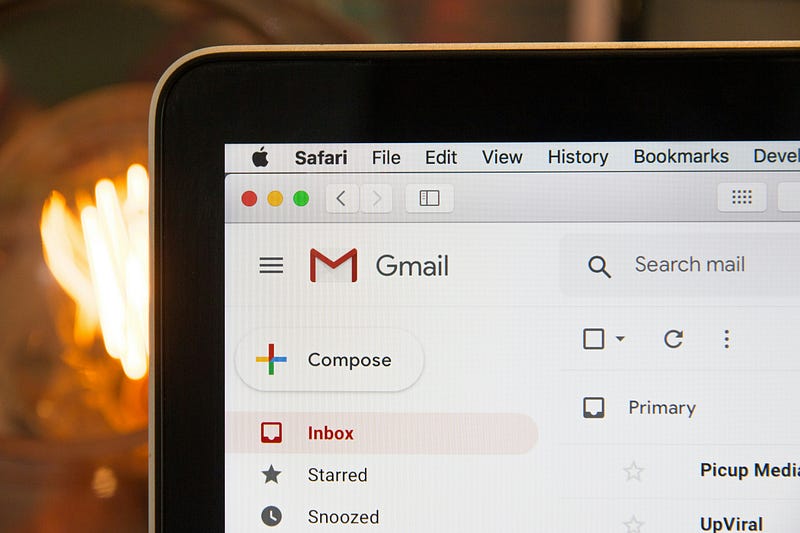
Photo by Stephen Phillips - Hostreviews.co.uk on Unsplash

Productivity gurus will tell you that checking email first thing derails your whole morning and messes up priorities. Better to start on meaningful work right away instead.

I won’t argue with that overall sentiment. But I discovered something interesting when I experimented with skipping the inbox check:

My anxiety around emails actually increased! With no quick scan to see what came in overnight, I stressed about missing something urgent.

Checking my inbox first thing — just for a few minutes — decreased my overall email anxiety throughout the day. I can quickly spot any fires to put out right away before diving into projects.

So while I don’t get sucked into non-urgent replies early on, a quick morning scan provides helpful context to plan my day accordingly. Try it yourself and see!

The Takeaway: Checking email first thing isn’t universally bad for everyone. See if a quick scan reduces inbox anxiety.

5. “100% Declutter Your Space for Focus!”
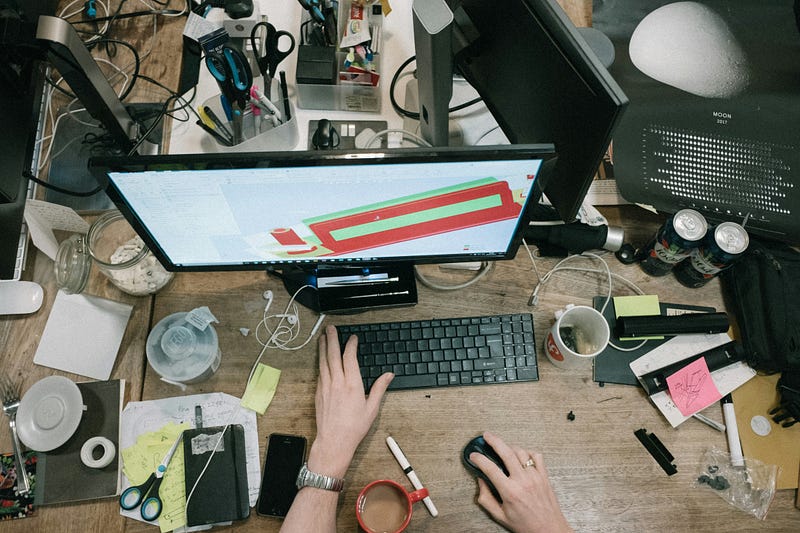
Photo by Robert Bye on Unsplash

Minimalism works wonders for many people. How many of us have the discipline (or desire) to maintain a 100% pristine workspace at all times? Not me!

When I’ve tried to fully minimalize my space, it only stays that way for like a day, two max. Then piles and clutter start creeping back in. No matter how often I purge and organize, it’s never long before stuff accumulates.

So instead of sporadic giant decluttering attempts, I found a better method that’s more maintainable:

I tidy up as I go throughout the day. Put away some piles of paper before starting a new task. File things while waiting on a phone call. Stash excess stuff in drawers to handle later.

It’s not perfect minimalism, but consistent light tidying keeps the clutter chaos in check. Give it a try!

The Takeaway: Forget massive decluttering. Do mini tidying sessions consistently instead.

6. “Take No Breaks for Maximum Focus!”
Photo by Mindspace Studio on Unsplash

You’ve probably heard the common wisdom that taking real breaks ruins your productivity momentum. I used to think that too.

So I’d force myself to work for hours straight without stopping, thinking it was necessary to stay ultra-focused. But you know what happened instead? I burned out fast.

Staring at my screen for over an hour straight killed my motivation, energy, and focus. All I could think about was taking a break!

Now, I set a timer for about 50 minutes, then take a true 5–10 minute break when it goes off.

Stepping away completely, even for a few minutes, does wonders. I’ll go for a short walk, grab some water, chat with someone — anything to give my brain a break.

Then when I get back to work, I’m recharged and can actually concentrate much better. Those small breaks help me sustain focus over the long haul.

It’s all about balance. Taking NO breaks leads to burnout fast. But constant breaks make it hard to maintain continuity. Figure out your ideal work/break ratio.

The Takeaway: Brief mental breaks boost focus don’t diminish it. Experiment to find your ideal balance.

7. “Match Tasks to Your Energy Level”
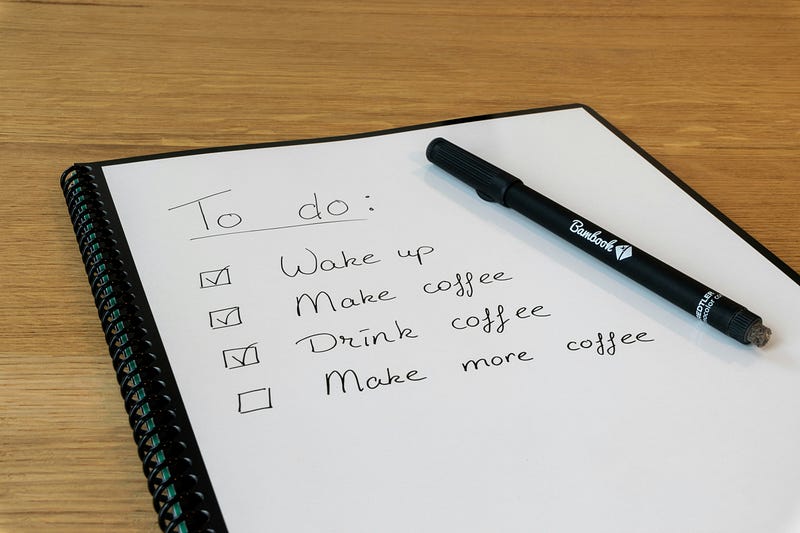
Photo by Thomas Bormans on Unsplash

This tip says to do intensive brain work requiring deep focus when you feel most alert and energetic. Save easier or repetitive tasks for when you’re drained later on.

Again, great in theory! But here was my experience:

I’d start my day feeling pretty energized and ambitious, so I’d dive right into analyzing data, writing reports, and crunching numbers…all tasks requiring maximum mental effort.

But I’d inevitably hit an energy slump after lunch where my brain felt fried. Yet I “saved” all the easy, mindless tasks for the afternoon when I was tired.

The problem? Those rote tasks I was supposed to coast through suddenly seemed daunting and tedious in my depleted state. I just wanted to go home!

Now instead of assuming my energy stays constant, I mix up tasks based on natural daily fluctuations:

  • Morning: Analytical work requiring fresh focus
  • Afternoon: Return emails, organize files, batch tasks

Matching tasks to how my energy shifts throughout the day works much better. Give it a try!

The Takeaway: Energy levels change. Align harder tasks to when you’re most alert.

8. “Always Work in Long Focused Blocks”

Photo by Patrick Schneider on Unsplash

You’ve probably heard advice to work in long 90-minute “sprints” where you intensely focus on one activity before taking a break.

Research does show that hyper-focused blocks benefit certain work. But friends, sometimes my brain just can’t handle 90 straight minutes!

I’ll start out all pumped up, flying through my project. But around the 45–60 minute mark, I inevitably start to lag. My mind wanders, my eyes glaze over at my screen. No amount of willpower brings me back.

For tasks requiring intense focus, figure out your own maximum capacity before fatigue sets in — it might be 20, 45, or 75 minutes.

Set a timer and honor your natural attention span. Take a real break once your focus wanes to restart your mental engine.

The Takeaway: Find your own ideal focused sprint duration. Listen when your brain says it needs a break.

9. “Always Pre-Plan Your Day in Detail”
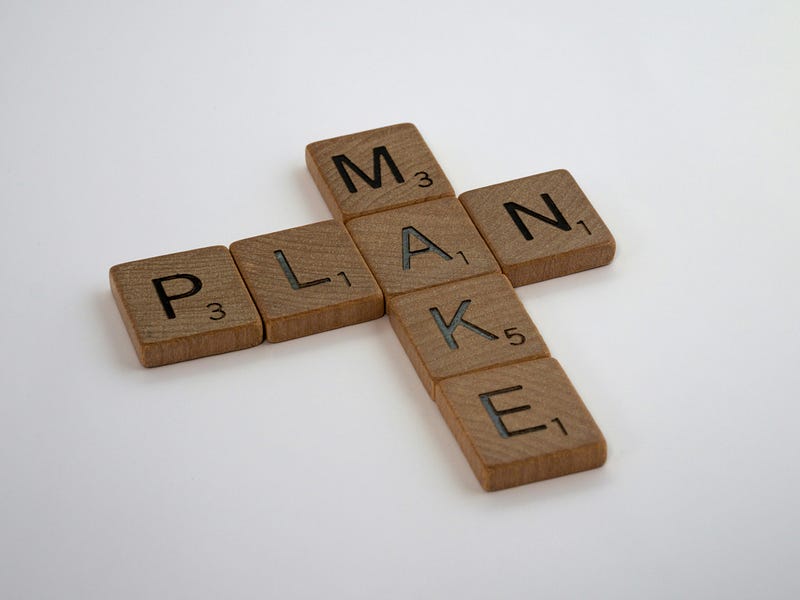
Photo by Brett Jordan on Unsplash

Productivity gurus emphasize detailed daily plans to optimize the use of time. But sometimes overplanning backfires!

When I map out every task for the day down to the smallest detail, it feels restricting. The precise allocation of time for each activity can sap creativity.

Plus, we all know what happens to best-laid plans, right? Life often intervenes and schedules go out the window. Too much rigidity leaves little room to adapt.

Now, I create overall systems, goals, and project plans. But my daily routine is more flexible:

  • Plan must-do priorities and meetings but leave gaps open
  • Group similar tasks to do together
  • Adjust on the fly based on time and energy

A little structure combined with flexibility works best for me. See what balance feels right to you!

The Takeaway: Outline critical projects but leave wiggle room to adapt your daily plan.

10. “Never Ever Check Email After Hours!”

Photo by Alex Knight on Unsplash

For work-life balance, productivity experts often advise setting super firm boundaries with email. Ignore it completely during evenings and weekends, they say.

But friends, let’s get real. For some of us, staying connected to work in non-traditional hours actually aligns with our lifestyle preferences and needs.

When I experimented with a strict off-hours email ban, it actually increased my anxiety. I worried about missing something urgent and feeling behind.

Checking email in the evening or even on weekends gives me peace of mind. But I have limits — I don’t respond or engage deeply. Just a quick scan for any fires to put out.

Decide what flexibility or availability suits YOUR needs outside working hours. There’s no one-size-fits-all answer here that’s right for everyone.

The Takeaway: Find your own ideal email balance based on what lowers stress and fits your lifestyle.

11. “Always Tackle Biggest Task First No Matter What”

Photo by Daniel Leone on Unsplash

We’ve talked about “eating that frog” already. But as mentioned earlier, some days diving into the hardest task right away backfires.

When the frog seems extra daunting, guess what happens when I force myself to start there? I spin my wheels “planning” but don’t actually begin.

Other times, warm-up tasks build my confidence to better handle that difficult frog later on. Get the blood flowing before taking the big leap.

Evaluate each situation to choose your opening task smartly:

  • The big intimidating task? Do a quick win first to build momentum
  • Feeling ambitious? Hop right into that froggy challenge!

The Takeaway: Match your first task of the day to your mindset and the work itself.

12. “Always Batch Similar Tasks”
Photo by Kelly Sikkema on Unsplash

Doing related tasks together in batches can definitely improve efficiency. You get into a groove on one type of work.

Hear me out — constant batching can also start to drag me down. Variety is the spice of life!

If I’ve powered through a huge batch of phone calls, for instance, switching gears to write some emails feels refreshing. It activates different parts of my brain.

So now I alternate between batching similar tasks, and also mixing it up:

  • Batch outreach calls/emails
  • Write new content
  • Return to calls
  • Analyze data

The blend of routine and change keeps me engaged all day long.

The Takeaway: Blend batching with variety to stay motivated.

13) “Set Time Limits for Each Task”
Photo by Artem Maltsev on Unsplash

This works well for meetings and other scheduled events. But when I assign myself say 60 minutes for a creative project, here’s what happens:

If I’m really feeling a concept and getting into flow, the timer suddenly going off disrupts my momentum and ideas. Total buzzkill.

Or if I’m struggling, watching each minute count down makes me anxious and kills motivation. Not ideal either.

For creative or analytical work, I prefer flexibility without the pressure of a ticking timer:

  • Note suggested time frames as helpful guidance only
  • But allow tasks to expand or contract based on your engagement
  • Get absorbed without watching the clock

The Takeaway: Use suggested time blocks lightly. Avoid rigid timers if they’ll disrupt the flow.

14) “Follow Strict Productivity Rituals Daily”
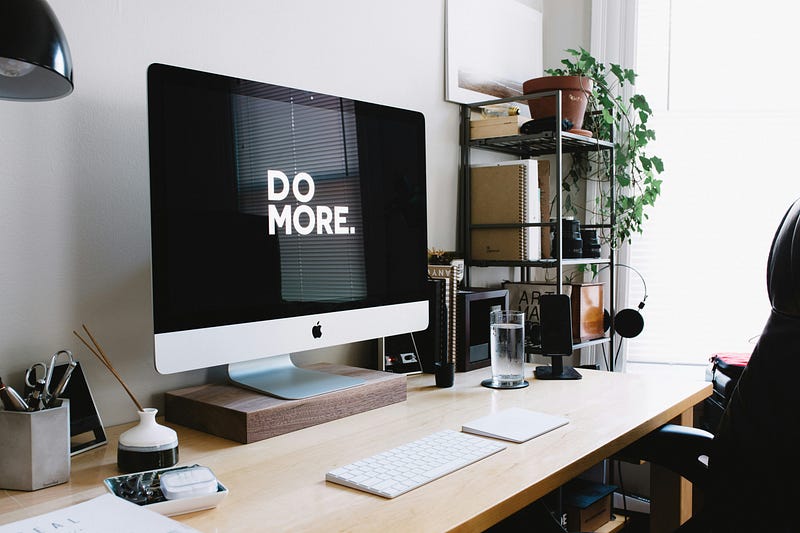
Photo by Carl Heyerdahl on Unsplash

When every day looks the same, I start to feel bored, uninspired and restless. I crave variety and spontaneity!

My solution was creating 1–2 nonnegotiable keystone habits to maintain (like exercise), but leaving other parts semi-flexible.

Maybe you journal daily but switch up when. Or alternate between two-morning routines. Shake it up while still retaining core focus!

The Takeaway: Allow some wiggle room within daily rituals and habits.

15) “Eliminate ALL Distraction for Deep Focus!”
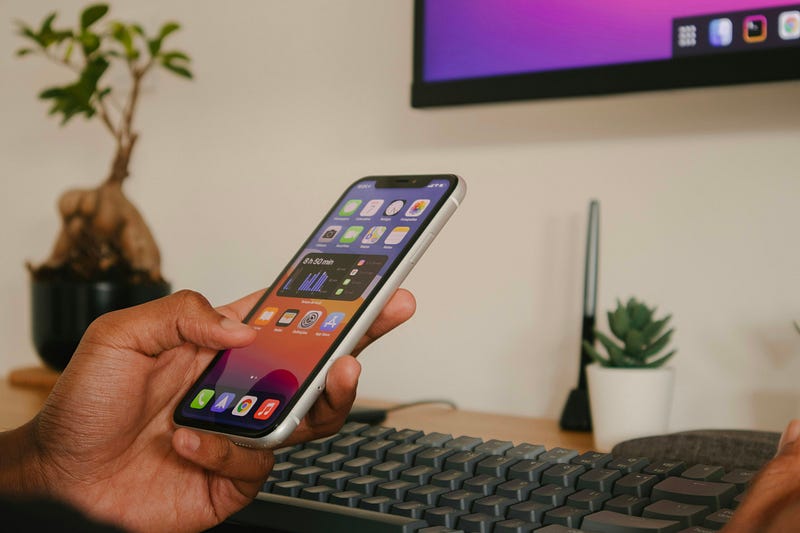
Photo by Nubelson Fernandes on Unsplash

We’ve heard it a million times — banish all distractions for ultimate productivity! Seems logical.

But let’s think it through: How sustainable is remaining in a sensory deprivation tank all day, every day? No music, no checking phone, no chit chat, no quick internet surfing?

Occasional minor distractions in moderation provide mental stimulation that enhances creativity. Stepping away from laser focus lets ideas incubate.

Now, I minimize distractions during heads-down work. But I also consciously allow certain small breaks in full concentration mode:

  • Listen to music for 10 minutes
  • Chat with a coworker
  • Scroll social media briefly

Then I redirect my attention back to the task at hand, and re-energized. Try it out!

The Takeaway: Allow some conscious distraction to spark creativity along with focus time.

Phew, we covered a lot here! The main takeaway is that generic productivity advice won’t work for everyone’s unique brain. Instead of following tips blindly, get really honest with yourself about YOUR work style and needs.

What productivity methods work well for YOU, even if unconventional? Share your thoughts! Figuring this stuff out together makes

Scrolled this far? You deserve more!

Hit that follow button for juicy content like this delivered straight to your feed.

Plus, Grab my free Substack newsletter for bonus goodies. You won’t regret it! ✨

Productivity
Self Improvement
Personal Development
Self-awareness
Time Management
Recommended from ReadMedium