
11 Reasons Why I’m Curious About Traditional African Spirituality
Even though I’ll Probably Never Practice It
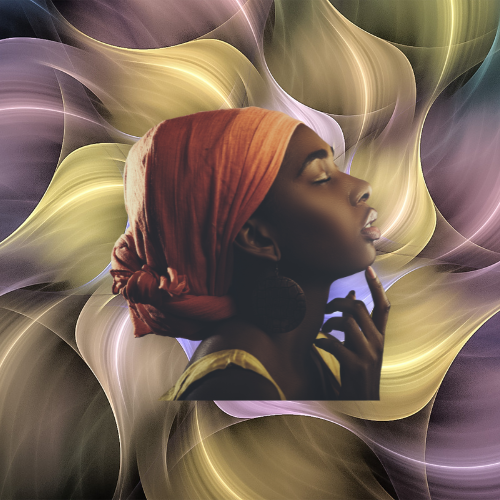
I know verrrrry little about traditional African spirituality, so I’m going to start by saying I mean no offense to anyone who practices it or who opposes it. I’m also using “traditional African spirituality” as a blanket description and not to define a specific religion that may fall under that category. As in most religions, I’m sure there are those who use African spiritual traditions in order to deceive and manipulate people, so I’m not foolish enough to believe any of it is above criticism. All of that said though, there are things about traditional African spirituality I find intriguing.
11 Things I Respect About African Spirituality
1. It’s Rooted in the Motherland
As CHOSSA, we come from an ancient people with a history stretching back to the beginning of time. Even though Christianity was already in Africa when Europeans arrived on the Continent, most of our ancestors still practiced their own spiritual traditions. Being rooted in Africa means that traditional African spirituality centers Africa, her people, her deities, her history and so forth. In and of itself, that is so refreshing!
2. It’s Ancient
Coming from the first people on earth, traditional African spirituality isn’t an offshoot of some other religion, nor is it something brand new. As an ancient religion (I’m using the word ‘religion’ loosely here), there is so much to learn and discover about it. As a curious human being, I’m intrigued by the possible mysteries and wisdom traditional African spirituality may hold.
3. It Values the Earth and All Creation
From the little I’ve read and have heard, traditional African spirituality believes the earth is a part of us and we it. Herbs, roots, water and all of the elements seem to be included in various practices and healing rituals. There are even sacred deities representing these things. Traditional African spirituality seems to revere nature and I find that respect to be quite beautiful.
4. It Believes We’re All Part of One God
I was surprised to discover that most traditional African spiritualities are monotheistic. A common theme is that humans (along with nature) are all parts of one living God. In most cases, there’s a hierarchy of other deities, spirits, ancestors and so forth existing in the spiritual realm. All of them and us are part of One Great Spirit and that Spirit outranks others in the hierarchy. I never got this impression about African spirituality before paying attention to those who actually practice religions which fall under that banner.
5. It Strives For Love, Peace, Unity and Good Things
From growing up and hearing nothing but awful things about “Voodoo”, I was surprised to find traditional African spirituality isn’t devil worship. I thought sticking pins in dolls and causing migraines was standard practice (though this exists, I’ve also learned there are both light and dark practitioners and so getting revenge on enemies isn’t common to all). The way traditional African spirituality is demonized by the West, you’d think its adherents were into kidnapping, raping, torturing, selling babies, genocide and enslaving people. To the contrary, many Africans within these traditions are taught to be overly kind to strangers and foreigners. Might this help explain why so many of our ancestors ended up in bondage? I mean, there are some black-hearted people you just can’t be nice to without that kindness being taken for weakness.
6. It Maintains Communication With Ancestors
I would love nothing more than to have deep conversations with my grandmother, my great, great, great, great grandmother Patsy, my possible ancestor Egya Amkwandoh and thousands of others who came before me. This goes against my own spiritual beliefs, however, and so I don’t do so. But I do respect how some fearlessly commune with the ancestors.
7. It Freed Haitians
I don’t recall if this is what first began to change my negative thoughts about traditional African spirituality or not, but if it wasn’t, it’s a close second. Enslaved Africans in Saint-Domingue (later known as Haiti) maintained their spiritual practices from Africa and relied heavily on their beliefs to free themselves from enslavement. That caught my attention big time as it indicated there was power and strength in their beliefs. It also caused me to wonder if abandoning those beliefs may have deprived other ancestors of that same outcome? Again, no offense to anyone, I’m just thinking out loud here.
8. It Has Female Deities
While so many religions and civilizations are based on patriarchy, traditional African spirituality reveres women. For example, Oshun is considered to be a powerful goddess in the Yoruba tradition. It’s nice to see women recognized as healers and priestesses within these belief systems, too.
9. Western Civilization Demonized It
You won’t find a bigger liar, thief or devil than those who enslaved our ancestors. Masters at deception, manipulation and violence, if those forked-tongued bastards ever said anything about Africans it was almost always an outright lie. Demonizing traditional African spirituality while advancing their corrupt version of Christianity is a big indicator, to me, that there is probably a whole lot of value in African spirituality they’d rather us not be aware of.
10. It Terrifies Racists
Spiritual dancing, chanting, trances, speaking in different tongues during rituals and truly espousing a connection to forces far greater than those who think they run the world scares the mess out of those who also despise Blackness. Traditional African spirituality is not something they can control or even understand its power (or at least the power adherents think it has). A Black ass religion that causes people to stand bold, courageous and upright terrifies some and I respect that.
11. It’s a Mystery In the West
I’m seeing a lot of CHOSSA turn toward traditional African spirituality lately, but much is still unknown about religions falling under that banner here in the West. It’s hard to even get people to talk about it in Africa. I’ve outright asked Africans on the Continent to tell me about it only to see people avoid eye contact, lower their voices and refuse to talk about while saying they are Christian and that African religions are old ways they no longer practice. I can’t tell people what to do, think, feel or believe, but as CHOSSA who are missing large chunks of our history, I do wish some were more open to at least discussing it.
Why I Won’t Practice Traditional African Spirituality
Despite my admiration, it will surprise some to hear me say I’ll probably never practice traditional African spirituality. Not because I think poorly of it (I don’t), but because there’s too much I don’t understand. Since it’s not a rigid, cut and dry doctrine — there’s no centralized place or main book to learn from — how would I know I’m even learning or understanding it correctly? I do believe in a spiritual realm and while I don’t fear traditional African spirituality I do fear the potential consequences of misusing it even accidentally.
There are so many different practices and religions related to traditional African spirituality (Vodou, Hoodoo, Vodoun, Santeria, etc.), which, like different sects within Christianity, have a common core, but are not the same. It’s too hard for someone not raised in or around traditional African spirituality to be able to decipher the real from the fake. Yes, trusting your gut can guide you — I fully believe that — but my gut tells me to admire from afar so that’s what I do.
I’m also not good at taking man’s word for things. While I do follow the Christ, I do question a lot of stuff in the Bible and a lot of things humans teach in a religious context. Being that there’s no centralized place to learn about traditional African spirituality — and I may not trust the sources if there were — I don’t believe in messing around with mystical things I don’t understand (or at least understand to a degree I feel comfortable with).
Within traditional African spirituality there also seems to be a lot that conflicts with things I’ve already been taught and have decided to believe. Could my teachings be wrong? Absolutely. And some probably are. But I admit that my indoctrination is quite strong and I don’t see myself going against my beliefs to do things like talk to ancestors who’ve passed on or mess around in any way with spirits. I mean no disrespect to people who practice divination — they could very well be right in what they do — but it’s not my calling and I’m led to stay in my comfort zone and continue practicing what has worked for me thus far.
One Example of Why I Don’t Engage More With African Spirituality
I have an old friend who’s mother died a few years before I met her. According to her, her mom was best friends with a woman who practiced voodoo. Her mom’s best friend, however, became fixated on my friend’s dad and so began pulling my friends mom into her religion while doing rituals to get rid of her. She says her mom had been completely healthy prior to this, but somehow ended up losing her mind and suddenly, inexplicably dying.
A few times, I’ve respectfully asked what the coroner submitted as her mom’s cause of death and she maintains that there wasn’t one. I don’t push, of course — this is a sensitive subject for her even decades later— but her family firmly believes it was her mom’s former best friend who caused her to be in the middle of the street once incoherently rambling like a madwoman and shortly thereafter dying without ever being sick.
My husband once asked his now deceased grandfather (an established bishop in a large Black Christian denomination) if Voodoo was real. At that time, neither my husband nor I gave it much credence, but it had come up in conversation and so my husband asked. Now, my grandfather-in-law was in his 90s at that time (he lived to be 100) and knew about it from having been raised in Louisiana where a particular type of Voodoo is practiced. Just like the Africans I’ve asked on the Continent, Daddy lowered his voice, became quite serious and said that it was, in fact, real, but that Christians weren’t supposed to fool with it. Expecting a full rebuke, we were shocked by his reply.
So, yeah, I don’t fool around with things I don’t understand, but there just may be something to the whole traditional African spirituality thing that Western powers that be definitely do not want us to ever know.
Once again, to offend anyone is not my intention in writing this. I’m merely sharing my thoughts about ancient African belief systems that have been unfairly demonized by people with an agenda centered around doing Black people wrong. Come to find out, though not perfect, traditional African spirituality isn’t as bad as some have painted it.
Your Thoughts?
What do you think about traditional African spirituality? What did I get wrong in my list? What would you like to add? Thanks for reading and the floor is now all yours to share whatever’s on your mind!
If you like my work and would like to support me, please sign up for my email notifications and consider joining Medium through my link. Thanks!