
My Complete Omega-3 Supplement Guide
Is it worth taking it? My recommendations. My feelings after 2 months.
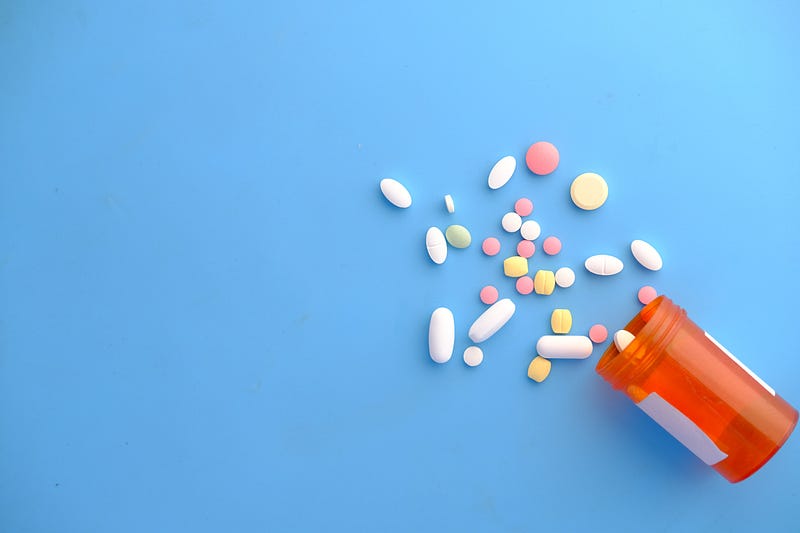
2 months ago, I started taking fish-oil as a food supplement. I’ve just finished my stock. So. Let me share what I think about it.
Like you, I was aware of Omega-3’s health benefits, specifically concerning the heart. I remember my mother giving us (me and my sister) Omega-3 pills from time to time. It was my morning routine back in elementary school.
I grew up, and I started to take an interest in my health. There is no more mom to feed me and tell me what’s good or not. I now want to develop my own theories and build my own experience on things.
In the 43rd episode of Huberman Lab podcast, M.Huberman highlights the power of Omega-3 to help neurons function across our lifespan.
I liked this idea. You know, my brain is what drives me in everyday life and also my livelihood. So I thought there was something to dig into.

What is Omega-3?
There are 3 main types of Omega-3. ALA (alpha-linolenic acid), EPA (eicosapentaenoic acid), and DHA (docosahexaenoic acid). You mostly find ALA in plant-based food such as seeds (flax, walnut, chia). As for EPA and DHA, you find them in GREAT MAJORITY in animal foods, seafood, and algae.
So I can choose between fish and seeds?
Well, yes and no. Your body prefers EPA and DHA rather than ALA. When you eat flax seeds, it converts ALA into EPA and DHA. The problem is that the conversion rate is low. 1% to 10% for EPA and 0.5% to 5% for DHA.
It makes a lot of seed for a non-bird individual if you want the same level as what fish brings.
Summary: Since ALA types of Omega-3 aren’t usable as it is by our body and need to be transformed into EPA and DHA. And since the conversion rate is low. I’ll recommend you to take EPA and DHA types of Omega-3. Seafood is excellent for this purpose.
A list of Omega-3 rich food is available here.

Why EPA and DHA?
Omega-3 is a long-time studied nutrient. Researchers noticed decades ago that fish-eating communities had lower heart diseases.
Omega-3 and specifically EPA prevent heart disease. At first, I thought that it was good, without more, until I saw that heart disease is the number one killer in the world. It’s a good point finally.
But that’s not all. And that’s not the reason I chose Omega-3. What interests me are some benefits regarding the brain.
Taking Omega-3 fatty acids will reduce your cognitive decline, which comes with age. Some even advance that it could have something to do with Alzheimer.
EPA has benefits on mood and prevents depression. It acts as a mild antidepressant without its side effects. Of course, it is not a substitute for proper medical treatment, but people taking EPA do see a decrease in their antidepressant dosage.
When you think about it’s obvious!
Neurons are the building blocks of our brain. The foods you eat are directly related to your nervous cells’ health. A healthy neuron’s cell fires better, reacts faster, and lives longer.
Omega-3 and Omega-6 participate in that. Both provide nutrients that maintain the short and long-term integrity of nervous cells. We generally get enough Omega-6 in our diet. But Omega-3 is the naughty boy.
Summary: In addition to heart, eyes, and inflammation, EPA and DHA positively affect your brain. They properly nourish its cells by preserving their integrity in the short and long term. Omega-3 prevents cognitive decline and acts as an antidepressant.

How Much?
Unless you like fish enough to buy one. Have the faith to cook it and support its smell on your bin for the following 7 days, you may miss Omega-3.
I do like fish, but:
- I don’t have an oven,
- I live in a 20 square meter apartment. Either it would be Tchernobyle in my living or in the trash room.
When I can’t get enough nutrients from my diet, I look at supplements side. Pills and liquid fish oil are the most popular. Now the question is: What do I need to take? In what quantity?
The minimum dosage recommended is 250mg to 500mg of EPA and DHA daily. However, American Heart Association says 1g. As for depression and anxiety, the testing range is between 200mg to 2000mg. So I recommend between 1000mg to 1500mg.
To the extreme, I think you’re safe taking more than 5000mg, but European Food Safety Authority doesn’t recommend it.
What should I look at when buying pills?
I first look at EPA and DHA levels. Lots of products contain the minimum recommended EPA and DHA. Unless min 4 pills daily, you will struggle to reach 1g to 1,5g. 500mg of EPA per pill is my limit.
DHA is less significant and is often about the same levels as EPA. So I’m less concerned about it.
In the end, I took 2 to 3 pills a day, except when I eat fish.
As with all dietary supplements, some are better quality than others. Ask your sense of ethics and your values. I fell like you should ask yourself these questions before buying:
- Where is it produced?
- In what conditions?
- What do I want?
Summary: 1000mg to 1500mg is what I suggest. If you eat fish, don’t take supplements. But if you do not. Aim to buy fish oil in softgels or liquid forms. Look at EPA and DHA. 500mg of EPA/pill is my purchase trigger.

My Impressions?
Effects are mild. Omega-3 is not a substitute for healthy meals, a good night’s sleep, and exercise. However, I do feel some improvements.
1- I have fewer memory lapses.
I forget my phone charger less when I go to a friend’s place. I remember to take tissues some cold mornings before going to work. Think about my water bottle, my friend’s important deadlines, and bringing my sister’s book on Friday.
2- I generally feel more productive.
I work 9 to 5 on difficult engineering problems. Still, I feel like I have enough energy in the evening to write.
Caution, remember this; it’s my personal feeling. Maybe it has nothing to do with Omega-3. Do with it what you want.
In the end, I would definitively recommend anyone taking more Omega-3. There are many advantages and not many drawbacks. Zero, in fact.

Further reading from me :
I’m active on Twitter too.