avatarKamal O. Touhami

Free AI web copilot to create summaries, insights and extended knowledge, download it at here

7136

Abstract

ces like parks, green belts, and even green roofs</b>. These spaces are super important because they help to clean the air and make the city healthier.</p><p id="31ca">Take Dresden, for example. It’s the second-largest city on the River Elbe, and they’ve done something really neat —<b> they’ve put up special walls where they grow moss</b>. This moss acts like a super filter, cleaning the air even better than trees! One of these walls can filter as much pollution as 200 trees would.</p><figure id="fb7c"><img src="https://cdn-images-1.readmedium.com/v2/resize:fit:800/1*_gKObCTpfLzcy4LNWOBzpA.png"><figcaption>Dresden Moss walls indoors</figcaption></figure><p id="b73a">These green spaces do a lot of good things:</p><blockquote id="36c8"><p>1. They make the air in the city better to breathe. 2. They take bad gases out of the air and give us more oxygen. 3. They clean out tiny bits of pollution floating around. 4. They even help to keep the city cooler on hot days.</p></blockquote><p id="744e">Such a great idea, right, guys? I guess that by making our cities greener, we’re not just making them look nicer — we’re also making them healthier places to live!</p><h1 id="76c3">5. Promote E-Cars</h1><figure id="96cb"><img src="https://cdn-images-1.readmedium.com/v2/resize:fit:800/0*jy318ANyw8-M0g_i"><figcaption>Photo by <a href="https://unsplash.com/@jccards?utm_source=medium&amp;utm_medium=referral">Marek Studzinski</a> on <a href="https://unsplash.com?utm_source=medium&amp;utm_medium=referral">Unsplash</a></figcaption></figure><p id="c8ca">While many cities are still figuring out how to make electric cars a reality, Norway has already made huge strides in this area. In fact, <b>over 70% of cars sold in Norway in 2020 were electric</b>! That’s pretty impressive.</p><p id="50dc">The government in Norway is really serious about this. <b>They’re planning to stop selling cars with diesel or gasoline engines by 2025</b>. And big cities like Oslo, Bergen, Stavanger, and Trondheim are leading the charge.</p><p id="e3c1">Oslo, especially, is a shining example. <b>It’s known around the world for being the city with the most electric cars per person</b>. More than 30% of new cars sold in Oslo in 2015 and 2016 were electric or plug-in hybrids.</p><p id="9ea8">The Norwegian government has been giving people a lot of incentives to switch to electric cars since 2009. <b>They’ve made it cheaper to buy and use electric cars </b>compared to ones that pollute the air.</p><p id="f45e">Some of the really cool things they’re doing include:</p><blockquote id="ae01"><p>1. No import tax on electric cars. 2. Letting electric cars use bus lanes. 3. Giving free parking to electric cars. 4. Even letting electric cars ride ferries for free!</p></blockquote><p id="98c5">And other cities are taking notes. Oslo is aiming to have only zero-emission cars sold by 2025, and London is aiming for 2040.</p><p id="38dc">Even in California, they’re taking major steps to promote electric cars. In 2017, <b>Californians bought a whopping 350,000 electric vehicles</b> — nearly half of all the electric cars in the whole United States!</p><p id="33bd">With more and more people wanting cleaner air and electric car technology getting better, it’s likely that more cities will follow suit in the future.</p><h1 id="35c7">6. Reduce industrial pollution</h1><p id="3792">Cities are often the heart of industry, but that also means they can be big polluters. <b>Industrial waste is a major contributor to global warming and can harm our health</b>. Luckily, many governments are taking steps to protect us:</p><blockquote id="b4a7"><p>1. They’re encouraging industries to use cleaner fuels like ultra-low sulfur diesel instead of dirty ones. 2. They’re moving away from coal and other non-renewable fuels, opting for cleaner options like natural gas. They’re also putting in systems to control and reduce toxic gas emissions. 3. Governments are giving incentives to power companies to invest in renewable energy sources like solar and wind power. 4. They’re working together with other cities to find solutions to air pollution problems.</p></blockquote><p id="f6f2">By taking these steps, governments are making our cities cleaner and safer places to live. And by working together, we can make even bigger strides in reducing industrial pollution and protecting our health.</p><h1 id="37a9">7. Stop burning garbage</h1><figure id="2623"><img src="https://cdn-images-1.readmedium.com/v2/resize:fit:800/0*Wjmy55IrAZTjX-g4"><figcaption>Photo by <a href="https://unsplash.com/@cwrhoads?utm_source=medium&amp;utm_medium=referral">Chris Rhoads</a> on <a href="https://unsplash.com?utm_source=medium&amp;utm_medium=referral">Unsplash</a></figcaption></figure><p id="8e24">Burning garbage might seem like a quick way to get rid of it, <b>but it’s really bad for our environment and health</b>. When we burn garbage, it releases a lot of carbon into the air, which is harmful.</p><p id="c606">In some places like Minnesota, burning garbage is actually against the law because it’s so dangerous.</p><p id="a775">Other cities are also cracking down on burning garbage in things like:</p><blockquote id="c834"><p>1. Wood stoves 2. Burn barrels 3. Fire-pits</p></blockquote><p id="93c4">Cities are making a significant contribution to maintaining clean air and healthy communities by outlawing the burning of trash. Well, let’s all play a part and discover safer ways to dispose of our waste!</p><h1 id="23e2">8. Ban campfires in the city</h1><figure id="9f6d"><img src="https://cdn-images-1.readmedium.com/v2/resize:fit:800/0*BmHGrj_sdPG9xqVb"><figcaption>Photo by <a href="https://unsplash.com/@lemondyt?utm_source=medium&amp;utm_medium=referral">Marko Horvat</a> on <a href="https://unsplash.com?utm_source=medium&amp;utm_medium=referral">Unsplash</a></figcaption></figure><p id="1632">Having campfires in the city might seem like fun sometimes, but<b> they can actually be harmful to our health and the environmen</b>t. The smoke from campfires releases toxic gases into the air, especially when the weather is still.</p><p id="2dc7">To make sure everyone stays safe, some cities have rules for having campfires. Here are some common guidelines:</p><blockquote id="7fae"><p>1. Keep your campfire small and short. 2. Only burn dry firewood — burning other things is usually against the law, like in Greater Minnesota. 3. Don’t start a campfire when there are air quality alerts in effect.</p></blockquote><p id="6b66">We can all contribute to preserving the health of our communities and the air we breathe by abiding by these guidelines. Thus, if you’re considering having a campfire, remember to do it sensibly and carefully!</p><h1 id="e328">9. Support environmental heroes</h1><p id="c87f">Cities are putting more effort into encouraging people like you to become champions for clean air. These heroes help local businesses, city offices, and schools learn how they can reduce air pollution.</p><p id="41f9">As a hero for clean air, you can:</p><blockquote id="0c70"><p>1. Share your knowledge and skills with others to help them join the fight a

Options

gainst air pollution. 2. Report any concerns you have about air quality to city leaders and work with environmental agencies to find solutions. 3. Tell others why it’s important to take action to protect our environment and encourage them to get involved too.</p></blockquote><p id="bdb7">Together, we can make a significant impact on maintaining clean air and healthy cities by becoming champions for clean air. Together, let’s make our towns more environmentally friendly and cleaner for everyone!</p><h1 id="6919">10. Reduce, Reuse, and Recycle</h1><p id="d17a">Cities often struggle with managing the huge amount of waste they produce, which can lead to serious pollution problems.</p><p id="d8ba" type="7">Did you know that the average person in America throws away over four pounds of trash every day? That’s a lot!</p><p id="66ca">But cities are finding ways to tackle this problem by recycling and reusing items. For example:</p><blockquote id="21a4"><p>1. They’re recycling old aluminum, steel utensils, and even car tires to make new materials instead of letting them fill up landfills. 2. They’re encouraging households to reuse old items instead of throwing them away. For instance, you can use empty cooking fat containers to store salt or other things around the house.</p></blockquote><p id="7696">We can contribute to<b> lowering the quantity of waste that ends up in landfills,</b> which in turn lowers the dangerous gasses such as methane that they release, by reducing, reusing, and recycling.</p><p id="96de">The best thing is that<b> anyone can do it without having to invest a lot of money or time</b>. Thus, let’s all do our part to preserve the environment and improve the cleanliness and greenery of our towns!</p><h1 id="f175">Bottom line</h1><p id="5bff">It’s clear that cities around the world are making significant efforts to combat air pollution, and much of the pollution actually begins in our own homes. It’s crucial for everyone to play a role in finding solutions.</p><p id="ea91">When cities introduce regulations on car ownership, fuel use, and waste production, it’s in everyone’s best interest to support these environmentally friendly policies. However, there’s always more we can do. We can learn from other cities and adopt innovative ideas to further reduce pollution and protect our environment.</p><blockquote id="6a04"><p>Related</p></blockquote><div id="efdf" class="link-block"> <a href="https://readmedium.com/if-you-are-quiet-like-me-use-the-ford-method-to-start-any-conversation-without-stepping-on-10da05d0f6c5"> <div> <div> <h2>If you are quiet like me, use the FORD method to start any conversation without stepping on…</h2> <div><h3>You can start conversations without stress — ✍ Kamal O. Touhami</h3></div> <div><p>medium.com</p></div> </div> <div> <div style="background-image: url(https://miro.readmedium.com/v2/resize:fit:320/0*sMbcPF4BMgg2Ei2Q)"></div> </div> </div> </a> </div><div id="fbef" class="link-block"> <a href="https://readmedium.com/if-youre-shy-like-me-use-the-hefe-method-to-strike-up-safe-conversations-with-anybody-aef3ab3dbb6a"> <div> <div> <h2>If you’re shy like me, use the ‘HEFE’ method to strike up ‘safe’ conversations with anybody</h2> <div><h3>Making small talk is about to get a little easier✍ Kamal O. Touhami</h3></div> <div><p>medium.com</p></div> </div> <div> <div style="background-image: url(https://miro.readmedium.com/v2/resize:fit:320/0*WzoxVS4V5j9YXOVw)"></div> </div> </div> </a> </div><div id="fef5" class="link-block"> <a href="https://readmedium.com/reprogram-your-brain-with-these-9-tips-for-success-and-happiness-205a8194e928"> <div> <div> <h2>Reprogram your brain with these 9 tips for lasting success and happiness</h2> <div><h3>Simple hacks for a fulfilling life✍ Kamal O. Touhami</h3></div> <div><p>medium.com</p></div> </div> <div> <div style="background-image: url(https://miro.readmedium.com/v2/resize:fit:320/0*BTxuXsP8d-lPhXz2)"></div> </div> </div> </a> </div><div id="e878" class="link-block"> <a href="https://readmedium.com/how-to-decide-what-to-do-with-your-life-7-questions-thatll-help-you-find-your-life-purpose-53e59816b14e"> <div> <div> <h2>How to decide what to do with your life — 7 questions that’ll help you find your life purpose</h2> <div><h3>✍️Kamal O. Touhami</h3></div> <div><p>medium.com</p></div> </div> <div> <div style="background-image: url(https://miro.readmedium.com/v2/resize:fit:320/1*5XfwE6VsG2TrSR8s80J7bA.jpeg)"></div> </div> </div> </a> </div><div id="dfa3" class="link-block"> <a href="https://readmedium.com/heres-how-michelle-schroeder-gardner-makes-over-110k-a-month-through-blogging-67fa5c40e8a3"> <div> <div> <h2>Here’s how Michelle Schroeder-Gardner makes over 110k a month through blogging!</h2> <div><h3>Lessons that can help us all get ahead in life✍ Kamal O. Touhami</h3></div> <div><p>medium.com</p></div> </div> <div> <div style="background-image: url(https://miro.readmedium.com/v2/resize:fit:320/1*NDFBVZwMnRMYa9PKkw7qUw.jpeg)"></div> </div> </div> </a> </div><div id="7979" class="link-block"> <a href="https://readmedium.com/this-girl-made-100-a-day-for-100-days-through-side-hustles-heres-how-she-did-it-1e96339d6707"> <div> <div> <h2>This girl made $100 a day for 100 days through side hustles. Here’s how she did it.</h2> <div><h3>Let’s see what we can learn from her tips to replicate her success!</h3></div> <div><p>medium.com</p></div> </div> <div> <div style="background-image: url(https://miro.readmedium.com/v2/resize:fit:320/0*fBnZCCTnl-urX0CY)"></div> </div> </div> </a> </div><p id="4a64"><i>Hi! My name is Kemal. Thank you for reading and engaging with this piece. If you’re new here, make sure to follow me (Tip: I’ll follow you back and support your work. 🤫thank me later).</i></p><p id="7b0e"><i>Also, you can <b>subscribe </b>to the <b>Newsletter </b>📰 to get notified every time I put out awesome content like this one above. Thank you, dear Champ!🤓</i></p><p id="6d1c"><b><i>If you’re rich, you could buy me a coffee here: <a href="https://www.buymeacoffee.com/kamaltouhami">buymeacoffee.com</a></i></b></p></article></body>

Photo by Maxim Tolchinskiy on Unsplash

10 simple ways to make your city’s air cleaner and eco-friendlier

✍ Kamal O. Touhami

For non-paying members, click the link here to read the full story. And say, “Hi,” if you used it, please.

NOTE: I'd like to reward readers who genuinely interact with this story. 
Just take a moment to do following; later, I'll come to check out what 
you've been writing on recently:
- 50 claps
- 3-6 highlights
- 1 comment

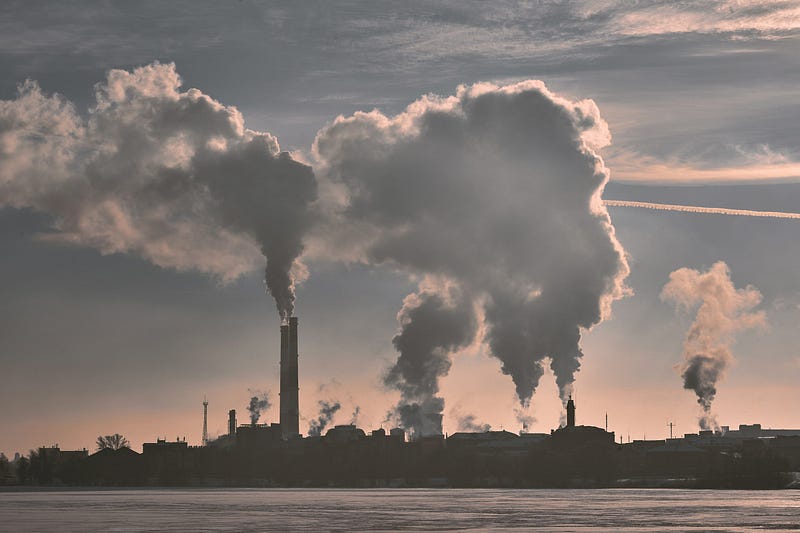
Living in a city with polluted air can be dangerous for you and your loved ones.

Did you know that around 1.7 million children under five years old pass away every year because of pollution?

Many others also get sick and might face serious health issues.

Luckily, there are things we can all do to help make the air in our cities cleaner. Even though governments put rules in place to reduce pollution, everyone has a part to play in keeping the air clean where they live.

Let’s take a look at some easy ways you can help reduce air pollution in your city:

1. At redlights, turn off your engine
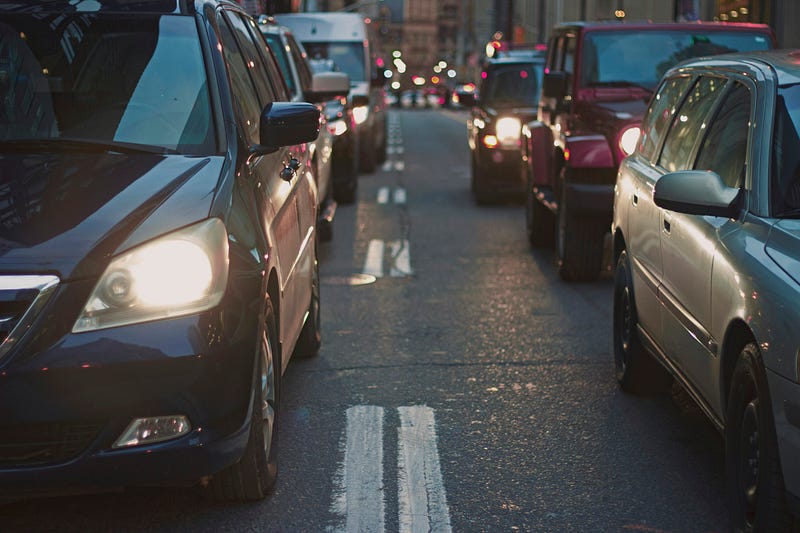
Photo by Nabeel Syed on Unsplash

Leaving your car engine running when you’re not driving is a big contributor to air pollution. Cities have noticed that big trucks and buses especially release a lot of harmful emissions into the air when they’re just waiting with their engines on. That’s why many cities have made rules against it.

For example, in New York City, they made it illegal to let your car engine idle for more than three minutes when you’re stopped, waiting, or parked. Near schools, it’s even stricter — you’re only allowed one minute.

NYC has taken it seriously by using technology to catch people breaking the rule. They have special monitoring vehiles that can detect when cars are idling too long and report them for breaking the law. But anyone can also report a car that’s idling too long to the authorities.

So, by turning off your car engine when you’re not driving, you’re helping to keep pollution levels down. And because it’s such a good idea, more and more cities are likely to make similar rules.

2. Use public transportation
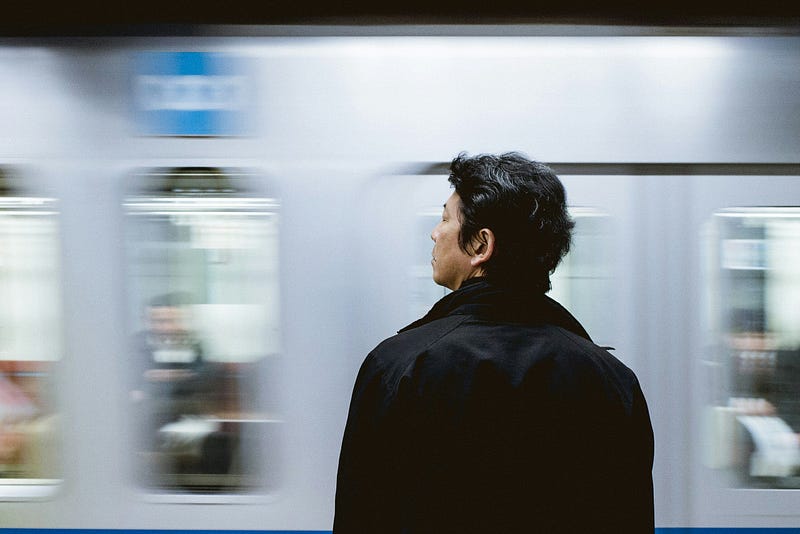
Photo by Amos Bar-Zeev on Unsplash

Using public transportation instead of driving your car can really help cut down on pollution. Lots of cities are doing things to encourage people to take buses, trains, or subways instead of driving everywhere. This not only helps with pollution but also makes it easier for the city to run smoothly.

Here are some of the things cities are doing to promote public transportation and cut down on car use:

1. Making people park their cars outside the city center. 2. Charging high fees for parking in busy areas. 3. Making public transportation better and more convenient. 4. Setting up affordable car-sharing programs.

One city that’s been doing this for a while is Freiburg. They don’t allow buildings or individuals to have their own parking spaces, so everyone has to use shared parking areas, which can be expensive. But in return, they offer cheaper public transportation and housing.

In Los Angeles, they’ve got a system where parking prices change depending on how busy it is.

And in Milan, they started charging drivers to enter certain parts of the city, which helped reduce traffic jams.

You can see that these ideas work, whether your city has the same rules or not. So, consider taking public transportation next time you need to get around!

3. Build roads for cyclists and pedestrians
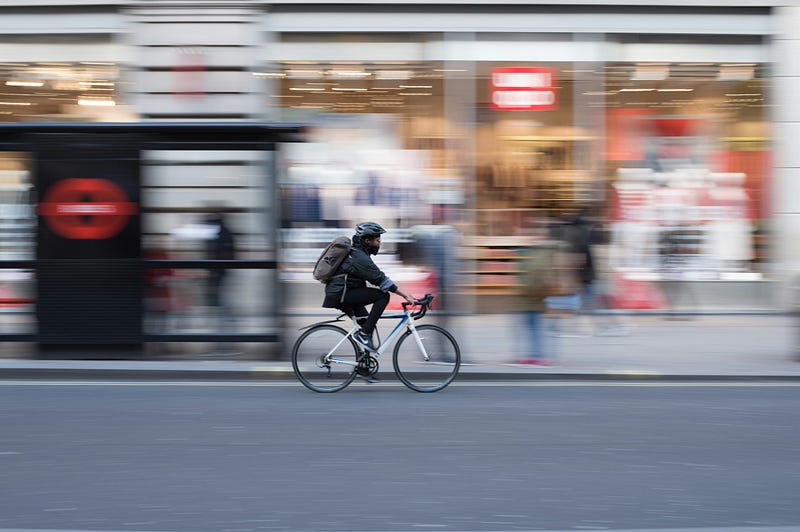
Photo by Roman Koester on Unsplash

Big cities all around the world are working hard to make cycling and walking easier and more enjoyable. They’re spending a lot of money and making new rules to encourage people to ride bikes and walk instead of always driving everywhere. One city that’s doing a great job with this is Copenhagen, but many others are following this trend.

In Copenhagen, they’ve made some really cool changes to make cycling better:

1. Businesses have to provide bike parking for their employees. 2. Residential buildings need to have bike parking spaces too.

Because of these rules, lots of people in Copenhagen choose to bike to work or school. In fact, about 41% of trips to and from the city are made by bike!

But it’s not just Copenhagen — many other cities are also making room for bikes and pedestrians on the streets. For example, Barcelona is encouraging more cycling and making laws that make it safer and easier for people to walk around the city.

In short, you need to get used to riding a bike or walking because cities are trying to make it easier and safer for you to get around without needing a car.

4. Go greener

Cities that suffer from a lot of pollution are starting to do some really interesting things to make the air cleaner. They’re building green spaces like parks, green belts, and even green roofs. These spaces are super important because they help to clean the air and make the city healthier.

Take Dresden, for example. It’s the second-largest city on the River Elbe, and they’ve done something really neat — they’ve put up special walls where they grow moss. This moss acts like a super filter, cleaning the air even better than trees! One of these walls can filter as much pollution as 200 trees would.

Dresden Moss walls indoors

These green spaces do a lot of good things:

1. They make the air in the city better to breathe. 2. They take bad gases out of the air and give us more oxygen. 3. They clean out tiny bits of pollution floating around. 4. They even help to keep the city cooler on hot days.

Such a great idea, right, guys? I guess that by making our cities greener, we’re not just making them look nicer — we’re also making them healthier places to live!

5. Promote E-Cars
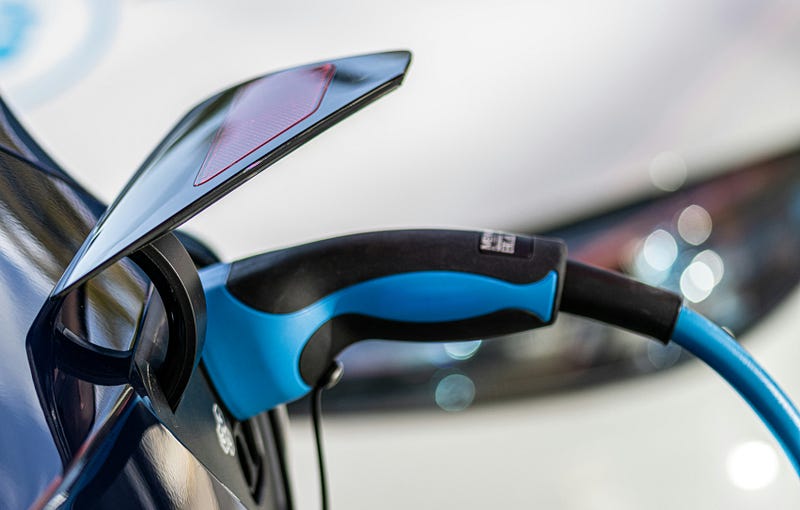
Photo by Marek Studzinski on Unsplash

While many cities are still figuring out how to make electric cars a reality, Norway has already made huge strides in this area. In fact, over 70% of cars sold in Norway in 2020 were electric! That’s pretty impressive.

The government in Norway is really serious about this. They’re planning to stop selling cars with diesel or gasoline engines by 2025. And big cities like Oslo, Bergen, Stavanger, and Trondheim are leading the charge.

Oslo, especially, is a shining example. It’s known around the world for being the city with the most electric cars per person. More than 30% of new cars sold in Oslo in 2015 and 2016 were electric or plug-in hybrids.

The Norwegian government has been giving people a lot of incentives to switch to electric cars since 2009. They’ve made it cheaper to buy and use electric cars compared to ones that pollute the air.

Some of the really cool things they’re doing include:

1. No import tax on electric cars. 2. Letting electric cars use bus lanes. 3. Giving free parking to electric cars. 4. Even letting electric cars ride ferries for free!

And other cities are taking notes. Oslo is aiming to have only zero-emission cars sold by 2025, and London is aiming for 2040.

Even in California, they’re taking major steps to promote electric cars. In 2017, Californians bought a whopping 350,000 electric vehicles — nearly half of all the electric cars in the whole United States!

With more and more people wanting cleaner air and electric car technology getting better, it’s likely that more cities will follow suit in the future.

6. Reduce industrial pollution

Cities are often the heart of industry, but that also means they can be big polluters. Industrial waste is a major contributor to global warming and can harm our health. Luckily, many governments are taking steps to protect us:

1. They’re encouraging industries to use cleaner fuels like ultra-low sulfur diesel instead of dirty ones. 2. They’re moving away from coal and other non-renewable fuels, opting for cleaner options like natural gas. They’re also putting in systems to control and reduce toxic gas emissions. 3. Governments are giving incentives to power companies to invest in renewable energy sources like solar and wind power. 4. They’re working together with other cities to find solutions to air pollution problems.

By taking these steps, governments are making our cities cleaner and safer places to live. And by working together, we can make even bigger strides in reducing industrial pollution and protecting our health.

7. Stop burning garbage
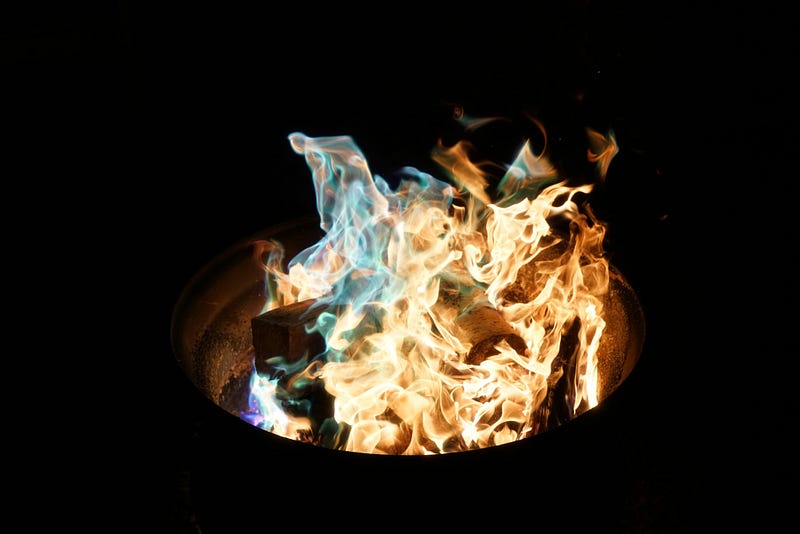
Photo by Chris Rhoads on Unsplash

Burning garbage might seem like a quick way to get rid of it, but it’s really bad for our environment and health. When we burn garbage, it releases a lot of carbon into the air, which is harmful.

In some places like Minnesota, burning garbage is actually against the law because it’s so dangerous.

Other cities are also cracking down on burning garbage in things like:

1. Wood stoves 2. Burn barrels 3. Fire-pits

Cities are making a significant contribution to maintaining clean air and healthy communities by outlawing the burning of trash. Well, let’s all play a part and discover safer ways to dispose of our waste!

8. Ban campfires in the city
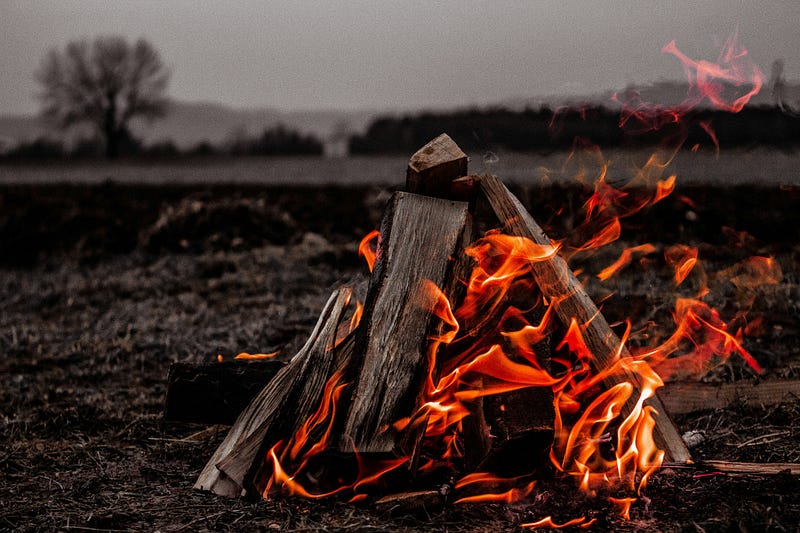
Photo by Marko Horvat on Unsplash

Having campfires in the city might seem like fun sometimes, but they can actually be harmful to our health and the environment. The smoke from campfires releases toxic gases into the air, especially when the weather is still.

To make sure everyone stays safe, some cities have rules for having campfires. Here are some common guidelines:

1. Keep your campfire small and short. 2. Only burn dry firewood — burning other things is usually against the law, like in Greater Minnesota. 3. Don’t start a campfire when there are air quality alerts in effect.

We can all contribute to preserving the health of our communities and the air we breathe by abiding by these guidelines. Thus, if you’re considering having a campfire, remember to do it sensibly and carefully!

9. Support environmental heroes

Cities are putting more effort into encouraging people like you to become champions for clean air. These heroes help local businesses, city offices, and schools learn how they can reduce air pollution.

As a hero for clean air, you can:

1. Share your knowledge and skills with others to help them join the fight against air pollution. 2. Report any concerns you have about air quality to city leaders and work with environmental agencies to find solutions. 3. Tell others why it’s important to take action to protect our environment and encourage them to get involved too.

Together, we can make a significant impact on maintaining clean air and healthy cities by becoming champions for clean air. Together, let’s make our towns more environmentally friendly and cleaner for everyone!

10. Reduce, Reuse, and Recycle

Cities often struggle with managing the huge amount of waste they produce, which can lead to serious pollution problems.

Did you know that the average person in America throws away over four pounds of trash every day? That’s a lot!

But cities are finding ways to tackle this problem by recycling and reusing items. For example:

1. They’re recycling old aluminum, steel utensils, and even car tires to make new materials instead of letting them fill up landfills. 2. They’re encouraging households to reuse old items instead of throwing them away. For instance, you can use empty cooking fat containers to store salt or other things around the house.

We can contribute to lowering the quantity of waste that ends up in landfills, which in turn lowers the dangerous gasses such as methane that they release, by reducing, reusing, and recycling.

The best thing is that anyone can do it without having to invest a lot of money or time. Thus, let’s all do our part to preserve the environment and improve the cleanliness and greenery of our towns!

Bottom line

It’s clear that cities around the world are making significant efforts to combat air pollution, and much of the pollution actually begins in our own homes. It’s crucial for everyone to play a role in finding solutions.

When cities introduce regulations on car ownership, fuel use, and waste production, it’s in everyone’s best interest to support these environmentally friendly policies. However, there’s always more we can do. We can learn from other cities and adopt innovative ideas to further reduce pollution and protect our environment.

Related

Hi! My name is Kemal. Thank you for reading and engaging with this piece. If you’re new here, make sure to follow me (Tip: I’ll follow you back and support your work. 🤫thank me later).

Also, you can subscribe to the Newsletter 📰 to get notified every time I put out awesome content like this one above. Thank you, dear Champ!🤓

If you’re rich, you could buy me a coffee here: buymeacoffee.com

Environment
Nature
Pollution
Self-awareness
Recycling
Recommended from ReadMedium