
10 Major Innovations in the Last Decade That Changed the World
The world is never the same WITH them…

When we think about the gadgets, apps, or services that we use all the time, it’s hard to imagine that there was ever a time when we got along when those were available. From music streaming services to food delivery apps to virtual assistants to smart homes, they have changed our lives to a point we no longer can live without them.
Certain tech advancements that have arisen over the past years and have become so ubiquitous that we hardly even give them a second thought. But the reality is those things didn’t exist 10 years ago. It’s amazing to even think about it. How could we live without 4G, smartphones, wireless earbuds, and many more things?
The last decade was an unparalleled era of innovation that eased our lives with many new technologies. So let’s take a look at 10 of those remarkable breakthroughs.
Virtual Assistants
Ok, Google — Ain’t you the best?
Virtual assistants have invariably changed our lives over the past decade. The technology has come a long way, from simple voice internet searches to complete voice control over our smartphones and smart homes.
Alexa and Siri came first, but it the Google Assistant that has arguably become the most advanced personal AI of the bunch. Beginning with Pixel phones in 2016, then smart home gadgets and chat apps, and now on TVs and even iPhones, Google Assistant is everywhere and smarter than ever before. With Pixel 4 it is now even quicker to respond than ever before because no longer it has to go through the cloud to answer your questions.
It can compose messages, make reminders, or make an internet search just by your voice. Well, if you have tried you might know that you even can make a conversation with the Google assistant. Yep, it is that good. It can even make reservations for you or translate languages in real-time.
Google Assistant is surely one of the best, if not the very best tech innovation of the last decade. it will only grow in prowess in this decade.
3-D Bioprinting

3D printing is probably a contender for the 1st place in this list. It utilizes the 3D printing technologies to assemble multiple cell types or stem cells/growth factors along with other biomaterials in a layer-by-layer fashion to produce bioartificial organs that maximally imitate their natural counterparts.
Each year, tens of thousands of people die while waiting for an organ transplant. Researchers hope to one day end the queue by 3-D printing organs like kidneys, hearts, lungs, and even skin using a scaffold of biocompatible plastic and special human cells. At first, the prices will be super high. But with anything, they will come down and make the waiting lists for the organ donors obsolete someday.
‘Smart’ homes
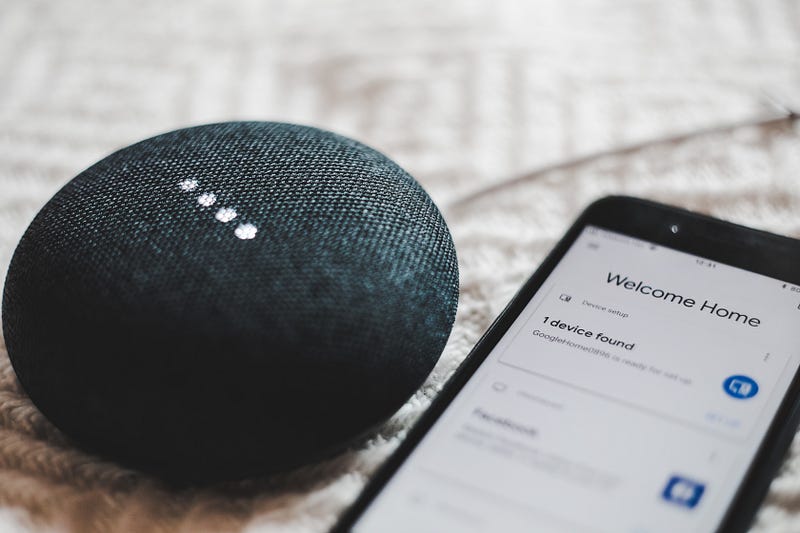
A thermostat to initiate the revolution of the household? Well, this is a great example of “small things can change the world”.
Google started the ‘Smart Home’ concept back in 2014 with the launch of Google Nest, which offers connected smart devices for almost anything you might need at your home. The first product under Google Nest was the WiFi-connected Learning Thermostat. But it was not Google’s invention by default.
It was first founded by 2 Apple engineers, Tony Fadell and Matt Rogers. Google brought the company in 2014 for a whopping $3.2 billion. Google sure did see the importance of that invention.
Google has since rolled out a host of additional smart home products, including a smoke detector, security system, Chromecast, and more. And other manufactures like Samsung and Apple are following the trend but still a bit behind the game compared to Google.
Tablets

Back in 2010, Steve Jobs presented the idea of a new kind of tech device that could exist somewhere between a laptop and a smartphone. First, it was ridiculed for its name, but coming into 2020 iPad has sold 400 million units to date and spawned competitors from the likes of Amazon, Microsoft, Samsung, and Google.
Heck, even iPad Pros are now considered by many to a ‘complete laptop’ replacement. Tablets’ evolution has not followed according to Steve Jobs’ initial intentions, but it has grown to a position far better than any of us expected.
Now the tablet market is dominated by Apple, with a range of devices aimed at all the levels. More than one million iPad-native apps now live in the App Store, touching every industry from real estate and medicine to education. Android has a tough game in its hands if they want to catch up, but lack of interest from the side of Google means that the Android side has more or less given up on the tablet front. At least for now. Luckily Amazon has a good grip on the affordable tablet market with its Fire tablets which now even include kid-friendly versions.
Wireless earbuds
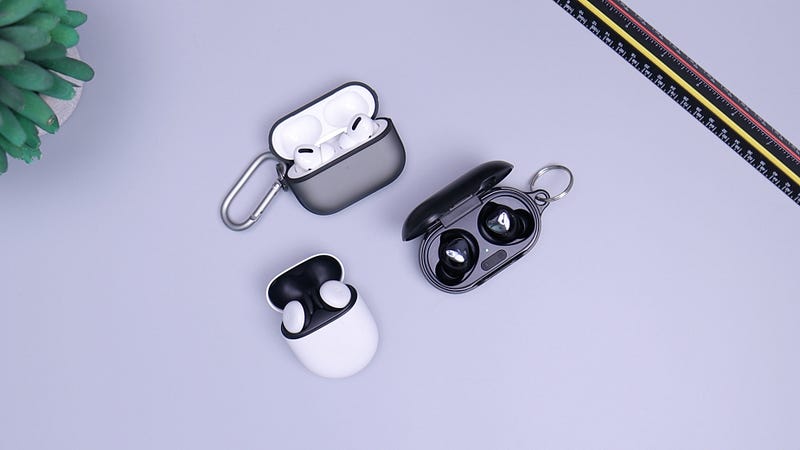
Yep. A pair of wireless earbuds don’t seem like much. It is now too common to even talk about.
But it was not too long ago that most people were still bound to their phones by headphone wires. By 2016 there were several wireless earbuds in the market, but it was Apple’s AirPods that set the field on fire.
They looked stupid and got lost easily, and most importantly they cost too much. But still, people fell in love with them. Their hassle-free connection, clear sound, and quick charging made it very compelling to masses. If you look around outside in a road, it’s crystal clear that wireless earbuds have won over the society.
Now almost all the manufacturers coming up with wireless earbuds with prices ranging from $250 to $4. They come with virtual assistant support, active noise cancellation, and many other features. Wireless earbuds are a great innovation and they will only get better with time.
Self-driving cars
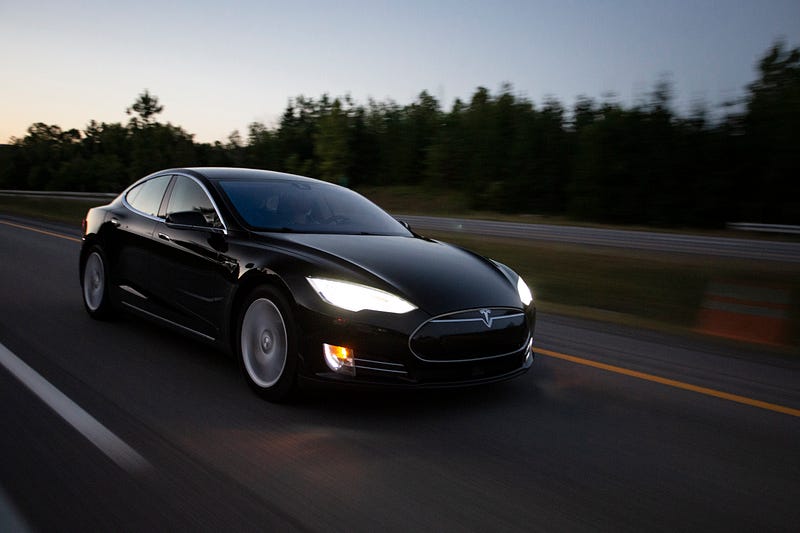
This came into life almost at the start of this decade and now has made some hard yards to come to a stable position. well, it is not yet ready to completely take our hands off the wheel anywhere, but it is getting there.
The possibilities are endless, but the physical presence of a human will still be required as self-driving cars are machines. So as any machine, they can misbehave once in while with bugs, and if nobody is around they can cause some serious harm in the streets.
As much as great innovation it is, this is very bad news for millions of taxi and truck drivers
But thanks to machine vision and some super-sophisticated artificial intelligence, the technology promises to make the roads a whole lot safer, from drunken or sleeping drivers. t can also provide you with rest on a long journey or even let you enjoy the view during a road trip.
Car manufacturers like Tesla and Volvo are already offering full self-driving modes, but it is not perfect. It will take some time before this technology reaching its full potential. But when it reaches there, it will revolutionize the roads.
Huge advances in Extended Reality
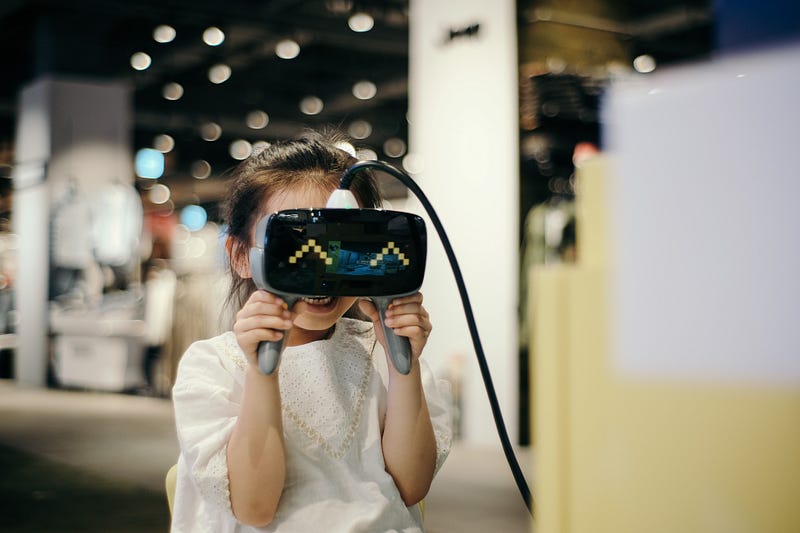
Virtual Reality, Augmented Reality, and Mixed Reality…These have changed the way how we interact with tech and the world around us in the last decade. They gave us the chance to experience a multitude of incredible worlds. First emerged with applications in gaming and cinema fields, but now has discovered a whole new set of possibilities that may change our lives if everything goes according to the plan.
It was companies like Oculus(a division of Facebook) and HTC Vive that made the first steps in making these technologies to become available for masses. But now there are a bunch of more manufacturers in the market to take a piece of the tech that might be the future. Of course, this decade would be the period that this technology really making strides towards its true potential.
Adobe Creative Cloud
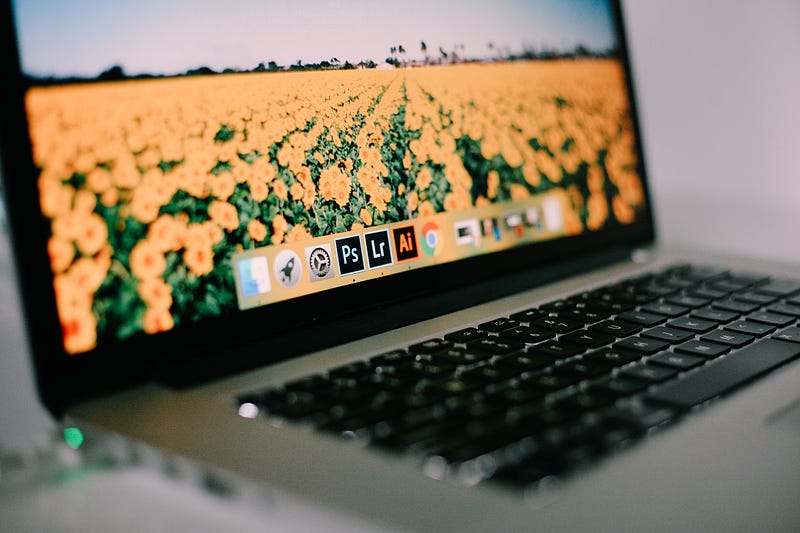
Adobe Creative Cloud was a revolutionary product even if you didn’t consider it as one before. When Adobe’s desktop-installed suite of applications made the shift to Adobe Creative Cloud, it marked the end of one software model and the beginning of another. Then it has grown as a poster child of the cloud subscription plans that now dominate the tech industry.
It remains as one of the most popular web-based app suites, and one that professionals dearly need every day.
USB Type-C
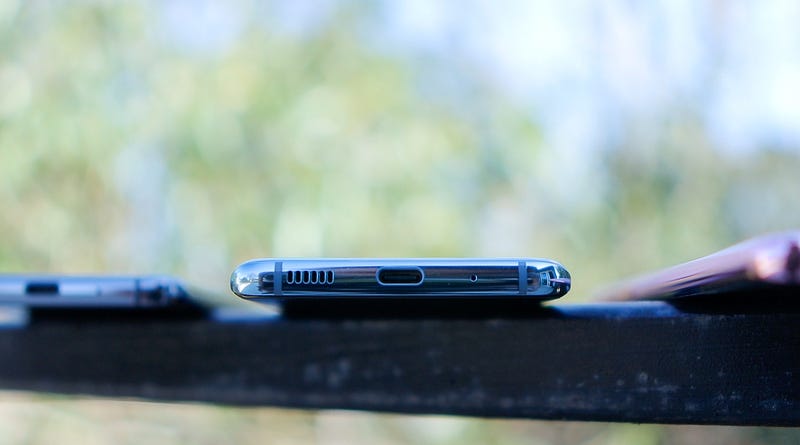
USB C is arguably another one of the best innovations in the last decade. It allowed for faster data transfers and provided a more powerful and flexible connector.
Barring Apple, every other manufacturer provides USB C ports across its device lines. Apple does provide USB C in MacBooks and iPad Pros but still, it lacks in more widely used iPhones and basic iPads.
4G networks
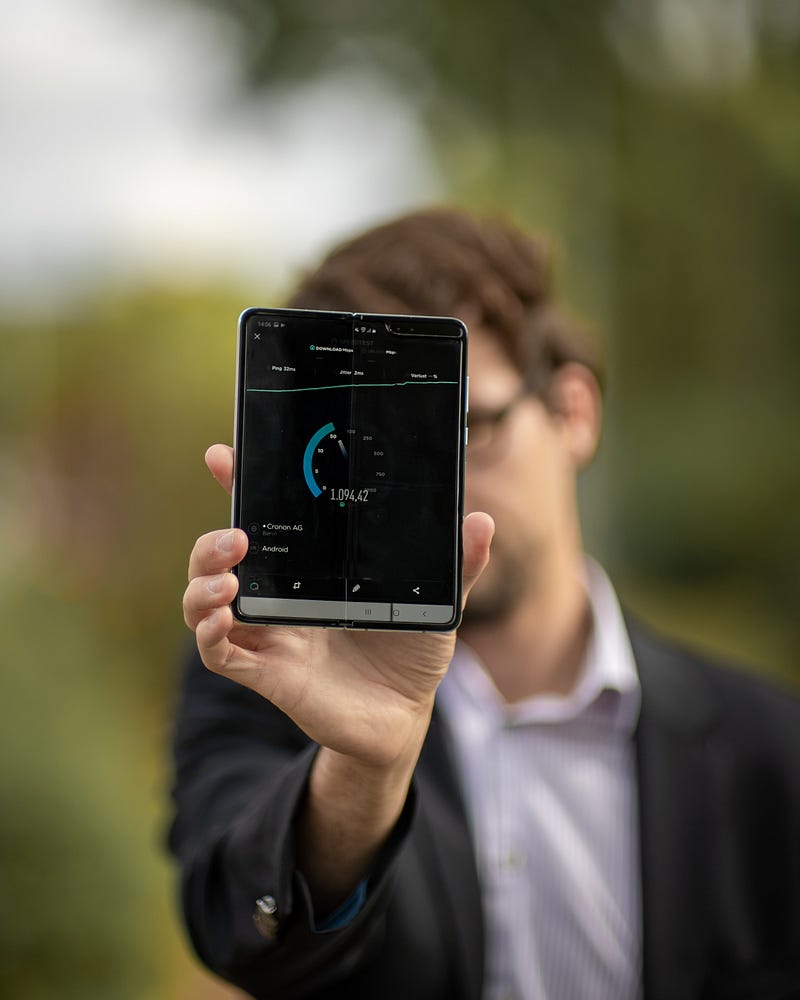
Prior to 2010, we were all still using 3G and didn’t even realize what we were missing. At the start of the decade that 4G (and the first 4G handset, Sprint’s HTC EVO) was introduced and offered a higher-speed alternative to its predecessor.
4G dominated the last decade up until late 2019. 5G came into the view of public last year, but it will take a better part of this decade to make it available for masses.
The last decade was a golden decade for science and tech. Today technology evolves more rapidly than ever before. We might talk about the technologies just coming up today in 2030 with regard to how they changed our lives for better. It’s impossible to predict what tech will look like 10 years from now, but we can clearly say that we will be able to see more innovations coming into life than it did in the last decade.


