
The Next Big Thing…
Will Mixed Reality take hold of the world?
Holograms have fascinated us for decades.
From Back to the Future 2, to Star Wars films, to The Iron Man and The Avengers — Hollywood has fueled us with futuristic, sci-fi dreams of fully immersive holograms.
How we could forget Tony Stark and his holograms? Yes, the film is about some great robot fights, notorious villains, and saving the world and stuff, but it’s Robert Downey Jr’s holographic prototypes that had caught the particular attention, given their seamless integration and super-futuristic visuals.
What if I told you, we might get to experience that kind of technology in our lives soon, and not only that, it may transform many aspects of our lives for the better? Hard to imagine, right?
So what is this technology that will revolutionize our lives in the future?
It is Extended Reality, which is the broad umbrella that covers virtual reality, augmented reality, and mixed reality.
We were having questions about a virtual or augmented reality long before we had the technology to make them possible. Today’s virtual reality technologies build upon ideas that date back to the 1800s, and from there on various inventors and sci-fi writers proposed ideas of an environment where you could escape from reality via art and machines. Fast forward to today, the border between the virtual and the real world continues to break down, providing us with breathtaking experiences.
So much is happening so fast that the differences between VR, AR, and MR can seem a little confusing at first. So Before anything else, let’s get to know what is meant by VR, AR, and MR.
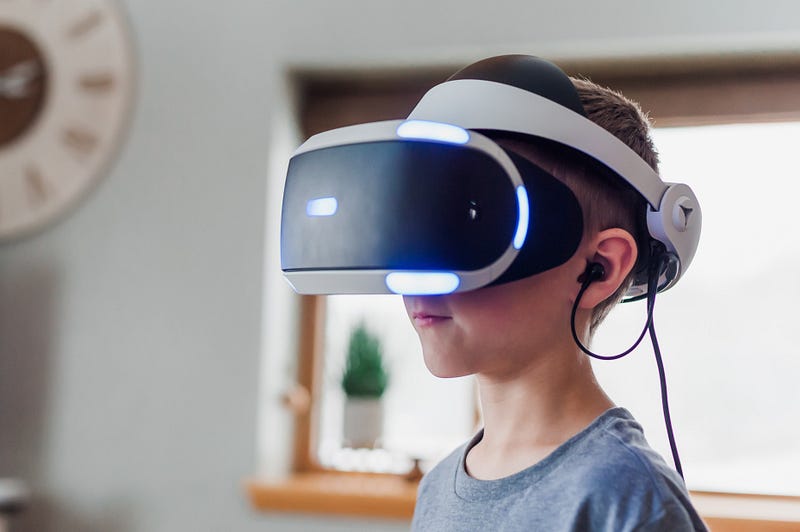
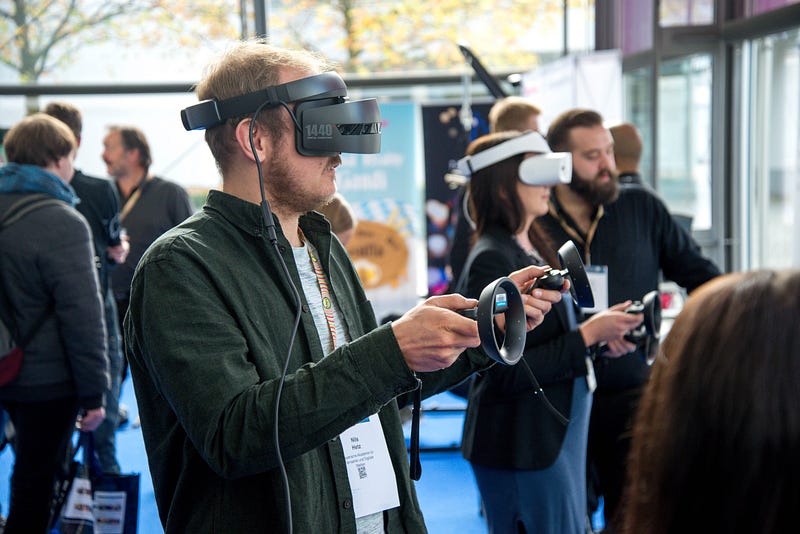
Virtual Reality (VR) makes you enter a completely computer-generated world that is different from the real world around you. This is a fully immersive digital world, where you experience 3D imagery and sounds and you can manipulate objects, move them around using haptic controllers while are connected to a console or PC.
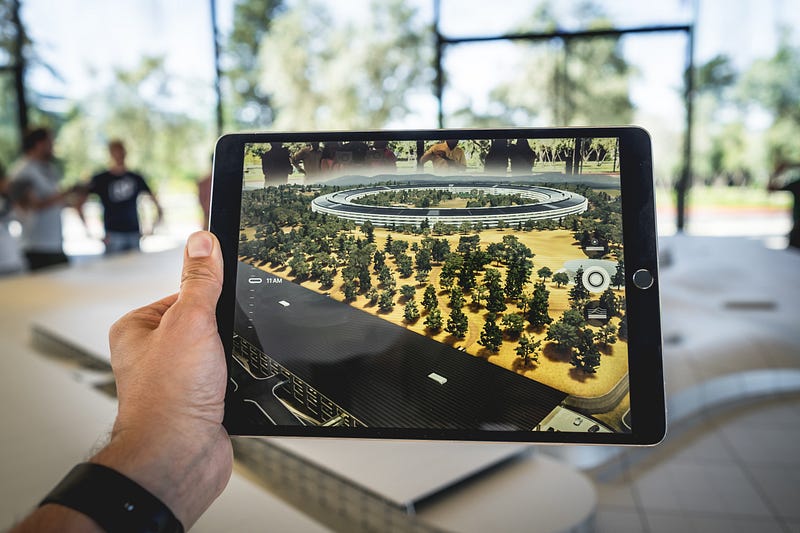
Augmented Reality (AR) doesn’t make a completely computer-generated world around you. Instead of that, it overlays digital objects or information on the real world surrounding you. You can manipulate virtual objects to your liking using controllers, but you can’t use physical items in your environment to do that. And that’s where Mixed Reality comes in.
Mixed Reality (MR) is where you could interact with and manipulate both physical and virtual items and environments. MR brings together the real world and digital elements. This provides us with the ability to be in the real world, and in an imaginary place all at once, blurring the line between what is real and what is imaginary.
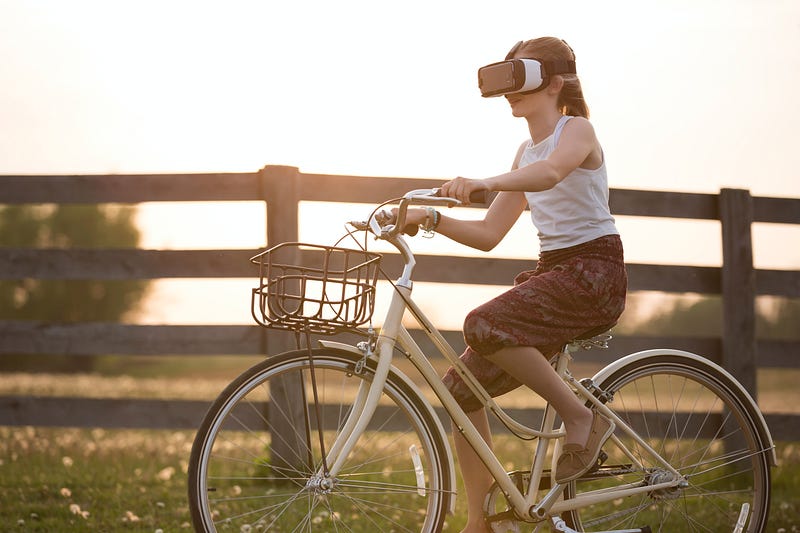
If you didn’t understand a word that is said above, think as you are playing a game. If you are put into the game as a character and you play the game using controllers, that’s what feels like VR. If game characters are brought into your dressing room and then you are playing the game with controllers is what AR feels like. MR is just like AR but in here you can throw a “real pillow” on your couch and hit the characters in your surrounding. Pretty amazing, right?
VR, AR, and MR all generate digital interfaces out of thin air with the use of glasses or a headset which gives the opportunity to view information without needing a traditional physical screen
So what all 3 of them do is generate digital interfaces out of thin air with the use of glasses or a headset and as a result, the opportunity to view information without needing a traditional physical screen. But their uses don’t limit to gaming only. From gaming to movies, to medicine, to military the uses are expanding.
Imagine going to a theatre and watching a movie while you are inside it. You could get an in-depth feel of the movie and watch it from any angle you would like. So basically, you are going to live the movie, not watch it. That would be some leap form the existing 3D and 4D technologies.
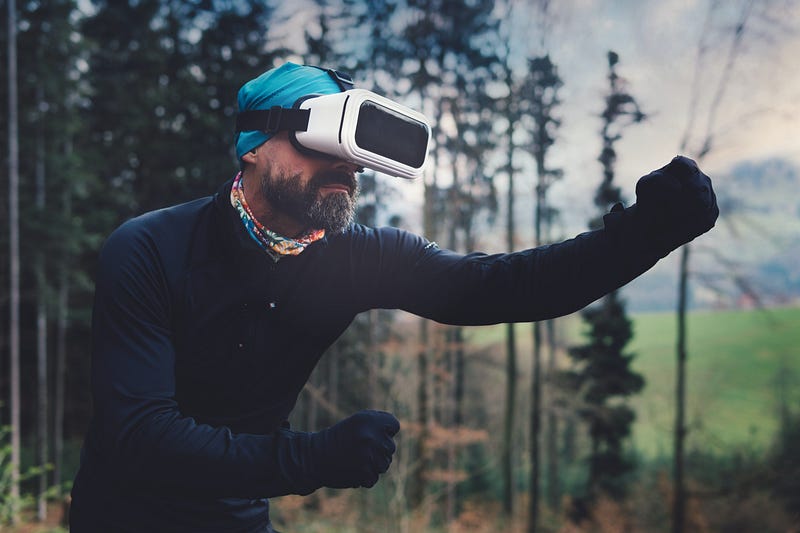
The classroom is another place where it could greatly help out. Teachers will be able to do practical demonstrations of concepts to the students, which will make understanding of complex concepts much easier. It will allow students to explore the human body, any historical landmark, underwater life, or even outer space for their academic purposes.
The medical field is where this technology might thrive with great influence. For example, surgeons will be able to get 3D reconstructions of CT and MRI images more easily and quickly, and they will be able to use them in the theatre settings when the surgery is ongoing. This will help surgeons detect the specific parts of the patient’s complex anatomy where the operation is to be performed and hence complete the surgery effectively. Not only that but also this will ease the understanding of difficult concepts of medical education.
Imagine going to a theatre and watching a movie while you are inside it. You are going to live the movie, not watch it.
This can also be used to aid in military operations in urban environments where it is critical to have enhanced awareness of the current situation. Ground forces in unfamiliar areas require an enhanced understanding of their local situation, where relevant information and knowledge can effortlessly augment their perception of the environment.
But the possibilities don’t end there. People will be able to participate in corporate meetings from a remote place. So you don’t have to wait until one of the business partners to return from overseas. (yes, you could easily use video conferencing, but his ‘physical’ presence would make things more interacting) Even political meetings could be held with the appearance of the politician from a distant place. Or even museums may be brought into life with this technology.
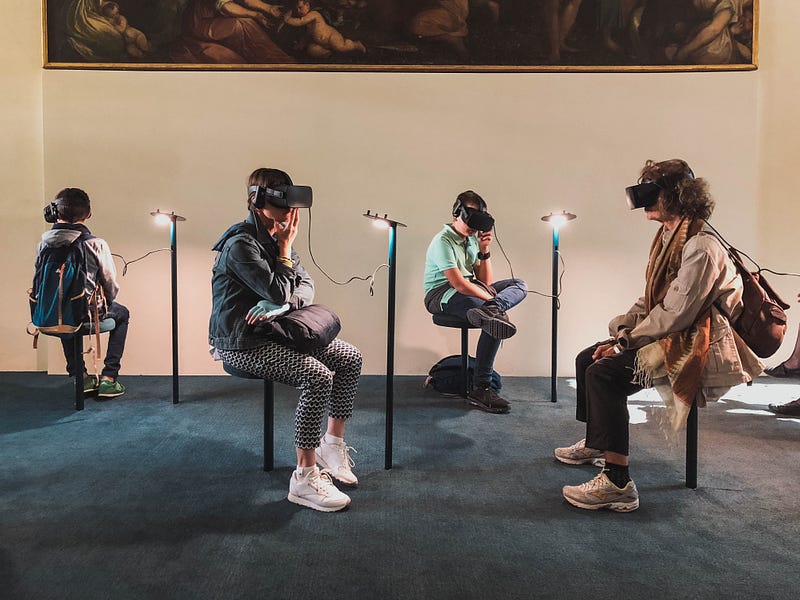
If you think about it, the possibilities are paramount for this technology. This will be integrated and effectively used across consumer, industrial and military domains. But we have to wait and see whether they reach their full potential in the future.
After all, Mixed Reality technology is relatively new and is still in the stage of research and development with a lot of problems still need to be answered. The high cost of mixed reality devices may restrict commercial adoption, thus impacting the market growth. Interaction with three-dimensional space presents another challenge, and lack of standardized input devices and lack of tactile feedback doesn’t help it. We will also have to assess the risks this technology brings before adopting it. Therefore, there is an increased and unpredictable risk in the acceptance of this technology by the end-users.
If you think about it, the possibilities are paramount for this technology. But this doesn’t necessarily mean a smooth transition to the real world applications.
But according to research done by Allied Market Research, the mixed reality market is estimated to be around $5,362.1 Million by the year 2024. This clearly shows that the future of mixed reality is going to be promising if effectively utilized. Many big players in tech including Microsoft, Google, Facebook (Oculus), HTC, and many others have already entered the market with several devices being released every year.
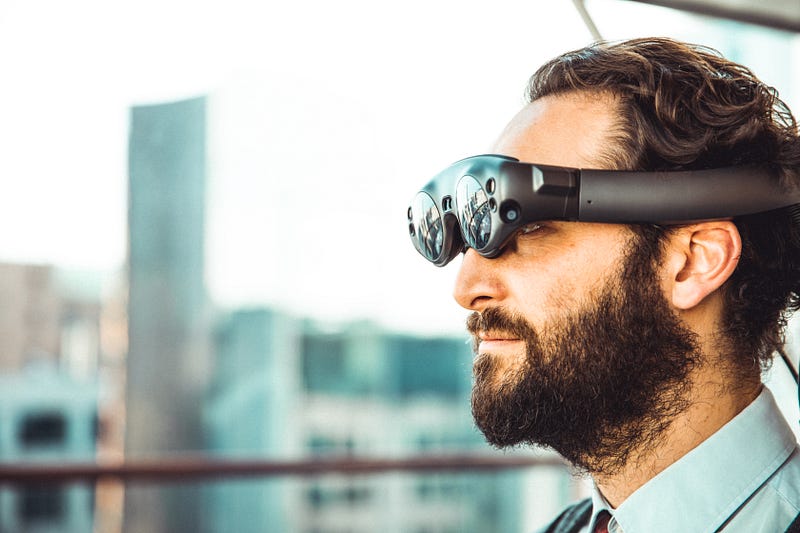
It’s really amazing to be alive at an age like this. We see numerous technologies that were only a part of imagination in sci-fi writers’ minds, coming into life. Who knows? Mixed Reality might even replace our smartphones by the next 20–30 years. It is really hard to even think that something which is not very close to our lives by now might completely replace our beloved assistant.
Mixed Reality is more than just a tool for gaming and cinema, but a way to improve human life in all its facets.
Because of the influence of Hollywood films, what we’ve come to expect can sometimes be a far cry from what is truly possible. But MR is definitely not just a hype. It is exciting, especially as it is more than just a tool for gaming and cinema, but a way to improve human life in all its facets. Even though it might not happen in the blink of an eye, let’s hope that Mixed Reality will soon take over as it’s probably one of the most exciting things to look forward to.


