
Zines Are Back. And Now They’re on Instagram.
Out of quarantine rises a wealth of teen-created art, writing, and activism on online zines and publications.
In a 1990 article in Whole Earth Review, notable zine-creator Mike Gunderloy said of the zine world: “This is where the action is, where information (and disinformation) is free, where things are happening.” He excitedly claimed that the publishers and readers of zines were “at the cutting age of social change” and would help define the future.
Zines, which are independently printed booklets or “mini magazines,” have been an important, and perhaps overlooked, cultural current since the late 1920s — when the first zines were created by science fiction communities so they could talk about things the mainstream wasn’t interested in.
In the 1960s, zines were widely used in political subculture movements, and they became increasingly popular in the 70s and 80s due to both the rise of the punk scene and copy machines. In the 90s, zines played a key role in the Riot grrl punk feminist movements.
While they had previously stayed mostly underground, zines were now exploding in popularity and were finally being recognized by the mainstream.
But in 1996 the web browser was widely adopted, and as people gravitated towards digital communities, zines began to fall out of fashion (although they continued to be popular in some DIY communities, and some even created “webzines”).
But now zines are back — and they’re better than ever. Oh, and now they’re online.
A New Age of Zinemaking
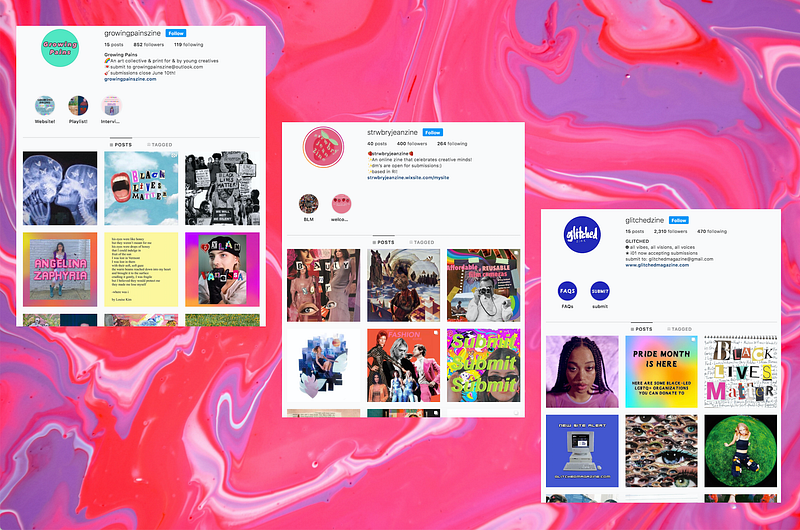
In the past few months, perhaps hundreds of zines have popped up on social media. They’re most often on Instagram, which has historically been used for only the most social of social media — pics of brunches with friends, vacations, parties — but is now increasingly being used for news, activism, and creative and informative purposes.
I think the sudden explosion in the number of zines online can be attributed mostly to the pandemic and social distancing (although the wheels of a social and cultural Gen Z revolution, in my opinion, have been starting to turn for a while). Most of the zines I’ve seen on Instagram were started during the months of March through May (and even now into June), as people have been dealing with boredom and extra free time in quarantine.
Additionally, during this time Instagram has also become more casual and experimental — people have started to use it as an outlet for challenges and games, quarantine diaries, art and hobby accounts, and clothing brands/businesses. It’s the perfect time to get a zine off the ground. The founder of The Atlas, an independent zine founded as a “safe space for creators to share their work and inspire other creators,” shared that while they had had the idea to create a zine for a while, quarantine gave them the time to sit down and actually make it happen.
And now as we move into summer, these zines have really started to flourish. While some have broader themes such as teen culture as a whole, and others focus more on specific topics like mental health or social justice, something all the zines have in common is that they aim to be a safe space for creative exploration and for teens to share their ideas, thoughts, and feelings.
On their Instagrams, the zines post quotes, calls for submissions, videos, passion projects, sneak-peeks of issues, art, playlists, interviews, and more. Subject matter includes environmentalism, self-confidence, social justice, the future, COVID-19 experiences, fashion and style, beauty, media, and more.
Many will also have unique themes for each of their issues — such as Adolescence (Unpublished Magazine), Agony (Heartbroken Zine), Bloom (Oneul Zine), Velvet (Blisters Magazine), Misconceptions (Bedbug Magazine), Clutter (Mirror Maiden Zine), and Fate (Paradox Zine).
Zines also utilize a bunch of different mediums and platforms for putting out content.
Almost all have an Instagram where they post updates and shorter posts. Most also have some form of a website, where full issues, blog posts, videos, expanded pieces, etc. are posted. But many are also active on other platforms — for example, on Spotify, where they will create collaborative playlists that match their content or the theme of a specific issue.
For example, here is a playlist by field notes zine.
Many zines also have Pinterest, YouTube, Twitter, and TikTok accounts, where they will post their inspiration and behind-the-scenes content.
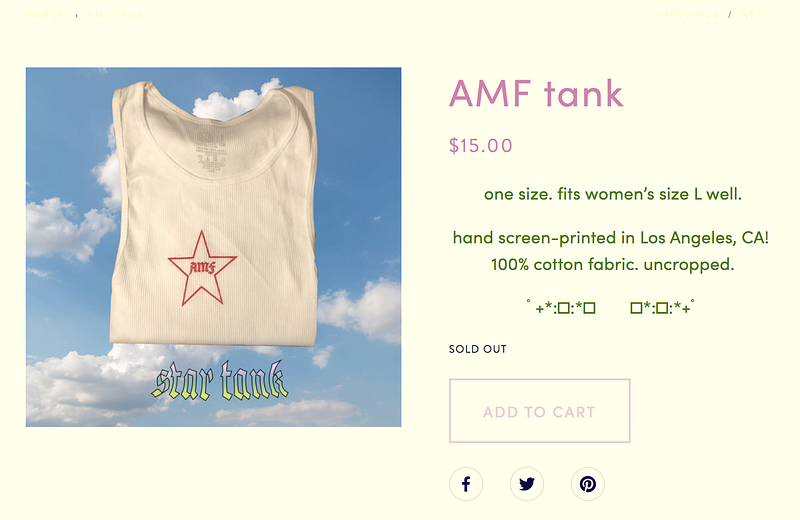
I’ve seen zines with their own iPhone backgrounds, Instagram story filters, and even merch.
But if you’re more of an analog person, don’t worry. Many zines also make print versions of their issues.
The unique ways through which these zines produce content and interact with their audiences on the internet, I think, goes beyond that of traditional paper magazines or even website-based ones like Seventeen or Teen Vogue. These zines aren’t just publications — they’re communities.
Zines and Social Change
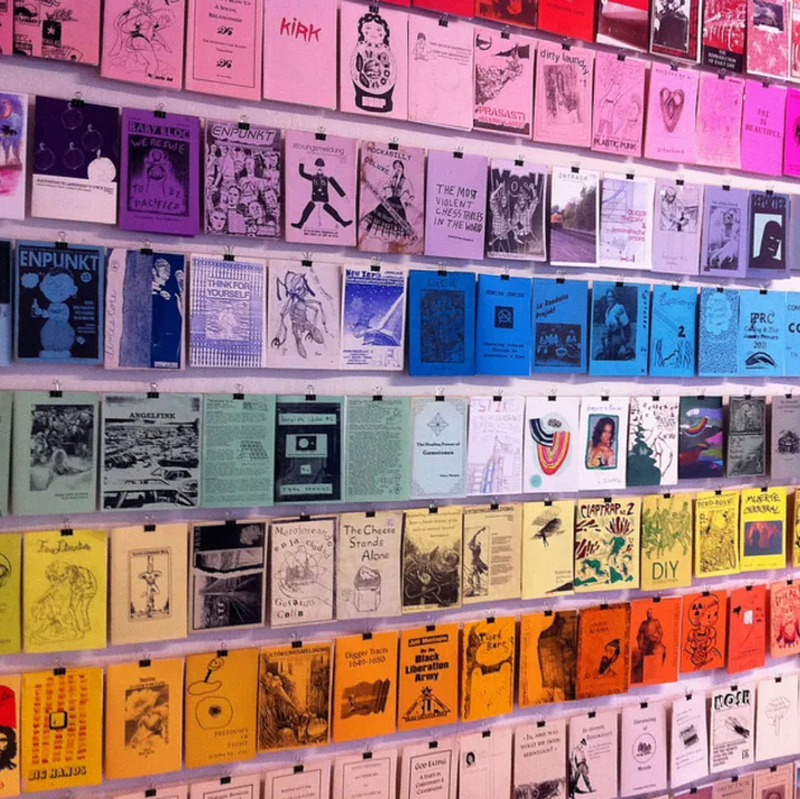
Media that is independently created and published is often seen as “lesser than” that which is associated with big magazines, film studios, or companies. I think that is 100% the wrong assumption to make here. In fact, it is because these zines are not part of traditional media that in part makes them so outstanding.
While I think Gen Z is talked about a lot in traditional media (news, magazines, TV, etc), I haven’t yet seen that much work in these outlets that is actually by Gen Z-ers, especially those who are younger. While some of this is due to the nature of the industry (it can be very difficult to break into media, and teens don’t really have the experience that older folks do), it also means that a lot of the valuable perspectives that Gen Z has don’t get the chance to be published.
But with zines, it’s much lower stakes — you don’t need to have previous experience, zine editors are friendly and willing to help you out, and it’s easy to find and understand submission guidelines. Thus, zines are much more accessible to people, especially those who may face systemic barriers to traditional writing/art/journalism opportunities, like BIPOC (Black, Indigenous, and People of Color), those with limited financial means, women, and LGBTQ+ individuals.
In fact, there are a lot of zines dedicated to elevating the voices and experiences of marginalized people. For example, the Visibility Collective focuses on amplifying voices in the LGBTQ community and talking about LGBTQ-specific issues. Surj Magazine “highlight[s] those who have fought against societal norms & created their own wave” — both historical figures and current young people. They recently published a piece by Mikhalia Archer, who “talks about her experience growing up as a black girl in a majority-white neighborhood and the life-long pain that follows coming to terms with what it means to be black in america.”
This is in contrast to traditional media publications, which have a history of underrepresenting marginalized and minority communities. For example, Condé Nast has recently come under fire for its culture of exclusivity and the treatment of its staff of color, such as at Bon Appétit. Anna Wintour recently sent a letter to Vogue staff in which she stated “…I know Vogue has not found enough ways to elevate and give space to Black editors, writers, photographers, designers, and other creators. We have made mistakes, too, publishing images or stories that have been hurtful or intolerant.”
This lack of representation of black girls and girls of color in traditional media was one of the reasons that Gen-Blk Zine, “a 2000s themed lifestyle and fashion zine for black girls,” was created. Imara M., who co-created this zine along with her friends Selam G., Jaryn B., and Lauryn M., states, “we mainly focus on black girls and people of color since we don’t get much representation in the media and popular magazines. We want readers to have a place to express their style, individuality, and thoughts while gaining inspiration from others who look like them.” They are currently working on their first volume, for which the theme is local black excellence.
Zines can also be a powerful way to drive social change — many (if not most) of them regularly post about human rights and social justice issues, such as LGBTQ rights, police brutality, systemic racism and oppression, and sexism and gender roles.
Most recently, many have used their platforms to amplify black voices and share resources for antiracism and the Black Lives Matter movement. Imara shares, “Social media is the perfect place to raise awareness and create an impact. I feel like Generation Z will cause a social change due to the fact that we are receiving new information 24/7 through different media apps…Anyone can create social change by using [their] platform and posting on [their] story about petitions, donations, and saying the names of the innocent black people who are getting killed.”
Generation Zine: The Future of Media
As I’ve been reading through and interacting with online zines the past few days, I really cannot understate how thoughtful, creative, funny, and sharp they are. They break through boundaries of traditional media and have established a creative ecosystem that is collaborative, not competitive. As Imara states, “The zine community has been such a welcoming place, they gave us advice when we first started out and everyone’s been really helpful.” It fosters the best of Gen Z, which I think is our ability to collaborate together and use our creativity and unique perspectives to make change. field notes zine describes themselves as a “gen z clubhouse.”
Online zines have a plethora of incredibly unique content that I truly don’t think exists anywhere else — content that blurs the lines between traditional writing, music, art, and design. The founder of The Atlas states about their experience in the zine community, “I’m only used to seeing mainstream art and the type of art that I like to do, so it’s really exciting to be introduced to so many other styles.”
These online zines show that Gen Z is coming into its own as a generation — and exhibiting an astounding level of creativity, resolve, and passion. You can say we spend too much time on the internet, sure — but this is what we’re doing on it.
I write about culture, Gen Z, technology, and education. Read more of my work on my website or follow me on Twitter.