
Zero Waste, Is It Truly Possible? How To Make An Impact With Mindful Habits
In a world where single-use plastics and disposable products dominate our daily lives, the concept of achieving zero waste might seem daunting. However, it’s important to understand that zero waste isn’t necessarily about reaching a perfect 100% waste-free existence.
Instead, it’s a philosophy and movement that encourages us to make conscious choices that minimize the amount of waste we generate and send to landfills. In this post, we’ll explore what zero waste truly means and how it intersects with the broader concept of a circular economy.
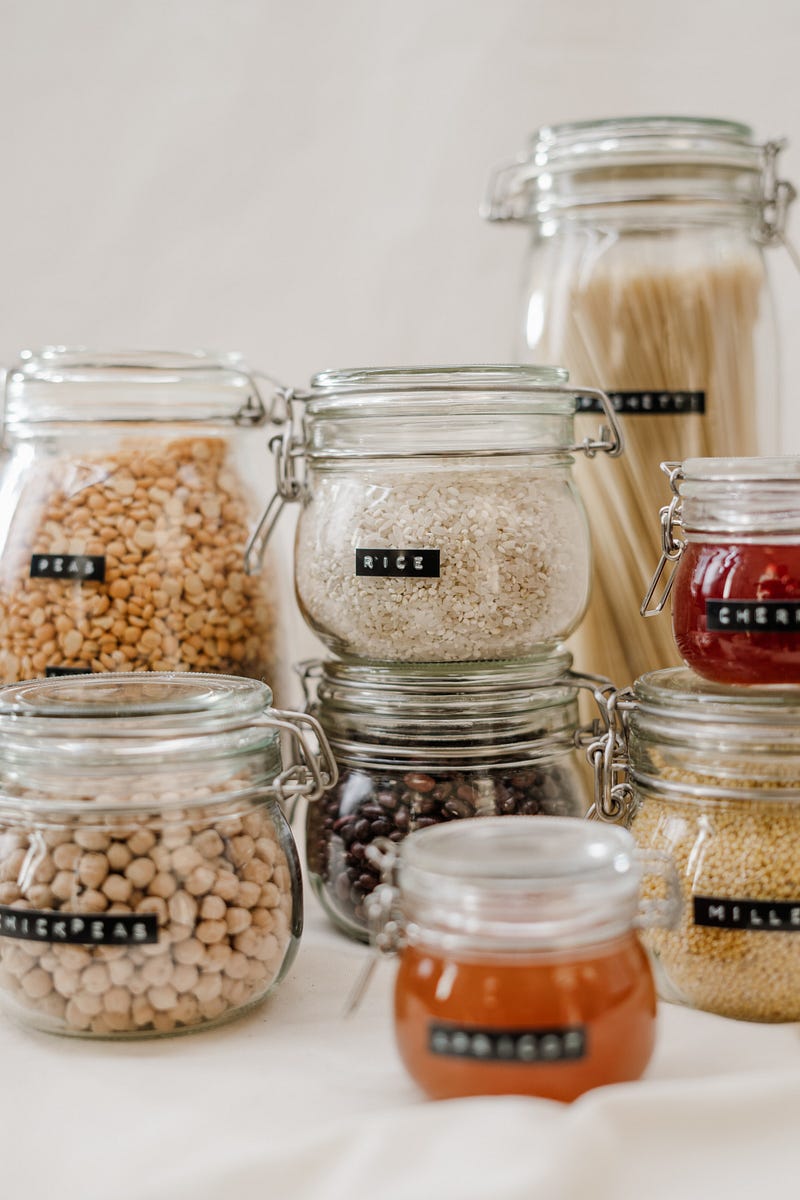
What is Zero Waste?
Zero waste is a lifestyle that focuses on reducing waste at its source. It’s built around the five “R’s”: Refuse, Reduce, Reuse, Recycle, and Rot. Here’s a breakdown of these principles:
- Refuse and Reduce: These principles emphasize saying no to items we don’t need and reducing our consumption of disposable products. It’s as simple as declining plastic straws, bags, or free promotional items that often end up as waste.
- Reuse: Replacing single-use items with reusable alternatives is a key strategy. Invest in reusable stainless steel water bottles, cloth napkins, and reusable food containers — not only do these swaps reduce waste, but they also save money in the long run.
- Recycle and Rot: Recycling diverts materials from landfills, and composting organic waste like food scraps and garden clippings turns them into valuable soil amendments.
What is a Circular Economy?
The circular economy aligns closely with the zero waste concept. It challenges the linear “take, make, dispose” model of production and consumption and encourages the following:
- Rethinking Waste: Waste is seen as a potential resource to be reused, refurbished, or recycled.
- Designing Closed-Loop Systems: Products and materials are designed for easy disassembly and reuse, reducing waste generation.
- Sustainable Materials: Sustainable and biodegradable materials are prioritized to minimize environmental impact.
- Local Sourcing: Local production reduces carbon emissions from transportation and supports local economies.
- Economic Benefits: The circular economy can stimulate economic growth by creating new industries and jobs focused on sustainability.
- Resource Efficiency: Maximizing resource use reduces the need for raw material extraction.
- Extended Producer Responsibility: Companies take responsibility for the entire lifecycle of their products, encouraging sustainability.
If you want to support my work or access any extras, you can do so here: https://www.buymeacoffee.com/adgiga Thank you, I really appreciate you.
Zero Waste Lifestyle vs. Zero Waste Concept
It’s essential to distinguish between the zero waste lifestyle, popularized by individuals like Bea Johnson and Lauren Singer, and the broader zero waste concept promoted by organizations like the Zero Waste International Alliance.
Zero Waste Lifestyle: This empowers individuals with practical tips to reduce waste in their daily lives. It emphasizes the 5Rs and encourages sustainable choices. This approach provides practical tips and guidance for individuals looking to reduce waste in their daily lives.
Zero Waste Concept: It goes beyond personal actions, aiming for systemic changes. This concept reimagines waste as a resource, champions closed-loop systems, and promotes sustainable materials and practices.
Is Zero Waste Truly Possible?
While a 100% zero waste lifestyle may be challenging, the goal is constant progress, not perfection. Change is made through sustainable habits, not ones that are hard to maintain or lead to burn out.
Consider your daily glass of orange juice. In a zero waste design, orange peels could be repurposed to make a natural cleaner, or dried out and used as fire starters, and containers could be replaced with reusable glass or aluminum bottles. This approach not only minimizes waste but also creates opportunities for innovation and resource efficiency.
In early 2019, the European Union voted to ban single-use plastic straws, balloons, cotton buds, and cutlery. Australia has followed suit with commitments from seven out of eight states and territories. These measures are vital but just part of the solution.
Individuals, communities, and businesses must join forces to galvanize further change. Politicians need to realize the urgency and read the room, but the responsibility doesn’t rest solely on their shoulders.
Embracing a zero(ish) waste lifestyle can have a profound snowball effect. You don’t have to go from zero to a hundred overnight. Start small, like replacing your daily takeaway coffee cup with a reusable KeepCup. Over time, expand your efforts to reduce single-use plastics in various areas of your life.
Remember, every action counts. Preventing 365 coffee cups from ending up in landfills each year is a significant achievement. It’s about taking those initial baby steps toward a more sustainable lifestyle.
Getting Started on Your Zero Waste Adventure
If you’re eager to embark on your zero waste adventure, Pip Magazine has an excellent series on how to get started, which I will link here (https://pipmagazine.com.au/thrive/zero-waste-living-2/) and at the end of this post. Their comprehensive guide can provide you with valuable insights and practical tips to kickstart your journey towards a more sustainable and waste-conscious lifestyle.
So, let’s start this journey together, one small change at a time. By adopting mindful habits, advocating for change, and supporting the circular economy, we can collectively create a cleaner, greener future for our planet. While achieving absolute zero waste may be challenging, striving for progress in waste reduction benefits both the environment and the economy.
Together, we can make conscious choices that reduce waste, minimize environmental impact, and pave the way for a brighter, more sustainable future.
If you have any questions or want to share your insights, feel free to leave a comment. I would love to hear from you.
Become a member of Medium.com and you’ll get full access to every post that I write, your reads directly supports myself and thousands of other writers.
Connect with me:
Take a photo or screen shot and use the hashtag #ADGIGABLOG and tag me on Insta, let’s connect!
https://www.instagram.com/adelaide_girls_garden/
If you enjoyed this post, you’ll love my other posts. Subscribe and follow to have updates delivered to your inbox. I would love to have you here.
As always,
Keep nurturing your plants and watch them grow. Until next time,
With a little bit of soil, a lot of love, and two green thumbs.

Sources:
Pip magazine guide:


