
You’re Not the Player You Think You Are
When it comes to games apps, they’re playing you

There’s no crime in killing a little time playing games on your phone. The apps are generally free if you’re willing to expose yourself to a few ads. They can be addicting though, and there’s an excellent reason for that: the game companies design them to be, and in more ways than may you realize
Playing the field
I haven’t played very many games on my phone. I used to like Angry Birds. I played Candy Crush for a while. Relatively harmless time-suckers like that eventually lost their appeal.
Like me, you may have gotten sucked into the “games of chance” stuff where you can win money and gift cards. I wasted an obscene amount of time playing Lucky Money before I realized I’d make more searching city streets for dropped pennies.
Just a friendly game
One game I’ve stuck with is Words with Friends, now Words with Friends 2. I limit my opponents to people I know in real life. (I stopped playing with strangers when I realized that the app’s reputation as “Tinder for seniors” is well-earned.)
When my friends and I lived in the same town, we got together for a game of Scrabble, Boggle, or Risk, around somebody’s kitchen table. Those were great times. We’re scattered across the country now, so game nights aren’t an option.
Playing a quick WWF game against an old pal for a few days doesn’t begin to compare with real-life gameplay, but it reminds me of better days, and it’s an easy way to keep in touch. It’s also a huge ego boost when I beat my high school’s valedictorian. Ah, but do I beat him?
Go Fishy
The first time I beat Paul, the valedictorian, I was ecstatic. This guy has to have a solid 10 to 15 IQ points on me. I must be smarter than I thought I was! Of course, there is luck involved. He may have pulled a lousy selection of letter tiles. I didn’t expect ever to beat him again. When it happened a few more times, I got suspicious.
When I told my husband that I thought the game might be rigged, he looked at me with the rare mixture of pity and scorn only a person with a lifetime of IT knowledge under his belt can summon. “Ya think? Duh.”
The aim is player addiction
The goal of the gaming app designer is to keep you playing the game for as long and as often as possible. In other words, the success of any game app lies in the number of players who become addicted to it.
“…behavioral psychologists and programming experts are actually using our vulnerabilities — neurochemically speaking — to ensure we don’t turn these games off.” — Dr. Lisa Strohman, Digital Citizens Academy
The apps are free because once you are addicted to them, you will keep playing even though they feed you the same annoying ads over and over. A lot of these games depend on advertising revenue to operate.
But even the games that provide fee-based, ad-free options are still intent on hooking you. The fee you pay is nothing compared to the money they can make from selling you extra game time.
Dr. Lisa Strohman, founder of Digital Citizen Academy, addresses this issue on her blog, where she states, “…behavioral psychologists and programming experts are actually using our vulnerabilities — neurochemically speaking — to ensure we don’t turn these games off.”
Why do you think they call it dopamine?
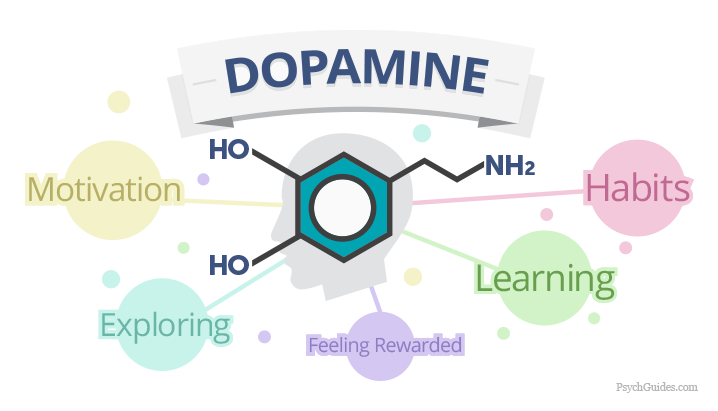
“Dopamine causes you to want, desire, seek out, and search. It increases your general level of arousal and your goal-directed behavior. Dopamine makes you curious about ideas and fuels your searching for information. Dopamine creates reward-seeking loops in the sense that people will repeat pleasurable behavior, from checking Instagram to taking drugs.” — Psychology Today
There are four levels to the science behind creating addictive games:
- Make the game fun and engaging. Bright colors, appealing sounds, and original graphics add to the experience. Leveling up is easy at first. Mastering a level triggers a dopamine release.
- Introduce a higher level of difficulty. If you win all the time, the game gets boring. Wait times enhance the urge to continue.
- Offer a shortcut to progression. Introduce pay to play options.
- Keep players engaged. Game offers rewards such as badges or tokens and sends notifications.
Why you’re not as good as you think you are
It’s simple. The app lets you win. Not all the time, of course, but just enough to make sure you keep playing. You’re playing with a stacked deck.
If I lost every time I played Words with Friends 2 against Paul, I’d eventually stop because I wouldn’t get that rush of dopamine. My stopping is not in the app’s best interests because Paul is on my friends’ list, he plays a lot, my friends’ list is short, and I don’t play against strangers. If I stop playing against Paul, I might stop playing altogether.
Therefore, the app must allow me to win more than I would if the two of us were playing a non-rigged board game like Scrabble. That’s the sad truth about Words with Friends 2 and most of the other game apps out there. They will do whatever it takes to keep you playing, even if it means letting you win.
Despite all that, I’ll probably keep playing, because it still keeps me connected to old friends, and coming up with words is probably good for my brain. Besides, winning isn’t everything.
©2020, Denise Shelton. All rights reserved.
If you liked this, please visit my website. You can sign up for my monthly newsletter here. Thanks for reading!


