
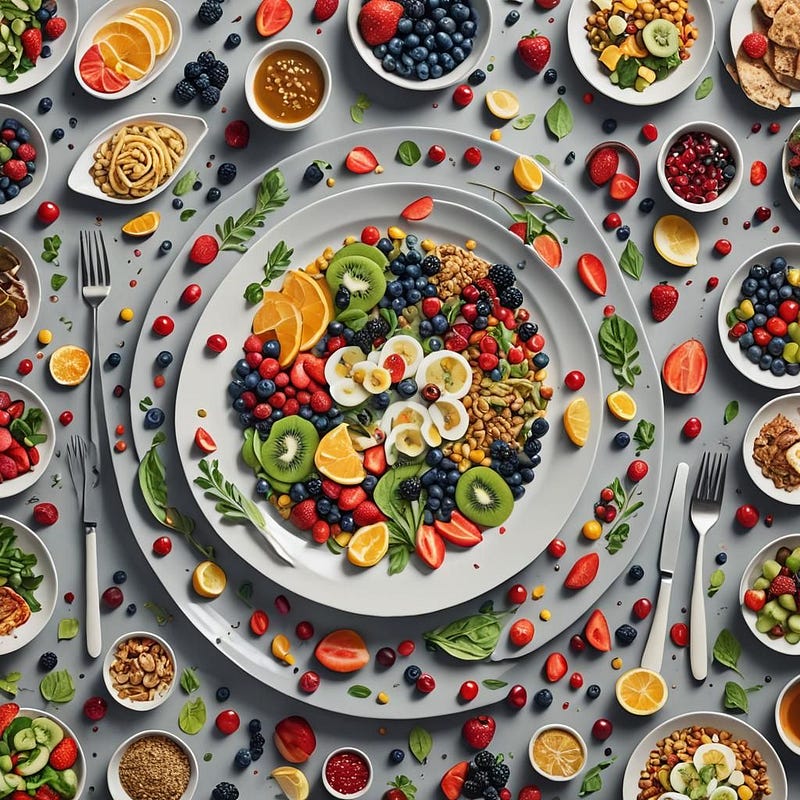
Your Plate, Your Mood: How Diet Affects Mental Health
What you eat can have a major impact on your mood and mental well-being.
Have you found yourself in a foul mood after a heavy meal or a sugar high that quickly turned into a cranky low?
It’s no secret that what we eat affects our physical health, but did you know that it can also have a significant impact on our mental well-being?
Explore the fascinating connection between diet and mental health, and discover how the food you eat can influence your mood and overall mental state.
The Science Behind Diet and Mental Health
Our brain is a complex and magnificent organ that requires a constant supply of nutrients to function properly.
The foods we eat provide these essential nutrients, which in turn affect our brain chemistry and play a crucial role in maintaining our mental health.
Research has shown that certain nutrients, such as omega-3 fatty acids, B vitamins, and tryptophan, can have a positive impact on our mood and mental well-being.
Omega-3 fatty acids, found in fish like salmon and mackerel, have been linked to reduced symptoms of depression and anxiety.
B vitamins, abundant in leafy greens and legumes, are essential for the production of neurotransmitters like serotonin, which plays a key role in regulating mood.
Tryptophan, found in foods like turkey, eggs, and pumpkin seeds, is converted into serotonin in the body, further contributing to our mood stability.
The Role of Blood Sugar Levels
Fluctuations in blood sugar levels can have a significant impact on our mood and mental health.
When we consume foods high in sugar or refined carbohydrates, our blood sugar levels spike, providing a temporary boost of energy.
This is often followed by a rapid drop in blood sugar, leading to feelings of irritability, fatigue, and mood swings.
To maintain stable blood sugar levels and promote better mental health, it’s essential to focus on consuming whole, unprocessed foods like fruits, vegetables, whole grains, and lean proteins.
These foods provide a steady supply of nutrients and help keep our blood sugar levels in check, resulting in a more stable mood and improved mental well-being.
Gut Health and Mental Health
Our gut is home to a complex ecosystem of bacteria, collectively known as the microbiome.
These bacteria play a crucial role in digestion and nutrient absorption, but they also have a significant impact on our mental health.
Research has shown that an imbalance in gut bacteria, known as dysbiosis, can contribute to anxiety, depression, and other mental health disorders.
To promote a healthy microbiome and support better mental health, it’s essential to consume a diverse range of prebiotic and probiotic foods, such as fermented foods, yogurt, and fiber-rich fruits and vegetables.
The Importance of Hydration
Drinking enough water is essential for maintaining our physical health, but it also plays a crucial role in supporting our mental well-being.
Dehydration can lead to fatigue, irritability, and difficulty concentrating, all of which can negatively impact our mood and mental health.
To ensure optimal hydration and support better mental health, it’s essential to drink enough water throughout the day. Aim for at least 8 cups (64 ounces) of water per day, and consider incorporating hydrating foods like fruits and vegetables into your diet as well.
The connection between diet and mental health is a complex and fascinating topic that deserves more attention.
By making conscious choices about the foods we eat and focusing on a balanced, nutrient-dense diet, we can support our mental well-being and improve our overall quality of life.
The next time you reach for a snack, consider that what you eat can have a significant impact on your mood and mental health.