avatarLunarLinguist

Summary

The article discusses how smartphones have become repositories of personal information, detailing both the potential benefits and risks of this data collection.

Abstract

Smartphones have evolved into digital confidants, accumulating vast amounts of personal data through user interactions, location tracking, and online activities. This information paints a detailed portrait of an individual's habits, preferences, and emotional states. While such data can be leveraged to provide personalized experiences, such as tailored healthcare recommendations and proactive mental health support, it also raises concerns about privacy and the potential for manipulation through targeted advertising and algorithmic echo chambers. The article emphasizes the importance of understanding one's digital footprint and making informed decisions about data sharing to harness the positive aspects of personalization while mitigating its risks.

Opinions

  • The author suggests that smartphones know users more intimately than their closest friends, due to the extensive data they collect.
  • There is a recognition that the detailed information stored by phones can lead to highly personalized and beneficial services, such as predictive healthcare.
  • The article presents a dichotomy, questioning whether the phone's ability to understand users is a "superpower" that is cool or a creepy invasion of privacy.
  • It highlights the negative consequences of data misuse, including targeted ads that exploit personal insecurities and newsfeeds that reinforce biases.
  • The author advocates for users to take an active role in understanding how their data is used and to make conscious choices about their digital privacy.
  • The future of hyper-personalization is seen as a double-edged sword, with the potential to be either highly beneficial or detrimental, depending on user awareness and the ethical use of data.

Your Phone Knows You Way Better Than Your Best Friend
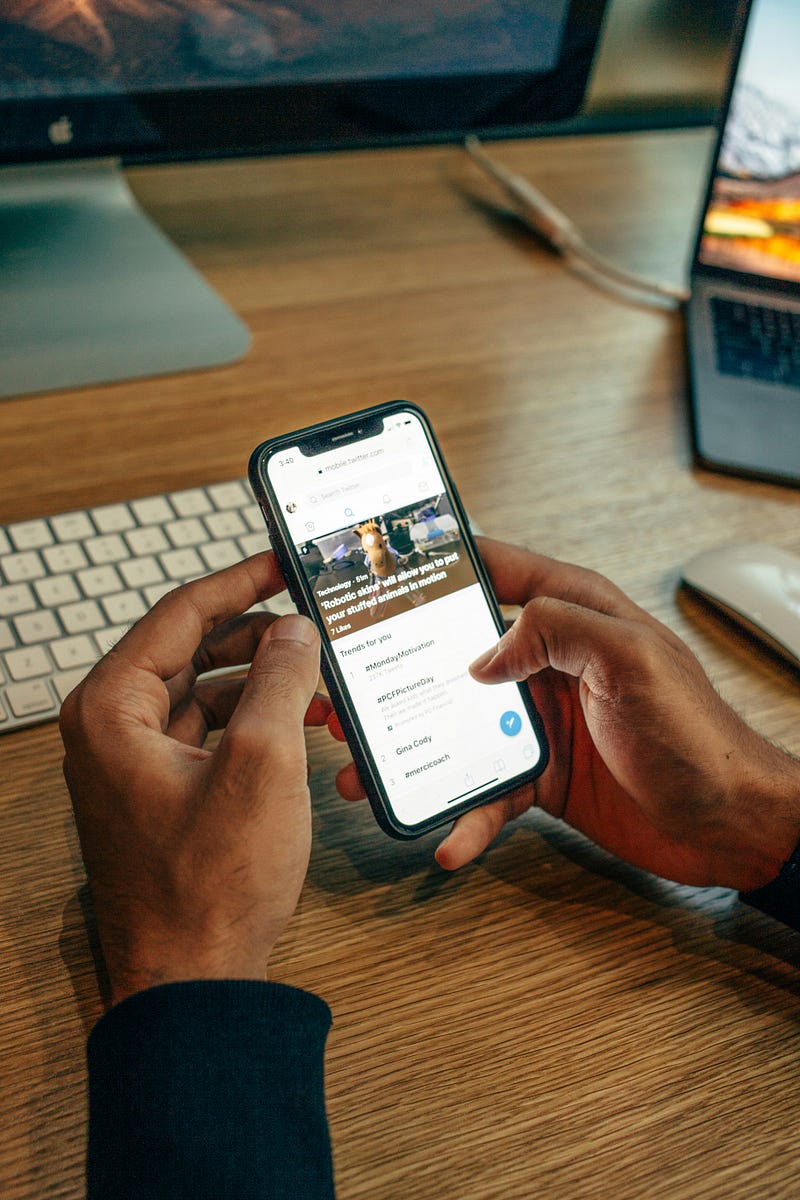
Photo by charlesdeluvio on Unsplash

Forget endless therapy sessions, your phone already holds the secrets to your deepest desires, habits, and vulnerabilities. It’s like your digital best friend, but without the judgment (and with a side of targeted ads).
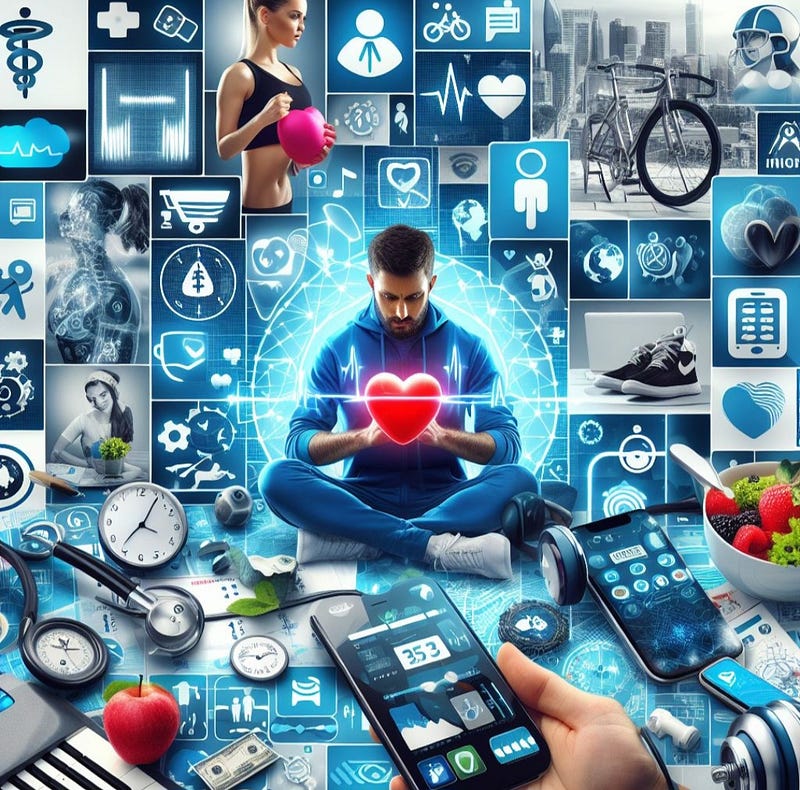
Created with Bing AI

Think about it. Every tap, swipe, and late-night pizza order paints a detailed picture of you, more revealing than a Van Gogh masterpiece. Your phone knows when you send a happy text, or a sad one. It remembers your midnight snack cravings (don’t lie, we’ve all been there). It knows everything you’ve searched for, watched on YouTube and read on here! That’s just the start of it. It has pics of all the good and bad places you’ve been and much more.
Created With Bing AI

Now, the question is: Is this superpower creepy or cool? Can we embrace the personalized recommendations and automated reminders, or should we be running for the hills, without our phones?
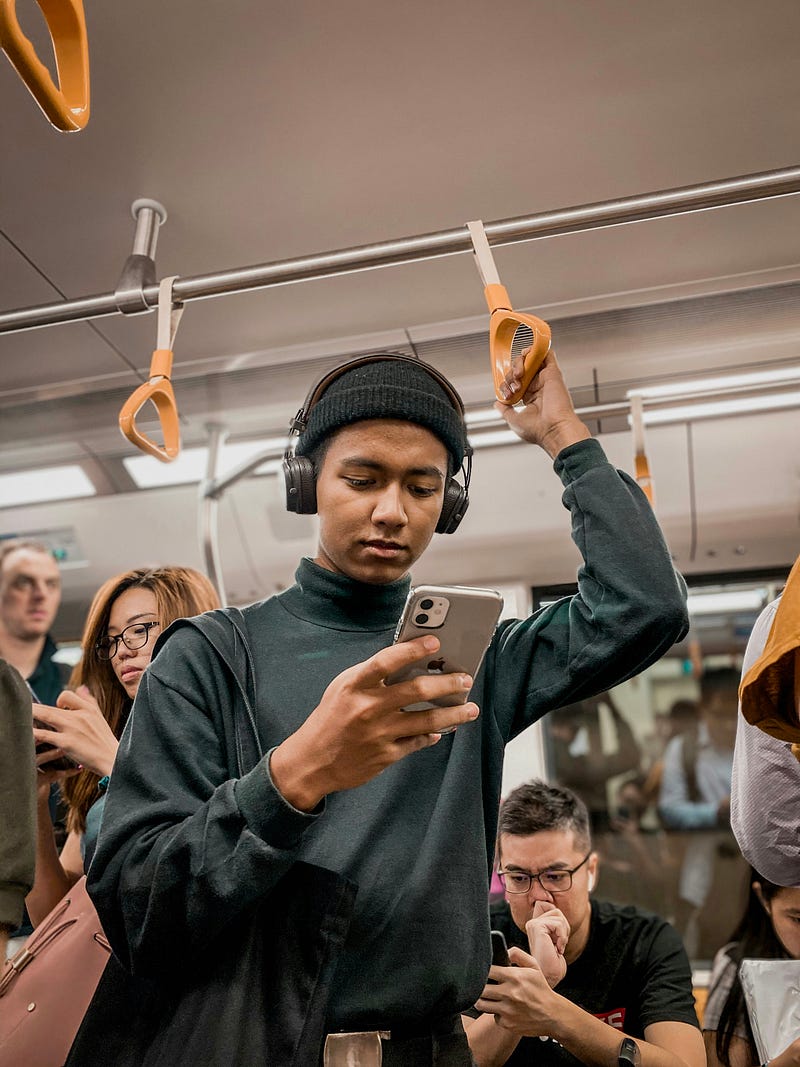
Photo by Rasheed Kemy on Unsplash

Turns out, your phone's data can be good and bad. It can tailor healthcare apps to your unique needs and even predict emergencies before they happen. Imagine it nudging you to call a friend when you're feeling down, or suggesting a therapist specializing in your pre-sleep anxieties.

But on the flip side, it can also be used against you. Targeted ads exploit your insecurities, newsfeeds fuel your outrage, and algorithms trap you in echo chambers of misinformation. Suddenly, that extra-large pizza craving becomes a symptom of unhealthy algorithms preying on your emotional state.

What’s the takeaway? Time to become the data detective of your own life! Learn how your phone tracks you, understand those algorithms shaping your online journey, and choose who gets to unlock the vault of your digital self. Remember, with great personalization comes great responsibility.

Photo by Ghen Mar Cuaño on Unsplash

The future is hyper-personal, but we get to decide if it’s a utopian haven or a dystopian nightmare. What do you think? Is our phone a personal assistant or a potential puppet master?

LunarLinguist

Mindfulness
Technology
Mental Health
AI
Life Lessons
Recommended from ReadMedium