
Your Phone is Distracting You More Than You Might Think. Here’s How.
The harmful effects of overusing your phone and how you can stop it.

I had to check an important message from a client on my phone this morning.
I opened my phone, and my subconscious quickly opened Instagram instead of the message. I found some exciting reels, so I kept scrolling. Then, I was watching people’s stories.
A new email popped up. I read the mail and then opened Facebook.
“Five new notifications? They must be from the article I shared with the group the other day.”
I was in a seemingly unending loop of switching between apps. I had forgotten why I picked up my phone in the first place — to check my client’s message.
It came to my attention after 20 minutes of mindless scrolling and app-switching.
WTF?
I was shocked.
The sad part is that it isn’t the first time something like this has happened. Often, I would be using random apps on my phone and then realize, “Why did I pick up the phone initially?”
I have way more important things to do than scrolling through my phone. Yet, I spend almost two hours daily on the device, 90 percent of which is unnecessary.
Our phones are controlling us more than we think.
The device keeps you feeding dopamine hits. The social apps have been so cleverly designed that they want us not to leave them.
The algorithms feed us what we want. They know our likes and dislikes. They know who are our closest friends. They know what we like to see and what we don’t.
Children are becoming addicted to the device. Some spend six to eight hours on the device — playing games and watching addictive videos.
Our attention span has decreased. We need access to everything fast. We prefer shorts rather than long-form videos. I even watch short videos at 2x speed to consume the content quickly and move on to the next one.
We know that the high screen time is not good for our health. It can cause sleep issues, physical pains, obesity, low productivity, and mental illnesses. Yet, we are unaware of them when glued to our devices.
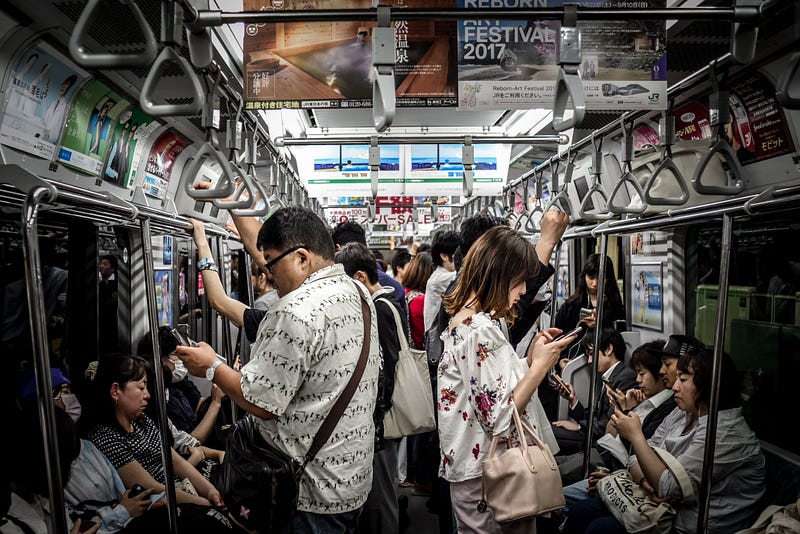
What’s the solution to all this?
One needs to be self-aware. We need to realize that we control the device. It’s not the other way around.
However, it is easier said than done.
You can do many things to reduce screen time. For instance, you can delete social media apps on your phone and only use them on your laptop or PC. You can use time limits on apps. You can filter out unwanted content.
The most challenging part of doing all this is consistency. You might start with a solution, but it won’t last very long. It was the same problem with me.
I try to make it as difficult as possible to find the addictive apps on my phone. I never keep it on the home screen. Instead, I only access it by going to the apps list. The extra step adds more awareness of what I’m about to do.
My method might not work for you.
The truth is that you need to find your own way out of this. Only you can control your habits and actions.
Unless you are self-aware about your phone addiction and how it is slowly ruining your productivity and health, nobody can come and save you.
Even if I share fifty different ways to stop being addicted to your phone, it won’t help you unless you decide it’s time for a positive change.
Try different strategies to lower your phone usage and stick to the one that works best for you.
It’s urgent for you to understand the adverse effects of using your phone too much.
Take action now before it’s too late.


