
Your Introductory Guide to NFTs
A quick look to the latest internet phenomenon that is non-fungible tokens
Non-fungible tokens. This is the latest internet phenomenon that has become impossible to ignore for us curious types. I think for most people, the threshold was when the digital artist Beeple sold his artwork for $69m at a highly prestigious auction house in London. You might also have seen Jack Dorsey selling his first-ever tweet — the tweet attracted a highest bid of $2.5m. In this article, I want to breakdown what exactly NFTs are, how they work, and what people are actually buying. This is a fairly top-level view of NFTs in general. I will not be going into detail about the technology that enables them because other people are far more qualified to do that than I am. I also have some opinions on this whole phenomenon which I will talk about too. Let’s get started with what exactly non-fungible tokens are.
What is a non-fungible token?
Before I go into NFTs, I think it’s useful to have a brief understanding of fungibility. This is not a new term at all — economists will be very familiar with it. A fungible item can be readily exchanged for another with the same value. An example of this is currency. A $10 bill can be exchanged for another $10 bill, or two $5 bills — no one would question that. Conversely, non-fungible items are unique and cannot be exchanged — artwork is a good example. A perfect replica of The Starry Night by Vincent Van Gogh is not going to be worth the same as the original painting — the original is non-fungible.
Back to NFTs, the non-fungible bit of the name relates to the fact that a unique identifier is assigned to any digital asset like artwork, audio or video. Now, digital assets can be endlessly copied and distributed — so a unique identifier, or token, is assigned using the Ethereum blockchain technology. As promised, I will not go into the technical details of how blockchain works, but it is the same technology that makes cryptocurrencies like BitCoin and Ethereum work. The token generated by the blockchain contains information about the “owner” of the purchased digital asset as well as other important metadata. Note, the actual digital asset isn’t traded, the token attached to the asset is traded.
Does the buyer own the digital item?
After a piece of art, or tweet, is sold via NFT, it can still be digitally copied by anyone. With purchasing a physical piece of art, you own it and control how its viewed and by whom. Not so with NFT artwork. The artist Grimes sold 10 images via NFT and there is nothing stopping anyone from downloading that artwork from her Twitter profile. The difference is the owner of the NFT can prove they own the original version of that digital assets.
What can you do with NFTs?
I’ve mostly mentioned NFTs in the context of digital art and other assets. That is one of the attractions for NFTs. They are collectables. For another example, the NBA is behind an NFT supported, quasi-trading card scheme for video clips of memorable shots from NBA games. Its called NBA Top Shot and NFTs attached to clips can be bought and traded much like trading cards. Some of the clips go for thousands of dollars — and the buyer is certified as the owner of the original clip. Again, anyone can view the actual clip if they wish, whether or not they own it. The value for those who pay for these clips is in knowing they own this clip depicting a moment in NBA history, and the clip could increase in value and resell for a profit.
There are also potential practical uses for NFTs. For example, event ticket scalping or selling fraudulent tickets can be essentially eliminated by using NFTs. An event organiser would sell tickets via NFTs. Because the tokens keep track of ownership all the way to the original issuer, it would be fairly easy for a buyer to confirm the tickets are genuine. Another interesting feature of NFTs relates back to artwork — some platforms that trade NFTs can have the original artists be paid a percentage of the resale value. As the asset increases in value, the artist gets to see the financial rewards of their work.
Conclusions
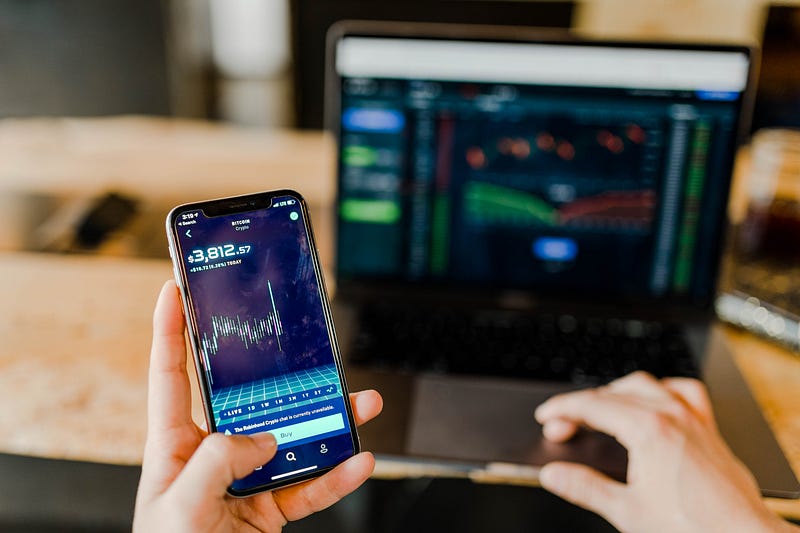
NFTs aren’t actually a new thing but the recent rise in popularity has made people take notice and want to understand how them more. In a nutshell, an NFT certifies that the buyer is the owner of the original digital asset. This asset can be anything from artwork, music, even tweets. The asset can be reproduced fairly easily by anyone but the point is the buyer owns the original asset. As with other collectables, there is the hope that the NFT will increase in value and can be sold on for a profit. The move by some platforms that sell NFTs to allow artists to be paid a percentage of resales is great news for artists — if NFTs are here to stay, that is. I am personally more interested in the promise of NFTs to improve the events ticketing experience and other more practical aspects. As for the investment aspect, I am very sceptical that these things are of any actual value. This is because ownership of the item bought is very different with NFTs compared to physical assets. On the other hand, items are only as valuable as someone is willing to pay for them. I am therefore interested to see how the NFT market develops going forward. If you are interested in more information on NFTs, the YouTube creator Marques Brownlee discusses them in his podcast Waveform — with Justin Maller a digital artist.


