
Your First Year of Sobriety: Positive Physical and Mental Health Changes and Challenges
A month-by-month breakdown of what to expect in your first year of sobriety.
Most people who have been through years of alcohol or drug addiction are nervous about their first year of sobriety. But it can be a great time to work on yourself and your health.
Here are some positive physical and mental health changes you may go through in your first year of sobriety.
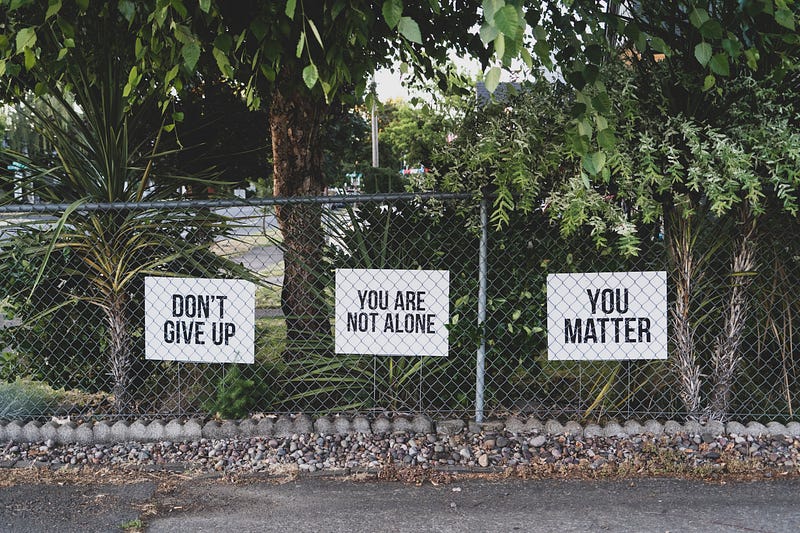
What are some of the physical and mental health changes that you can expect to experience when you stop drinking?
In general, here are some of the physical and mental benefits you can expect during your first year of sobriety.
- You will sleep better. Alcohol interferes with your body’s natural sleep cycle by suppressing the hormones that regulate deep, restorative sleep. Without alcohol, you may find that you can fall asleep and stay asleep much more easily at night and wake up feeling rested in the morning.
- You’ll feel more energetic. Drinking alcohol on a regular basis can lead to fatigue and sluggishness because it dehydrates your body, interfering with the production of adenosine triphosphate (ATP), which is essential for energy production and metabolism.
- Your skin will look better than ever before because alcohol causes dryness and dehydration that result in dullness or sallowness — something we don’t have time for during our first year of sobriety! It also acts like a solvent on healthy skin cells; when those cells die off faster than they can be replaced by new ones, lines appear on our faces making us look older than we really are (which probably isn’t something we want either).
Read about all the benefits you can expect (like reduced rates for cancer and an improved social life, plus all the ones mentioned above) on your first day, week, month, and year of sobriety below.

Alcohol Detox Timeline
Day 1
The first day of sobriety is, in many ways, a microcosm of your entirely new life; it's a chance to start over and improve on the past. The first day you choose not to drink or use drugs is truly an amazing accomplishment. It can be difficult and challenging at times, but it is also rewarding and exciting.
Day one starts with you making a decision to get clean and sober for yourself and for those who love you, which takes courage, strength, and determination. You can start this journey alone or with family or friends by your side. Either way, they will play a big part in keeping you motivated and giving you support when things get hard along the way.
Research shows that people who have experienced depression before quitting alcohol have more difficulty staying sober than people who did not experience depression beforehand. If this applies to you, it’s important that you seek help from a mental health professional before beginning treatment so that they can help find solutions tailored specifically to your needs!
Week 1
If you’re in the first week of sobriety, congratulations! You’ve made it through the initial days and nights of withdrawal, which can be difficult. As you move forward with your new life of sobriety, here are some things to keep in mind:
- The physical symptoms of withdrawal may last longer than you expect. They aren’t always painful or noticeable — they could just be an itch that won’t go away — but they should improve within a month (or sooner if you seek help).
- Depending on your addiction, these symptoms could persist for months or even years after you stop using drugs or alcohol. This can be frustrating and discouraging, but it’s also normal — and there is help available to you if you need it.
- Your mental health may improve gradually over time, but you may experience setbacks as well. This is normal and should not be cause for concern.
The brain is an incredibly complex organ, and it takes time for it to heal after years of drug or alcohol abuse. During this time, your mind will likely still be reeling from the effects of addiction, which can make it hard to function normally.
If you experience a setback, just keep going. Recovery from addiction takes time and effort.
But it will get better. Read on!
Month 1
Month one of sobriety is a crucial time to focus on getting your mental and physical health in order. You may feel like you want to quit, but remember that going back to drinking never works out as well as sticking with it.
It’s important to keep yourself busy so that you don’t have too much time on your hands, or else you might find yourself falling back into old habits again.
A few changes that are common in month one include:
- Increased energy levels and motivation
- Sleep improvements (better sleep quality)
- Food cravings go away or become less frequent (if they do not go away completely)
When you stop drinking, your body is going through a lot of changes. Your organs and cells are repairing themselves, which makes it difficult to feel good all the time. This is especially true in the first few weeks after you quit drinking; you may be tired or depressed as your body works on cleaning itself out. But as time goes on, these symptoms will subside and even reverse themselves!
Month 2
Month two of sobriety is when you start to really notice a difference physically. You will sleep better, have more energy, experience less bloating, and your skin will look better. Your mood may also improve as well as your digestion.
As your body adjusts to being sober, it will take time for any side effects from past substance use to clear up completely.
You are on your way!
Month 3
In your third month of sobriety, you are likely to have more energy than before you quit drinking. You might even feel like you can jump out of bed in the morning, ready to take on the day!
All that extra energy could make it tempting for someone who has just begun their recovery program to begin new healthier habits, such as exercising. But be careful not to do too much or over-exert yourself physically. While exercise is important during sobriety and can help curb cravings for alcohol or drugs, doing too much too soon can lead to injuries that may hinder progress toward recovery goals.
Month 4
By the end of month four of sobriety, your body will have started to readjust to its sober state. You may still have some cravings and withdrawal symptoms, but they should not be as bad as when you first stopped drinking.
At this point in your recovery process, you may feel more motivated and focused than ever before. This is a great time to set goals and intentions for yourself that will help you reach success in sobriety and beyond!
You might also start noticing changes in your mental health as well, both for the better and potentially for the worse. For example, if you used drugs or alcohol to cope with anxiety or depression in the past, now that those substances are out of your system (or at least less present) and you are no longer self-medicating, you might feel those symptoms more acutely, but you may also be more comfortable seeking professional help from a therapist or psychologist if needed.
If you aren’t speaking with a therapist, psychologist, or counselor yet, month four is a great time to start.
Month 5
In the fifth month of sobriety, you may find it easier to sleep, which will help you feel more energized throughout the day. You’ll likely notice that your cravings are decreasing. However, this is not true for everyone who is recovering from addiction—some people still experience intense cravings during their first few months of sobriety.
If you find that your cravings are still strong, don’t be discouraged. It takes time for the brain to heal from addiction and form new neural pathways.
It’s also important to remember that your mind, body, and spirit are all connected—so if you’re feeling stressed out about something or someone, it can easily affect your physical health. You may want to try some of these tips for managing stress in this article or consider seeing a therapist who specializes in treating individuals with addiction.
Month 6
This is the sixth month of your sobriety, and you should no longer be physically or medically dependent on alcohol or drugs, which should be a huge relief.
Another big change? Your body and mind are ridding themselves of toxins that have been stored in them over the years due to drug and/or alcohol use, and those are some nasty toxins! You’re likely also experiencing some pretty intense emotions as these toxic substances leave your system; this will continue for some time but eventually subside as you continue healing.
You might feel isolated at times during this phase because so much has changed, but don’t worry about feeling alone! There are other people out there like yourself who have gone through similar experiences with addiction recovery. You can reach out to these individuals if need be; they’ll be happy that someone else understands what they’ve been through!
Month 7
In month seven of sobriety, you may begin to feel a sense of accomplishment and pride, and for good reason. You’ve reached a milestone: lucky number 7. But it’s important not to let this feeling go to your head; it doesn’t mean that you can start drinking again.
If you were using alcohol as a way of coping with stress, anxiety, and/or depression, then take some time now to learn different ways of handling difficult emotions and situations without relying on substances. For example, meditation and mindfulness exercises have been shown to help people cope with negative emotions such as anxiety, anger, or sadness.
If you’re still having trouble sleeping well after being sober for seven months, try cutting down on your caffeine intake and exercising regularly in the morning before work; these are both known methods for improving sleep quality.
Month 8
In your eighth month of sobriety, you’ll likely notice that your sleep quality has improved dramatically. You will be able to think more clearly and feel more focused. Your energy will keep going up, and as it does, so will your ability to work out regularly.
Research shows that abstaining from alcohol can help improve markers of health like blood pressure, cholesterol, and triglycerides—all factors that may contribute to heart disease and stroke risk. By the eighth month of not drinking, these good things are already happening to your body.
You’ll probably feel more positive and optimistic. It’s common for people to experience negative emotions such as anxiety, irritability, and sadness when they quit drinking. But these feelings usually pass with time, and by month eight, you're likely noticing those positive changes in your mood.
Month 9
You may be noticing a lot of positive changes in your life by month nine of sobriety. You may be sleeping better, eating better, and feeling more productive. You might even feel more confident.
All the work you’ve put in during the months prior is starting to add up; research shows that the benefits of quitting alcohol have a cumulative effect.
In short, you’re feeling good. And that’s exactly what you should be feeling! You’ve made a positive change in your life, and it’s paying off.
Month 10
You’ll have more energy than you’ve had in years. Perhaps you’ll be able to get out of bed and work out, or maybe the desire to exercise will ignite for the first time. Your morning routine will become easier, as will those late-night decisions about whether or not to drink again.
You’ll want to keep going because you’ll feel good. That’s right—you might even start feeling like you did before you picked up your first drink, which for many of us means feeling like a teenager again!
During this time, your skin is also likely to be clearer, which could mean fewer breakouts and less acne scarring, as well as an overall improvement in tone and appearance. Sobriety should help with hydration problems if alcohol was making your body lose water. This would make your skin look healthier overall by keeping fine lines and wrinkles from appearing too soon.
Month 11
As your body gets used to what it’s like without alcohol, you’ll start to get a clearer picture of what it takes for your body to feel good, not just “not as bad” anymore. You’ll naturally gravitate towards activities that are more likely to make you feel good than bad, like going for a walk, spending time with loved ones, reading, or meditating instead of drinking.
Your mental health will also improve after 11 months of sobriety. Your mind may be clearer than ever before, thanks not just to having less alcohol in it but also because sobriety has given you time and space away from the toxic people in your life who were dragging down your energy levels before. Plus, you’re likely getting more and better-quality sleep.
Your social life should also improve—friends who aren’t drinking can better relate to someone who is sober; plus, there’s no added drama, drunken fighting, blackouts, or grumpy hangovers. All of this will make you a better friend, sibling, child, partner, neighbor, colleague, and human overall. That’s because you have better impulse control and are better able to behave the way you prefer when you’re not drinking.
1 Year
The first year of sobriety is a significant milestone. You’re on the other side of the hardest part of your recovery, and you can expect to experience many positive changes in your physical and mental health as time passes.
Research shows that people who have been sober for one year or longer have lower rates of relapse than those who are newly sober; however, this doesn’t mean that you’ll never relapse again (and if you do, it’s not a failure—it’s just part of the process). The key is to maintain what works while continuing to improve yourself each day.
If you’re celebrating your 1-year sobriety milestone, congratulations! You should be proud of yourself for making it this far. The fact that you’re still sober is a major accomplishment and something to celebrate.
Important information and resources for people who have quit drinking alcohol or are planning to do so.
If you’re going to quit drinking, start by talking to your doctor. They can help make sure that you’re healthy enough to stop drinking, and they may be able to recommend ways to prevent or treat withdrawal symptoms.
If you have a serious alcohol problem, it’s best if you talk with a professional counselor or therapist before making any changes in your life, sober or otherwise.
When seeking professional help from counselors or therapists, keep in mind that the goals of therapy should be realistic and achievable for whatever stage of sobriety you want (or don’t want) at this point in time; some people may need years of therapy before overcoming their addiction.
Final thoughts on your first year of sobriety.
The first year of sobriety is a time of transition, and it can be a difficult one. Like many changes in life, this one involves ups and downs—and challenges that are different from those you may have experienced before. But if you keep at it, you’ll soon find yourself living in a healthier and more fulfilling way.

I am not a doctor; I’m just a 35-year-old lady who started therapy, quit drinking, and started taking antidepressants. Nothing in this article should be taken as anything other than a personal story. It is not medical advice.
Participating in Dry January? Sober-curious? Recently alcohol-free? Celebrating a sobriety milestone?
Check out my latest articles on sobriety here on Medium:


