
Your Exercise Program is Incomplete: 3 Things You’re Not Doing Enough Of
Add These Components To Your Exercise Routine
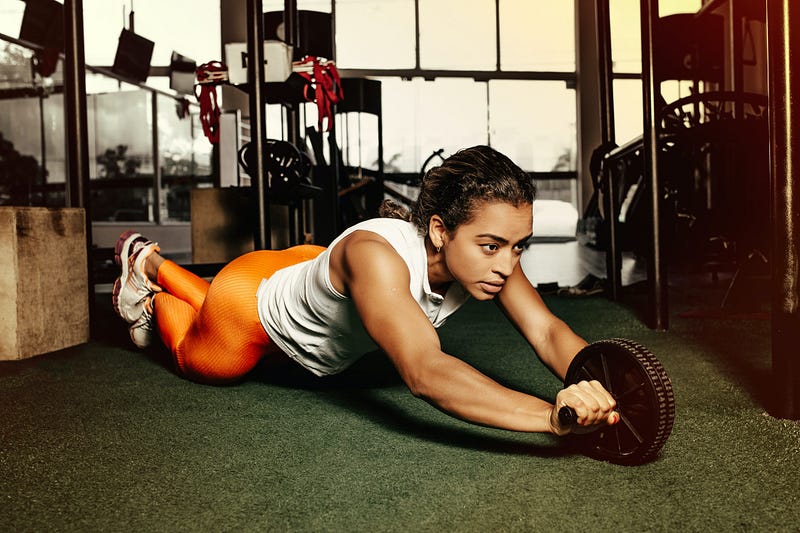
Chances are, your exercise routine isn’t as effective as you think it is.
Most gym-based exercise programs are focused around 1) strength training 2) cardiovascular fitness 3) calisthenics 4) physique and aesthetic goals. While these elements are essential to any complete exercise program, there are other key components that you’re likely not using that could help you improve your strength, endurance, and aesthetic.
For the athlete, bodybuilder, weekend warrior, and healthy active adult, here are three exercise components that you should be doing more of:
- Mobility Work
“I’ll stretch when I get home.” Biggest lie ever told in the gym-goer world.
Mobility work is key to so many different functions we perform, inside and outside of the gym. When we’re sitting around for long periods of time at work, and spending long periods of time in the car or on the couch, we become stiffer and less mobile.
Now when I say “mobility,” I don’t mean “flexibility.” Those are two separate concepts. “Mobility” refers to our joints’ ability to move through their full range of motion (ROM), both actively and passively. “Flexibility” refers to our muscles’ ability to go through a full ROM passively. Flexibility is a component of mobility.
While flexibility is a useful trait to have, it is mobility that we utilize in our workouts and in our every day life.
Having mobile hips allows us to squat deeper, increases our power for rotational movements in sports, and reduces the demand placed on the low back. Having mobile ankles also allows us to squat deeper, sprint faster, and walk more efficiently. A mobile thoracic spine (mid/upper back) improves our overhead biomechanics, efficiency during rotational movements, and again takes pressure off our low back. Being mobile also allows athletes to improve their mechanics during movements specific to their sport, such as throwing, kicking, and changing directions.
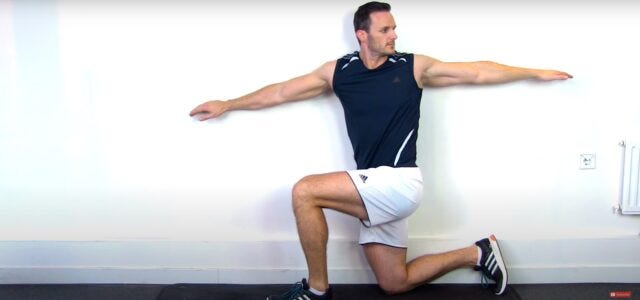
The problem is many of us don’t include exercises that take us through our full range of motion, in EVERY way our joints were designed to move. We might squat deep and allow our hips and ankles to flex as much as possible, but how often do we take our hips through full rotation during a workout? Chances are, not often. Most adults also lack shoulder rotation, and thoracic extension, which leads to poor tolerance to overhead exercises.
This lack of mobility training leads to a plateau in our ability to get stronger in the gym. Worse, it contributes to movement deficits that can lead to pain later on in life (osteoarthritis is the main term that comes to mind).
This doesn’t mean you have to set aside 30 or 20 or even 10 minutes after your workout to incorporate mobility drills. Here are some ideas for how to include mobility in your routine:
- Add 1–2 exercises into your routine that go through a joint’s full ROM (ex. deep bodyweight squats, Cossack squats)
- Dynamic Warmups (ex. high knees, shoulder circles, PVC movements)
- Yoga
- Post-workout cooldown stretch
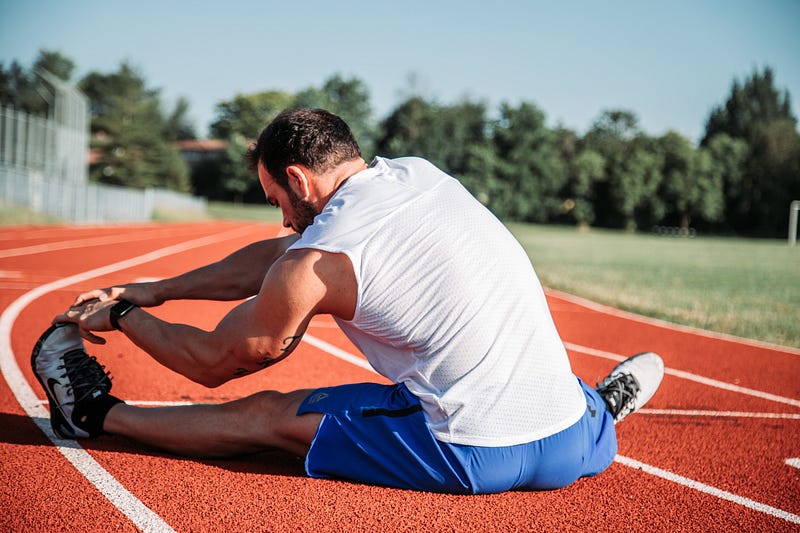
Anything that takes your joints through their full ROM will improve how you move and how you function.
2. Balance Training
I have worked in gyms for almost 10 years, and I can count on one hand the number of times I’ve seen non-athletes training balance in the gym (and honestly, most athletics programs I’ve been involved with slack in this area as well).
Balance training is one of the most humbling yet rewarding modes of exercise. It is the foundation for every single standing exercise we do, and plays a critical role in nearly every aspect of life outside of the gym. Your balance is challenged every time you walk on gravel or uneven grass, when you’re in a dark room, and when you’re doing two things at once. It also is critical for single-leg movements, posture control, and staying upright in contact sports. Yet for some reason, we hardly ever incorporate it in our training!
Incorporating balance work in a training program is a surefire way to improve your performance in the gym, as well as your overall athleticism. Exercises such as split squats and single-leg RDL’s instantly become easier when you’re comfortable standing on one leg. Walking on uneven hiking trails and staying upright when there’s no more seats on the subway becomes much easier when you can balance on a rockerboard or an inverted Bosu ball. Your smaller, but just as important stabilizer muscles get stronger, and allow your major muscles to be more efficient during deadlifts and squats. You’re less likely to get tackled in football, knocked off the ball in soccer, or have your ankle sprained in basketball.
Not having adequate balance can lead to less efficient standing movements, especially single-leg exercises. As a result, your risk of injury increases, as more pressure is placed on your knees and ankles, rather than redistributed to all of your joints equally. As you get older, you’re also at a higher risk for falls- one of the leading causes of morbidity in older adults.
Incorporating balance into your routine can occur in many different ways:
- Single-leg exercises: Split squats, lunges, pistol squats, etc.
- Stand on one leg during upper body accessories: bicep curls, lateral raises, etc.
- Exercise in a 1/2 kneeling position: overhead press, curls, face pulls, etc.
- Direct balance training: any exercise on one leg, on a Bosu ball, on an airex pad, etc.

Improve your balance, improve your function.
3. Direct Core Training
Yes, the abdominal muscles are a part of the core. But the core muscles are far more than just the abdominals.
Our six-pack muscles (rectus abdominis) are just one piece of the body’s foundation. The deep abdominals (transverse abdominis), the obliques, lower back muscles, glutes, diaphragm, and pelvic floor all make up the body’s core muscles. How often do you train your pelvic floor? Or your diaphragm? Or even your abs?
An argument I hear from many stubborn (closed-minded) gym goers is that they do not need to do direct core training because they “do enough” core training when doing their major lifts, such as deadlifts and squats. If (and that is a big “if”), they are utilizing every core muscle efficiently during every rep of every compound movement they perform, they may have a valid argument. Most of the time, they don’t. In fact, many gym-based athletes struggle to isolate each of these muscles individually. How can you have a strong core without the ability to voluntarily contract your pelvic floor? Or your transverse abdominis?
The truth is, every muscle listed in the first paragraph of this section is extremely important, not only to our function in the gym, but in every day life. Whether we’re deadlifting a bar with 300+ pounds on it, or lifting a heavy box, we utilize our core muscles to keep our spine stable while we execute the movement. Having strong hips takes pressure off our back while squatting, lifting, and carrying. The core is involved in every single upright movement we perform, including just standing still.
Yet most gym-based programs barely scratch the surface with the required core training necessary to improve.
Many programs incorporate ab exercises such as crunches, russian twists, and maybe even planks (which, I am a a massive fan of). However, they often fall short when it comes to targeting every muscle of the core, both individually and as a unit. Next time you perform a plank, try contracting your deep abdominals, obliques, glutes, and pelvic floor at the same time, all while maintaining diaphragmatic breathing. You’ll notice it’s much more difficult.
Yes, maybe you are one of the strong ones who gets enough core training from your big lifts. But that doesn’t mean there’s not more room for improvement. Next time you’re working out, include some of these cues during your big lifts, or incorporate these movements individually during the end of your session:
- Contract your transverse abdominis by bracing your core- to find your transverse abdominis, place your finger at the solid bony prominence on the front of your hips (the ASIS), and move one centimeter inward toward your belly button, and one centimeter down toward your waistline. Then, brace, and you should feel a muscle protrude into your finger.
- Contract your pelvic floor- perform a kegel: hold your urine and your poop in at the same time.
- Set your glutes- squeeze your glutes together, as if you had a $100 bill between your cheeks, and you don’t want it to fall out.
- Breathe from your diaphragm- place your hands on your abdomen above your belly button. When you inhale, you should feel your abdomen protruding into your hand, and relax back to its resting state as you exhale.
Some direct core exercises that can incorporate all of these cues:
- Plank: on elbows or hands
- Suitcase carry: remain upright as you carry your dumbbell (or an actual suitcase, no judgement)
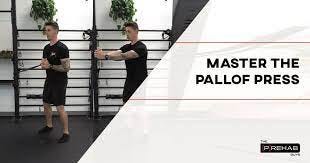
- Palloff press: Push the band or cable straight in front of you while you keep your entire core engaged (don’t let the band pull your body toward the anchor)
No exercise program is complete without regularly including these three components. If you want to get stronger, move better, and improve your performance in the gym and daily life, you should be performing mobility work, balance training, and direct core training regularly.
Add these components to your routine, and watch as you break performance plateaus, reduce injury occurrence, and move better throughout the day.
When you’re ready, there are a few ways I can help you become more mobile, improve your balance, and strengthen your core:
Follow me on Instagram here for exercise demos, free exercise routines, and additional ideas and inspiration.
Apply for Online Coaching, or a 1-on-1 Consultation here.
Expect a new post from me on Medium every Monday and Friday. I want to help you all move better, feel better, and live a healthier life. Thank you all for taking the time for reading, I hope you can learn a thing or two from my work.