
31 DAYS OF CYSTIC FIBROSIS
Your Daughter Has Cystic Fibrosis. I Was a New Mum Dealing With a Seriously Ill Child
Day 1. A Mother’s story
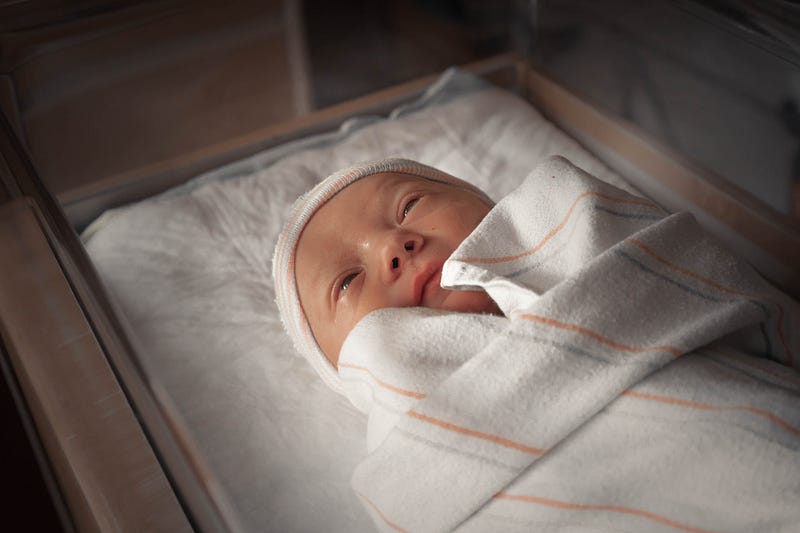
After months of being told she was ‘just a nervous new mum,’ my mum finally received confirmation that something was indeed wrong with her child. A diagnosis that came with initial relief and hope for answers changed when the full picture was eventually revealed. In the early ’70s, a diagnosis of Cystic Fibrosis also came with an expiry date.
This is Helen’s story.
Finally a diagnosis
I can’t recall the day or the month when the doctor finally gave a diagnosis, “Your daughter has Cystic Fibrosis.”
Relief flooded over me. We had a diagnosis—an explanation for the malady of symptoms that had plagued my child since she’d been born. Surely now, things would start to get better.
With a treatment schedule plan and an appointment to learn physio, I hurried to the pharmacy to fill my scripts.
After spending a three-hour wait to see the consultant, the appointment itself was very brief. Although the doctor told me my daughter would not have a normal life expectancy, I did not digest the ramifications of this at the time.
I was a new mum, dealing with a seriously ill child, and my first pressing thought was of the need to get to the pharmacy to fill these scripts before commuting home in the peak hour traffic.
What did this diagnosis mean?
Information about Cystic Fibrosis was scarcer than hen’s teeth in the early seventies. No one we knew had ever heard of this illness that I struggled to pronounce. My sister and I scoured libraries for articles and the little information we gleaned usually consisted of only a few paragraphs. The main gist of these articles was that it was a childhood illness.
At each clinic visit, I tried to glean a little more information, and as three months would pass between visits, I had plenty of time to frame questions. What was lacking was an open doctor. Even after several visits, she either lacked the courage or could not be bothered to take the time to explain to me that Cystic Fibrosis is a progressive illness. I still assumed or had the perception that because this treatment regime my daughter was on seemed to be working, it meant we could manage Sandi’s Cystic Fibrosis.
On one visit, I was at the door about to leave when I asked, “If Sandi has children, will they have Cystic Fibrosis too?”
I can’t recall her exact answer, but the dispirited look in her eyes awoke a need in me to have the full picture. So after waiting three months for my next appointment, I asked outright what the prognosis was, and this time she finally answered.
But it wasn’t the answer I wanted. At best, if we followed the treatment regime religiously, my daughter had a 50% chance of living to thirteen.
Making a longed-for connection
Just after that, I had an extraordinary moment. I picked up the Daily Newspaper and read an article about a girl in Western Australia who suffered from Cystic Fibrosis. To see and read of another child with this same unpronounceable condition was mind-boggling. At that time, we didn’t have a phone, so I drove to the Post Office to use the public phone and contacted the people from the news article.
That phone call led me to a group of parents with children who suffered from Cystic Fibrosis. I learned more from them than I had from the doctor.
Finally, I was not alone.
31 Days of Cystic Fibrosis is an awareness-raising campaign to coincide with the national Cystic Fibrosis (CF) awareness month in Australia.
Next in the 31 Days of Cystic Fibrosis series — Why I Take a Handful of Tablets Every time I eat
Currently, I take 238 Creon (10,000U) per week — without counting snacks and I excel at snacking. For every snack, you can add on an extra five tablets.
📚 Writer, Storyteller, Librarian 🎤 Speaker🌹Cystic Fibrosis Warrior 💞 Lung Transplant Recipient 🤱Mother Sandi is a Cystic Fibrosis Warrior who has defied statistics since 1972. She lives with her favorite husband and two problem puppies. Join Medium today with this referral link and access every Medium story you want to read.