
Your Blog’s Success Relies on This
Vision — Mission — Growth
Blogging has become one of the easiest side hustles to embark on in 2023. And no surprise. With its low-risk business investment model, and the freedom to work from anywhere you want, all you need is a laptop and a good internet connection to start your new blogging empire. With a little bit of research and a few tutorials, you could be on your way to making your first bucks in as little as a few days. Or, if you are very organised, maybe even hours.
Whilst starting a blog in 2023 is easy and relatively cheap, in a digital landscape with over 600 million blogs, it has also become one of the most challenging business models to turn into a profitable venture. According to Glassdoor and Indeed, an average blogger makes around $50,000 a year.
How does getting paid this much for doing what you love sounds to you?
But the truth is, what you think of making x amount is completely irrelevant. Why? Well, there is a bigger elephant in the room we have to address first. That is: “How are you going to make your first 1000 dollars?”
As a consultant and digital marketing manager, I see this all the time. Reviewing hundreds of personal blogs every month, I can tell you that it is one of the biggest mistakes almost all bloggers make. They focus too much on the distant future and completely forget about the present moment.
We get easily influenced by numbers and pretty images we see on the internet, but these rarely talk about the journey and all the steps it takes to get from the bottom of the mountain to the peak of Mount Everest.
Because when you decide to embark on a blogging journey, it is like climbing a mountain. Facing steep learning curves and having your confidence knocked along the way, you will fall and fail many times. And you might also want to change your middle name to ‘Resilience’. Just kidding. But yeah, you are going to need a lot of resilience to get over some of the challenges you will be faced with along the way.
But it doesn’t have to be this way.
While starting a blog may seem simple, achieving long-term success requires a well-defined vision, a clear mission, and a commitment to growth. This journey is anchored by a vital tool: the business plan.
Newbies as well as bloggers with little professional training always seem puzzled when I ask to see their blog’s business plan. Why would you need that if you’re only blogging for the love of blogging?
Well, sweetheart, if you ever plan to make real money, let’s say $50,000 from your blog, then you need to start treating it as a business. I don’t know how focused or knowledgable you are in your field, what marketing strategies you’ve tried, but if your blog is not making you this much money after 2–3 years in the businesses, I think it’s time for some deep introspection.

Vision
When I ask bloggers about their vision, I almost always get presented with the same answer — the amount of money they want to make. And truth be told, I used to be the same. Before I learned better.
If you are one of these online writers whose vision is all about the ka-ching, I’m afraid I have bad news for you.
Look, sweetie, money is not a destination. It is a byproduct of your vision — mission — and your growth as a person or business.
Money comes after you have clearly defined your vision. Your blog’s vision serves as its guiding star, illuminating the path you aim to follow. It’s an aspirational statement that answers the question: “What do I want to achieve with my blog?”
But don’t fall into the trap of misunderstanding this question. Believe it or not, your blog is not about you.
When you ask yourself the question: “What do I want to achieve with my blog?“, you simultaneously have to answer another question: “What is in it for them?”
I know it sounds odd, but without them, you will just remain you. Alone in the abyss of 600 million blog sites, buried deep in the deepest depths of blogging mayhem.
If you treat your blog as an outlet or journal, that’s great. If, however, you are serious about making a living out of it, you need to redefine your vision.
Be ambitious, inspiring, and tie your vision to your long-term goals. Think about your niche, the person you are writing for, and how and why are you even writing. Envisage their smile when they find a solution and solitude in your work.
A well-defined vision gives your blog a sense of purpose and keeps you motivated during challenging times.
It provides a direction for your content, helping you stay focused on topics that align with your vision.
It helps attract the right audience. A compelling vision attracts like-minded readers who resonate with your blog’s purpose and values.
Invest time in creating a clear vision, one day you’ll look back, and you’ll be glad you did.

Mission
While your vision paints the big picture, your mission defines the specific actions you’ll take to realise that vision. Your blog’s mission statement should encapsulate:
- What you do: Describe the content, services, or products you provide through your blog.
- Who you do it for: Identify your target audience, their needs, and why your blog is relevant to them.
- Why you do it: Explain the passion, values, or motivations that drive your blog’s existence.
Your mission serves as a practical roadmap for your blog. It clarifies your objectives, ensures consistency, and helps you communicate your blog’s purpose to your audience.
Having a clear vision and mission statement will give you more direction and clarity about your blog.
They can not only save you time, but money too. Having a clear vision and mission will help you make decisions about your next important move in your blogging business. GROWTH.

Growth
Growth is an inherent aspect of any successful blog. It involves expanding your reach, improving your content, and achieving your blogging goals. Growth can manifest in various ways, including:
- Audience Growth: Increasing your readership and building a loyal following.
- Monetisation: Exploring income streams like ads, affiliate marketing, or selling digital products.
- Content Quality: Elevating the quality and depth of your blog posts.
- Diversification: Expanding into new content formats such as videos, podcasts, or webinars.
Growth requires continuous learning and adaptation. It’s about staying relevant and meeting the evolving needs of your audience.
Without growth and staying on top of analytics, it will be hard to keep the momentum going.
Once you’ve laid some foundations for your blog, it’s time to put everything into practice.
Creating a blogging schedule, a topic calendar, and choosing the right social media sites for promoting your blog are crucial if you want to grow your audience.
Relying on SEO should be your last resort when it comes to attracting readers to your posts. Believe it or not, you create your own luck in the blogging world. In fact, I’d go as far as saying that over 80% of your success purely relies on growth strategies that you can and should easily implement yourself.
The destiny of your blog is entirely in your hands.
The Role of a Business Plan
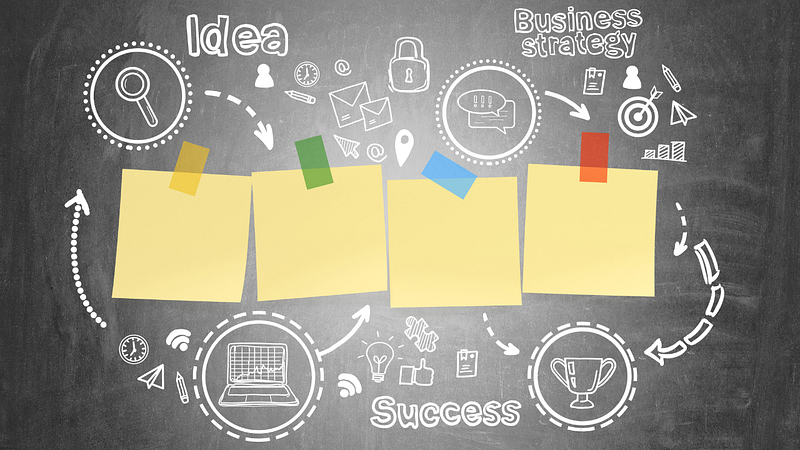
Now, let’s talk about the one thing that ties vision, mission, and growth together: the business plan. A business plan for your blog is like a detailed map guiding you towards your blogging objectives. It includes:
- Market Research: Understanding your niche, audience, and competition. I know it’s very tempting to get your own website, but sadly, there really is no point investing money into a blog unless you have these three areas figured out. While you work on these, try out online blogging sites like Substack, Blogger, or Medium.
- Monetisation Strategies: Defining how you plan to generate income from your blog. Making your first $1000 starts here.
- Content Strategy: Outlining your content calendar, types of content, and SEO strategy.
- Promotion and Marketing: Detailing how you’ll market your blog and engage with your audience. This is where you go past the first $1000 and head for the stars. Remember, not all marketing has to cost you an arm and a leg.
- Financial Projections: Estimating income, expenses, and budgeting. Learn to manage your budget and money. If you have a clear business plan, you might even be able to secure finance to fund your blog. Blogging is becoming a great investment, but first you need to prove that your plan is viable and you have done your homework.
- Analytics and Performance Metrics: Identifying key performance indicators to track success. Use these to help you make adjustment and revise your plan from time to time.
My personal secret for creating profitable blogs is a process that originates from UX design (user experience). These 5 principles are: EMPHASISE — DEFINE — IDEATE — PROTOTYPE — and — TEST.
Blogging is just another form of user experience. Make sure you deliver a great experience for your audience, and watch them coming back for more.
Use this formula to create a business plan for your blog and you’ve made it halfway to the top of Mount Everest.
Remember, a well-crafted business plan helps you stay organised, accountable, and focused on achieving your blog’s vision and mission. It allows you to adapt to challenges and seize opportunities, ultimately leading to sustainable growth.
I hope you found this post valuable.
Want to know how I make four figures on Medium? Sign up for my newsletter and get my ebook for free.