
Young Athletes Did Not Choose Their Career
Building a Champion
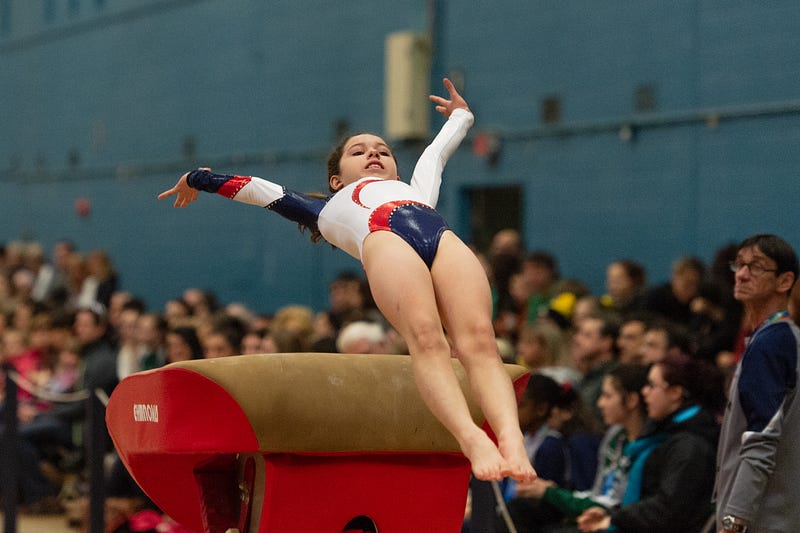
It is 6:30 AM and the girls in Building B of the Sainte-Marie boarding high school are already awake.
They are all wearing their team sweatshirts with Nike shoes preparing for their morning run when most of their classmates still have a couple of hours of sleep left.
See, these teenagers are not traditional students. They are athletes and have been training since their childhood.
There are nine other schools like this one in the country. Their goal is to build athletes and provide fresh blood to the handball national team each year.
Mommy, I want a Gold Medal.
It has been, at some point, the dream of every young boy or girl to become the next Usain Bolt, win Olympic medals, and leave a mankind-sized legacy behind.
The cost of Gold is high.
Most of these aspiring champions start the practice of their sport as early as 6 years old if not before (Wylleman, De Knop, Menkehorst, Theebom, Annerel, 1993) and endure a draining training until they reach maturity.
I remember having a crazy schedule with no days off or vacations:
- Wake up at 6 am
- Morning practice until 8 am
- Going to class from 9 am to 4 pm
- Afternoon practice From 4:30 pm to 6 pm
- Studying from 6:30 pm to 7:30 pm
- Have diner at 8 pm
- Go to bed and repeat
- Both Saturday and Sunday were game days (we would sometimes have to dispute a match or two in our already packed weekdays schedule)
- One day a week (usually Wednesday) we would train the entire day.
- On holidays we would often have boot camps
At that age, when we are barely able to formulate an opinion of our own, it is legitimate to wonder if the decision of becoming a professional athlete and make the body go through years of extreme pressure originates from us.
At the time, everything felt right. The fatigue, the endless hours of practice, the effort, the evil teammates ready to kill you to get out of the bench. Everything. I was pushing through the pain and the injuries all because I had a goal that I was determined to achieve.
Honestly, call me crazy but living in this bubble and continuously having a soared body felt good! Until it didn’t.
The Influence of the Family.
The influence of the family is of importance in the making of a professional player (Kirk, et al., 2001). In that study, it is argued that the familial environment determines the evolution of the teen in the sport.
a) Initiation phase
Evidence shows that the influence of the parents on the phase of “Initiation” (Cairn, 2004) to the sport is the one that will determine the future evolution in the discipline.
b) Professional training phase
As they grow up and enter the “professional training” (Cairn, 2004) phase at the age of 14, it is when the overload of the sport-and-study double project can start to put pressure on the teen and push them to quit the sport altogether as they judge it not to be amusing anymore; some of them may even fall into depression, explains Paris INSEP sports therapist.
c) Pushing through the pain
When faced with a kid wanting to give up or showing signs of pain, the parents can be reluctant to let the child quit the sport for two main reasons: the financial implication they have had throughout the years, or they could have had a personal history with the practice of the discipline whether it was professionally or not.
Most athletes completing the “professional training” phase will thrive in the “maturity” phase and become accomplished players.
The Influence of the Industry
The pairs and trainers that have followed their careers from the beginning may have a personal interest in the success of the athletes.
In most collective sports such as football, the selection of outstanding young athletes that will add value to the reliability of the team is the responsibility of the trainers.
The success of the team gives glory to the coach.
In these cases, it is hard for these young adults to have a say in the conversation once they are already attached to the team and bound by a contract.
The pressure the teammates and the trainers may put on them to achieve certain goals can keep them from listening to their needs and desires (Katelin Ohashi, gymnast, 2018).
Thus, it might be unclear to know if the will to pursue the practice of the sport at such high stakes entirely originates from the personal convictions of the teenager or if some external figure of authority directly or unconsciously convinced them into pursuing this career path.
It is now 6 PM but four years later. Out of the twenty girls from building B of the boarding school, only one made it to the national team. The others either quit judging the pressure too strong and never touched a ball again, or, like myself, simply realized it was not their destiny and did not want to become Olympic professionals but still had a strong love for competition.