
You’ll Lose Friends in Your 20s, and That’s a Good Thing
Outgrowing relationships doesn’t erase them from the past.
When you’re young, you don’t appreciate things the same way you do when you’re older. Among these under-appreciated things are art and irony.
In middle school, I was in a band with my friends. We weren’t very good, but we had fun playing The Beatles, Weezer, Nirvana, and Green Day. We even played a show at The Rex Theater in Pittsburgh’s SouthSide. It was a Beatles cover show with plenty of local groups put on by Pittsburgh Guitars.
We played two songs, “Something” and “In My Life.”
For those unfamiliar, these are the opening lyrics to “In My Life:”
There are places I’ll remember All my life, though some have changed Some forever, not for better Some have gone and some remain All these places have their moments With lovers and friends, I still can recall Some are dead and some are living In my life, I’ve loved them all
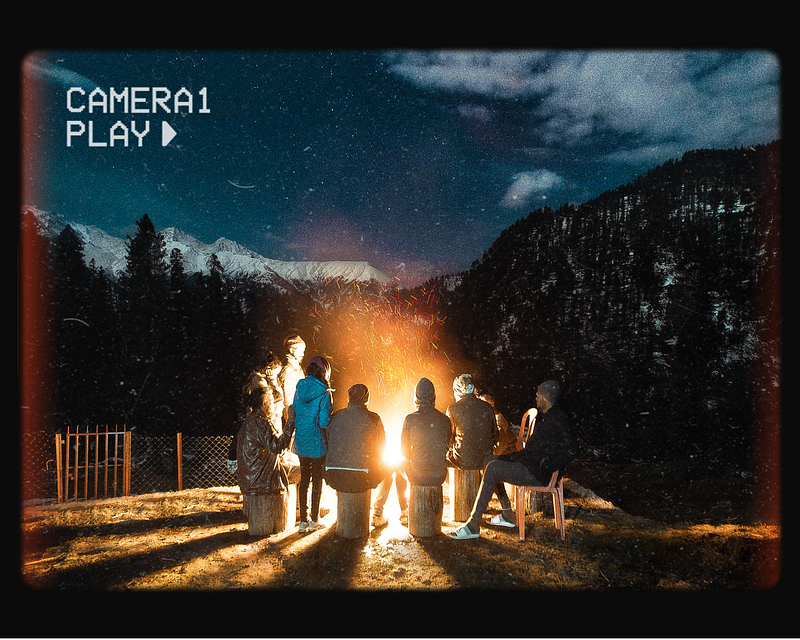
There’s this funny thing that happens in your 20s — you change. Rapidly, unknowingly, ceaselessly, you’re thrust into the adult world, and childhood becomes nostalgia. You’re not the same kid anymore. You’re not a kid at all.
“You find out who your real friends are at 25.”
My mom always told me 25 is the age when your friend circle shrinks substantially. I didn’t believe her until it happened to me.
Shortly after I turned 25, I fell out with one of my oldest friends in a way that blindsided me. Though we hadn’t seen each other in some time, I’d assumed we were on good terms. He’d been through with me for months without telling me.
The details don’t matter. I felt hurt and betrayed, felt as if we could have had a conversation about it months earlier and resolved things rather than the months of silence and avalanche of accusatory comments. But like I said, the details don’t matter — the lesson I learned does.
Sometimes, when you screw up, people will call you out, and you can grow from it and be better. These people are your friends. They want to help you be the good person they know you can be.
Other times, people will only say things to hurt you. They’re not interested in your growth, and they are not your friends.
Likewise, forgiveness is a sensation only exchanged among friends. You can’t expect forgiveness from someone who doesn’t care that you’re trying to be better.
Relationships change as we change
Even in less dramatic circumstances, people drift apart. Life takes us down unexpected paths, and experiences — whether it’s college, a relationship, a career, the birth of a child, the death of a parent, whatever — influence the people we become.
In other words, you’re not the same person at 25 as you were at 13, and neither are your friends. Developing into fundamentally different people doesn’t erase the past; those years of friendship still mattered, and in that moment in time, you have always been and will always be friends.
What I couldn’t appreciate at 13, I can now understand at 25. “Though I know I’ll never lose affection,” the song goes, “for people and things that went before. I know I’ll often stop and think about them. In my life, I love you more.”
Singing that song with a friend I would eventually lose was an ironic prediction, but the words resonate more than ever with hindsight.
People change. Life goes on.
So it goes. So it goes. So it goes.
If you enjoyed this story, consider subscribing to get notified when I post. If you’re not already a Medium member, you can support other writers and me by signing up here.