avatarProof of Health

Free AI web copilot to create summaries, insights and extended knowledge, download it at here

3662

Abstract

the impulse to ingest food and chew it.</p><p id="ce27">Nicotine suppresses appetite and increases metabolism.</p><p id="42c7">Effects on metabolism: transient increases of 2–5% on metabolism.</p><h2 id="4644">Combined with the increased acetylcholine and dopamine, you see how nicotine can be such a powerful molecule: it provides motivation, focus, and alertness.</h2><h1 id="ebf8">Effects on the body</h1><p id="9ff1">Nicotine goes from the bloodstream to all the tissues and organs of the body because it is fat-soluble (nicotine can move through the fatty tissue of membranes).</p><p id="e973">When nicotine makes it into the bloodstream:</p><ul><li>HR increases.</li><li>Blood pressure increases.</li><li>Contractability of heart tissue increases.</li></ul><p id="3bdc">So, nicotine increases the sympathetic tone (the sympathetic arm of the nervous system — makes you ready for action).</p><p id="09ef">Some other effects:</p><ul><li>It constricts blood vessels.</li><li>Relaxes skeletal muscle.</li><li>Smoking and vaping reduce penis size.</li></ul><h2 id="9daf">So, everything that nicotine does is almost ideal for cognitive work.</h2><p id="cc0a">And is the opposite ideal state for physical performance.</p><figure id="4ef3"><img src="https://cdn-images-1.readmedium.com/v2/resize:fit:800/0*675BNSoao6C_nqYP"><figcaption>Photo by <a href="https://unsplash.com/@jasonstrull?utm_source=medium&amp;utm_medium=referral">Jason Strull</a> on <a href="https://unsplash.com?utm_source=medium&amp;utm_medium=referral">Unsplash</a></figcaption></figure><h1 id="4f27">Nicotine Side Effects</h1><p id="d1bd">Chewing tobacco causes a 50x probability of mouth cancer.</p><p id="b2db">Avoid nicotine when you are 25 years old or younger.</p><p id="b2b8">Provided the dosages are reasonable, and frequency is low, as long as the brain is not developing, <b>nicotine can be used for good, but certainly not by smoking or vaping.</b></p><h1 id="c2c6">Smoking, Vaping, Dipping and Snuffing</h1><p id="8f51">All these negatively impact every organ and tissue system because they damage the endothelial cells (which make the vasculature that delivers blood and nutrients to tissues in the body).</p><p id="e308">Cigarettes contain carcinogens. Nicotine is not the cause of cancer, it’s the other things in tobacco or associated with the nicotine delivery device.</p><p id="8e62">For every pack of cigarettes smoked per day, there’s a 14-year reduction in lifespan.</p><p id="966b">Smoking, Vaping, Dipping and Snuffing increase the probability of:</p><ul><li>stroke,</li><li>heart attack,</li><li>cognitive decline (yes, even though nicotine can be good for cognitive function in the short term),</li><li>sexual dysfunction</li></ul><figure id="56d4"><img src="https://cdn-images-1.readmedium.com/v2/resize:fit:800/0*BQ223F5b31KoLa_K"><figcaption>Photo by <a href="https://unsplash.com/@johnmcclane?utm_source=medium&amp;utm_medium=referral">Andres Siimon</a> on <a href="https://unsplash.com?utm_source=medium&amp;utm_medium=referral">Unsplash</a></figcaption></figure><h1 id="a870">Some Stats</h1><p id="df93">More than 1 billion people consume tobacco every day, and approximately half a billion people are vaping.</p><p id="ea93">Up to 25% of people on earth are consuming tobacco.</p><p id="dc0e">Most people don’t want to smoke. 70% want to quit, but they find it very difficult.</p><h1 id="36f0">Vaping = Cocaine?</h1><p id="c05d">Vaping resembles crack cocaine due to the speed of the entry of nicotine into the bloodstream.</p><p id="caef">The onset of dopamine release in vaping is faster than with cigarettes, which explains why more people are vaping, espec

Options

ially young people. It disrupts the entire dopamine reward system, which can become permanently impaired.</p><h1 id="858d">How To Quit Smoking</h1><p id="6a7e">Vaping is harder to quit than smoking.</p><p id="ef00">The success rate of people trying to quit smoking is 5%, and 65% of them relapse within a year.</p><h2 id="a14b">Behavioral Tool: Clinical Hypnosis</h2><p id="f8e3">In clinical hypnosis, the patient directs the brain changes toward a specific behavioral goal.</p><p id="c7ee">Using a specific hypnosis people can achieve a complete cessation of smoking with just one session. The success rate is 23%, after only one session.</p><p id="def3">Check out the reverie app if you are trying to quit! (Not sponsor whatsoever).</p><h2 id="bee3">Tool: Bupropion</h2><p id="8689">Bupropion is a compound that increases the release of dopamine and epinephrine and is used for depression and smoking cessation.</p><p id="5ef4">It helps with withdrawal symptoms and helps push the success rate from 5% to 20%.</p><p id="ce7a">Dosage: 300mg a day. With renal or liver disease, the dosage has to be lower. There’s a seizure risk. Make sure you ask your physician before taking bupropion.</p><h2 id="3583">Tool: Patches or Gum</h2><p id="7c21">The patches provide a steady state of dopamine release. So you are not craving dopamine all the time.</p><h1 id="86c3">The First Week Strategy</h1><p id="7c76">When you decide to quit smoking/vaping, your body is not aware that you made that decision yet.</p><p id="1ba6">Since your baseline levels of dopamine and arousal are lower than they would normally be if you never smoked, it feels like trash when you don’t provide the dopamine hit with the cigarette/vape.</p><p id="9e3d">So, having something else (healthy) to elevate the dopamine can be very helpful: Cold showers, exercise, caffeine.</p><p id="1f45"><b>If you get through the first week, success chances increase. So hold on!!</b></p><figure id="09eb"><img src="https://cdn-images-1.readmedium.com/v2/resize:fit:800/0*a1rqsk_lasKQr9M9"><figcaption>Photo by <a href="https://unsplash.com/es/@helloimnik?utm_source=medium&amp;utm_medium=referral">Hello I'm Nik</a> on <a href="https://unsplash.com?utm_source=medium&amp;utm_medium=referral">Unsplash</a></figcaption></figure><p id="6869">I hope you found this useful, but I still highly recommend watching the entire episode.</p><p id="7af6">I post these notes for every Huberman Lab episode. If you liked it, please feel free to check out the ones that are already published as well.</p><p id="a58b"><b>If you want to support me, <a href="https://medium.com/@juanpabloaranovich/membership">here’s a referral link to become a member.</a></b></p><p id="db65">You can follow me here and on <a href="https://twitter.com/Juampiaranovich">Twitter</a> too!</p><blockquote id="a0cd"><p><i>“Thank you for your interest in Science”</i></p></blockquote><p id="848f">Sources:</p><ul><li><a href="https://www.youtube.com/redirect?event=video_description&amp;redir_token=QUFFLUhqbFQ5TDBISnNYRzZoemx2X2c0bHplblhzMnJLUXxBQ3Jtc0ttZVpKWmZvam12eHBGWXFHbm1kM09tTnp5dVh5cWlIckE2bmtwR3NiVnNUSVhOYnhTeHJzUkhYSWp0THB1UW5UTkZwN21OZnVSU243THNfYnFETjE2bWRyUkVfdGtRWlBIbF8xV1VMY3g3bl9WVDFpUQ&amp;q=https%3A%2F%2Fbit.ly%2F3LoU0gA&amp;v=uXs-zPc63kM">Predictors of smoking abstinence</a> following a single-session restructuring intervention with self-hypnosis</li><li><a href="https://bit.ly/3xtUwEn">Effect of hypnotic suggestion</a> on cognition and craving in smokers:</li><li><a href="https://bit.ly/3eTkfiV">Pharmacological Approach to Smoking Cessation</a>: An Updated Review for Daily Clinical Practice</li></ul></article></body>

You’d Be Surprised by What Science Says About Nicotine

Nicotine is much more than smoking. Learn everything about it.

These are my notes from The Huberman Lab Podcast episode #90 + some of my own research. I am a BIG fan of Dr. Huberman and his podcast.

Andrew enlightened me with this one. Before this episode, if you told me that nicotine was good, I would have told you that you were crazy.

However, I learned that nicotine can protect against cognitive impairment and promote cognitive function.

Of course, I am not promoting nicotine, and neither is Andrew. But it looks like there’s much more than “Smoking is bad and gives you cancer”.

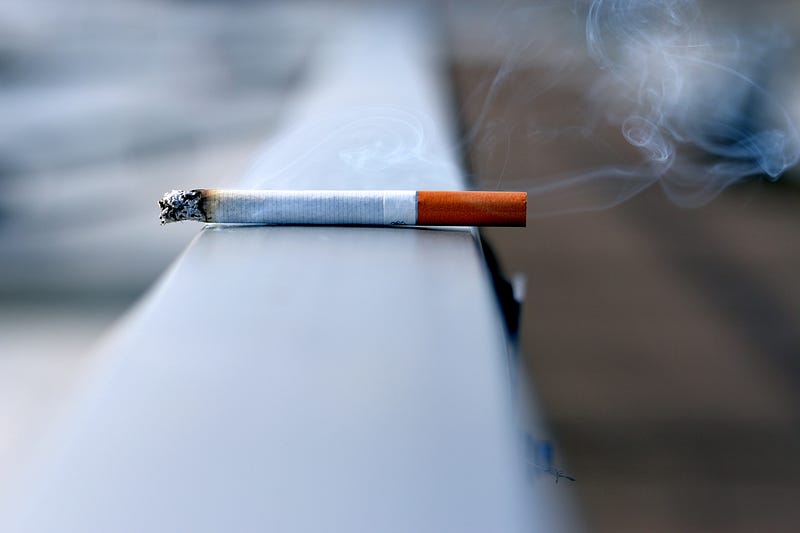
Photo by Ej Agumbay on Unsplash

Nicotine

Where is it found?

  • In the tobacco plant,
  • nightshades (tomatoes, eggplants),
  • in potatoes

Nicotine is a plant alkaloid (which evolved in plants to protect from insects). It is used as a pesticide and can kill insects or make them infertile.

But the effects of nicotine are different in humans (nicotine doesn’t make humans infertile).

Nicotine is pulled from these plants.

Once nicotine enters the bloodstream, it exerts its effect because it binds to certain nicotinic receptors (of the acetylcholinergic variety )

Note: Acetylcholine is a chemical that, when released and bonded to receptors, changes the way those cells behave).

Acetylcholine activates nicotinic receptors which serve as a trigger to rewire the brain.

Acetylcholine activates nicotinic receptors which serve as a trigger to rewire the brain.

Nicotine Effects on the Brain

Nicotine only binds to nicotinic acetylcholine receptors and the difference in those receptors dictates what effect nicotine will have on those tissues.

The fact that there are nicotinic receptors in our brain tells us that nicotine is important for brain function. Nicotine passes thru the blood-brain barrier and exerts its effects.

4 Neurochemical Effects:

First Effect: The Mesolimbic Reward Pathway

Nicotine increases dopamine and decreases Gaba (which is an inhibitory neurotransmitter). So it is a two-pronged effect.

It reinforces the mesolimbic reward pathway (dopamine). Nicotine triggers the release of dopamine and this is why it’s so addictive.

Second Effect: Acetylcholine

Nicotine increases acetylcholine (which is released from multiple areas in the brain).

When acetylcholine is released from the nucleus basalis, it serves to increase attention to the thing you are doing at the moment. Thereby, nicotine increases attention by making more acetylcholine available. The effect is only transient (5–45 minutes).

Third Effect: Epinephrine Pathway

Nicotine increases levels of alertness and arousal.

Nicotine triggers the release of norepinephrine from the locus coeruleus.

Fourth Effect: Metabolism

It limits the impulse to ingest food and chew it.

Nicotine suppresses appetite and increases metabolism.

Effects on metabolism: transient increases of 2–5% on metabolism.

Combined with the increased acetylcholine and dopamine, you see how nicotine can be such a powerful molecule: it provides motivation, focus, and alertness.

Effects on the body

Nicotine goes from the bloodstream to all the tissues and organs of the body because it is fat-soluble (nicotine can move through the fatty tissue of membranes).

When nicotine makes it into the bloodstream:

  • HR increases.
  • Blood pressure increases.
  • Contractability of heart tissue increases.

So, nicotine increases the sympathetic tone (the sympathetic arm of the nervous system — makes you ready for action).

Some other effects:

  • It constricts blood vessels.
  • Relaxes skeletal muscle.
  • Smoking and vaping reduce penis size.

So, everything that nicotine does is almost ideal for cognitive work.

And is the opposite ideal state for physical performance.

Photo by Jason Strull on Unsplash

Nicotine Side Effects

Chewing tobacco causes a 50x probability of mouth cancer.

Avoid nicotine when you are 25 years old or younger.

Provided the dosages are reasonable, and frequency is low, as long as the brain is not developing, nicotine can be used for good, but certainly not by smoking or vaping.

Smoking, Vaping, Dipping and Snuffing

All these negatively impact every organ and tissue system because they damage the endothelial cells (which make the vasculature that delivers blood and nutrients to tissues in the body).

Cigarettes contain carcinogens. Nicotine is not the cause of cancer, it’s the other things in tobacco or associated with the nicotine delivery device.

For every pack of cigarettes smoked per day, there’s a 14-year reduction in lifespan.

Smoking, Vaping, Dipping and Snuffing increase the probability of:

  • stroke,
  • heart attack,
  • cognitive decline (yes, even though nicotine can be good for cognitive function in the short term),
  • sexual dysfunction
Photo by Andres Siimon on Unsplash

Some Stats

More than 1 billion people consume tobacco every day, and approximately half a billion people are vaping.

Up to 25% of people on earth are consuming tobacco.

Most people don’t want to smoke. 70% want to quit, but they find it very difficult.

Vaping = Cocaine?

Vaping resembles crack cocaine due to the speed of the entry of nicotine into the bloodstream.

The onset of dopamine release in vaping is faster than with cigarettes, which explains why more people are vaping, especially young people. It disrupts the entire dopamine reward system, which can become permanently impaired.

How To Quit Smoking

Vaping is harder to quit than smoking.

The success rate of people trying to quit smoking is 5%, and 65% of them relapse within a year.

Behavioral Tool: Clinical Hypnosis

In clinical hypnosis, the patient directs the brain changes toward a specific behavioral goal.

Using a specific hypnosis people can achieve a complete cessation of smoking with just one session. The success rate is 23%, after only one session.

Check out the reverie app if you are trying to quit! (Not sponsor whatsoever).

Tool: Bupropion

Bupropion is a compound that increases the release of dopamine and epinephrine and is used for depression and smoking cessation.

It helps with withdrawal symptoms and helps push the success rate from 5% to 20%.

Dosage: 300mg a day. With renal or liver disease, the dosage has to be lower. There’s a seizure risk. Make sure you ask your physician before taking bupropion.

Tool: Patches or Gum

The patches provide a steady state of dopamine release. So you are not craving dopamine all the time.

The First Week Strategy

When you decide to quit smoking/vaping, your body is not aware that you made that decision yet.

Since your baseline levels of dopamine and arousal are lower than they would normally be if you never smoked, it feels like trash when you don’t provide the dopamine hit with the cigarette/vape.

So, having something else (healthy) to elevate the dopamine can be very helpful: Cold showers, exercise, caffeine.

If you get through the first week, success chances increase. So hold on!!

Photo by Hello I'm Nik on Unsplash

I hope you found this useful, but I still highly recommend watching the entire episode.

I post these notes for every Huberman Lab episode. If you liked it, please feel free to check out the ones that are already published as well.

If you want to support me, here’s a referral link to become a member.

You can follow me here and on Twitter too!

“Thank you for your interest in Science”

Sources:

Health
Mental Health
Addiction
Smoking Cessation
Neuroscience
Recommended from ReadMedium