
You Should Tell Your Mental Illness Story Your Way
Using art to tell your story.
I believe the world is becoming more open to mental health discussions. That’s not to say all the harmful information out there has disappeared, but I see the tide changing.
The youngest adults, whatever we’re calling them this week, seem to be more open to discussing anxiety, depression, and feelings of worthlessness.
Better yet, they’re raw and honest with each other. When one opens up, their friends are quick to respond and validate their feelings.
But what if you’re an old fuddy-duddy like me? If our generation remains uncomfortable discussing mental illness, should we remain silent?
Absolutely not.
But you can also choose how you tell your story.
“No matter what people tell you, words and ideas can change the world.”
— Robin Williams
Writing
I love writing. Putting pen to paper or allowing my fingers to dance across the keyboard is therapy for me.
More than just helping me tell my story, writing clears up the thoughts in my head. As the words spill out, emotions make sense, traumas tie together, and past and present reveal how they are connected.
You can use writing to understand and share your story in many ways. Choose deep introspection with journal prompts, write angry or heartbreaking letters you’ll never send, or write creatively about a character facing similar trials.
My journal is full of pages covering all of the above, as well as a list of reasons to be grateful for and the life lessons I’ve learned along my journey. Writing isn’t for everyone, though, so don’t feel bad if you hate it. There are several other options open to you.

Art
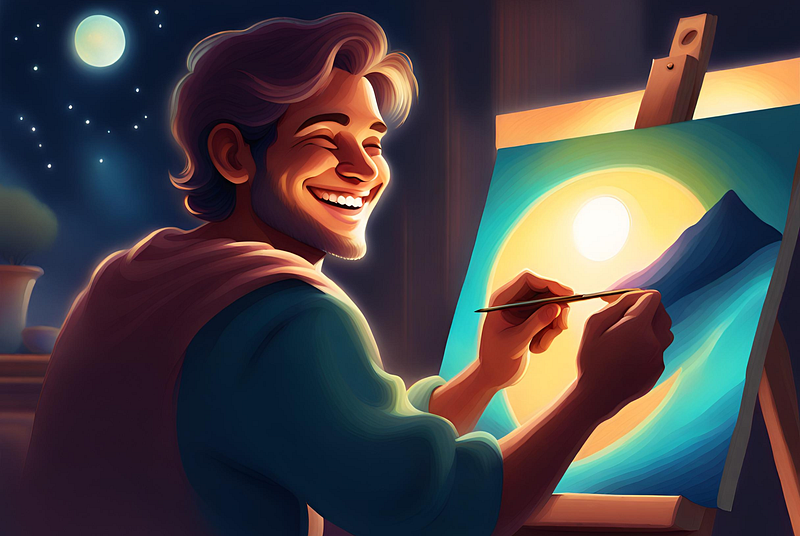
I’m not an artist by any means, but there’s something cathartic about coloring an entire page red or black.
Adult coloring books are super popular because they let you express yourself and emotions. The act of coloring also slows you down, giving your mind a rest and a chance to sort out some of the chaos inside.
Adult (or children’s) coloring books are just one way to use art to tell your story. There’s also painting, sculpting, photography, and so much more. I would also throw sewing, knitting, and crocheting into the mix.
Whatever creative art you enjoy can help you sort out feelings or express any pain inside. If you want some inspiration, run a search on your favorite social media platform looking for “bipolar art” or “mental illness art”.
Some of what you see will terrify you, but there’s no doubt what the artist felt while creating the piece. Other pieces will feel like someone ripped them from your own mind.
Really, that’s what it’s all about, sharing what’s inside with the world.
Music
Music is an essential part of every day for me.
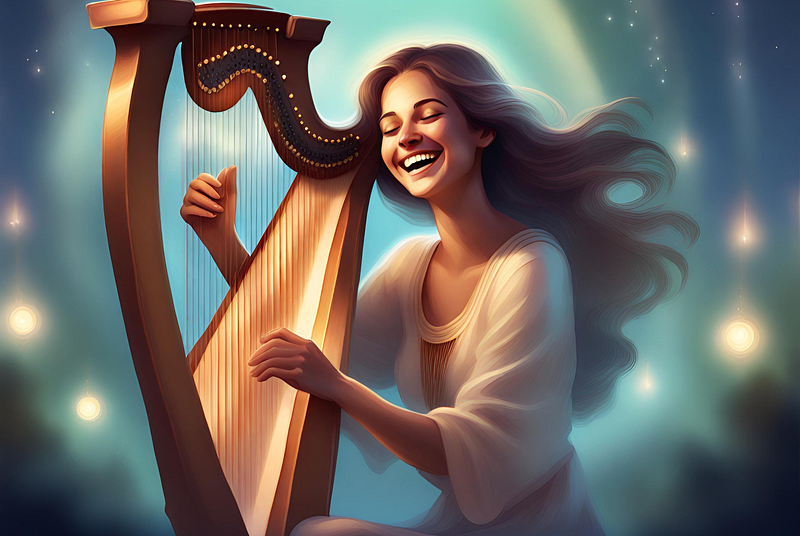
I would love to express myself through this art form, but I have no musical ability. Tons of singers and songwriters do, and many are open about their struggles with mental illness.
Taylor Swift’s Anti-Hero touches on depression. Callum Scott’s Bridges reflects on past suicidal ideation.
One of my favorites, Justin Furstenfeld from Blue October, shares a lot of his current and past struggles with mental illness through the lyrics of his songs. His performance of Fear is one I turn to often.
Words can be unnecessary when writing music. Some of the most haunting instrumental pieces were never meant to have lyrics. Tunes like Debussy’s Clair de Lune or Philip Glass’ Soundtrack to The Hours will both pull you into another world.
Get out your instrument of choice and get started. Let music release the pain in your soul and fill you with life again.
Tell Your Story
More of the world is opening up to healthy conversations about mental illness. We can all do our part by sharing our stories in a way we feel comfortable doing it.
Pick one suggestion from above and get started today. When you’re ready to share it, let me know, and I’ll include a link to your work in a future newsletter.
Let art help you accept all the feelings inside.
How does art help you tell your story? Please share your thoughts in the comments.
Helpful Prompts
Here are a few prompts to help get you started on your journey. Use the prompts for writing or to inspire any other type of art you desire.
Journal Prompt: What creative way most helps you work through the tough days? Why is it so helpful?
Bonus Prompt: Pick an art form you’ve never tried before and create something to express what you’re feeling inside.
Creative Writing Prompt: Your character never liked music or art. As a loner, they stuck to themselves and rarely talked to anyone. One night, after an inspiring dream, they get up and paint a beautiful mural on the outside of their home. What happens next?
Until next time, keep fighting.


