
You Need to See this Startling, Strong, Spectacular Railroad
This is What Happens When Amazing Railroading Empowers People Article One of a Seven Article Series.
Introduction
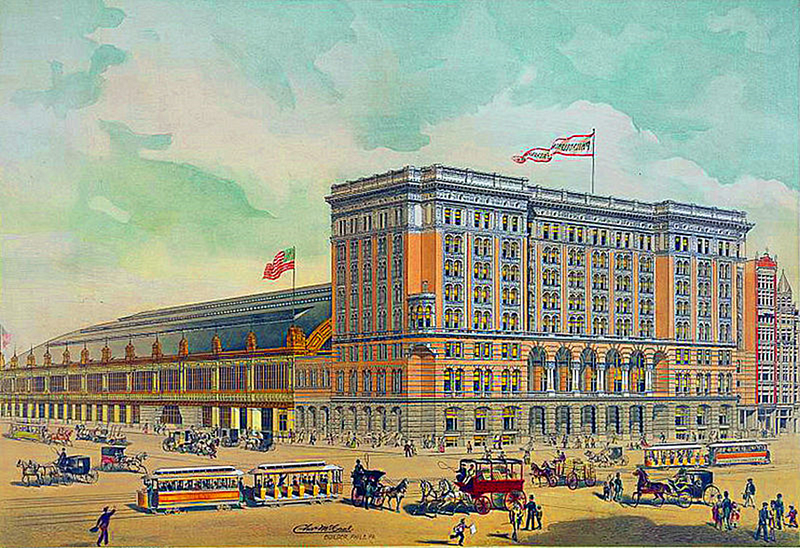
I want to share a story with you with respect to one of the first railroads in the United States. This railroad met many challenges and succeeded when others failed. This story starts out in Pennsylvania and soon expands to other states.
This is article one of a seven-article series. In this article, we will examine an introduction, the mission of Reading Railroad at the start, the effect of the interstate highway system, Philadelphia and Reading Railroad: 1833–1893, Reading Hauls Anthracite Coal, Port Richmond, Philadelphia, and Reading Coal and Iron Company, Collapse of Anthracite Industry, Reading Anthracite Company, Reading’s Success, and conclusion.
This railroad was headquartered in Philadelphia, Pennsylvania, and was one of the first railroads in the United States. It provided rail transportation for both passengers and freight. The railroad ran in Delaware, Maryland, New Jersey, and Pennsylvania from 1924 until 1976.
Its successor was Conrail (now Norfolk Southern Railway and CSX Transportation. After the railroad operations were merged into Conrail in 1976, the rest of the corporation was renamed Reading International. Reading Company — Wikipedia
The railroad ran its locomotives and trains on 4 foot 8 ½ inch rails known as standard gauge. The length of the tracks that this railroad used was 1,460 miles. Reading Company — Wikipedia
The Reading Company was a railroad holding company for most of its existence and later became a single railroad. It operated as the Reading Railway System and succeeded the Philadelphia and Reading Railroad Company, founded in 1833. Reading Company — Wikipedia
Mission of Reading Railroad
The system’s mission was to haul anthracite shipments from the Coal Region in Northeastern Pennsylvania. Shipments began to decline after World War II. Until then, though, the company was one of the most prosperous corporations in the United States. Reading Company — Wikipedia
The Effect of the Interstate Highway System
The enactment of the federally funded Interstate Highway System in 1956 led to competition from the trucking industry that used the interstate system for short-distance hauling goods, compounding the company’s problems and forcing it into bankruptcy in 1971. Reading Company — Wikipedia
Philadelphia and Reading Railroad: 1833–1893
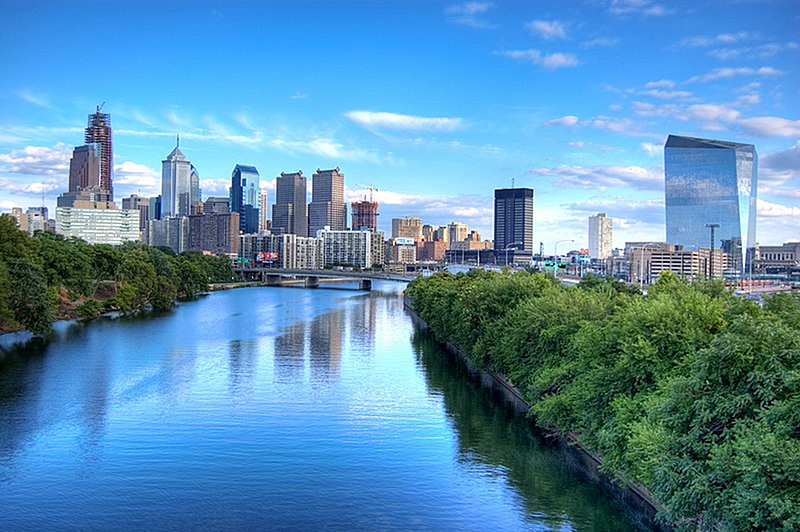
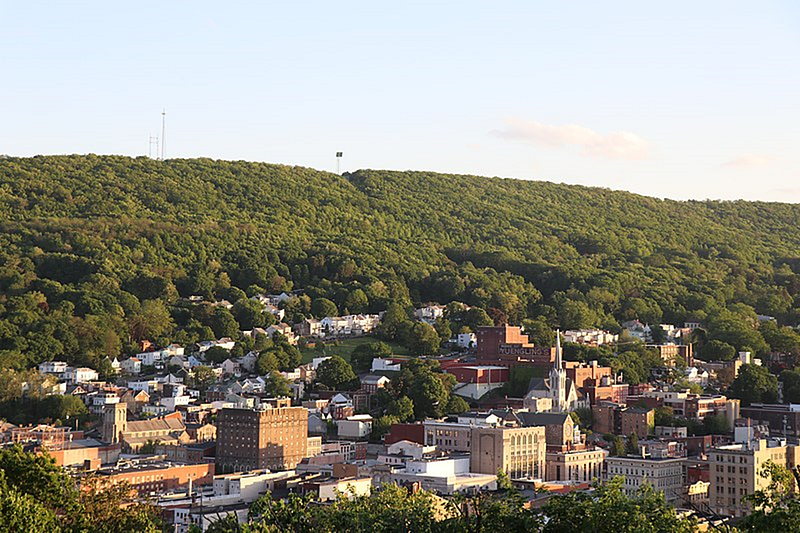
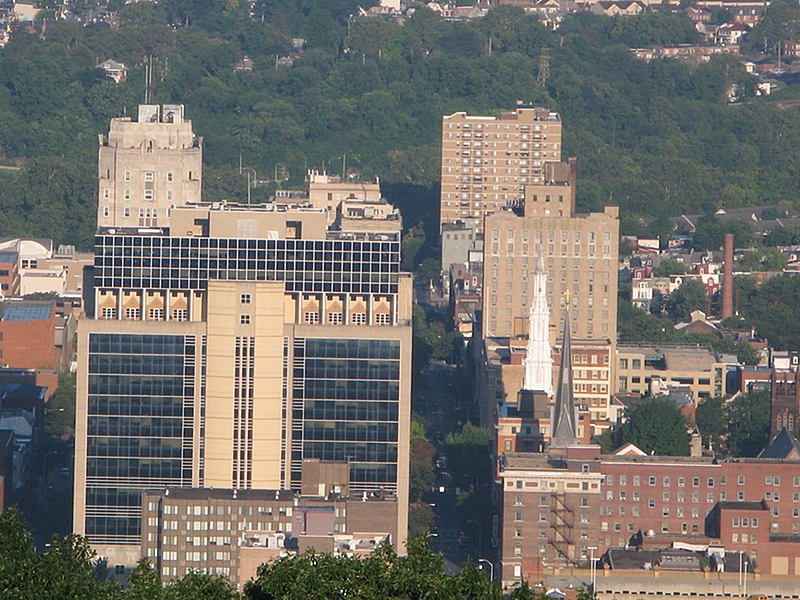
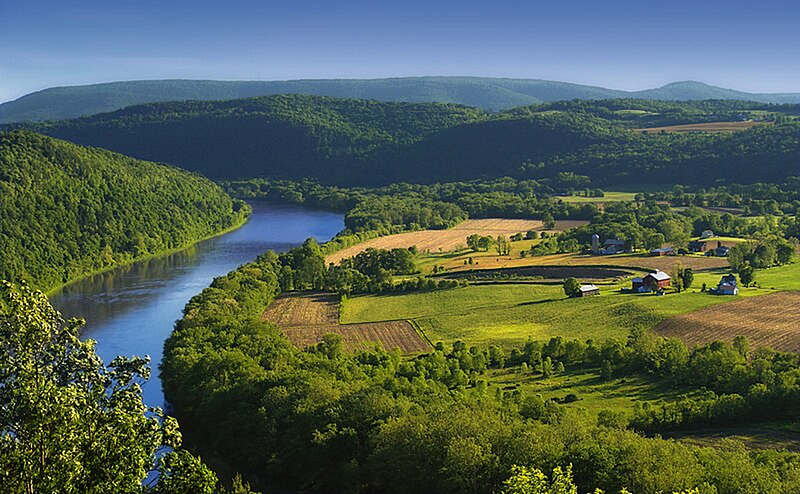
The Philadelphia and Reading Railroad (P&R) and the Little Schuylkill, a horse-drawn railroad in the Schuylkill River Valley, became the Reading Company. The original P&R mainline extended south from the mining town of Pottsville to Reading and Philadelphia. The line followed the gently graded banks of the Schuylkill River for nearly all of the 93-mile trip. When founded in 1833, the Reading mainline was a double-track line. Reading Company — Wikipedia
Reading Hauls Anthracite Coal
The railroad was profitable from the start. Anthracite (energy-dense coal) had replaced scarce wood as fuel in businesses and homes since the 1810s. Lehigh Coal & Navigation Company almost held a monopoly on this product.
P&R-delivered coal was one of the first alternatives. The Schuylkill River Valley has numerous railroads with trackage running through it. The P&R bought or leased many of those railroads. This allowed P&R to extend westward and north along the Susquehanna River into the southern portion of the Coal Region. Reading Company — Wikipedia
Port Richmond
Reading built Port Richmond in Philadelphia. Reading touted this as the “largest privately owned railroad tidewater terminal in the world.” This polished the P&R’s bottom lines by allowing anthracite coal to be loaded onto ships and barges for export.
Philadelphia and Reading Coal and Iron Company
In 1871, Reading founded a subsidiary, the Philadelphia and Reading Coal and Iron Company, which bought anthracite coal mines throughout the Coal Region. Reading Company — Wikipedia
The company purchased coal lands and acquired about 100,000 acres at inflated prices. The debts incurred in this process bankrupted Reading in 1880, 1884, and 1893. The final reorganization of 1896 scaled back some debt and vested control of the railroad and the Coal and Iron Company in a new holding company, the Reading Company. Reading Company — Wikipedia
The company operated the mines and coal processing plants, and the finished product was shipped through the railroad lines. The subsidiary became separate from Reading because the U.S. Government initiated an anti-trust lawsuit against Reading. The Reading Coal and Iron Company was the country’s largest producer of anthracite reserves (at one point in time, it controlled more than 40 percent). Reading Company — Wikipedia
The company was the country’s largest producer of anthracite coal from 1871 through the 1920s. Oil and natural gas were responsible for the decline of the anthracite industry starting in the 1920s. The Coal and Iron Company filed for bankruptcy in 1937. Reading Company — Wikipedia
Less productive mines and properties were sold in 1938–39. Most of the Reading Company was sold between 1938–39, and the Pottsville shops were closed in 1939. The holding company was dissolved in 1941, and the company reorganized. In 1945, the Coal and Iron Company was reincorporated and was absorbed by a merger. Reading Company — Wikipedia
Collapse of Anthracite Industry
The anthracite industry collapsed in the mid-1950s because of consumer preference due to increased consumer oil and natural gas preferences. The Philadelphia and Reading Coal and Iron Company was renamed the Philadelphia and Reading Corporation in 1956. The company shifted its assets out of the coal business. It purchased the Union Underwear Company that made the famous “Union suit. Reading Company — Wikipedia
Reading Anthracite Company
In 1956, coal properties and operations were transferred to a new subsidiary, the Reading Anthracite Company. The Philadelphia and Reading Corporation was reincorporated in New York in 1960. The old Pennsylvania corporation was dissolved.
The New York corporation continued as a diversified holding company. Reading Anthracite was sold to local owners in 1961 and was still in business more than thirty years later. Reading Company — Wikipedia
P&R’s vertical expansion gave them almost complete control of the region’s anthracite coal market, including its mining and transport, allowing it to compete successfully with competitors like Lehigh Coal and Navigation Company and the Delaware and Hudson Canal Company. Reading Company — Wikipedia
Reading’s Success
The company’s heavy investment in anthracite coal paid off fast. By 1871, Reading was the largest company in the world with $170,000,000 in market capitalization (equal to $4,152,722,222 today) and may have been the first conglomerate in the world. A conglomerate is a multi-industry company comprising several different and unrelated businesses operating in various industries under one corporate group.
A conglomerate has a parent company that owns and controls many legally independent subsidiaries but is financially and strategically dependent on the parent company. In 1879, Reading gained control of the North Pennsylvania Railroad. That railroad was formed in 1852 and began operating in 1855.
The North Pennsylvania Railroad served Montgomery County, Bucks County, and Northampton County in Pennsylvania. Reading then had access to the burgeoning steel industry in the Lehigh Valley. Reading Company — Wikipedia
Reading gained control of the Delaware and Bound Brook Railroad in 1879. This gave Reading access to the Big Apple (New York). Reading built the Port Reading Branch in 1892.
The Port Reading Branch is a railway line in New Jersey. This line runs 16 miles from a junction with the Lehigh Line in Bound Brook, New Jersey, to Port Reading, New Jersey. It then goes east to Port Reading, New Jersey, on the Arthur Kill.
The Arthur Kill is a tidal strait that separates New Jersey from Staten Island. Reading then delivered coal directly to industries to the Port of New York and New Jersey in North Jersey and to New York by rail and barge instead of the longer trip by ship from Port Richmond around Cape May. https://en.wikipedia.org/wiki/Port_Reading_Secondary
In the middle of the 19th century, Reading decided to invest in anthracite and its transport rather than its rail network. In 1890, Archibold A. McLeod, Reading President, concluded that it was more lucrative to expand the company’s rail network and become a trunk railroad than to do anthracite mining. Reading Company — Wikipedia
In 1891, McLeod gained control of the Lehigh Valley Railroad, the Central Railroad of New Jersey, and the Boston and Maine Railroad. Reading was moving toward its goal of becoming a trunk railroad. A trunk railroad is a track used for trains, or that is the principal artery of the system.
It often refers to a route between towns instead of providing suburban or metro services. When rail barons heard about the plan for the Reading to become a trunk railroad, they decided they did not need any additional competition in the northeastern railroad business, so J.P. Morgan and others scrapped the deal. Reading was relegated to being a regional railroad for the rest of its history. Reading Company — Wikipedia
Conclusion
This concludes article one of our seven-article series. In this article, we examined an introduction, the mission of Reading Railroad at the start, the effect of the interstate highway system, Philadelphia and Reading Railroad: 1833–1893, Reading Hauls Anthracite Coal, Port Richmond, Philadelphia, and Reading Coal and Iron Company, Collapse of Anthracite Industry, Reading Anthracite Company, Reading’s Success.
We hope you enjoyed article one and will hang in here with us as we bring the other six articles to you and perhaps may even learn something new from the series. Thanks in advance for your time and interest.


