avatarStephen Dalton

Free AI web copilot to create summaries, insights and extended knowledge, download it at here

2543

Abstract

f writing.</p><p id="42aa">Every book we devour becomes a source of inspiration, enriching our vocabulary and helping us find the perfect words to convey our thoughts.</p><p id="260f">Through this dance of words from the pages of books, writers learn to craft their own unique symphony of language.</p><h2 id="73d4">Expanding Horizons</h2><p id="aa03" type="7">“If you don’t have time to read, you don’t have the time (or the tools) to write. Simple as that.” — Stephen King</p><p id="f558">I’ve used this quote from <i>“On Writing”</i> by Stephen King, the master of modern horror, to emphasize the need to read many times in my writing.</p><p id="d384">Reading broadens our horizons by exposing us to diverse perspectives, cultures, and genres — both real and imagined.</p><p id="268f">It opens doors to new ideas and viewpoints, which, in turn, fuel our creativity as writers. Without the experiences gained through reading, our writing would remain stagnant and listless.</p><h2 id="a91c">You Must Read to Learn from the Masters</h2><p id="f143" type="7">“Read, read, read. Read everything — trash, classics, good and bad, and see how they do it. Just like a carpenter who works as an apprentice and studies the master. Read! You’ll absorb it. Then write.” — William Faulkner.</p><p id="0b85">William Faulkner’s quote presents the notion that reading is like an apprenticeship for writers.</p><p id="cd2d">Every book we read teaches us something new, whether it’s how to develop a mystery novel’s intricate plot, a classic’s lyrical prose, or the gripping discourse in a horror or thriller.</p><p id="d6aa">By studying the works of literary masters, we gain insights into various writing styles and techniques that we can apply similarly in our stories. Not word-for-word, of course.</p><h2 id="6d3d">Final thoughts About Reading and Writing</h2><p id="5023">The synergy between reading and writing is undeniable. As the quotes from Samuel Johnson, Stephen King, and William Faulkner illustrate, reading is not just a passive pastime but an active tool for writers.</p><p id="382b">It enriches our vocabulary, broadens our horizons, and provides invaluable writing lessons from literary giants and aspiring indie authors.</p><p id="94d4">To write effectively, we must immerse ourselves in the classics, experience the simplicity of Indie authors, peruse and pore over poetry, and devour dynastic or dystopian dialogue from the world of books.</p><p id="acdd">Whether it’s the poetic eloquence of Maya Angelou’s <i>“I Know Why the Caged Bir

Options

d Sings”</i> or the compelling and almost realistic world of J.R.R. Tolkien’s Middle Earth, literature has consistently inspired and shaped the voices of countless authors and “wannabe” writers.</p><p id="9636">By embracing the enlightening power of reading, writers can find their own unique voice, captivate readers with their words, and truly understand <i>“why the caged bird sings.”</i></p><p id="9d6e">Reading is not a solitary pursuit but an essential companion of writers. It is through reading that writers discover the magic, the meaning, and the melody of words.</p><p id="3a32">So, pick up a book and let the <i>“caged bird”</i> within you sing its story.</p><p id="f4b6">That’s all for today. Please engage with my article by highlighting something you found interesting and commenting. Come back soon.</p><p id="3c65">Alternatively, you could subscribe to get notified of all my new stories by email.</p><div id="c17c" class="link-block"> <a href="https://stephendalton.medium.com/subscribe"> <div> <div> <h2>Get an email whenever Stephen Dalton publishes.</h2> <div><h3>Get an email whenever Stephen Dalton publishes. By signing up, you will create a Medium account if you don't already…</h3></div> <div><p>stephendalton.medium.com</p></div> </div> <div> <div style="background-image: url(https://miro.readmedium.com/v2/resize:fit:320/0*jyx3iQEupY_AoSRm)"></div> </div> </div> </a> </div><figure id="a15a"><img src="https://cdn-images-1.readmedium.com/v2/resize:fit:800/1*0Iyn9x0x_kQ1CKLoYleHWg.png"><figcaption>About the Author Photo by Jean Springs from Pexels.</figcaption></figure><p id="3730">Stephen Dalton is a retired US Army First Sergeant with a degree in journalism from the University of Maryland and a Certified US English Chicago Manual of Style Editor. Also, a Top Writer in Bitcoin, Business, Investing, Nutrition, Travel, Fiction, Transportation, VR, NFL, Design, Creativity, and Short Story.</p><p id="c9b8"><a href="https://www.facebook.com/rosalyn.escobido/"><b>Facebook</b></a> | <a href="https://twitter.com/daltonspatriots"><b>Twitter </b></a>| <a href="https://www.instagram.com/daltonspatriots/"><b>Instagram</b></a> | <a href="https://www.reddit.com/user/TheWriteResults/"><b>Reddit</b></a><b> | <a href="https://ko-fi.com/topdalton">Ko-fi</a> | <a href="https://www.newsbreak.com/@c/561464">NewsBreak</a></b></p></article></body>

READING | WRITING | WRITING TIPS

You Must “Know Why the Caged Bird Sings”

You might know I am referring to Maya Angelou’s poignant, passionate, coming-of-age autobiographical novel. Through that medium and others, let’s discuss the interdependent relationship between reading and writing.
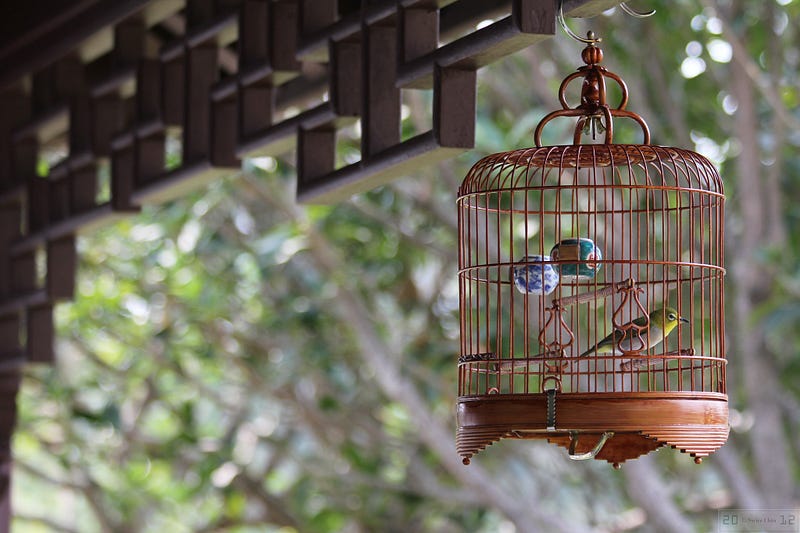
Songbird in a Cage — Can Pac SwireFlickr.

The ability to write effectively is closely intertwined with the act of reading.

Reading enriches our vocabulary, stimulates our imagination, and exposes us to various writing styles.

I’ve read with passion since I was a little boy, and I suspect I will keep reading every day until it’s time to cross that bridge. I’ll likely expire with a great novel clenched in my fingers.

Let’s discuss how we as writers must explore lives and fantasy worlds outside our own to write insightfully. Reading allows us to glimpse into other worlds inspired by countless authors.

You must know of the discrimination, hatred, shame, and physical violence to write about it infallibly.

Only Maya could have lived Maya’s life, but you can learn from it by reading about it.

You can feel how she must have felt as a Black girl living in a White man’s world in Arkansas, surrounded by hate and discrimination.

When dealing with hatred, you must know why face-to-face is better than nose-to-nose.

You don’t have “To Kill a Mockingbird” to know bigotry and hatred. You don’t have to feel “Pride and Prejudice” to know what Jane Austen felt. You could be “Beloved” by Toni Morrison to learn how to write a Pulitzer Prize-winning novel.

I could go on, but I think you get my point. You must read to paint effective pictures with words.

A Dance of Words

“The greatest part of a writer’s time is spent in reading, in order to write; a man will turn over half a library to make one book.” — Samuel Johnson.

Samuel Johnson’s words echo across generations, landing on the ears of writers.

Reading is not merely a leisure activity but an integral part of writing.

Every book we devour becomes a source of inspiration, enriching our vocabulary and helping us find the perfect words to convey our thoughts.

Through this dance of words from the pages of books, writers learn to craft their own unique symphony of language.

Expanding Horizons

“If you don’t have time to read, you don’t have the time (or the tools) to write. Simple as that.” — Stephen King

I’ve used this quote from “On Writing” by Stephen King, the master of modern horror, to emphasize the need to read many times in my writing.

Reading broadens our horizons by exposing us to diverse perspectives, cultures, and genres — both real and imagined.

It opens doors to new ideas and viewpoints, which, in turn, fuel our creativity as writers. Without the experiences gained through reading, our writing would remain stagnant and listless.

You Must Read to Learn from the Masters

“Read, read, read. Read everything — trash, classics, good and bad, and see how they do it. Just like a carpenter who works as an apprentice and studies the master. Read! You’ll absorb it. Then write.” — William Faulkner.

William Faulkner’s quote presents the notion that reading is like an apprenticeship for writers.

Every book we read teaches us something new, whether it’s how to develop a mystery novel’s intricate plot, a classic’s lyrical prose, or the gripping discourse in a horror or thriller.

By studying the works of literary masters, we gain insights into various writing styles and techniques that we can apply similarly in our stories. Not word-for-word, of course.

Final thoughts About Reading and Writing

The synergy between reading and writing is undeniable. As the quotes from Samuel Johnson, Stephen King, and William Faulkner illustrate, reading is not just a passive pastime but an active tool for writers.

It enriches our vocabulary, broadens our horizons, and provides invaluable writing lessons from literary giants and aspiring indie authors.

To write effectively, we must immerse ourselves in the classics, experience the simplicity of Indie authors, peruse and pore over poetry, and devour dynastic or dystopian dialogue from the world of books.

Whether it’s the poetic eloquence of Maya Angelou’s “I Know Why the Caged Bird Sings” or the compelling and almost realistic world of J.R.R. Tolkien’s Middle Earth, literature has consistently inspired and shaped the voices of countless authors and “wannabe” writers.

By embracing the enlightening power of reading, writers can find their own unique voice, captivate readers with their words, and truly understand “why the caged bird sings.”

Reading is not a solitary pursuit but an essential companion of writers. It is through reading that writers discover the magic, the meaning, and the melody of words.

So, pick up a book and let the “caged bird” within you sing its story.

That’s all for today. Please engage with my article by highlighting something you found interesting and commenting. Come back soon.

Alternatively, you could subscribe to get notified of all my new stories by email.

About the Author Photo by Jean Springs from Pexels.

Stephen Dalton is a retired US Army First Sergeant with a degree in journalism from the University of Maryland and a Certified US English Chicago Manual of Style Editor. Also, a Top Writer in Bitcoin, Business, Investing, Nutrition, Travel, Fiction, Transportation, VR, NFL, Design, Creativity, and Short Story.

Facebook | Twitter | Instagram | Reddit | Ko-fi | NewsBreak

Writing
Reading
Writing Tips
Illumination
Writers On Writing
Recommended from ReadMedium