
You, Me, and ChatGPT: AI and Automation as an Extension of Expression
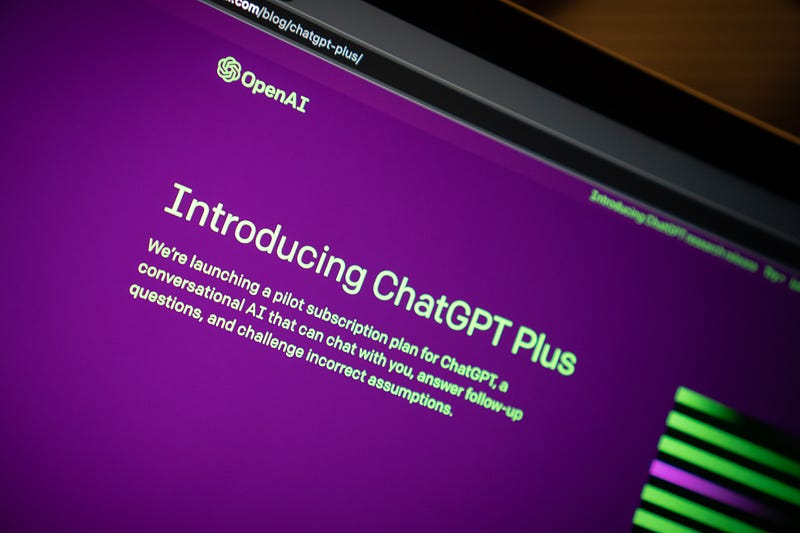
I don’t know about you, but for me, this has been the year of automation and artificial intelligence. Everywhere I turn, there is a new person concerned about the future of AI an, precisely, the popularity of OpenAI’s ChatGPT projects. As I am sure you have heard by now, this platform can generate text-based responses to written questions and queries.
Working in higher ed, the most significant concern has been students using ChatGPT to write responses to their homework and crafting essays, and I have seen several professors write about their problems in this area. Additionally, artists and creatives decry the machine learning behind this technology, arguing that AIs like ChatGPT are trained on stolen information and data.
Even as I reflect on the abuses of AI, I cannot help being excited about all of the possibilities of ChatGPT. For the past few months, I have been beta testing Google’s NotebookLM feature (and loving it!), and back in 2021, I wrote well over a hundred articles on all of the possibilities that automation brings to the world of data science, FinTech, and the future of Web3.
Even in my courses, I enjoy teaching students about the algorithms undergirding artificial intelligence and how we will see these technologies developing over time. Therefore, I am writing about why I am looking forward to the next phase of AI and automation, focusing on the media theorists who predicted these trends and the discourse around them, as well as how we can leverage the creative possibilities of these products even as we critique them.
Intro to AI and Natural Language Processing Algorithms
But before I get into the predictions and possibilities, let’s talk about what makes algorithms and artificial intelligence so interesting. When explaining how this technology works, I always group algorithms with artificial intelligence and machine learning with automation as the foundation of what we know as using data for predictive analytics. Predictive and even prescriptive analytics often mobilize robots, recommendation systems, and risk assessments across industries to inform data scientists, analysts, and everyday internet users on how to make decisions.
To put it simply, algorithms are simply the directions to be followed by a machine or entity to produce a particular outcome and usually reflect a statistical model of some sort, like linear regression, a network, cluster, or decision tree (there are many algorithms to choose from), which can be used to make predictions or decisions based on a collection of data. These algorithms are then implemented in a machine through artificial intelligence, which takes the model from the algorithm and gives it to a machine (like a robot or traditional computer system). That machine acts on the instructions from that model. Generally, most algorithms aim to simplify mundane and repetitive tasks for humans by automating those processes. Natural language processing algorithms (NLPs) are no different because we use them to make writing, researching, and communicating easier.
For example, NLPs are the foundation of things like search queries and the next iteration of chat-based artificial intelligence like ChatGPT because it is through NLPs that the computer can engage in discursive communication or back-and-forth conversation instead of one-sided communication. But we don’t just see NLPs in chatbots; they are also essential for auto-captioning and transcription services. So, if you have ever done transcriptions by hand, whether written or audio content, it is incredibly tedious. However, with NLPs, a computer can do it much faster by listening to human voices and immediately transcribing and captioning those words without needing someone trained in live captioning.
This is why NLPs also undergird any artificial intelligence or system that communicates with humans in their language, so we also see NLPs used when developing virtual assistants like Siri and Alexa. Because NLPs are more than capable of processing and analyzing large stores of information and data (aka Large Language Models, LLMs), like we see with Google search data and ChatGPT, or even when you are asking Siri questions, these algorithms can quickly traverse all of the information that they have access to and return it much faster than if you were to research that information on your own. Consequently, you can see how natural language processing algorithms also have the power to influence how we write, talk, and create while also representing a new era of automation for the information age.
Predicting Technology as an Extension of Man
When I first began to study language processing algorithms and automation, I was immediately reminded of the work of Marshall McLuhan and his predictions about how technology can change how we communicate and relate to each other. Next year is also the 40th anniversary of Understanding Media: The Extensions of Man, so I predict we will hear about McLuhan even more often in 2024. But, the primary argument that McLuhan makes in the book is that technology should be viewed as an extension of ourselves instead of viewing it as something separate or different from us. By viewing technology as a part of humanity, we can shift our focus from a deterministic view of the development of technology as reflecting the decline in society to natural progress towards a new way of being in the world.
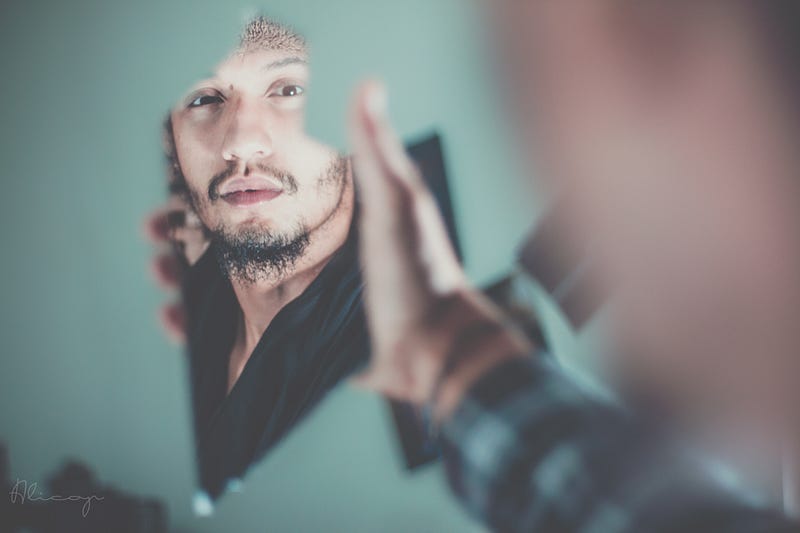
Using the Narcissus myth (a young man who dies after falling in love with his reflection), allegorically, McLuhan views humans as Narcissus in the story and the media we create as amputations or reflections of our physical bodies. Specifically, McLuhan writes that the “young man’s [Narcissus’] image is a self-amputation or extension induced by irritating pressures. As counter-irritant, the image produces a generalized numbness or shock that declines recognition” (43). Due to this conceptualization, McLuhan argues that any new technology created results in irritation or unforeseen adverse effects.
In Chapter 7 of his book, McLuhan states, “When the technology of a time is powerfully thrusting in one direction, wisdom may well call for a countervailing thrust” (71). Therefore, new technologies are counter-irritants created in response to the problems of the previous era. Similarly, much of the discourse around automation and AI has been focused on the negative outcomes of these tools and the adverse effects they will have on society, and this irritation has become visceral and apparent within media coverage and representation of these tools.
However, McLuhan does not dwell on the negative because he believes we are “being translated more and more into the form of information, moving toward the technological extension of consciousness” (57). McLuhan references the dulled collective unconscious or a heightened sense of consciousness when discussing this concept. For McLuhan, the view that media is moving us towards some overarching consciousness is especially indicative of the technologies developed within the electronic era. For example, McLuhan develops the concept of the “global village” to discuss how the internet and other networked technology have allowed communities across the globe to connect in ways that were not conceivable in previous eras.
At the same time, McLuhan does not end with a discussion of the technologies that we are familiar with. Instead, he ends Understanding Media with a look toward the past and the future with his chapter on automation. For him, automation is “the invasion of the mechanized world by the instantaneous character of electricity” (349). In its inception, automation was utilized in factories and assembly lines as part of the linear and regimented movement of the print era. However, in the electronic era, automation is no longer about the mass production of goods but of knowledge. McLuhan writes that “the electronic age is literally one of illumination . . . so electric automation unites production, consumption, and learning in an inextricable process” (350). In this sense, the inception of consumer culture that promotes the importance of the individual mind and not just his or her work also ushers in a new view of the education system.
As McLuhan states, “Automation makes liberal education mandatory,” and the ability to process different types of information in the electronic era has now taken precedence over specialized learning (357). In thinking about the current climate of automation and artificial intelligence, it can be said that many of McLuhan’s assertions have come to fruition, and there will be many more extensions of other parts of ourselves as we move into the future. With the development of AI in particular, media and digital literacy are even more critical today than in previous generations as we enter into an era of deep fakes and hallucinations generated by machines. This means a return to more holistic forms of education that prioritize critical thinking, liberal arts, creativity, and interdisciplinary learning.
The Art in the Era of AI
At the same time, McLuhan did not only view technology as an extension of ourselves but as a “new impact [that] shifts the ratios among all the senses” (64). It is this shift in the way that we sense or the way that we interpret the world that directly affects the extension of our being. Because our senses have been extended with technology, we want to use technology to keep in contact with those senses.
While most people are unaware of this dependence on utilizing the senses through media and technology, McLuhan considers artists the leading people in tune with these mechanics. He broadens the definition of the artist to include anyone “who grasps the implications of his actions and of new knowledge in his own time” (65). In this sense, the artist is aware of the changing media climate and uses that cultural awareness to create art or to use technology to access the collective consciousness.
While many artists have critiqued artificial intelligence and how it is being used to create art, in my courses, I have introduced students to how artists stay at the forefront of using technology to develop new works. For example, I have been exploring a group called DreamMachineAI on TikTok and YouTube, which creates videos with artists, DJs, creative directors, and diverse subjects to develop AI-generated visualizations and music. I also find them fascinating because they blend technology and culture in exciting ways, so I have included one of their videos below as an example to check out.
And technology has been a part of the art world for a while. My favorite section of every museum of modern art is the space for Media Arts, which includes diverse methodologies and mixed media creations, especially innovative installations and digital platforms. In the 90s and early 2000s, writing code was considered the new language for creativity and expression, proven by the influx of computer-produced artwork. From cyber artists to visual artists and game designers, programming and digitization were popular ways to create new art forms. Furthermore, both writing code and natural language processing algorithms can influence each other in various forms of creative expression. A few days ago, OpenAI launched its latest iteration, Dall-E 3, which can be used to edit and develop AI-generated art and responds to artists' concerns with the technology, showing that we will continue to see new programs and developments in this area.
ChatGPT for Social Good
This view of the expressive power of programming and writing code is also expounded upon in one of my favorite books, My Mother Was a Computer: Digital Subjects and Literary Texts by N. Katherine Hayles. In the book, Hayles writes, “The computer is not so much a machine as it is a mind amplification tool and a different kind of expressive medium” (Hayles 60). In this way, the computer is no longer solely a literary machine but can be compared to the artist’s brush or the writer’s pen as a tool for artistic expression. Learning to work with computers opens the door to more creative freedom over our technology, from programming a computer to drawing images to creating a hypertext novel. Similarly, artificial intelligence and chatbots can create a new avenue for creatives to engage with the computer again.
Building on McLuhan’s predictions in the 1960s and Hayle’s writing in the early 2000s, it is apparent that we are in a new era of the extensions of humanity. From literature to art, computers have created a means by which all forms of media can be combined. Through this process of improving and combining the various forms of expression, the computer has become a necessary tool for expression and social engagement. This is why I think it is essential to begin imagining the possibilities of what natural language processing algorithms and large language models can do in society. Although we have yet to arrive at a fully automated future, automation, and artificial intelligence are the future of communication and creative expression, and we must take hold of this new frontier.


