
You Get What You Resist
A Lesson For Writers In The Time Of The Pandemic
What’s the first thing writers learn when they sit down to study their craft? Write what you know.
Whether or not it’s the best advice, it serves us well as a starting point in our new career. It can also be our fallback position on those days when we face the blank page hoping for an original idea, and we’ve got nothin’.
We can always write about the time we got a pony for our birthday. Or, the time we asked for one, and we didn’t. When all else fails, tug on the heartstrings.
The pandemic has turned the writing lives of many of us on end, judging from posts I’ve read and conversations with friends. I went through my own trough half-way through my isolation when I couldn’t put two meaningful words together to save my life.
I came out of it, but my productivity is not where I want it or where it used to be before the sky started falling. This has affected my self-esteem — I like to think I’m a boss at cranking out words every day even if they aren’t worth reading. It’s also put a dent in my earnings because if I don’t write, people can’t read, and my bank account doesn’t go ca-ching at the end of the month.
I say that to make it plain that I understand all the pain writers experience during this dark and uncertain time. This pandemic has hit us where we are most vulnerable: our health and that of our loved ones, our livelihoods, our sense of security in our day to day lives, and for those who live by creating something out of nothing, the artists and creatives of the world, our ability to continually tap into our imaginative source.
I see this most clearly where the virus shuts down writers from talking about the elephant in the room.
I’ve seen a pattern in the coronavirus genre. At first, many of us jumped on the bandwagon to give our two cents about this looming crisis. After all, it’s what we do: write about what’s trending or meaningful in our lives.
And then we seemed to have reached a boiling point. Comments in Facebook groups and other places online indicated writers were sick of writing about the pandemic. They also believed their readers were sick of reading about it. But with the virus taking up the daily bandwidth, they had nothing else to write about.
Deep inside, I knew there was a flaw in this thinking. Perhaps it was because I wasn’t done penning my thoughts about threatening events that were evolving faster than we could absorb them. Maybe I felt a scold in the plea to stop all the articles about the virus. People said we were capitalizing on the story or overworking it to death.
And then, the actual crisis overwhelmed us all. The death count country by country, the lockdowns, the job losses, the shortages in grocery stores. We were all thinking, how did we fall into this abyss in the space of a few weeks?
Who wanted to write about this worldwide catastrophe any more? Who wanted to read about it? Can we have some uplifting pieces seemed to be the plea from many writers?
Okay, I thought. Name something uplifting to write about. Other than how to make sourdough bread from scratch and alternatives to toilet paper, not a whole lot else was trending. Writers said their stats had plummeted, if they were saying anything at all.
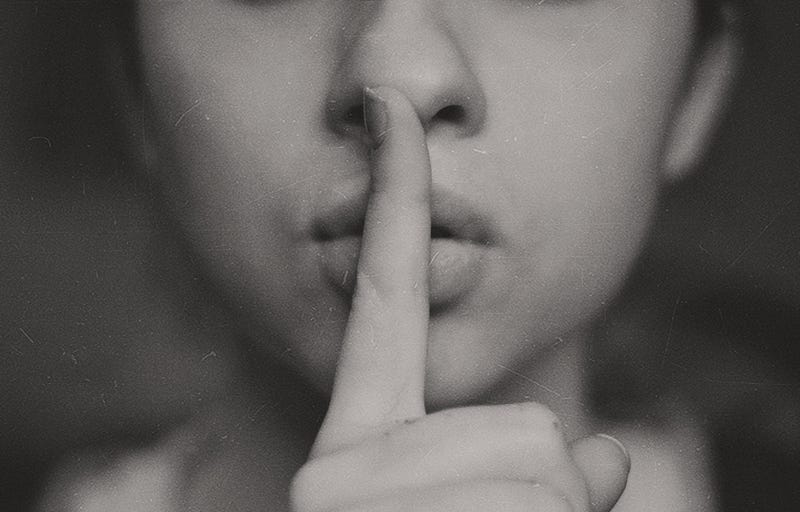
So here’s what I know about that. You get what you resist.
The day you decide to give up cookies because you’re eating too much sugar, is the day every TV commercial is pushing a picture of freshly-baked cookies coming out of someone’s oven.
Your mother stops by with a package of chocolate chip cookies she got on sale for you. Your kids come home from school and say they need cookies to take to the bake sale tomorrow.
Now, these things happened all the time in your life, but it wasn’t until you decided no more cookies that they loomed as large as the Goodyear blimp.
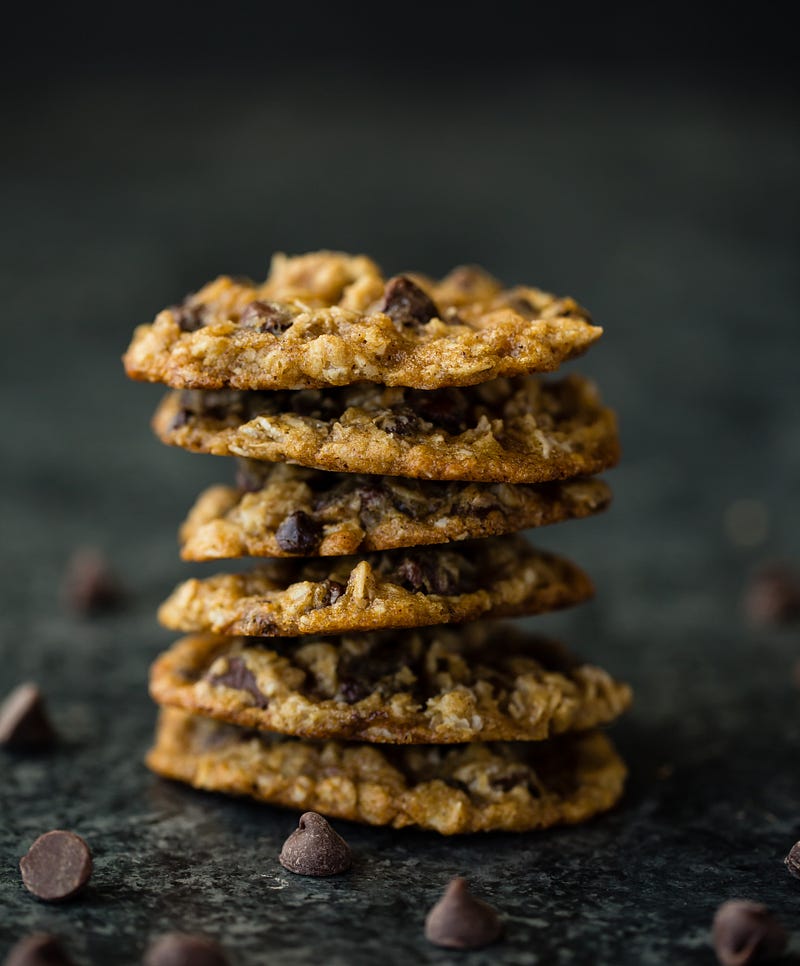
Cookies became the thing you obsessed over all day, tempting you to break your vow to stop eating so much sugar.
All because you decided to resist sugar.
But you know this, so why am I telling you about dieting and cravings? Resistance works the same way in all areas of our lives. As soon as you decide you can’t/shouldn’t/won’t write about the virus, resistance to writing about it takes over your life. You begin to feel frustrated because you don’t know what else to write about, as if, in deciding not to write about the pandemic, suddenly every other topic became off-limits to your imagination.
You run through a few topics each morning and decide they weren’t relevant for one reason or another. Writing becomes harder and harder as you convince yourself nobody wants to hear anything else about the virus. What could you say that would offer a new perspective or insight?
And it seemed you had a lot of agreement because so many other writers were saying the same thing, so you were justified in not writing about the virus. Yet, that wasn’t helping you think of something to get your mind off your isolation, growing debts, or the whole terrifying future.
And the more this problem grew, the harder it became to write.
If this is your quandary, I have one question for you. Why is it all the newsfeeds and commentaries and papers are filled with headlines about the virus? They don’t seem to have any trouble coming up with stories to feed their readers’ insatiable curiosity and need to know what’s going on.
They publish human interest stories about the lives of people affected by every aspect of the pandemic, and we can’t seem to get enough. Even Medium has their own virus blog now and they make articles free to the general public.
So the idea that people don’t want to hear about the very thing that’s controlling their lives doesn’t seem to hold water.
If you look up old newspapers from the days of World War II, you will find the front pages filled with stories of the war effort. Every single day, the front pages reported on battles, troop movements, the latest Hollywood heartthrob to sign up or mount a campaign to sell War Bonds.
The nation was gripped in a fight against a common enemy. It was all we cared about, all we thought about. The war affected everyone. If you didn’t have a son or father or brother in the war, you knew someone who did and you cared about their well-being. Everyone tried to get gas and sugar and butter after they’d spent their ration cards for the month.
No doubt Americans were tired of the war news and just wanted to laugh to Jack Benny on Sunday night. But their lives were inexplicably intertwined with the war and they lived out many of their concerns by reading the articles in the paper or the reports on the news at night on their radios.
The pandemic is not a local event, as we all know. For the first time, we have an audience of 7 billion for our stories. Writing is a two-way street. We write for ourselves, of course, but we also write for our readers. We express the experiences and emotions our readers can’t.
Readers consume virus stories to confirm their own experience. Nobody knows how to live in these times. Is it okay to watch TV all day? To berate out kids for not doing their chores like before? To sleep in and wear PJs till noon because, well, you live alone and who’s watching?
Psychologists will break this all down in the years to come. The right way to do isolation and negotiate a pandemic. But we are living it; we’re writing the rule book. Why should we keep our experiences to ourselves? Readers are grateful to know they aren’t alone, whether they feel grateful they don’t have the virus and worry they don’t have enough compassion, angry at the powers that be that aren’t protecting them, or are wallowing in self-pity because they just can’t manage it all.
Writers are feeling those same things at one point or another. It’s our job to document it the way Samuel Pepys did during the London fire. Some people will read it, some not. Some will reject stories one day and be moved to read them another. It’s not our job to determine what they want. It’s our job to put out our stories for them to consume when they are ready.
It’s our job to write our stories that need to come out so that we clear our internal pipeline for other material. So we can tell about the grief we feel when the anniversary of the death of a loved one rolls around, the joy of the birth of a grandchild, or the wonder of planting a first garden.
Yes, there is life among the bad news and restrictions of the pandemic. And if we free ourselves to write about all of it, virus included should the impulse arrive, it’s possible we can free up all our stories in the process.
Writing is hard enough in the best of times. Isolating myself in my apartment for the duration makes sense to protect myself from a deadly pathogen. But locking up my creativity and banning a topic from my stock of potential articles is not a price I’m willing to pay.
If readers don’t want to read what I have to say about this time in our history, I fully respect their choice to pick other pieces. I hope they will check in with me when I write about my family or my exercise routine.
I wish everyone well, however they approach this challenge as we all struggle to cope and survive. I’m looking forward to seeing everyone at the end of this time, and I’m eager to know how you are all doing. Shoot your stories to me because I’m an audience for your virus stories. I’d like to know I’m not alone as I struggle to cope and stay sane in a world I thought I would never have to live in.
I’m an editor and writer on Medium with Top Writer status. I’m also an editor for the publication, Rogues Gallery. I’ve published 55 titles on Amazon and edit for private clients. If you’d like to hire me as your editor for fiction, non-fiction, or business writing, please contact me here. If you’d like to read more of my work on Medium, click here to sign up for my newsletter. I’ll make sure you don’t miss a word. Thank you for reading.