
Inspiration and Life
You Can Take Control of Your Day
Regain your productivity with this simple step
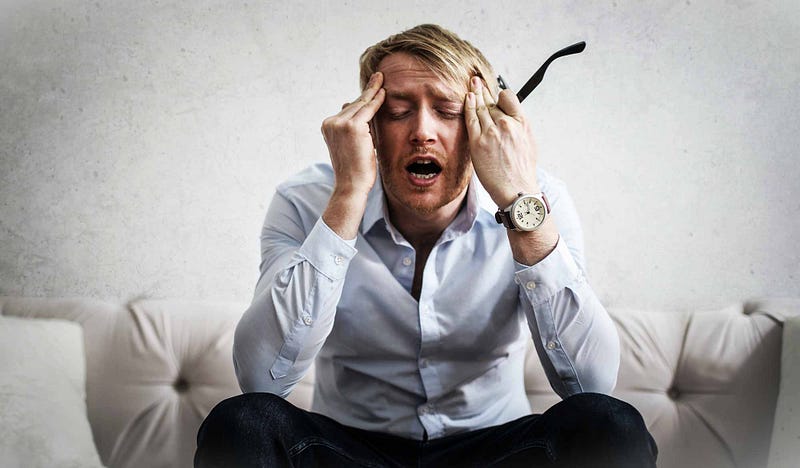
Do you ever reach the end of the day and wonder where it went? It happens to everyone. The day simply flies by!
What can you do when you have days that are over before they begin? Let’s look at this phenomenon and how to regain control of these all-too-common occurrences.
Losing control
Many of us have days where we arrive at work, and before we know it, It is quitting time. Where did the time go?
Meeting after meeting, project after project, phone call after phone call, email after email. The day ends with little or nothing accomplished. Or at least it seems that way.
It happens to the best of us, and the result is usually the same. We leave work exhausted, chalking it up as “just another one of those days.”
Why does this happen to us? It’s as if we have no control over our time for the day. Something or someone relentlessly pulls us in different directions.
But it doesn’t have to be this way. Imagine being able to slow down, catch your breath, and clear your head. Is it possible? Absolutely!
Taking control!
You can stop the madness when you find yourself amidst one of “those days” by stopping, breathing, stepping back, and taking control of the reins.
Paying attention to what is happening can halt the insanity, if only for a short time. By slowing down, you take control away from whatever is consuming you. This lets you choose what to do next rather than staying trapped in that maddening, highly reactive mode.
There is an old saying that contains much wisdom:
“Go slow to go fast.”
A more modern version of this comes from a book titled The Fifth Discipline, where one of Senge’s 11 laws is “Faster is slower.” Senge also said:
“The faster we go, the slower we need to be.” Peter Senge. (1947-present)
If you don’t stop to think, you’re not thinking at all. Better to think than not!
The following exercise can help you slow down and think when the day gets out of control. It takes only a minute or two and can put you back in the driver’s seat.
Exercise
When you find yourself in a rush, stop whatever you are doing and notice your breathing. Pay close attention to it, as it is likely very shallow. Physically step away from where you are. Go to another location or step outside if possible.
Take control of your breathing. Breathe in slowly through your nostrils to the count of four. Breathe out slowly through your mouth to the count of four. Pay attention to the calming effect on your body and mind.
As you inhale, say in your mind, “I am in control.” As you exhale, say, “I release my tension.” Repeat this several times.
As you continue breathing, change from “I am in control” when you inhale to “I am calm.” As you exhale, continue to release any remaining tension.
Notice the effect this has on you. You will experience a change in your body and psyche in only a minute or two.
This simple breathing or mindfulness exercise will return control of your life to you and restore your energy and sanity.
Watch or listen to the following short video as an alternative to this exercise.
“Mindfulness isn’t difficult. We just need to remember to do it.” Sharon Salzberg (1952-present)
Bonus exercise
If you wish to enjoy even greater relaxation, practice a technique called lightening the eyes.” To do this, notice the tension you carry around your eyes and relax them. As you feel the relaxation in and around your eyes, do the same for your forehead. Next, completely relax your jaw.
Try it now. It only takes a few seconds. If you have more than a few seconds available, carry this exercise to your shoulders. From there, carry it down through the rest of your body. Just don’t fall asleep!
The next time you are in a meeting, on the phone, or in a conversation with someone, try lightening your eyes. Like many others, you will be amazed at how much tension you carry that usually goes unnoticed.
Final thoughts
Could the reason you are exhausted at the end of the day come from being so caught up in activity, reacting to one thing after the next, that you do not breathe properly and do not give your mind the necessary breaks? Think of the stress and excess tension you carry because of this.
There are times in our life when stepping back, calming down, and regaining control of your body and mind is vital. It is important not only to your productivity but also to your sanity and health.
Most people who practice mindfulness exercises return to their work invigorated with a clearer mind. The few minutes you spend taking care of yourself by slowing down will be paid back with far better performance.
The next time you step into the “arena,” become more mindful and enjoy the benefits. There are plenty of other ways mindfulness can help you in life. Studying it is a worthwhile pursuit. Besides, it is not only good for you, but it will also benefit everyone else in your life!
“Take time for all things: great haste makes great waste.” Benjamin Franklin (1706–1790)
BillAbbate| LinkedIn |Twitter| Medium| Facebook| AmazonAuthorPage | Parlor | Truth
Bill Abbate Leadership Writer and Editor in ILLUMINATION
Thank you for reading this article! If you enjoyed it, please check out the others below!


