
You Can Still Splash About in Unsplash
Just don’t make any waves. Here’s what you need to know
Unsplash usage rules, Terms and Conditions and the like have not changed. Just the surroundings (Getty Images).
This article concerns using Unsplash in your Medium article-writing context.
One important, not so evident, observation…
When you access Unsplash from within your Medium article (using the Unsplash interface facility provided), you are doing so through Medium as the registered Unsplash user.
It’s not you. You are one step removed. Medium, in essence, is your proxy registered Unsplash user.
So why does that matter?
Well, for one thing, the image that Medium plonks into your article, is not the same as the one stored in Unsplash. Visually it is, but has been massaged, whittled down, then stored locally for rapid access purposes — perfectly reasonable thing to do.
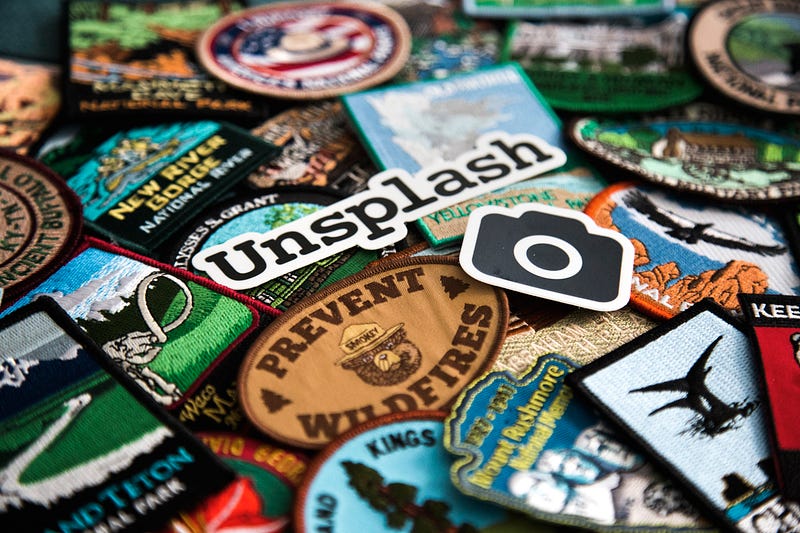
For example, this article’s main image above is available directly from Unsplash, with dimensions of 5472x3648 pixels, occupying 5.84MB (MegaBytes) of storage, enabling ample opportunity for creative uses of the image.
Once plonked into the article, however, the Medium version is (when you try to save-image-as) 800x533 pixels occupying 0.148MB — not particularly conducive to creative uses, let alone commercial exploitation!
For another thing, Unsplash doesn’t know anything about you. It’s interacting with Medium. This could conceivably have accountability ramifications, but if you stick to the rules, you are very unlikely to be confronted with any thorny issues.
Stick to the rules. OK, what are they?
These are Unsplash rules, and here we will quickly dissect them. They apply to all Unsplash users, but if you only access Unsplash through Medium, some simply won’t be applicable.
Reproduced below is the Unsplash Longform license:
Unsplash grants you an irrevocable, nonexclusive, worldwide copyright license to download, copy, modify, distribute, perform, and use photos from Unsplash for free, including for commercial purposes, without permission from or attributing the photographer or Unsplash. This license does not include the right to compile photos from Unsplash to replicate a similar or competing service.
Terms used include:
- irrevocable — cannot be revoked. It’s yours forever. This means, for example, that if the owning photographer decides, for whatever reason, to take down or reclassify the image, you are not affected. The mage won’t mysteriously disappear from your article. You’re using Medium’s whittled down version, remember?
- nonexclusive — you have no ownership rights. Anyone else can download and use the image with impunity (within the rules).
- worldwide — any geographical area — there could be local rules, though.
- download, copy, modify, distribute –seems clear.
- perform — I do not know what it means to perform a photo.
- commercial purposes — expressly for the purpose of conducting commercial transactions. If you are sticking to the ‘editorial’ use as in Medium articles, this tag is very unlikely to apply.
- to replicate a similar or competing service –grabbing a collection of Unsplash images and setting up your own photo web site. Well, if you are grabbing them through the Medium interface, you’ll end up with some very low resolution, restricted usability photos. Don’t bother.
Interestingly:
- The Longform includes the clause: without permission from or attributing the photographer or Unsplash. Medium, however, includes it with the upload.
- Apropos of nothing, the Terms and Conditions stipulate that: The Service is designed for use by people who are at least 13 years old. If you are not yet 13, then you can’t use the Service, followed by some caveats. Question: Are there any under-13 Medium writers, and if so, so what?
Scenarios that should not affect you…
There are some confounding, arguably arcane or esoteric, scenarios covering celebrities and well-known brands, but these would only come into effect when being used for commercial purposes, so if you stick to Medium stories, you should be in the clear.
Getty Gotchas (Unsplash+?)
Getty Images has ‘acquired’ Unsplash. But that only means Unsplash is an additional source of photos available to users. Unsplash is still an independently run service.
What it does mean, though, is that, during your searches, you may (will) be presented with alternatives (sponsored content) whilst you are browsing Unsplash. Just be aware that, if you follow any of these alternatives, they’re not likely to be free.
Of particular note, is an additional layer added to Unsplash searches. It’s called Unsplash+. Photographers can elect to submit images to Unsplash+, instead of Unsplash Free — presumably because they think they are a bit special.
These are identifiable by an Unsplash+ tag overlaid on these images. You need to have established a monthly subscription to access them.
Summary
Using Unsplash through the Medium interface is safe, and very unlikely to cause any usage issues.
If, however, you access any high-resolution images directly (outside of Medium) from Unsplash (or any of the other Getty Images alternatives), you would be well advised to thoroughly scrutinize the license conditions, especially if you are embarking on a bit of creativity.


