
You Can Live In Los Angeles On $2,500 A Month
And you can live well
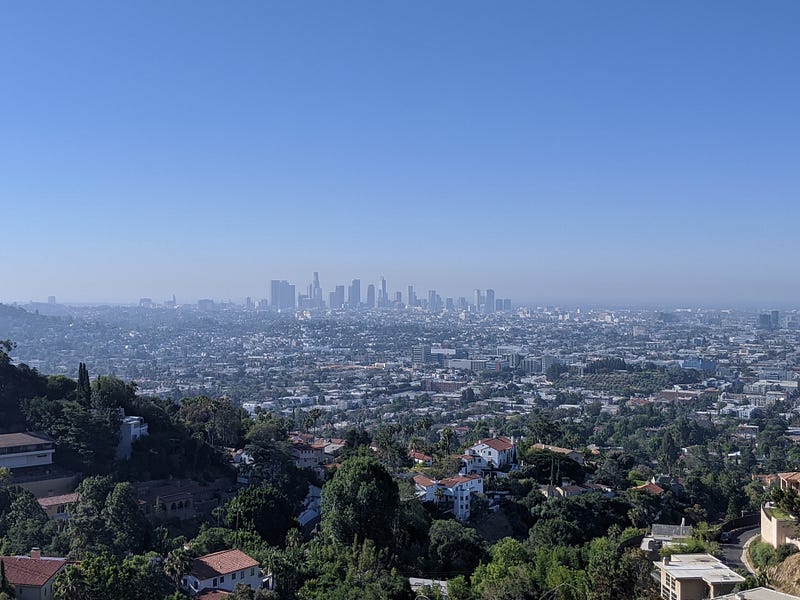
When I write about retirement, readers often question my sanity for living in Los Angeles. They tend to argue that I’m crazy for living in such an expensive city. That the key to a million dollar retirement rests largely in your expenses. And where you choose to live dictates your monthly outlay.
I disagree.
With the exception of Manhattan and San Francisco, you can live — and live well — on $2,500 (or less) per month.
Consider my situation.
I live in a neighborhood called Melrose Hill, which sits inside East Hollywood, in Los Angeles.
While there’s no doubt my neighborhood is on the gritty side (think a less walkable East Village back in the day), it’s also lined with million dollar Craftsman homes and some of the best restaurants in the city. It’s adjacent to some of the most popular/desirable neighborhoods in Los Angeles, from Silverlake and Koreatown to Larchmont Village and Hancock Park.
I pay about $1,350 a month for a small studio in a 1924 building just steps away from the tree-lined street where the Craftsmans are. When you factor in the rest of my obligations (car payment, some low-interest debt, groceries, utilities, discretionary spending), my total monthly expenses come to roughly $2,400 a month.
Generally speaking, I direct whatever I have left over at the end of the month to savings and investing.
I live well. I have few complaints.
But I want to live better
And I plan on doing that by moving to Portland, Oregon, mid-to-late next year.
I’m not leaving Los Angeles because I don’t like it.
I’m not leaving Los Angeles because I can’t afford it.
I could spend the money (upwards of an additional $1,000 a month) to live in one of the aforementioned tonier neighborhoods. But I choose not to.
I choose not to because I’d rather have that money to save and invest or do anything I want.
I’m moving to Portland because knowing what I know about that city — and I know it well — it will provide me a better quality of life. I cherish walkability and cool, cloudy, misty weather. That — and fewer people — are my main reasons for the plan to head to PDX.
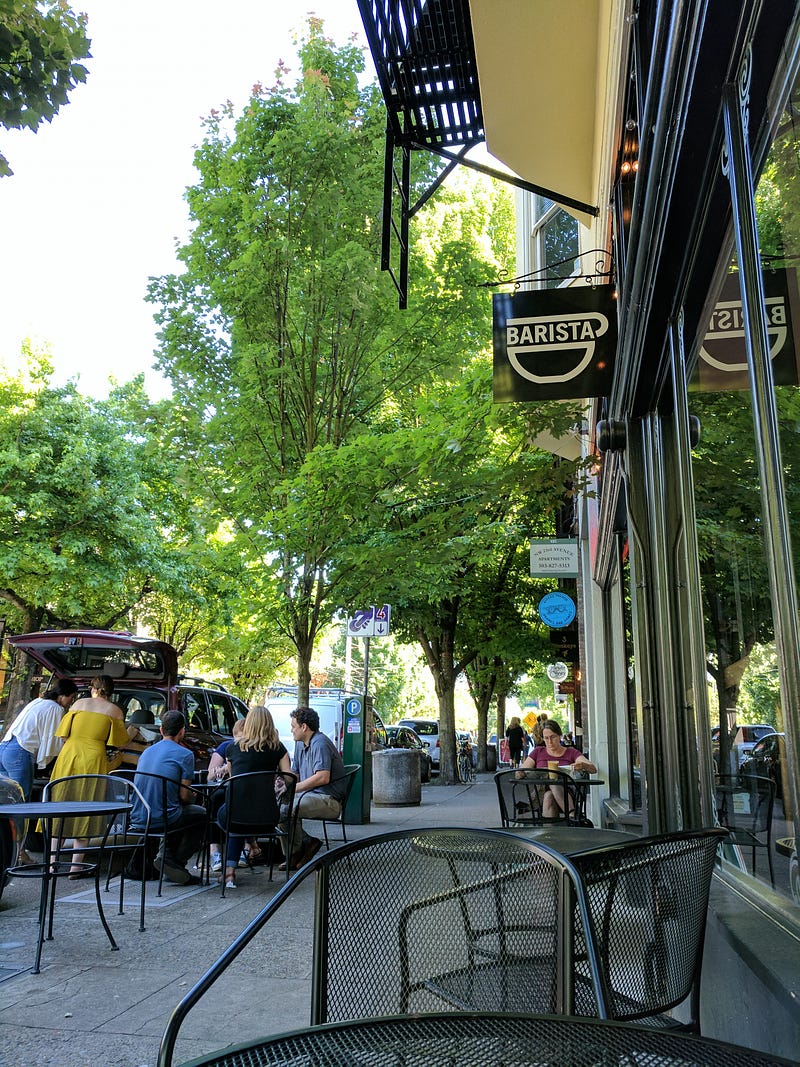
I could spend typical Los Angeles apartment rent ($2,000 or more) in Portland. But, here again, I choose not to.
Neighborhoods such as the Pearl District provide the opportunity to pay what you would pay to rent in Los Angeles’s pricier districts.
I’ll end up paying about what I’m paying in California (a little less or a little more) on an apartment that’s probably going be much newer, slightly larger, and in a hyper-walkable neighborhood.
It’s not about the cost of living, it’s about your lifestyle. The choices you make should define your lifestyle, not the material things you have.
When I get there, I will have wiped away the car payment and debt. These actions will bring my monthly expenses to about $1,700, before saving and investing. That’s just $20,400 a year to live in one of the best cities in America. I could stay in Los Angeles and chart the same course.
As I type this, it all seems a bit too basic. But it has to be said. Because there’s so much talk about how expensive it is to live in America’s big cities.
Again, take Manhattan (okay, Brooklyn, too) and San Francisco out of the mix, and you can afford to live in most places in the country. You can do it on what looks like a paltry salary or wage.
It’s not about the cost of living, it’s about your lifestyle. The choices you make should define your lifestyle, not the material things you have.
If you need a big apartment in the “best” neighborhood or fall for the trap of home ownership, you will undoubtedly come in far above the average monthly cost to live in Los Angeles or, for that matter, Portland.
It goes back to the choices you make.
I know people who spend upwards of $2,000, $3,000, even $4,000 a month to live in a big- or medium-size city. When you’re dishing out that much on housing, of course your town becomes an expensive place to live.
My reality — and the actual reality — proves that most people can make it work, and work well in the most vibrant urban environments.
This article is for informational purposes only. It should not be considered Financial or Legal Advice. Not all information will be accurate. Consult a financial professional before making any significant financial decisions.