
MUSIC | SEXUALITY | LIFE | FAMILY | EQUALITY
You Can Learn a Lot From a Chicken: Hen Studies 101
The truth about hens and their relationships with roosters
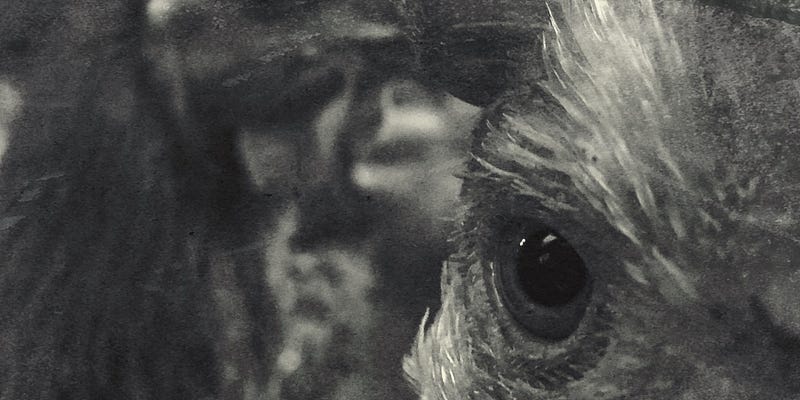
My chickens and I live in Portsmouth, “The Hometown of Miss Ruthie Brown.” We are a small city surrounded by much larger and more prosperous cities.
But the people — and chickens — who live here are special. Ours is also the only city in the area that allows people to have backyard chickens. But we must have only hens. No roosters allowed.
Introduction to Hen Studies 101
My two older hens, Gracie and Bessie, are the only ones who ever grew up with roosters.
Blanche, Pearl, Emily, and Amelia have only seen roosters in my book illustrations. And although they have never said one way or the other, I think they are quiet fine with that because of a song by Ruth Brown. (Much more about her and the “Hey Mama” song later with a video version.)
Baby chicks
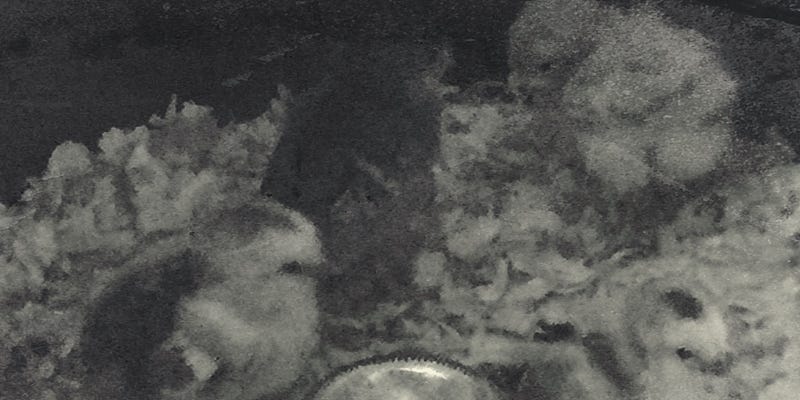
From the time they hatch, it appears baby chicks know whether they will be a hen or a rooster. It is not so easy for people to know. For the first day or two, there is a subtle difference in their wing feathers, but that difference soon disappears.
When they are young, baby chicks only care about who makes a good friend for playing. My original baby chicks were Gracie, Bessie, Lefty, The Emperor, The Empress, and Rudy.
There was always a competition between Bessie and my boy Lefty. He wanted to be first at everything, but Bessie was determined that wasn’t always going to be true. I love her all the more for that.
Pullets and cockerels
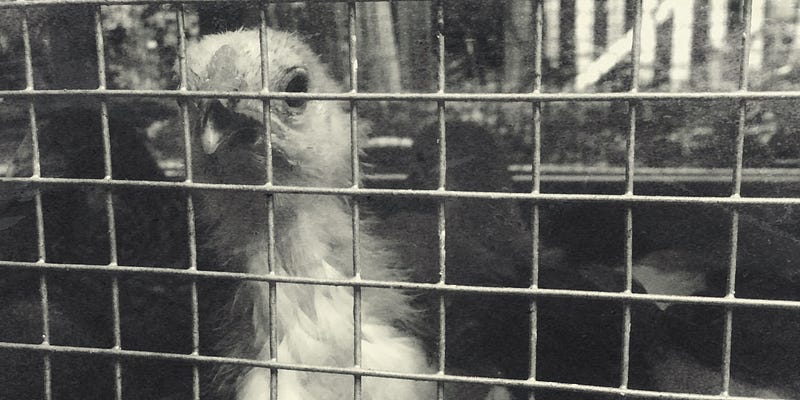
When baby chicks grow into those awkward teenage weeks, they are much easier to identify as pullets (future hens) and cockerels (future roosters).
The combs and wattles of cockerels grow faster than those of pullets. When walking, a pullet’s legs will show as being farther apart as they gradually mature. This is to help them lay eggs more easily when it’s time.
At this stage, young love can blossom for some. The Emperor and The Empress began to spend most of their time sitting side-by-side and watching the others who didn’t understand why the two of them seemed to have given up playing.
Hens and roosters
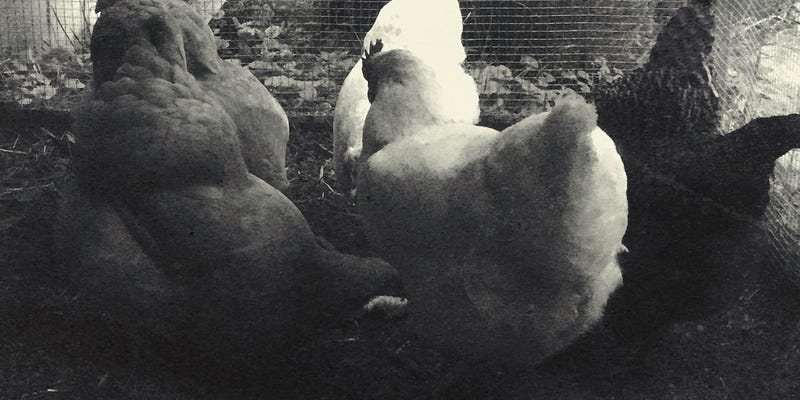
A pullet becomes a hen when she lays her first egg. Not all breeds will begin laying after the same number of months, and there are even individual differences within a breed. Although Bessie and Gracie are both Buff Orpingtons, Bessie laid her first egg and became a pullet several months before Gracie.
A cockerel becomes a rooster when he is one year old, and you can’t rush a calendar. This was rather frustrating for Lefty. He thought that as soon as he learned to crow he should have all of the “rights and privileges” that went with being a rooster.
Not so, best little buddy. Not so.
Gracie and Bessie would have none of that. They did not want a casual date, they did not want to go steady, and they definitely did not want to get married.
Eventually Lefty and Rudy moved out to a farm in the country and started their own little family. Then when The Emperor began crowing, he and The Empress moved too.
Without Lefty as the flock leader, Bessie assumed that role. She even tried to crow like Lefty, but no sound ever came out. It was the one competition she would never win.
Bessie has always been an amazingly brave leader and even defended everyone against a feral cat. Her comb became floppy in the back after that, but everyone was safe.
Lefty could have done no better.
And this is where “Miss Ruthie Brown” comes in
Gracie and Bessie have mixed feelings about roosters. They have never really decided which was better: raising a family with a rooster or not being worried by an annoying rooster.
Whenever Gracie and Bessie ponder this, they will say, “Please put the ‘Hey Mama’ song on our record player.”
It’s a definite toe-tapper from “Little Miss Rhythm” and explains things perfectly.
Gracie and Bessie like to sing along on the chorus because, Baby, they know roosters. Pearl enjoys Ruth Brown’s entertaining facial expressions that say just as much as the words do. All of my chickens wish they could play a tambourine like she did.
There is always lots of wing flapping once the song is over because we are absolutely sure this amazing performer had lots of hens and roosters, pullets and cockerels, and little baby chicks in her backyard when she grew up here in Portsmouth.
When I asked Gracie and Bessie what they had to say about their experiences, this is what they told me:
“In the end, whether you hatch as a hen or rooster should not matter. What matters is that you are a friend.”
This article is part of a series. You can view the full list of available articles here.
Will I be able to keep my promise to have the word “chicken” at least once in every Medium story? Find out by subscribing to Medium today as a reader or writer — or both!


