
You Can Have it All
And other lies we tell ourselves
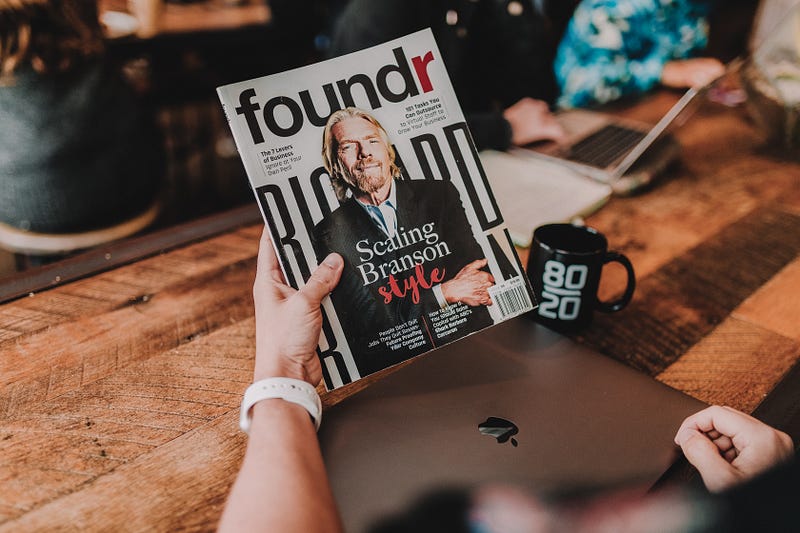
Yet another ‘self-made’ billionaire was announced on social media today. As I scrolled through the hundreds of comments, I came across ‘Every day I hear news about people leaving their jobs and becoming billionaires…it has a negative effect on me…I no longer love my job as I used to’. There were plenty of other comments echoing this one. There were also plenty of others; praising the author (Businessweek) for posting this piece of ‘inspiration’.
Living in today’s world we are told that if we just try hard enough, we can have it all; which is basically saying that if you haven’t ‘made it’ yet, you’re just not trying hard enough — in other words, if you’re not ‘there’ yet, you are a failure; you are lacking and less valuable as a human being. We are constantly faced with messages that winners quit their day jobs to become ‘more’.
Now, let’s think about this rationally for a minute. Let’s say, for argument’s sake, that ‘they’ are right; that we CAN have it all — each and every one of us. Millions of millionaires and billionaires going about their daily business and living their lavish lifestyles. But wait, who will serve them at the local cafe? The barista and all the waiters/waitresses have quit. What about the mechanic that services their Bentley? Gone fishing. And the Personal Assistant? Off to an all-week massage and spa retreat.
Words like ‘ you can have it all’ — are like fairytales for adults; the only difference is that children can distinguish between fantasy and reality. So why do we believe these messages so naively? Why are we so sold on the idea that we’re supposed to hate our lives? That nothing is ever good enough. Not our job, not our partner, not our house, car or phone. We’re always chasing after the next best thing, the latest trend and technology.
What is this mentality really doing to us? People call these aspirations goals — I call them soul-killers. Buying into this way of thinking makes most people miserable, it takes all the joy out of life. It changes your perspective on how you see what you have. Suddenly, everything you have right now seems dull and unbearable. You don’t allow yourself to enjoy what you have because you don’t have what you ‘really’ want — more. Yet, we rarely ask ourselves why we want more. And when we get more, why do we want even more.
Look, I’m not naive, I understand the need for money, I also have to pay the bills, just like everybody else. But I am actively reassessing my belief system in relation to wanting more and my relationship with consumerism. Most importantly, I’m asking the question ‘what really matters to me and why?’
I’ve become much more aware of the purchases I make (or choose NOT to make). I ask myself if I really need this — not if I can afford it; this is not my primary objective. I ask whether my purchase will have a negative impact on the environment or support an unethical business (or country). And if I still choose to buy, I ask if there’s a better alternative.
For example, I’ve worn the same two pairs of tracksuit pants (at home) for the last five years — the fresh holes were unrepairable — so I decided to buy a new pair. I could have opted for a quick $20 cotton blend bargain made in China, but I decided to go with an Australian brand, made in the only remaining mill in the country, out of organic cotton. It cost me a lot more money, but when I took everything into account, I thought it was a bargain — considering it will be a very long time before I will be needing another pair.
It’s healthy to re-examine our mindsets and beliefs from time to time. I hope I have inspired you to reassess what’s really important to you and how you look at what you have in your life. Wanting less might be the answer to your happiness; even if it goes against everything you have ever been told about success.


