avatarNanie Hurley 🌿

Summary

The webpage emphasizes that a balanced plant-based diet can provide all the necessary protein without the need for meat.

Abstract

The article "You Can Get All the Protein You Need From Plants" asserts that meat is not the sole source of protein and that a healthy diet can be maintained through plant-based protein sources. It highlights the variety of plants that are rich in protein, including pumpkin seeds, peanut butter, tofu, and legumes. The text suggests that combining these with whole grains and a variety of vegetables can create a nutritious meal. It also addresses a common question faced by vegans regarding protein deficiency, reassuring that a well-planned plant-based diet is sufficient to meet protein needs.

Opinions

  • The author believes that protein from plant sources is healthy and abundant.
  • It is suggested that meat is not necessary for good health or adequate protein intake.
  • The article promotes the idea that protein can be found in a wide range of plant foods, not just the commonly known sources like legumes and nuts.
  • The author encourages the consumption of a diverse array of plant-based foods to ensure a balanced intake of protein.
  • There is an opinion that vegans, or those on a plant-based diet, need not worry about being protein-deficient if they eat a variety of foods.

You Can Get All the Protein You Need From Plants

Plant-based protein is healthy
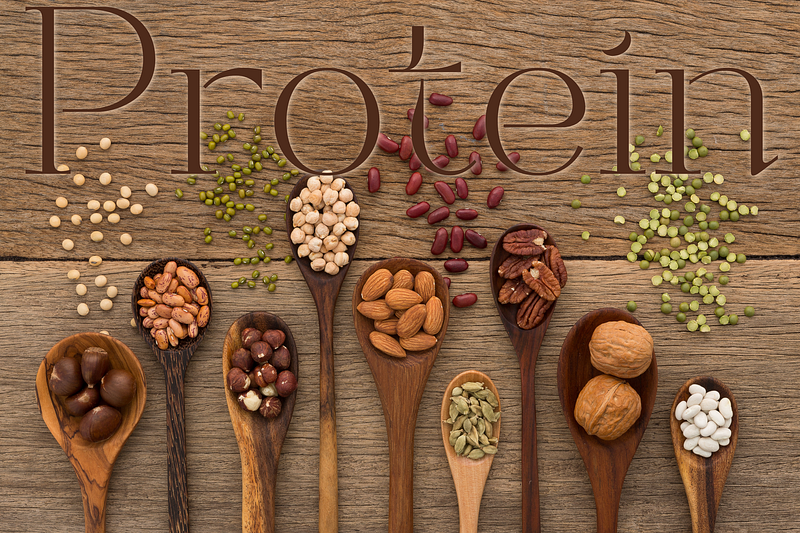
Protein from plants? Yes, sir! | © Image credit: Nanie Hurley 🌿 with CanvaCC-BY using image by kireewongfoto from Getty Images Pro.

Meat isn’t the only source of protein; neither is it necessary for good health. Protein comes from everywhere, including whole grains, legumes, and nuts, but also from (almost) everything else, albeit in smaller quantities. You can add lots of plants to your diet without compromising on protein.

Here are some excellent options for getting protein in your diet from plant sources (per 100g): pumpkin seeds (24.5g), peanut butter (21.9g), tofu (17.3g), chia seeds (16.5g), chickpeas (8.9g), black beans (8.9g), quinoa (4.4g), wholemeal bread (12.5g), pasta (5.8g), sweetcorn (3.4g), broccoli (2.8g), brown rice (2.5g), oats (2.5g), potatoes (2g), and even sweet peppers (1g).
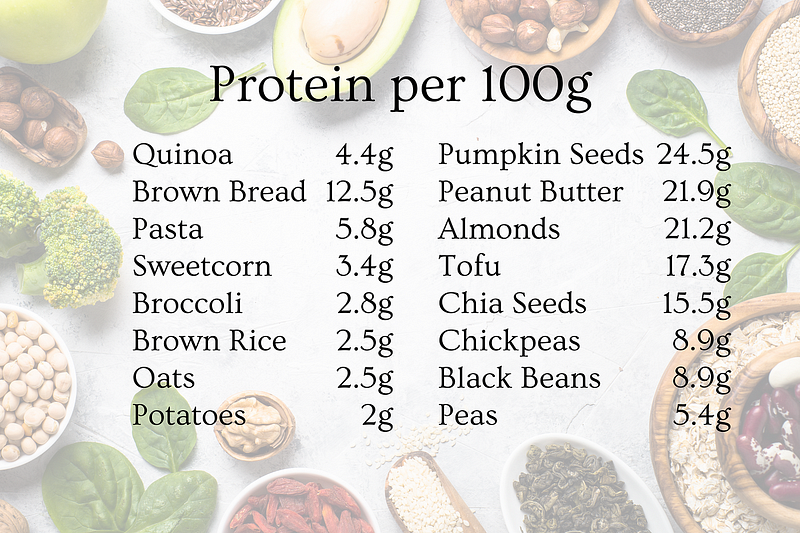
Where do vegans get their proteins? Everywhere! | © Image credit: Nanie Hurley 🌿 with CanvaCC-BY using data from MyFoodData Nutrition Facts.

Legumes, seeds, and nuts are your primary plant source of protein; pair them with whole grains, and then go crazy with a rainbow of veggies to create a delicious and nutritious plant-based meal.

Eating plants won’t make you protein-deficient. You can eat your veggies without worries!

Health
Healthy Lifestyle
Vegan
Veganism
Plant Based
Recommended from ReadMedium
avatarJillian Amatt - Artistic Voyages
Sharing Food From My Garden

Sharing Food April 2024 Wrap-up

8 min read