
You Can Find Notorious Strumpets and Dangerous Girls in This Library
How a chance glimpse of a book turned disappointment into a fascinating afternoon

In April 1795, the courts sentenced Ann Bryne to 7 years. Convicted of selling a petticoat that had been stolen from Mrs. McCawley, which she could not give a satisfactory account how she came to be possessed of.
In July 1803, the courts sentenced Ann Allen to 7 years. Convicted of stealing some towels from the house of A. W. H. Humphrey Esq.
In February 1810, the courts sentenced Margaret Hughes to 7 years. Convicted of stealing from the person of Joseph Fleming a watch to the value of £8.
These were typical sentences for criminals of the day. There are few people today who would consider their punishment legitimate or proportional.
If it happened today, the retribution meted out to these women would have us looking at each other sideways and screwing up our faces in abject concern — what if that were me?
But it was what happened to these women after their sentencing that would cause your jaw to drop.
The National Library of Australia in Canberra is an imposing edifice.
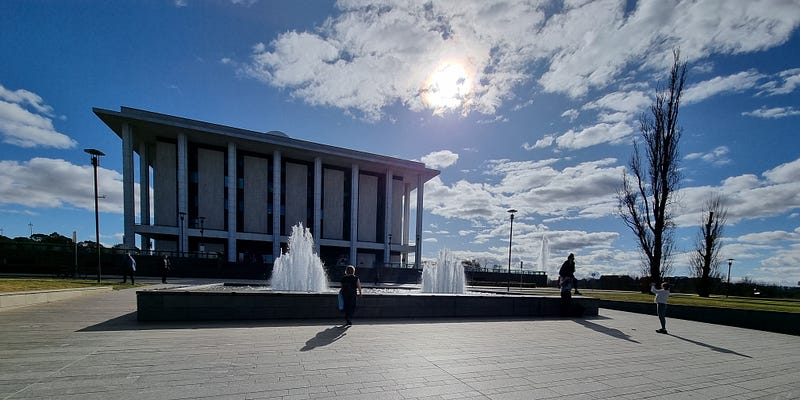
As a book lover, it was high on my list of Canberra’s curiosities. It’s a big building set in spacious grassy surroundings between Old Parliament House and the Molonglo River.
With my appetite whetted, I ascended the stairs and entered the building through double-sized glass doors. I expected books. Instead, I found the inside to be as spacious as the outside.
There was a cafe to my right, and staircases on either side. Three severe-looking custodians sat at the desk, facing me. One of whom eyed me with suspicion as I walked through to their reference room.
My first thought was, “Where are all the books?”
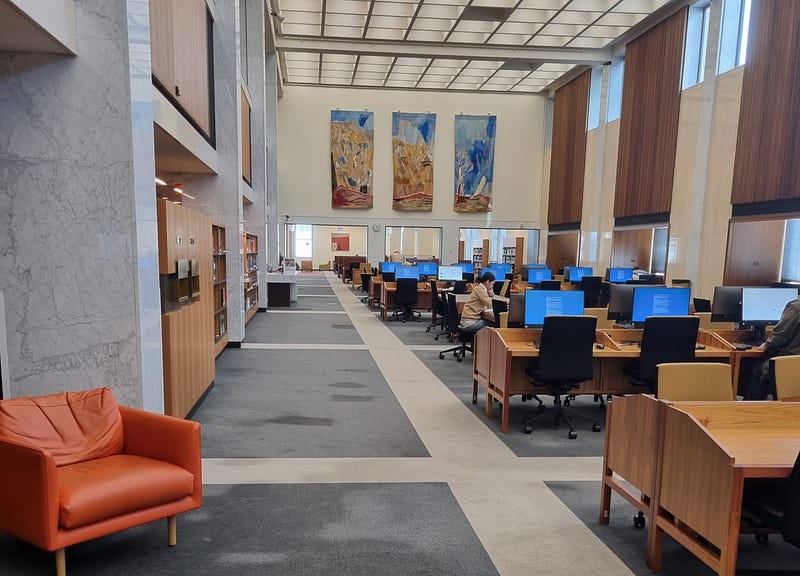
There is a lot of space. There are a lot of desks. There are a lot of computers.
I expected more books.
The National Library of Australia is a reference library. You can’t take books home, but staff will send your choice to one of their reading rooms where you can peruse, wonder, and discover.
With nothing but a mixed bag of non-fiction on their sporadic shelves, I imagined I wouldn’t be there long. I was about to repair to the café for a coffee, to admire its stained glass window and red velvet cake (each slice would feed a family of five). But then I stopped.
I saw it. Nestled in a wooden bookcase, it was the title that caught my attention.
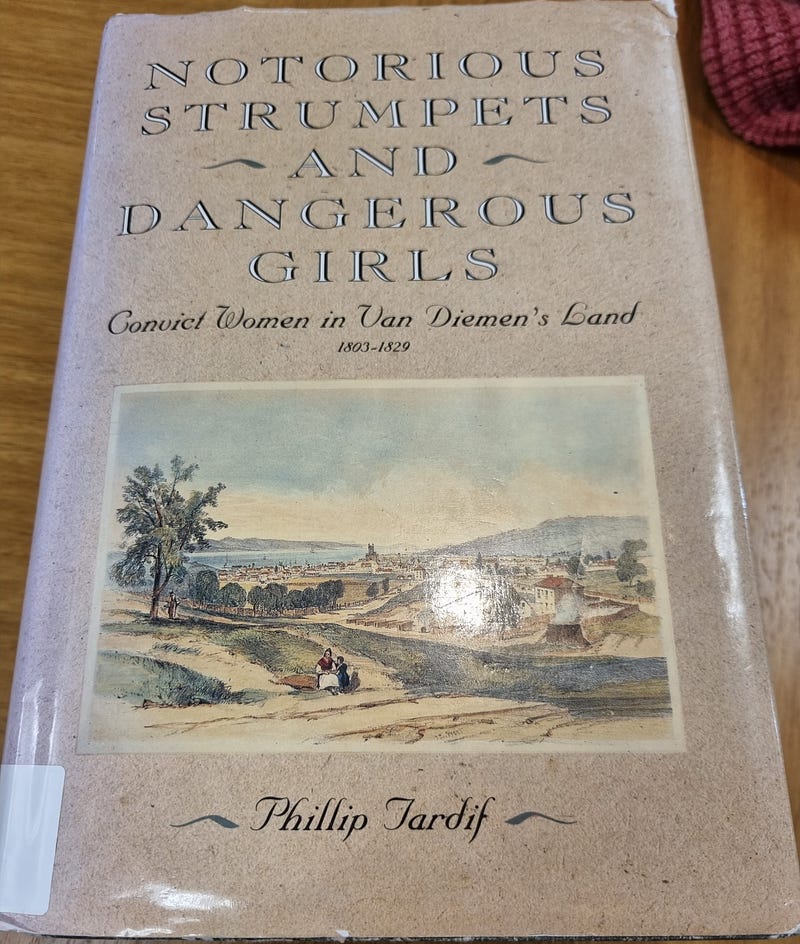
And it didn’t disappoint.
Mary Hog — sentenced to 7 years for stealing children’s apparel.
Mary Welsh — sentenced to life for picking pockets.
Elizabeth Clarke — sentenced to life for larceny from the person.
But there was more.
These entries detailed brief descriptions of the felon:
Trade: Nurserymaid. Visage: Pocked marked and unpretty. Conduct: Bad. Literacy: Cannot read.
Followed by Colonial Experiences.
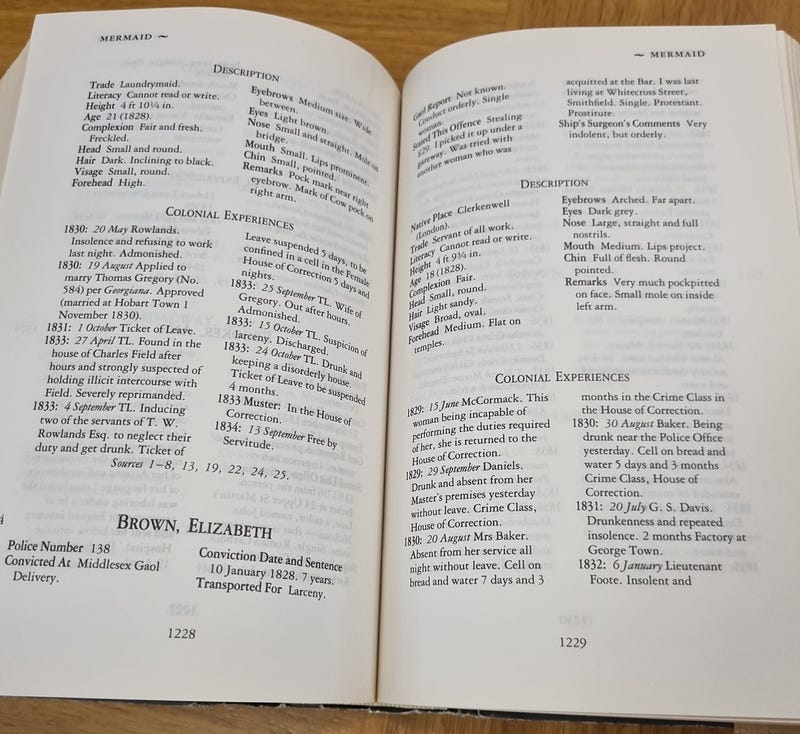
Some also added the Ship’s Surgeon’s Comments: An active woman but rather turbulent.
They sent these convicted women from the British Isles to the other side of the world to serve out their sentences. Often the convicts were held in prison hulks for months prior to their transportation.
There are hints in the ship's records of the brutalities of convict transportation, which could last months or even years. The Convict Journey records the First Fleet taking eight months.
“Convicts died as a result of the poor conditions onboard some ships. A disease environment could develop, exacerbated by cramped, unhygienic conditions, lack of air below decks and unsatisfactory nutrition. Punishments meted on prisoners could be harsh — lashes with the cat o’ nine tails might remove the flesh from the back leaving the victim vulnerable to infection.”
Notorious Strumpets and Dangerous Girls examines the lives of every female convict to arrive in Van Diemen’s Land before 1830.
Van Diemen’s Land was the colonial name of the island of Tasmania. Used by the British in the 19th century, its penal colonies became notorious destinations for convicts.
Today, Tasmania is an aspirational holiday destination. It is a place of captivating beauty and thrilling adventures.
For the convict women 200 years ago, it was a most dismal and harsh environment. Chosen for its isolation and reputation for being inescapable — where are you going to go?
The immediate and acute problem confronting the convicts was survival. The colony was starving. Few ships visited and supplies were limited.
Despite their growing numbers, men heavily outnumbered women. Van Diemen’s Land was also the destination of adventurers. Men outnumbered women by 10 to 3, but in the prison population, the ratio of males to females was 9 to 1.
The imbalance would account for a great deal of sexual exploitation. Life would be tough. A seven-year sentence could mean deprivation or even death. A lifetime away from family and friends for the sake of petty theft seems draconian in anyone’s eyes.
I remained engrossed in the book for several hours. When I eventually replaced the tome on the shelf, the cafe was closed. I exited the library to the yellow glow of Canberra’s setting sun.
I lamented my wait for a bus back to the other side of the water and the subsequent tram ride to my hotel. Forty-five minutes, that’s all. First world, modern-day problems, huh?
The convict stories circulated in my head, and when I sat supping my first beer of the evening, it struck me how lucky we are today.
Next time you are up in court for stealing a petticoat, some towels, or £8 from the person of another, be thankful you aren’t living your life two centuries in the past.
Ahem — there’s more by Malky here. Get an email when Malky publishes. Read and learn, write and earn by joining here.