avatarAnkit Das

Free AI web copilot to create summaries, insights and extended knowledge, download it at here

2308

Abstract

tm_medium=referral&utm_source=pexels">Karolina Grabowska</a> from <a href="https://www.pexels.com/photo/crop-unrecognizable-woman-showing-chiropractor-painful-spot-on-back-4506109/?utm_content=attributionCopyText&amp;utm_medium=referral&amp;utm_source=pexels">Pexels</a></figcaption></figure><p id="19ae">Your spine is a long bone structure, and the cartilaginous discs between them are held together by joints, muscles, and ligaments attached to the bones. <b>A common way to sit is with an arched back and slanted shoulders</b>, a position that puts uneven pressure on your spine.</p><p id="6c03">Over time, this causes wear and tear on the intervertebral discs, overloading of certain ligaments and joints, and strain on the muscles stretching to compensate for the hunched position of your back. <b>This curved shape also narrows your chest cavity when you’re sitting down</b>, which means your lungs have less room to expand as you breathe.</p><p id="60b3">This is a problem as it temporarily <b>limits the amount of oxygen</b> that fills your lungs and filters through your blood. Around the skeleton are the muscles, nerves, arteries, and veins that make up the soft tissue layers of the body. Just sitting, squeezes, and pressurizes them, and due to this compressing the more sensitive tissues really feel the pain.</p><p id="cbcf">Have you ever felt <b>numbness and swelling</b> in your limbs when you sat down for too long? In the most compressed areas, your nerves, arteries, and veins can get blocked, restricting nerve signals, causing numbness, and reducing blood flow to your limbs, and causing them to swell.</p><p id="4951">Sitting for long periods of time also temporarily <b>deactivates lipoprotein lipase</b>, a special enzyme in the walls of the blood capillaries that breaks down fat in the blood. So when you sit down, you’re not burning fat as much as you would have burned while moving or even standing.</p><p id="1fdb">We haven’t yet talked about the problems sitting causes to the brain. Most of the time, <b>you’ll likely sit down to use your brain</b>, but ironically, long sitting periods actually defeat that goal.</p><p id="f0ab">Being stationary reduces blood flow and the amount of oxygen that gets into your bloodstream through your lungs. Your brain needs both of them

Options

to stay alert, <b>so your focus will likely decrease</b> as your brain activity slows.</p><p id="3d25">Unfortunately, the adverse effects of sitting are <b>not just short-term</b>. Many studies have shown that long periods of sitting are linked to certain types of cancer and heart disease, and can lead to diabetes, kidney, and liver problems.</p><blockquote id="0ece"><p>In fact, researchers have found that worldwide inactivity causes about 9% of premature deaths each year. That’s over 5 million people.</p></blockquote><p id="4a5f">What seems so harmless actually has the power to change our health.</p><p id="5ada">Fortunately, the solutions to this growing threat are simple and intuitive. If you have no choice but to sit down, <b>try swapping the slouch for a straight back</b>. When you don’t need to be tied down in your seat, <b>try moving around a lot more.</b></p><figure id="0436"><img src="https://cdn-images-1.readmedium.com/v2/resize:fit:800/0*Hp73ea5P-hQEexW-"><figcaption>Photo by <a href="https://www.pexels.com/@ketut-subiyanto?utm_content=attributionCopyText&amp;utm_medium=referral&amp;utm_source=pexels">Ketut Subiyanto</a> from <a href="https://www.pexels.com/photo/excited-barefoot-ethnic-mother-and-cute-girl-doing-stretching-exercises-together-4473622/?utm_content=attributionCopyText&amp;utm_medium=referral&amp;utm_source=pexels">Pexels</a></figcaption></figure><p id="63de">An effective method is to set a reminder for yourself to <b>get up every hour and move or do a posture improvement exercise</b>, it would hardly cost you 5 minutes.</p><p id="8b10">We should appreciate that bodies are built for motion and not for staying still. <b>Treat your body as it is meant to be, and it’ll thank you later.</b></p><p id="3dee">Thanks for reading!!</p><figure id="bb1a"><img src="https://cdn-images-1.readmedium.com/v2/resize:fit:800/0*_PIbHp6ZJurbLokx.jpeg"><figcaption></figcaption></figure><p id="4918"><b>You just read another post from In Fitness And In Health:</b> a health and fitness community dedicated to sharing knowledge, lessons, and suggestions to living happier, healthier lives.</p><p id="b687">If you’d like to join our newsletter and receive more stories like this one, <a href="https://scottmayer.substack.com/"><b>tap here</b></a><b>.</b></p></article></body>

You Are Doing a Lot of Harm to Your Body Just by Sitting

Sitting for a long period of time can cause a lot of damage to your body

Photo by Andrea Piacquadio from Pexels

Right now, you’re probably sitting down to read this article, and sitting down for a few minutes to read it is probably fine. But, the longer you sit, the more agitated your body gets. It just sits there and counts the moments until you get up and walk around again. It might sound silly, right?

We all love to sit, don’t we? But we all know that anything that is done in excess is harmful. And the concept doesn’t change for your body either. Of course, a short sitting can help us recover from stress or exercise.

But these days, our lifestyle forces us to sit still a lot more than we move, and our bodies just aren’t built for such a stationary existence. In fact, the opposite is true. The human body is designed to move, and you can see the proof of that in the way it is structured.

We have over 360 joints and around 700 skeletal muscles that allow smooth and easy movement. The unique physical structure of the body allows us to stand up straight against the force of attraction. Our blood requires us to move to be able to circulate properly. Our nerve cells also benefit from movement. And our skin is elastic, which means it adapts to our movements.

So when every square inch of your body is ready and waiting for you to move, what if you don’t? Let’s start with the backbone of the problem and literally the backbone.

Photo by Karolina Grabowska from Pexels

Your spine is a long bone structure, and the cartilaginous discs between them are held together by joints, muscles, and ligaments attached to the bones. A common way to sit is with an arched back and slanted shoulders, a position that puts uneven pressure on your spine.

Over time, this causes wear and tear on the intervertebral discs, overloading of certain ligaments and joints, and strain on the muscles stretching to compensate for the hunched position of your back. This curved shape also narrows your chest cavity when you’re sitting down, which means your lungs have less room to expand as you breathe.

This is a problem as it temporarily limits the amount of oxygen that fills your lungs and filters through your blood. Around the skeleton are the muscles, nerves, arteries, and veins that make up the soft tissue layers of the body. Just sitting, squeezes, and pressurizes them, and due to this compressing the more sensitive tissues really feel the pain.

Have you ever felt numbness and swelling in your limbs when you sat down for too long? In the most compressed areas, your nerves, arteries, and veins can get blocked, restricting nerve signals, causing numbness, and reducing blood flow to your limbs, and causing them to swell.

Sitting for long periods of time also temporarily deactivates lipoprotein lipase, a special enzyme in the walls of the blood capillaries that breaks down fat in the blood. So when you sit down, you’re not burning fat as much as you would have burned while moving or even standing.

We haven’t yet talked about the problems sitting causes to the brain. Most of the time, you’ll likely sit down to use your brain, but ironically, long sitting periods actually defeat that goal.

Being stationary reduces blood flow and the amount of oxygen that gets into your bloodstream through your lungs. Your brain needs both of them to stay alert, so your focus will likely decrease as your brain activity slows.

Unfortunately, the adverse effects of sitting are not just short-term. Many studies have shown that long periods of sitting are linked to certain types of cancer and heart disease, and can lead to diabetes, kidney, and liver problems.

In fact, researchers have found that worldwide inactivity causes about 9% of premature deaths each year. That’s over 5 million people.

What seems so harmless actually has the power to change our health.

Fortunately, the solutions to this growing threat are simple and intuitive. If you have no choice but to sit down, try swapping the slouch for a straight back. When you don’t need to be tied down in your seat, try moving around a lot more.
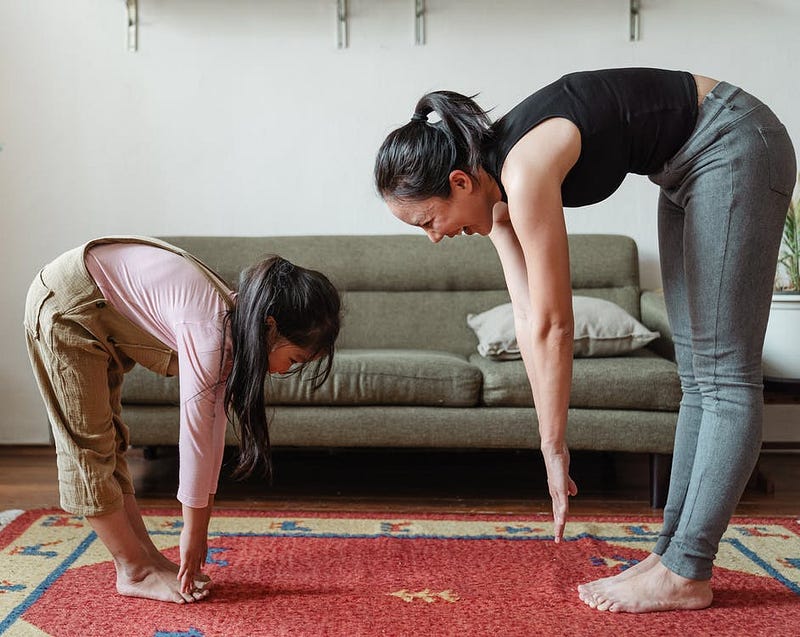
Photo by Ketut Subiyanto from Pexels

An effective method is to set a reminder for yourself to get up every hour and move or do a posture improvement exercise, it would hardly cost you 5 minutes.

We should appreciate that bodies are built for motion and not for staying still. Treat your body as it is meant to be, and it’ll thank you later.

Thanks for reading!!

You just read another post from In Fitness And In Health: a health and fitness community dedicated to sharing knowledge, lessons, and suggestions to living happier, healthier lives.

If you’d like to join our newsletter and receive more stories like this one, tap here.

Self-awareness
Health
Mindset
Posture
Productivity
Recommended from ReadMedium