
Psychology
Yes, We Can Influence Our Feelings
Choose how you react to your feelings
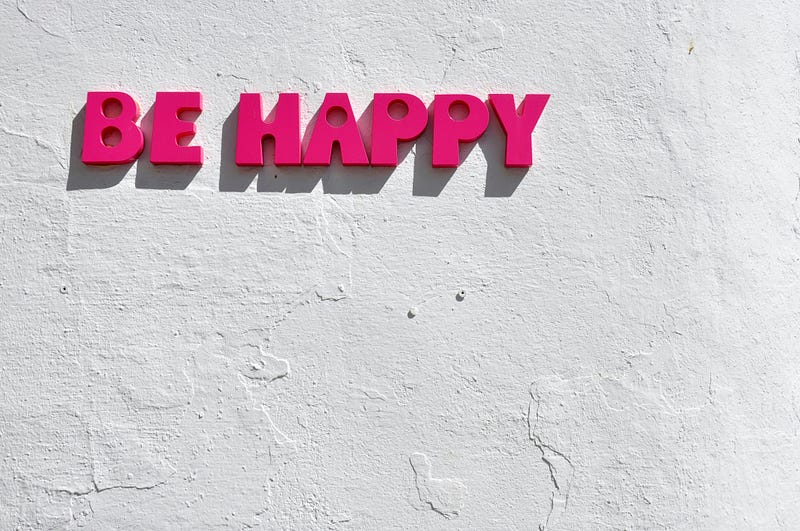
When I was younger, I struggled with not wanting to feel certain emotions like sadness or disappointment. I just wanted to be happy all the time! But as I’ve gotten older, I’ve realized there’s more nuance to it than that.
Our emotions serve an essential purpose — they give us information about how we’re experiencing the world and what we need. For example, feeling disappointed after a poor grade, rejection, or failure is the brain’s way of signaling that you care about doing well. There’s value in that, but constantly dwelling on negative emotions isn’t healthy, either.
Our feelings follow a pattern. First, something happens, like getting a bad grade or failing something. Then, our brain thinks about it. Based on what our brain thinks, we’ll feel a certain way. This is the process of what could happen:
- Situation: Your failure on something.
- Evaluate: Your brain thinks, “I worked hard and didn’t get as well as I wanted.”
- Emotion: You feel disappointed
But here’s the good news — we can influence our feelings! There are strategies we can use. Yes, you can! But you have to choose how you react to those feelings.
A technique called “emotion regulation” can help change how you feel. Psychologists developed a model with four steps: what happens, how you think about it, your feelings, and how you respond. At that last step, you can jump in and shift your emotions. Now, what can you do about those feelings? Here are the steps:
- Avoid thinking negatively about it.
- Modify how you remember it by saying I learned/experienced new things.
- Shift your focus to your following interview by making a work plan.
- Re-think by talking to your employer, mentor, therapist, or trusted one about improving.
You can also calm down your feelings after. Go and take a walk, try to practice deep breaths, or discuss the issue with someone you trust, like your parent, spouse, or friend.
Another way is called “reappraisal.” So, if you get a job rejection, you could think about how to do better in the following interview instead of just feeling bad.
Avoiding the trigger, shifting perspective, calming your body — all of these are typical human ways of processing emotions. The key is doing it in a constructive, not destructive, manner. Hiding, dwelling, or ignoring our problems will not solve them long term.
It takes practice to become good at regulating emotions, but once you know you’re in control, it does get easier. The goal isn’t to always be happy since different feelings have their uses, too. All emotions are normal. The key is finding what works for you and balancing it. If a friend is hurting, showing empathy through our sadness can be caring. And on a hard day, finding brief moments of joy is perfectly fine, too.
The point is that negative emotions are not bad. Emotions aren’t good or bad — they’re how we respond to a specific situation. Overall, health involves balance, not repression or fixation on one state.
As we get older, I also think it’s crucial to accept that we can’t always be happy or in control of how we feel. Life involves ups and downs, and that’s how we appreciate life, enjoy it, and perhaps miss some of its challenges. As the famous song says, “Only miss the sun when it starts to snow.”
Does this perspective make sense? There are certainly no simple answers to how to regulate emotions, which could be a challenge in itself, but reflecting and just thinking about how to navigate them in a nuanced yet compassionate way is so important as we grow up.
What do you think?
Author’s Note
Thank you for reading my story. Here is some information about my background. 🙏Consider sharing and participating in the conversation if this content speaks to you. For any queries, collaborations, or comments, reach out to me at [email protected]. Thank you for supporting my work!